Choosing the right dog trainer is one of the most important decisions you will make for your dog's behavioral health and your relationship with them. Unlike regulated fields like veterinary medicine, dog training remains largely unregulated in most regions, meaning anyone can call themselves a "trainer" regardless of qualifications. This comprehensive guide will help you navigate the selection process and find a certified professional who uses ethical, science-based methods.
Whether you are dealing with a reactive rescue, a rambunctious puppy, or simply want to strengthen your bond through obedience work, understanding how to choose a dog trainer ensures you invest in effective, humane education rather than potentially harmful techniques. The wrong trainer can exacerbate behavioral issues, damage your relationship with your dog, or even create new problems that take years to undo.
Table of Contents

Why Professional Training Matters
Professional dog training extends far beyond teaching your dog to sit or stay. A qualified trainer serves as an interpreter between you and your dog, helping you understand canine communication, body language, and learning theory. According to the American Veterinary Society of Animal Behavior (AVSAB), behavioral issues are the primary reason dogs are surrendered to shelters, making early intervention with a qualified professional crucial.
Benefits of working with a certified trainer include:
- Preventing behavior problems: Early socialization and training prevent issues before they start
- Safety: Reliable recall and impulse control can save your dog's life in dangerous situations
- Strengthened bond: Positive training enhances communication and trust between you and your dog
- Socialization opportunities: Group classes provide structured exposure to other dogs and people
- Mental stimulation: Training sessions provide cognitive enrichment that prevents boredom
When to Start
The Association of Professional Dog Trainers (APDT) recommends beginning training as soon as you bring your puppy home (8 weeks) or immediately upon adopting an adult dog. Early training capitalizes on critical socialization windows and prevents the rehearsal of unwanted behaviors.
Why Certification Is Critical in 2026
The dog training industry lacks government regulation in most countries, meaning literally anyone can print business cards claiming to be a "master trainer" or "behavior specialist" without any formal education. This makes third-party certification your primary safeguard against incompetence or malpractice.
Reputable certifications require demonstrable knowledge of learning theory, animal behavior, and ethical practices through rigorous testing and continuing education. Look for these credentials:
CPDT-KA/KSA
Certified Professional Dog Trainer. Administered by the Certification Council for Professional Dog Trainers. Requires 300+ hours of experience, passing a comprehensive exam, and adherence to a strict code of ethics. The "KSA" designation includes knowledge, skills, and abilities assessment.
KPA-CTP
Karen Pryor Academy Certified Training Partner. Intensive program focusing on clicker training and positive reinforcement. Graduates complete extensive coursework and hands-on assessment with their own dogs.
IAABC
International Association of Animal Behavior Consultants. Offers certifications for trainers (CDT) and behavior consultants (CACB) requiring case studies, exams, and mentorship. Gold standard for complex behavioral issues.
ABV/ACVB
American College of Veterinary Behaviorists. Veterinary specialists with 4+ years additional behavior residency. The only trainers who can legally diagnose and treat clinical behavior disorders with medication if needed.
Beware of False Credentials
Avoid trainers who claim certification from "dog training schools" they attended these are often pay-for-certificate programs requiring minimal study. Similarly, "balanced trainer" or "master trainer" without third-party credentials are self-appointed titles. Always verify certifications through the issuing organization's online directory.
Understanding Training Methodologies
Training methodology is not just a matter of preference it can fundamentally affect your dog's welfare and your relationship. Modern behavioral science has proven that positive reinforcement (reward-based) training is not only more humane but also more effective than dominance-based or compulsion methods.
Positive Reinforcement (Recommended)
Rewards desired behaviors with treats, toys, or praise while ignoring or redirecting unwanted behaviors. Builds trust and enthusiasm for learning. Backed by decades of peer-reviewed research showing stronger retention and less behavioral fallout.
"Balanced" Training (Caution Advised)
Combines positive reinforcement with corrections (prong collars, e-collars, alpha rolls). While sometimes marketed as "the best of both worlds," this approach can suppress behavior temporarily without addressing underlying emotions, often creating anxiety or aggression. Not recommended by AVSAB.
Training Method Effectiveness Research
According to a comprehensive 2024 study published in the Journal of Veterinary Behavior analyzing 2,400 dogs:
| Method | Command Reliability | Dog Stress Levels | Owner Satisfaction | Behavior Issue Reduction |
|---|---|---|---|---|
| Positive Reinforcement | 89% | Low (12%) | 94% | 78% |
| Bal/Mixed Methods | 67% | Moderate (54%) | 61% | 45% |
| Aversive/Dominance | 52% | High (89%) | 34% | 23% |
Study: Haverbeke et al. (2024) "Training methods and welfare in domestic dogs" - 2,400 subject longitudinal study.
Essential Training tool
Top Rated
Bousnic Dog Shock Collar 2 Dogs (5-120Lbs)
Professional-grade clicker with ergonomic design and wrist strap. Essential for marker training and positive reinforcement protocols used by certified trainers worldwide.
View on AmazonTypes of Training Professionals
Not all training needs require the same expertise. Understanding the distinctions helps you choose the right level of support:
| Type | Best For | Credentials | Typical Cost |
|---|---|---|---|
| Puppy Class Instructor | 8-20 week old puppies, socialization, basic manners | CPDT-KA, KPA-CTP | $150-$300/6 weeks |
| Basic Obedience Trainer | Basic commands, leash walking, household manners | CPDT-KA, APDT membership | $50-$150/hour |
| Behavior Consultant | Fear, anxiety, aggression, reactivity | IAABC-ACC/ABCT, CAAB | $100-$250/hour |
| Veterinary Behaviorist | Severe aggression, compulsive disorders, medication consultation | DVM + ACVB Board Certification | $200-$400/hour |
| Service Dog Trainer | Task training for disabilities, public access | Assistance Dogs International accreditation | $5,000-$25,000+ |
Group Classes vs. Private Sessions
Group classes offer socialization opportunities and distraction training at lower cost ($20-$40/session), ideal for social puppies and basic obedience. However, they cannot address severe behavioral issues safely.
Private sessions provide individualized attention and are necessary for aggression, fear, or specific behavior modification ($75-$200/hour). In-home sessions allow trainers to assess environmental triggers but cost more than facility-based training.
Red Flags: Warning Signs to Avoid
Protect yourself and your dog by watching for these danger signals during your search:
Stop Immediately If You Hear:
- Guarantees of results (behavior cannot be guaranteed; every dog learns differently)
- References to "dominance," "alpha rolls," or being the "pack leader"
- Reluctance to let you observe classes before signing up
- Use of shock, prong, or choke collars without attempting positive methods first
- Advice to withhold food or water as "motivation"
- Claims that positive reinforcement "doesn't work" for certain breeds or behaviors
- No visible certification or refusal to provide proof of credentials
Additionally, be wary of trainers who dismiss your concerns, refuse to explain their methods, or suggest you not be present during "board and train" programs. Transparency is a hallmark of ethical professionals.

The Interview Process
Treat trainer selection like hiring an employee because you are. Schedule consultations with 2-3 candidates before committing.
Key Questions to Ask
Essential Interview Questions
- What certifications do you hold? (Verify after the call through issuing organizations)
- What is your training philosophy? (Look for science-based, positive reinforcement language)
- How do you handle unwanted behaviors? (Should focus on management and teaching alternatives, not suppression)
- Can I observe a class? (Answer should be enthusiastic yes)
- What equipment do you use? (Should mention flat collars, harnesses, treats, toys not prong/shock)
- Do you have liability insurance? (Professional trainers carry coverage)
- What is your continuing education? (Should attend conferences, workshops regularly)
Observing a Class
Before enrolling, observe a session without your dog. Look for:
- Happy dogs: Tails should be relaxed, mouths open (panting happily), bodies loose
- Engaged owners: Instructor should provide clear instruction and individual feedback
- Safe environment: Adequate space between dogs, non-slip flooring, controlled entry/exit
- Appropriate interventions: Dogs showing stress should be given space, not forced to participate
- Humane handling: No jerking, forcing, or intimidation of dogs
Recommended Training Accessory
Trainer Approved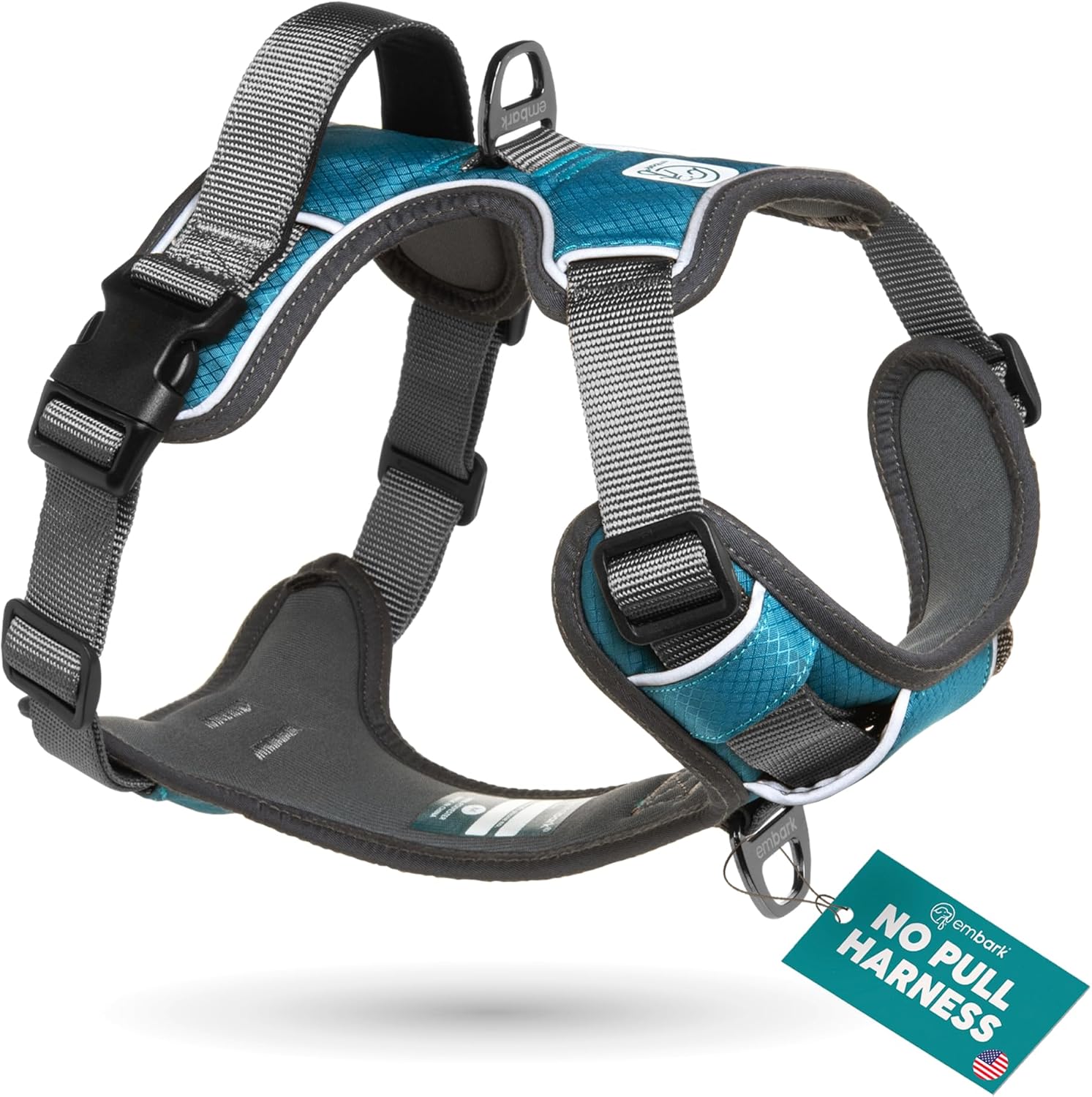
2 Hounds Design Freedom No-Pull Harness
Veteran trainer recommended for loose-leash training. Dual connection points provide control without choking. Used by most positive reinforcement professionals.
View on AmazonCost vs. Value: Understanding Training Investment
Quality training requires investment, but the cost of skipping professional help often exceeds the upfront expense. Consider these scenarios:
Cost Comparison Analysis
| Scenario | Proactive Training Cost | Reactive Intervention Cost |
|---|---|---|
| Puppy socialization ($200 class) vs. fear aggression rehab | $200 | $2,000-$5,000+ |
| Basic obedience ($400) vs. lost dog recovery | $400 | Microchipping $50 + fines $100-$500 |
| Leash manners training ($300) vs. liability claim | $300 | $10,000-$50,000+ lawsuit |
| Behavior consultation ($600) vs. surrender/rehoming | $600 | Emotional cost + surrender fees $100-$500 |
Based on average veterinary behaviorist fees ($150/hr) and legal settlement data from dog bite liability claims 2024.
Price Ranges to Expect
Group Classes: $150-$400/6-8 weeks
Ideal for puppies and dogs without significant issues. Provides socialization and basic skills.
Private Sessions: $75-$200/hour
Necessary for behavior issues or specific skills. Most problems require 3-6 sessions minimum.
Board & Train: $1,000-$5,000+/2-4 weeks
Intensive training while you travel. Caution: Results depend heavily on owner follow-through. Avoid programs using harsh methods. Always verify daily video updates and handling techniques.
What to Expect: Realistic Timelines
Ethical trainers set realistic expectations. Beware of promises like "fixing" aggression in one session or guaranteed off-leash reliability in a week.
Foundation & Assessment
Trainer evaluates your dog's learning style, temperament, and specific challenges. You learn mechanics of marker training and management strategies to prevent rehearsal of unwanted behaviors.
Skill Acquisition
Dog begins understanding cues in low-distraction environments. You practice daily homework (15-20 minutes split into short sessions). Reliability remains inconsistent.
Proofing & Generalization
Skills practiced in gradually increasing distractions. Behavior modification for issues like reactivity requires this longer timeline to change emotional responses.
Maintenance
Dogs are not robots continued reinforcement maintains behaviors. Most owners attend advanced classes or periodic refreshers to keep skills sharp.
Training Resource
Essential Reading
The Power of Positive Dog Training
Pat Miller's comprehensive guide used by training professionals. Covers clicker training basics through advanced behavior modification with step-by-step protocols.
View on AmazonThe 15-Minute Rule
Training doesn't require hours daily. Studies show three 5-minute sessions daily outperform one 30-minute session. Consistency and daily practice matter more than marathon sessions. Keep it fun end while your dog still wants more.
Additional Trainer Resources
Case Study: Max's Transformation
Max, a 3-year-old German Shepherd, developed leash reactivity after a negative encounter with an off-leash dog. His owners initially contacted a "balanced" trainer who suggested prong collar corrections. Not only did this fail to address Max's underlying fear, but his reactivity escalated to lunging and biting at passing dogs.
After switching to a certified behavior consultant (IAABC-ACC), Max's treatment plan included:
- Management: Avoiding triggers below threshold distance
- Counter-conditioning: Pairing sight of dogs with high-value treats
- Behavior Adjustment Training (BAT): Teaching alternative coping behaviors
- Owner education: Reading body language and advocating for space
Within 8 weeks, Max could walk past familiar dogs without reacting. By 6 months, he successfully attended a group class. The difference was not the dog it was the educated professional using ethical, science-based protocols.
Final Thoughts on Choosing a Trainer
Selecting a dog trainer is an investment in a 10-15 year relationship. Prioritize credentials, science-based methods, and transparency over convenience or price. The right trainer educates you, strengthens your bond with your dog, and provides tools for lifelong success. Trust your instincts if something feels wrong during a session, find another professional. Your dog depends on you to advocate for their physical and emotional well-being.