A dog crate is more than just a metal or plastic box it is your pet's personal sanctuary, their den, and often their favorite napping spot. But an empty crate is merely a cage. The right dog crate accessories transform it into a comfortable, safe haven where your dog feels secure and relaxed. In this comprehensive 2026 guide, we explore everything you need to know about crate accessories, from orthopedic beds to safety covers, and why choosing quality matters for your pet's wellbeing.
Whether you are crate training a new puppy, upgrading an adult dog's setup, or preparing for travel, understanding which crate accessories are essential can make the difference between a stressed pet and a content companion. According to veterinary behaviorists, a properly accessorized crate can reduce anxiety-related behaviors by up to 60% while providing essential security during storms, travel, or separation. For specific training guidance, check our step-by-step crate training protocol.
Table of Contents

Why Quality Crate Accessories Matter
Investing in high-quality crate accessories is not simply about aesthetics or spoiling your pet it directly impacts their physical health and psychological wellbeing. A poorly equipped crate can lead to pressure sores from inadequate bedding, heat stress from poor ventilation, or anxiety from lack of security features.
Modern crate accessories address these concerns through ergonomic design, breathable materials, and species-appropriate features that respect your dog's natural denning instincts. The right accessories can:
- Prevent joint problems: Orthopedic crate mats distribute weight evenly, preventing pressure points that lead to arthritis in senior dogs
- Reduce anxiety: Properly fitted covers create a den-like environment that triggers calming security responses
- Ensure hydration: Spill-proof crate bowls provide constant access to water without mess or risk of empty bowls
- Maintain temperature: Ventilation fans and appropriate bedding prevent overheating, a common issue in enclosed spaces
- Enable safe travel: Secured accessories prevent projectile hazards during car travel while keeping pets comfortable
Pro Tip
When selecting crate accessories, always prioritize safety certifications over aesthetics. Look for products tested for pet safety, non-toxic materials, and those recommended by veterinary behaviorists. For aggressive chewers, avoid plush bedding initially and opt for chew-resistant, elevated cots instead.
Essential Dog Crate Accessories
Creating the ultimate crate environment requires understanding which accessories serve essential functions versus optional conveniences. Here are the must-have categories:
1. Orthopedic Crate Beds and Mats
The foundation of any comfortable crate is proper bedding. Unlike standard dog beds, crate-specific mats are sized to fit precisely without bunching or shifting. For 2026, orthopedic memory foam options dominate the market, offering superior joint support compared to traditional poly-fill beds.
When selecting crate bedding, consider:
- Thickness: 3-4 inches for large breeds, 2-3 inches for small breeds
- Waterproofing: Essential for puppies and senior dogs; look for waterproof liners beneath the cover
- Chew resistance: Ballistic nylon or ripstop materials for determined chewers
- Washability: Removable, machine-washable covers are non-negotiable for hygiene
2. Crate Covers and Canopies
A quality crate cover transforms an open wire crate into a secure den. Dogs naturally seek enclosed spaces when resting, and covers provide the visual barrier needed to block stimulating sights while maintaining airflow. According to the Humane Society, covered crates reduce stress behaviors by creating a den-like environment.
Modern covers feature:
- Multiple access panels (front, side, top) for versatile positioning
- Breathable, lightweight fabrics that prevent overheating
- Light-blocking properties for better sleep quality
- Acoustic dampening to reduce noise sensitivity
3. Crate Bowls and Feeders
Attaching specialized crate bowls ensures your dog maintains hydration during crating periods. Unlike standard bowls, crate attachments feature:
- Spill-proof designs: Snap-lock or screw-on mechanisms prevent tipping
- Appropriate sizing: Shallow depths prevent whisker fatigue while holding adequate water
- Stainless steel construction: Hygienic, rust-proof, and chew-resistant
- Easy removal: Quick-release mechanisms for cleaning and refilling
Safety Warning
Never use standard loose bowls inside crates. They pose choking hazards if chewed and can create unsanitary conditions if spilled. Always use attachable, specifically designed crate bowls secured to the crate wires or door.
4. Safe Crate Toys and Enrichment
While not all toys are suitable for unsupervised crating, certain crate-safe enrichment items can help anxious dogs settle. The key is selecting items that are:
- Size-appropriate: Too large to swallow, too small to trap paws
- Non-destructible: Durable rubber or hard nylon that resists breaking into pieces
- Quiet: Avoid squeakers or bells that can overstimulate
- Stuffable: Kong Classic or similar toys filled with frozen treats provide prolonged engagement
5. Climate Control Accessories
Temperature management is critical in enclosed crates. Crate fans and cooling mats prevent overheating during warm months, while insulated covers and heated beds provide warmth in winter. Modern crate fans feature:
- Rechargeable lithium batteries with 8+ hour runtime
- Multi-speed settings for customized airflow
- Quiet operation (<30dB) to prevent noise anxiety
- Secure mounting systems that withstand movement
Top Crate Bed Recommendation
Bestseller
MidWest Homes Deluxe Super Plush Pet Bed
Ultra-soft synthetic fur with non-skid bottom. Ideal for crates, carriers, and dog houses. Machine washable and dryer safe. Available in multiple sizes to fit standard crates perfectly.
Check Amazon PriceSafety Considerations for Crate Accessories
While accessorizing enhances comfort, safety must remain the primary concern. Veterinary emergency rooms report numerous cases of crate-related injuries involving inappropriate accessories.
Collar and Harness Removal
Always remove collars and harnesses before crating. Tags and clips can catch on wire grates or fabric covers, creating strangulation hazards. According to Preventive Vet, crate collar accidents are among the most preventable pet emergencies.
Bedding Safety by Chewing Behavior
Match bedding durability to your dog's chewing tendencies:
| Chewing Level | Recommended Bedding | Avoid |
|---|---|---|
| Non-destructive | Memory foam, plush beds | None |
| Light chewer | Bolstered canvas beds | Loose filling |
| Heavy chewer | Elevated cot, K9 Ballistics | Foam, fabric edges |
| Anxiety chewer | Hard plastic tray only | Any soft bedding |
Proper Ventilation
When using covers or positioning crates against walls, ensure at least three sides maintain airflow. Solid plastic crates (airline kennels) require even more attention to ventilation, especially for brachycephalic breeds like Bulldogs or Pugs.
Climate Control Essential
Summer Must-Have
Petmate 2-Door Top Load Kennel with Ventilation
Features two top-loading doors for easy access and superior ventilation flow. Includes built-in storage compartment for accessories. Ideal for travel and home use.
Check Amazon PriceCrate Accessories by Life Stage
Different life stages require different accessory approaches. What works for a senior dog may be dangerous for a teething puppy.
Age-Appropriate Setup Guide
- Washable pee pads underneath bedding
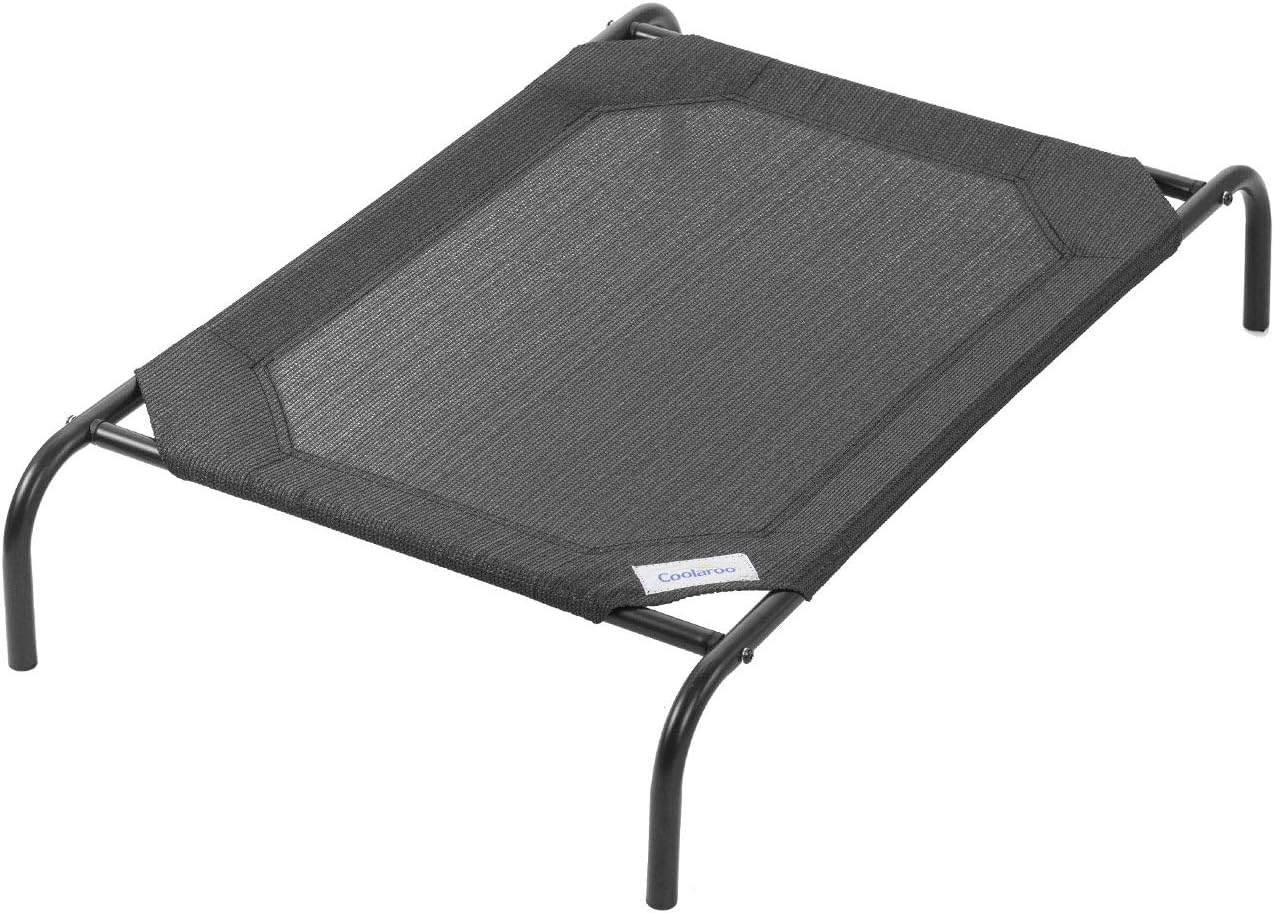
- Chew-proof elevated cot
- Snuggle Puppy with heartbeat
- Adaptil diffuser nearby
- Divider panel for sizing
- NO soft bedding (ingestion risk)
- Durable canvas or ballistic bed
- Attachable water bowl
- Frozen Kong for engagement
- Sturdy cover with ventilation
- Non-slip crate mat
- Chew toys only (supervised)
- Orthopedic memory foam bed
- Crate cover for privacy
- Dual bowls (water/food)
- Comfort toys
- Fan for temperature control
- Bolstered sides for head rest
- Thick orthopedic support (4"+)
- Waterproof cover (incontinence)
- Easy-access low-entry design
- Heated bed option
- Non-slip surface critical
- Extra padding for joints
2026 Dog Crate Accessory Trends
The crate accessory market continues evolving with technology and sustainability concerns:
Smart Crate Monitors
WiFi-enabled cameras with barking detection and temperature alerts sent to your smartphone. Some models dispense treats remotely for positive reinforcement.
Sustainable Materials
Bamboo fiber bedding, recycled plastic covers, and hemp-based mats appeal to eco-conscious pet parents without sacrificing durability.
Modular Systems
Brands like Diggs offer interchangeable accessories (side pockets, additional doors, expansion panels) that customize crates as needs change.
Noise Cancellation
Specialized acoustic covers and white noise machines designed specifically for crates help noise-phobic dogs during thunderstorms or fireworks.

Premium Crate Cover
Anxiety Relief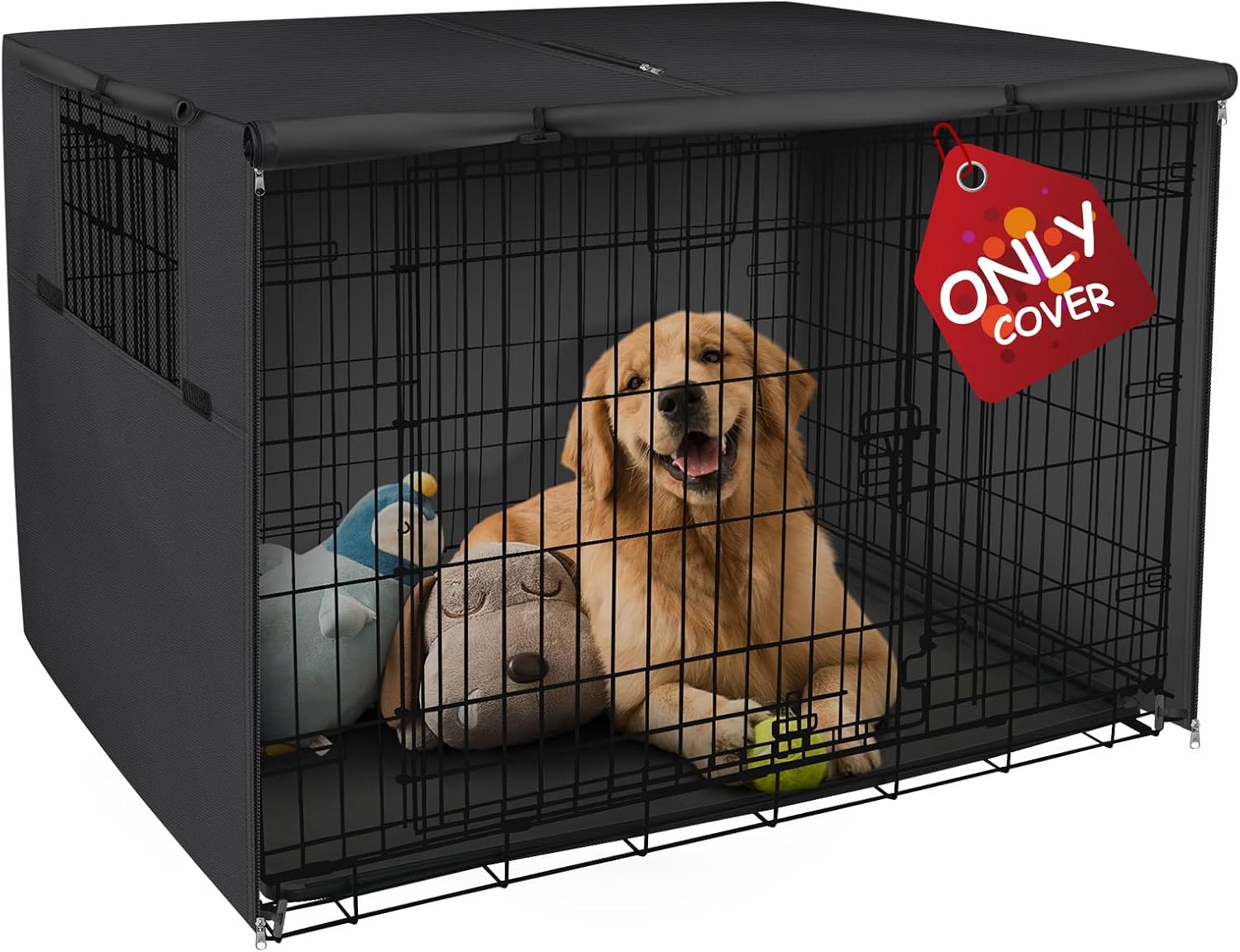
MidWest Homes for Pets Dog Crate Cover
Polyester and cotton blend cover provides privacy and security. Features multiple entry and ventilation panels. Machine washable and available in multiple sizes to fit standard crates. Creates den-like environment reducing anxiety.
Check Amazon PriceStep-by-Step Crate Setup Guide
Follow this systematic approach to creating the perfect crate environment:
Select Appropriate Bedding
Choose bedding based on age, chewing habits, and health needs. Place a washable protective layer underneath for puppies or seniors. Ensure the bed leaves 2-3 inches clearance on all sides for airflow.
Install Water System
Attach spill-proof bowl to crate door at shoulder height for your dog. Test the locking mechanism to ensure it won't detach if bumped. For travel, consider no-spill silicone travel bowls.
Apply Cover and Climate Control
Install breathable cover leaving ventilation gaps. Position crate away from direct sunlight and drafts. Add fan if ambient temperature exceeds 75°F (24°C) or heating pad if below 60°F (16°C).
Add Safe Engagement Items
Select one or two safe toys appropriate for unsupervised use. For anxious dogs, add a worn t-shirt with your scent. Avoid overstimulation crate time should signal rest, not play.
Final Inspection
Remove collars and tags. Check that no small parts can be chewed off. Verify all accessories are secure and cannot become choking hazards. Test temperature inside crate before introducing your dog.
Setup Checklist
- ☐ Bed fits with 2-3 inch clearance on sides
- ☐ Water bowl attached securely at proper height
- ☐ Cover allows airflow on at least 3 sides
- ☐ No loose threads, tags, or small parts
- ☐ Temperature between 60-75°F inside crate
- ☐ Collar removed
- ☐ Emergency contact info attached to crate exterior
Additional Resources
Final Thoughts
Creating the perfect crate environment requires thoughtful selection of accessories that prioritize safety, comfort, and species-appropriate design. While it may be tempting to purchase the cheapest options, investing in quality crate accessories pays dividends through improved behavior, better health, and enhanced quality of life for your dog. Remember the crate should be your dog's favorite place, not a punishment zone. With the right accessories, it becomes exactly that.