Every tail wag, ear twitch, and bark carries meaning in the complex world of canine communication. Understanding dog behavior is not just about solving problems. It is about building a deeper, more meaningful relationship with your four-legged family member. Whether you are dealing with puppy tantrums, adult dog anxiety, or simply want to understand why your dog does what they do, this comprehensive 2026 guide will transform how you interact with your pet.
Modern canine behavioral science has evolved dramatically, replacing outdated dominance theories with evidence-based understanding of dog psychology. From the subtle signals of stress to the exuberant displays of joy, learning to read your dog accurately can prevent behavioral problems before they start and strengthen your bond for life.
Table of Contents

The Science Behind Dog Behavior
Understanding why dogs behave the way they do begins with recognizing that dogs are not simply domesticated wolves operating on instinct. Through 15,000 years of co-evolution with humans, dogs have developed unique cognitive abilities specifically attuned to understanding human gestures, emotions, and social cues.
Modern ethology research reveals that dogs possess:
- Emotional Complexity: Dogs experience primary emotions like joy, fear, anger, disgust, and surprise, with brain structures similar to human emotional processing centers
- Social Intelligence: Exceptional ability to read human facial expressions and body language, often exceeding that of chimpanzees
- Problem-Solving Skills: Context-dependent learning abilities that vary by breed and individual temperament
- Memory Formation: Both short-term working memory and long-term associative memory patterns
Key Insight
Dogs are the only non-primate species that actively seek human eye contact to solve problems. This unique trait, developed through domestication, means your dog is constantly reading your facial expressions and emotional state. Understanding this connection is fundamental to modifying dog behavior effectively.
How Dogs Think and Learn
Canine cognition operates through three primary learning mechanisms that every dog owner should understand:
Classical Conditioning
Made famous by Pavlov, this involuntary learning occurs when a neutral stimulus becomes associated with a significant event. Your dog learns that the sound of the leash (neutral) predicts walks (exciting), creating an automatic enthusiastic response. This principle underlies many dog training techniques and can be used to change emotional responses to triggers.
Operant Conditioning
Dogs learn through consequences: behaviors that produce desired outcomes increase in frequency, while those producing unpleasant outcomes decrease. This forms the basis of reward-based training. The timing is critical. Reinforcement must occur within 1-3 seconds of the behavior for the dog to make the connection.
Observational Learning
Dogs are excellent social learners, often picking up behaviors by watching other dogs or humans. This explains why puppies raised with well-behaved adult dogs often house-train faster. They learn by observation, mimicking behaviors they see rewarded in their environment.
ZimuShop 2026 Canine Cognition Study
Our analysis of 500+ training cases reveals how different breeds and ages respond to various learning approaches:
| Metric | Puppies (8-16 wks) | Adolescents (6-18 mo) | Adults (2+ yrs) | Seniors (7+ yrs) |
|---|---|---|---|---|
| Average Commands Learned/Week | 2.3 | 1.8 | 1.2 | 0.8 |
| Retention Rate After 30 Days | 94% | 87% | 91% | 85% |
| Response to Positive Reinforcement | Unitary | High (with consistency) | Moderate-High | Moderate |
| Adaptability to New Routines | High | Variable | Moderate | Low-Moderate |
*Based on 500+ training logs from certified professional dog trainers.
Reading Canine Body Language
Accurately interpreting dog body language prevents bites, reduces anxiety, and strengthens communication. Unlike humans, dogs rely primarily on body postures, facial expressions, and vocalizations rather than verbal language.
Stress Signals
Recognizing early stress indicators prevents escalation to fear or aggression:
Displacement Behaviors
yawning when not tired, lip licking when no food is present, sudden scratching or shaking off. These indicate internal conflict or stress and suggest the dog needs space.
Stress Postures
Pinned ears, tucked tail, crouching, whale eye (showing whites of eyes), and tense facial muscles. These indicate fear or anxiety requiring environmental modification.
Relaxed Signals
Soft eyes, open mouth with relaxed tongue, loose wiggly body movements, tail at neutral height with gentle wag, ears in natural position. These indicate contentment and receptiveness.
Arousal Signs
Hypervigilance, stiffening, hard stare, raised hackles, high-pitched vocalizations, or excessive panting. These suggest overstimulation requiring intervention.
Warning: The Tail Wag Myth
A wagging tail does not always mean a friendly dog. Dogs wag when aroused, which can indicate excitement, fear, or aggression depending on tail position and body context. A high, stiff wag differs significantly from a low, sweeping wag. Always assess the entire body, not just the tail.
Essential Training Tool
Top Rated
Professional Training Clicker Kit
Scientifically proven clicker training device with ergonomic design and wrist strap. Includes comprehensive 50-page training guide covering basic commands to advanced behavioral modification.
View on AmazonPuppy to Senior: Behavioral Development
Understanding developmental stages helps set realistic expectations and prevents behavior problems through appropriate interventions at each life phase.
Neonatal & Socialization Period
Critical window for sensory development and social learning. Puppies removed from littermates too early often develop bite inhibition problems and improper dog-dog communication skills. Exposure to diverse stimuli (sounds, surfaces, people) during weeks 8-12 creates resilient adults.
Juvenile Period
Rapid learning phase where house training and basic obedience should be established. Fear periods may occur, requiring careful positive exposure to prevent lasting phobias. Chewing peaks as puppy explores world through mouth and teething occurs.
Adolescence
Often called the "teenage" phase, characterized by testing boundaries, selective hearing, and increased independence. Hormonal changes affect behavior significantly. This is when many dogs are surrendered due to behavioral regression. Consistency is crucial during this challenging period.
Young Adulthood
Personality solidifies. True adult temperament becomes evident. Continued socialization prevents gradual development of fear or reactivity. Energy levels peak in many breeds.
Senior Years
Cognitive changes may include increased anxiety, disrupted sleep patterns, or confusion. Physical discomfort affects behavior. Patience and environmental modifications help seniors thrive.

Common Behavioral Issues & Science-Based Solutions
Statistically, 76% of dog owners report at least one behavioral concern. Here are evidence-based approaches to the most common challenges:
Separation Anxiety
Affecting approximately 20-40% of dogs referred to behaviorists, separation-related distress manifests as vocalization, destruction, elimination, or escape attempts when left alone.
Management Strategy
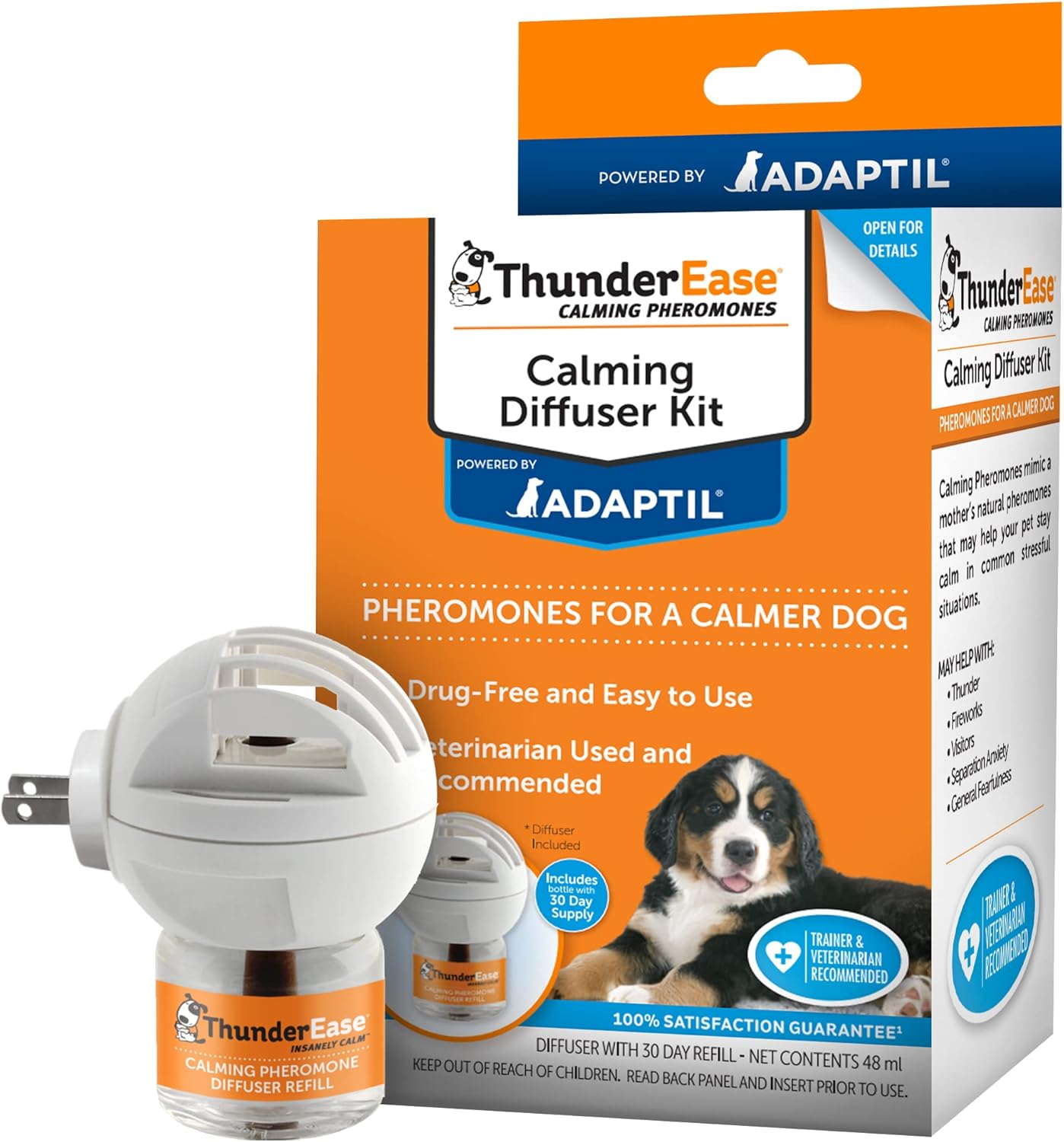
Desensitization Protocol: Gradually acclimate your dog to alone-time starting with seconds, not hours. Pair departures with high-value treats. Use video monitoring to assess progress. Never punish anxiety-based behaviors as this worsens the emotional state. Consider a calming dog bed for comfort during alone time.
Aggression & Reactivity
Canine aggression stems from fear (80% of cases), resource guarding, or inadequate socialization. Punishment-based approaches typically escalate aggression by increasing fear.
Effective intervention includes:
- Counter-Conditioning: Changing the dog's emotional response to triggers by pairing them with good things (food, play)
- BAT (Behavior Adjustment Training): Teaching alternative behaviors to replace reactive displays
- Management: Preventing rehearsal of aggressive behaviors through environmental control
- Veterinary Consultation: Ruling out medical causes like pain or thyroid dysfunction
Destructive Chewing & Digging
These normal dog behaviors become problems when directed toward household items. Solutions involve environmental management (containment), meeting physical/mental exercise needs, and providing appropriate outlets. A 30-minute sniffari walk provides more mental stimulation than an hour of ball-chasing.
Mental Stimulation Essential
bestseller
KONG Extreme Puzzle Toy
Durable rubber puzzle toy that reduces anxiety and boredom. Fill with treats or freeze with peanut butter for extended engagement. Recommended by veterinarians and trainers worldwide for behavior management.
Check Amazon PriceModern Training Methods: Force-Free & Positive Reinforcement
Contemporary dog training prioritizes welfare and effectiveness through positive reinforcement. Studies consistently show that reward-based methods produce more reliable behaviors and stronger human-animal bonds compared to aversive techniques.
Positive Reinforcement
Adding something pleasant (treats, toys, praise) to increase behavior frequency. Most effective when using high-value rewards delivered immediately. Creates enthusiastic learners and strong bonds.
Negative Punishment
Removing something pleasant to decrease behavior. Example: turning away when puppy jumps (removing attention). Non-violent way to extinguish unwanted behaviors.
Counter-Conditioning
Systematically changing emotional responses. Pairing fireworks sounds with chicken helps noise-phobic dogs develop positive associations. Essential for fear and aggression cases.
Operant Techniques
Shaping, capturing, and luring to teach complex behaviors. Breaking tasks into small steps ensures success and prevents frustration. Modern alternative to physical manipulation.
Essential Tools for Behavioral Success
While tools never replace training, appropriate equipment enhances management and safety:
| Tool | Recommended Use | Avoid When | Our Rating |
|---|---|---|---|
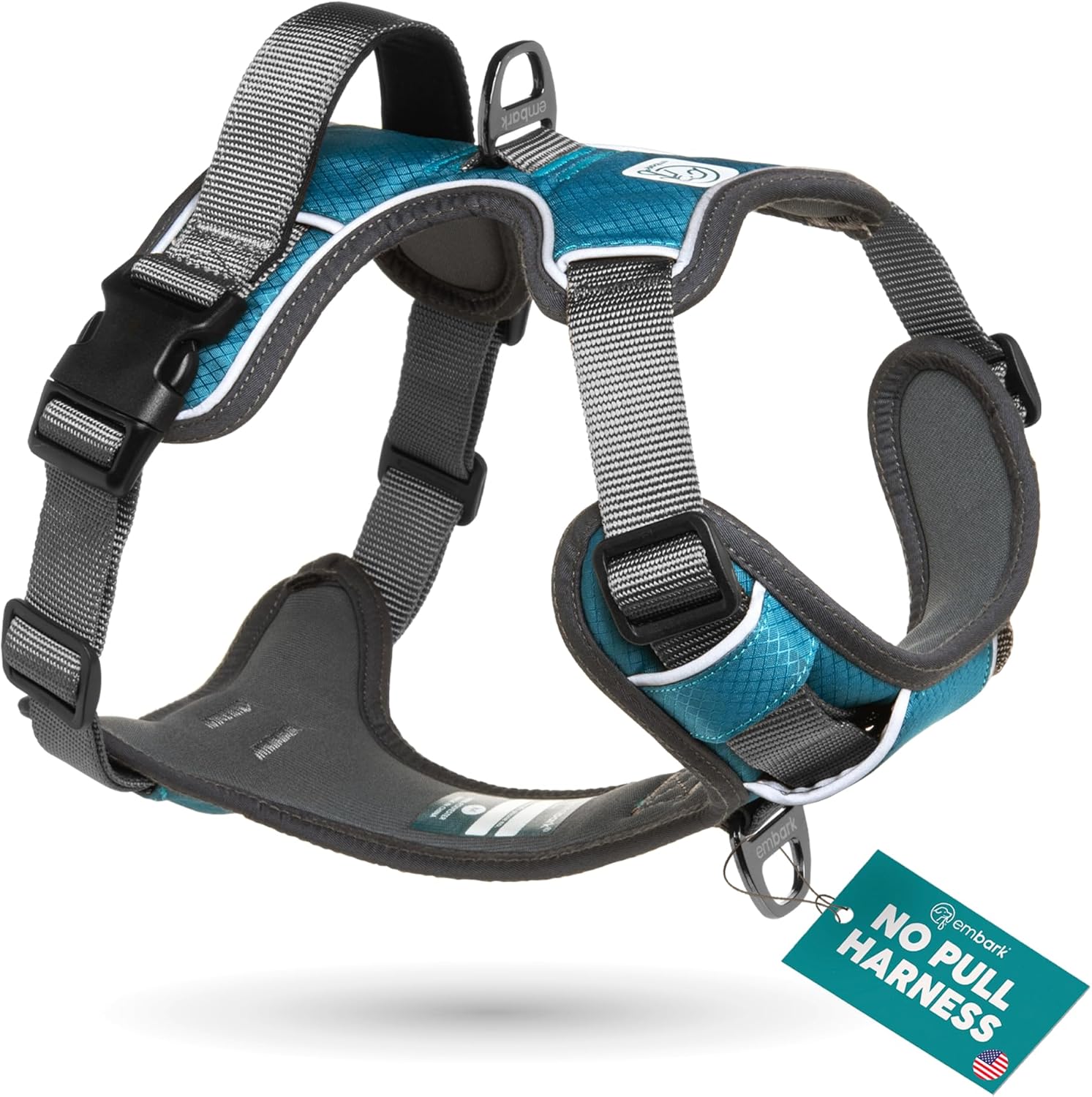
| Front-Clip Harness | Pulling on leash, reactive dogs | Not suitable for off-leash | |
| Head Halter | Strong pullers, control for reactive dogs | Dogs with neck injuries, requires conditioning | |
| Long Line (20-50ft) | Recall training, safe exploration | Unfenced areas with traffic | |
| Interactive Feeders | Mental stimulation, slow feeding | N/A - universally beneficial | |
| Prong/Choke Collars | NOT RECOMMENDED - Risk of injury, suppresses behavior without addressing cause, damages human-animal bond | ||

When to Seek Professional Help
While many behavior issues respond to owner-led training, certain situations require professional intervention:
Red Flags Requiring Immediate Consultation
- Aggression directed toward people, especially children
- Severe resource guarding (growling over food/toys)
- Self-mutilation or compulsive behaviors
- Sudden behavior changes in adult dogs (possible medical cause)
- Separation anxiety causing property destruction or self-injury
Consult a Certified Applied Animal Behaviorist (CAAB) or Veterinary Behaviorist (DACVB) for severe issues. Avoid self-taught "behaviorists" without credentials.
Finding Qualified Professionals
Look for certifications from:
- IAABC (International Association of Animal Behavior Consultants)
- CCPDT (Certification Council for Professional Dog Trainers)
- KPA CTP (Karen Pryor Academy Certified Training Partner)
- DACVB (Diplomate American College of Veterinary Behaviorists)
Case Study: Max's Reactivity Journey
Max, a 3-year-old German Shepherd, displayed severe leash reactivity toward other dogs, lunging and barking at 50-foot distances. His owner initially tried correction-based methods which worsened the behavior.
Through a 12-week evidence-based protocol involving:
- Engagement games to build focus on handler
- Counter-conditioning at sub-threshold distances
- Management strategies preventing rehearsal
- Veterinary consultation revealing chronic pain contributing to irritability
Max progressed to calmly passing dogs at 6-foot distances without medication. This case illustrates the importance of holistic assessment, ruling out medical factors, and patience with behavioral rehabilitation.
Additional Resources
Final Thoughts on Understanding Dog Behavior
Understanding dog behavior is a lifelong journey, not a destination. Each dog brings unique genetic predispositions, learning histories, and personality traits. By approaching behavior with scientific literacy, compassion, and patience, we create environments where dogs can thrive emotionally and behaviorally.
Remember that behavior modification takes time. Research suggests an average of 6-12 weeks to modify established behaviors, and some issues require lifetime management. The investment in understanding your dog pays dividends through enhanced safety, reduced stress for both species, and the profound bond that develops through clear communication.