Your home should be a sanctuary for your dog, but many common household items and situations pose serious risks to canine health and safety. Understanding dog household dangers is essential for every responsible pet owner. In this comprehensive 2026 guide, we'll explore hidden hazards, provide prevention strategies, and outline emergency responses to keep your furry family member safe.
According to the ASPCA Animal Poison Control Center, they receive over 200,000 calls annually about potential pet poisonings, with the majority involving common household items. Many of these emergencies are preventable with proper knowledge and preparation. This guide will help you create a safer environment for your dog while being prepared for any unexpected situations.
Table of Contents
- Most Common Household Dangers for Dogs
- Toxic Foods and Plants: What to Avoid
- Choking and Ingestion Hazards
- Electrical and Fire Safety
- Outdoor and Yard Dangers
- Emergency Response Guide
- Room-by-Room Prevention Guide
- Special Considerations: Puppies and Seniors
- Recommended Safety Products
- Frequently Asked Questions

Most Common Household Dangers for Dogs
Many everyday items in your home can pose serious risks to your dog's health. Understanding these dog household dangers is the first step in prevention. Here are the most common hazards categorized by severity:
High Severity: Immediate Threat
Human Medications: Even small amounts of common pain relievers (ibuprofen, acetaminophen), antidepressants, and ADHD medications can be fatal. According to the Pet Poison Helpline, medications account for nearly 50% of all poisoning cases.
High Severity: Toxic Foods
Chocolate, Xylitol, Grapes: These common foods cause severe reactions. Dark chocolate contains theobromine which dogs cannot metabolize. Xylitol (in sugar-free gum, peanut butter) causes rapid insulin release leading to hypoglycemia.
Medium Severity: Household Chemicals
Cleaning Products: Bleach, detergents, toilet bowl cleaners, and antifreeze (extremely toxic - just a teaspoon can kill a small dog). Store all chemicals in locked cabinets.
Medium Severity: Electrical Hazards
Cords, Batteries, Small Electronics: Puppies especially love chewing electrical cords, risking electrocution or burns. Button batteries can cause chemical burns if punctured.
The Silent Killer: Antifreeze Poisoning
Ethylene glycol (antifreeze) has a sweet taste that attracts dogs but is extremely toxic. Just 1-2 teaspoons can kill a small dog. Symptoms include drunken behavior, vomiting, excessive urination and thirst, followed by kidney failure within 24-72 hours. Always clean up spills immediately and consider pet-safe alternatives.
Toxic Foods and Plants: What to Avoid
Many foods safe for humans are toxic to dogs. Knowing what to keep out of reach can prevent emergency vet visits. Here's a comprehensive guide to foods and plants that pose risks:
| Food/Plant | Toxic Component | Symptoms | Severity |
|---|---|---|---|
| Chocolate | Theobromine, Caffeine | Vomiting, diarrhea, rapid breathing, seizures | High |
| Xylitol | Artificial sweetener | Hypoglycemia, liver failure, seizures | High |
| Grapes & Raisins | Unknown toxin | Kidney failure, vomiting, lethargy | High |
| Onions & Garlic | Thiosulfate | Anemia, weakness, red urine | Medium |
| Avocado | Persin | Vomiting, diarrhea, myocardial damage | Medium |
| Lilies | Unknown toxin | Kidney failure (cats), gastrointestinal upset | High (cats) |
| Sago Palm | Cycasin | Liver failure, vomiting, seizures | High |
Safe Human Food Alternatives
If you want to share treats with your dog, consider these safe options in moderation: cooked chicken (no bones), carrots, green beans, apples (no seeds), blueberries, watermelon (no rind or seeds), and plain pumpkin (not pie filling). Always introduce new foods gradually and consult your veterinarian about appropriate portion sizes.
Essential Dog Safety Product
Emergency Ready
Comprehensive Pet First Aid Kit
Complete first aid kit designed specifically for pets. Includes wound care supplies, thermometer, emergency blanket, tweezers, and a comprehensive pet first aid guide. Every pet owner should have one readily available.
Check Amazon PriceChoking and Ingestion Hazards
Dogs explore the world with their mouths, making them susceptible to choking and intestinal blockages. Puppies are especially at risk, but all dogs can encounter these dangers:
Small Objects and Toys
Bones, sticks, small toys, children's toys, buttons, coins, batteries: Any object smaller than your dog's windpipe can cause choking. Monitor play with toys and remove any that become small enough to swallow. The American Kennel Club recommends regular toy inspection for wear and tear.
Yarn, Ribbons, Hair Ties
These can cause "linear foreign bodies" that get caught in the intestines, requiring emergency surgery. Always store sewing supplies, hair accessories, and holiday decorations securely.
Food Wrappers, Plastic Bags
Dogs can suffocate in plastic bags or develop intestinal blockages from swallowed plastic. Keep all packaging materials out of reach and properly dispose of food wrappers immediately.
A Close Call: Max's Toy Incident
Sarah, a Labrador owner from Seattle, shares her experience: "Max was playing with his favorite squeaky toy when suddenly he started pawing at his mouth and making choking sounds. I realized he had torn off and swallowed a piece of the toy. Thanks to my pet first aid training, I knew how to perform a modified Heimlich maneuver for dogs and dislodged the piece before rushing him to the vet. The vet confirmed that without immediate action, Max could have suffocated. Now I'm meticulous about toy inspection and always supervise playtime."
Lesson learned: Regularly inspect toys for wear, choose appropriately sized toys, and never leave dogs unsupervised with toys that can be torn apart.

Electrical and Fire Safety
Modern homes are filled with electrical devices that can pose risks to curious dogs. Here's how to protect your pet from electrical and fire hazards:
Cord Management
Use cord protectors, cable organizers, or bitter-tasting sprays to deter chewing. Consider cordless alternatives when possible and unplug devices when not in use.
Fire Safety
Keep dogs away from open flames (candles, fireplaces, stoves). Use fireplace screens and never leave candles unattended. Include pets in your family fire escape plan.
Heat Hazards
Space heaters can cause burns or tip over. Use pet-safe models with automatic shut-off features and keep them in enclosed areas away from pets.
Battery Safety
Store all batteries securely. Button batteries are especially dangerous as they can cause chemical burns if punctured or swallowed.
Outdoor and Yard Dangers
Your yard may seem like a safe play area, but it can harbor numerous hazards. Here are the most common outdoor dangers and how to address them:
Toxic Plants & Mulch
Common toxic plants: Lilies, azaleas, rhododendrons, sago palms, oleander, castor bean. Cocoa mulch: Contains theobromine like chocolate and can be attractive to dogs. Opt for pet-safe mulch alternatives.
Chemicals & Fertilizers
Pesticides, herbicides, and fertilizers can cause poisoning. Use pet-safe products and keep dogs off treated areas for the recommended time. Store all garden chemicals securely.
Water Hazards
Pools, ponds, and even buckets can pose drowning risks, especially for puppies and small breeds. Never leave dogs unsupervised near water and ensure pools have secure fencing or safety covers.
Fencing & Escape Risks
Check fences regularly for gaps, loose boards, or dig spots. Some breeds are excellent climbers or diggers and may need additional containment measures like dig barriers or coyote rollers.
Emergency Response Guide
Despite your best efforts, emergencies can happen. Knowing how to respond quickly and appropriately can save your dog's life. Here's what to do in common emergency situations:
Emergency Response Protocols
| Emergency | Immediate Actions | What NOT to Do |
|---|---|---|
| Choking | Check mouth for obstruction (if safe), perform modified Heimlich for dogs, rush to vet | Don't blindly reach into throat (risk of pushing object deeper) |
| Poisoning | Call pet poison hotline immediately, gather toxin information, follow their instructions | Don't induce vomiting unless directed by professional |
| Burns | Cool area with lukewarm water, cover with clean cloth, transport to vet | Don't use ice, butter, or ointments on burns |
| Electrocution | Turn off power source, check breathing/consciousness, perform CPR if needed, transport to vet | Don't touch dog while still connected to power source |
| Heat Stroke | Move to cool area, offer small amounts of water, cool with towels (not ice), transport to vet | Don't force large amounts of water or use ice baths |
Save these emergency numbers in your phone: Pet Poison Helpline: (855) 764-7661, ASPCA Animal Poison Control: (888) 426-4435, Your regular veterinarian, Nearest 24-hour emergency vet clinic.
Home Safety Product
Best Seller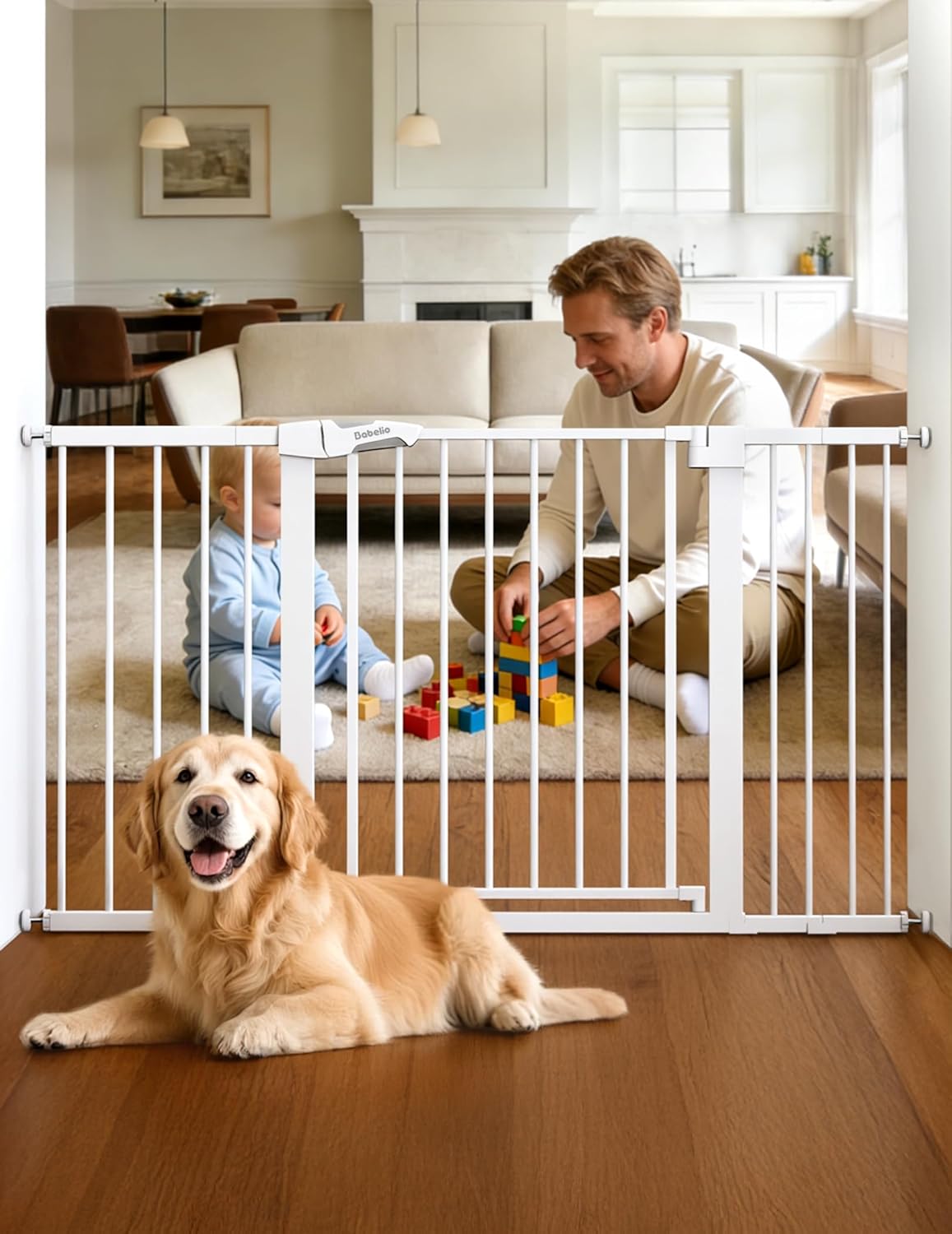
Extra Wide Pet Safety Gate
Sturdy, pressure-mounted gate that expands up to 72 inches. Features a walk-through door with secure locking mechanism. Perfect for keeping dogs out of dangerous areas like kitchens, stairways, or rooms with hazards.
Check Amazon PriceRoom-by-Room Prevention Guide
Creating a safe home requires assessing each room for potential hazards. Use this comprehensive checklist to dog-proof your entire house:
Complete Home Safety Assessment
- Secure trash cans with locking lids
- Store cleaning products in locked cabinets
- Keep countertops clear of food
- Use stove knob covers
- Keep dishwasher closed when not in use
- Secure electrical cords and outlets
- Remove small decorative items
- Use fireplace screens
- Avoid toxic plants
- Secure bookshelves and TVs
- Keep toilet lids closed
- Store medications securely
- Keep cleaning products locked away
- Secure trash cans
- Keep hair accessories out of reach
- Keep medications out of reach
- Secure jewelry and small items
- Store socks and underwear securely
- Check under beds for hazards
- Keep chargers and cords managed
Monthly Safety Checklist
Inspect all toys for wear and tear
Remove any toys with loose parts, torn fabric, or small pieces that could be swallowed.
Check household for new hazards
Look for recently introduced items that could pose risks - new plants, cleaning products, medications, or small objects.
Test safety latches and gates
Ensure all child/pet safety latches are functioning properly and gates are securely mounted.
Update emergency contact information
Confirm that emergency vet numbers are current and accessible to all family members.
Check yard for new hazards
Inspect fencing for damage, remove any toxic plants that have grown, and check for standing water or other risks.

Special Considerations: Puppies and Seniors
Different life stages present unique safety challenges. Puppies are curious and inexperienced, while senior dogs may have health conditions that require special precautions:
Puppy-Proofing Essentials
Supervision is key: Puppies should never be left unsupervised in unsecured areas. Use playpens or crates when you cannot directly supervise.
- Lower everything: Puppies can reach items you might think are safe on low tables or shelves
- Block access: Use baby gates to restrict access to dangerous areas
- Provide appropriate chew toys: Redirect chewing behavior to safe alternatives
- Puppy-proof electrical cords: Use cord covers or bitter sprays
- Remove small objects: Everything goes in a puppy's mouth - coins, buttons, pins, etc.
Senior Dog Safety Adjustments
As dogs age, their mobility, senses, and cognitive function may decline, requiring home modifications:
- Non-slip surfaces: Add rugs or mats to slippery floors to prevent falls
- Ramps or steps: Help senior dogs access furniture or vehicles without jumping
- Raised food and water bowls: Reduce strain on neck and joints
- Night lights: Help vision-impaired dogs navigate at night
- Temperature regulation: Senior dogs are more sensitive to temperature extremes
- Medication management: Ensure all medications are stored securely and administered correctly
Additional Safety Resources
Creating a Culture of Safety
Protecting your dog from household dangers is an ongoing process that requires vigilance and education for all family members. Teach children about dog safety, establish clear rules about what foods and items are off-limits to pets, and make safety checks a regular part of your routine.
Remember that prevention is always better than treatment. While it's impossible to eliminate every potential hazard, being aware of common dangers and taking proactive measures can dramatically reduce risks. Regularly reassess your home as your dog ages, as new items are introduced, and as seasons change (holiday decorations, seasonal plants, etc.).
Your efforts to create a safe environment will help ensure many happy, healthy years with your canine companion.