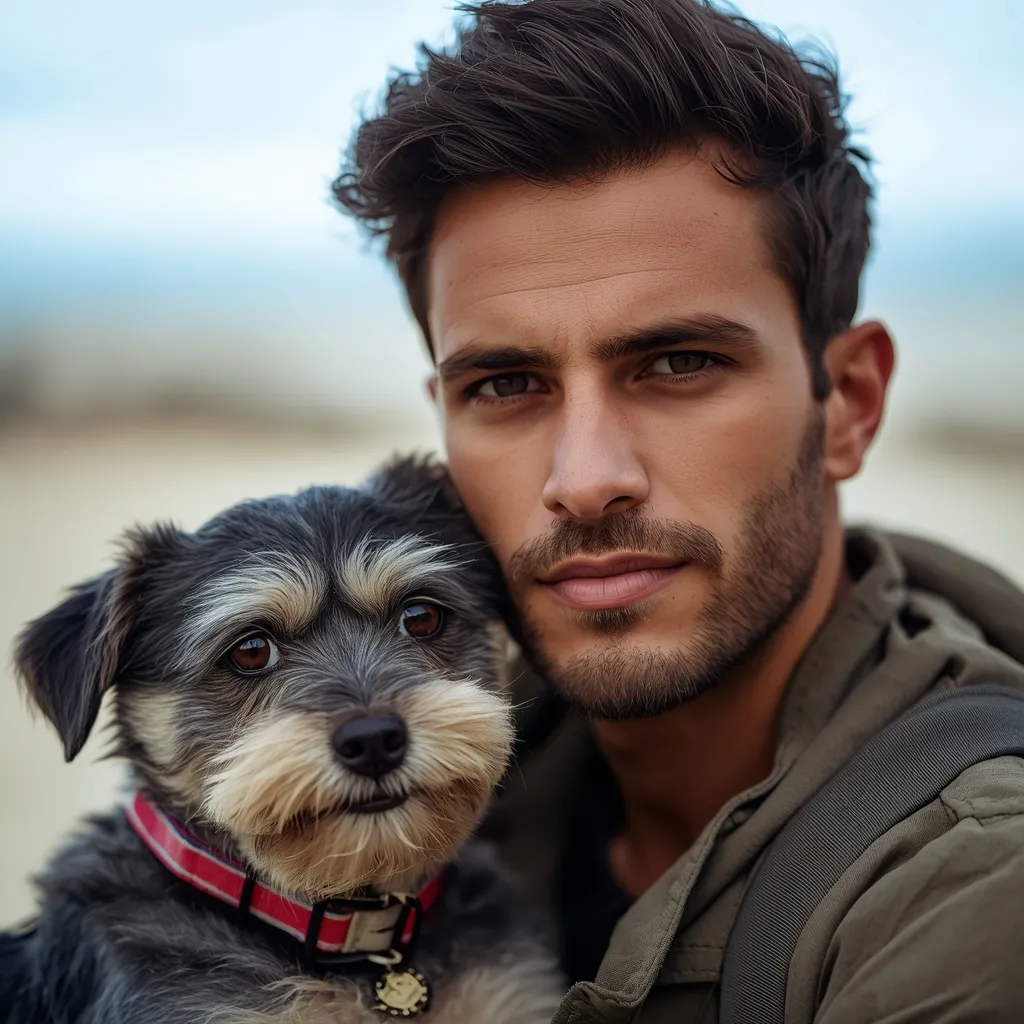
Hitting the open road with your dog is one of life's great pleasures. The shared sunsets, the new smells, the spontaneous hikes. But a successful dog road trip is built on more than just good intentions. It requires real planning. As a certified canine behaviorist and someone who's logged over 30,000 miles with my own rescue, Maggie, I've learned that the secret to a great trip is preparation that prioritizes your dog's physical and emotional well-being. This guide is designed to help you build a trip you'll both love, from the first mile to the last.
Table of Contents

1. Pre-Trip Planning: The Foundation of a Great Trip
Before you even think about packing the car, you need a solid plan. This isn't just about mapping your route; it's about understanding how your dog experiences travel.
Is Your Dog Ready for the Road?
Not every dog is a born road warrior. Consider their personality. Does your dog get stressed in new environments? Are they anxious around strangers or other dogs? An anxious dog might find a long trip overwhelming. In that case, a trusted pet sitter or a high-quality boarding facility might be the kinder option. If you decide to go for it, start with short practice drives.
The "Happy Ride" Test
Don't just drive around the block. Drive to a place your dog loves a park, a trailhead, a friend's house with a fenced-in yard. This builds a powerful positive association: car ride equals amazing destination. Do this 4-5 times before your big trip.
Mapping a Dog-Friendly Route
A 10-hour human road trip is a 12-hour dog road trip. You need to factor in breaks. I use apps like BringFido and Roadtrippers to identify dog parks, rest areas with large fields, and pet stores (great for a quick air-conditioned break in summer) along my route. Plan a 15-20 minute break every 2-3 hours.
2026 Dog Travel Survey: Break Preferences
We asked over 1,000 dog owners about their road trip habits:
| Break Activity | Owner Priority | Dog's Actual Preference |
|---|---|---|
| Quick potty break (5 min) | 95% | 20% |
| Walk + Sniffari (15-20 min) | 45% | 80% |
| Water and treat break | 70% | 60% |
| Off-leash run (safe area) | 30% | 95% |
The takeaway? Your dog needs more than just a fire hydrant. A quick walk to sniff and explore is crucial for mental decompression.
2. Safety & Essential Gear
Let's talk about the single most important rule of a dog road trip: restraint. An unrestrained dog in a car is a projectile. In a crash at just 30 mph, a 50-pound dog exerts 1,500 pounds of force. That's dangerous for them, and for you.
Choosing the Right Restraint
You have two main options:
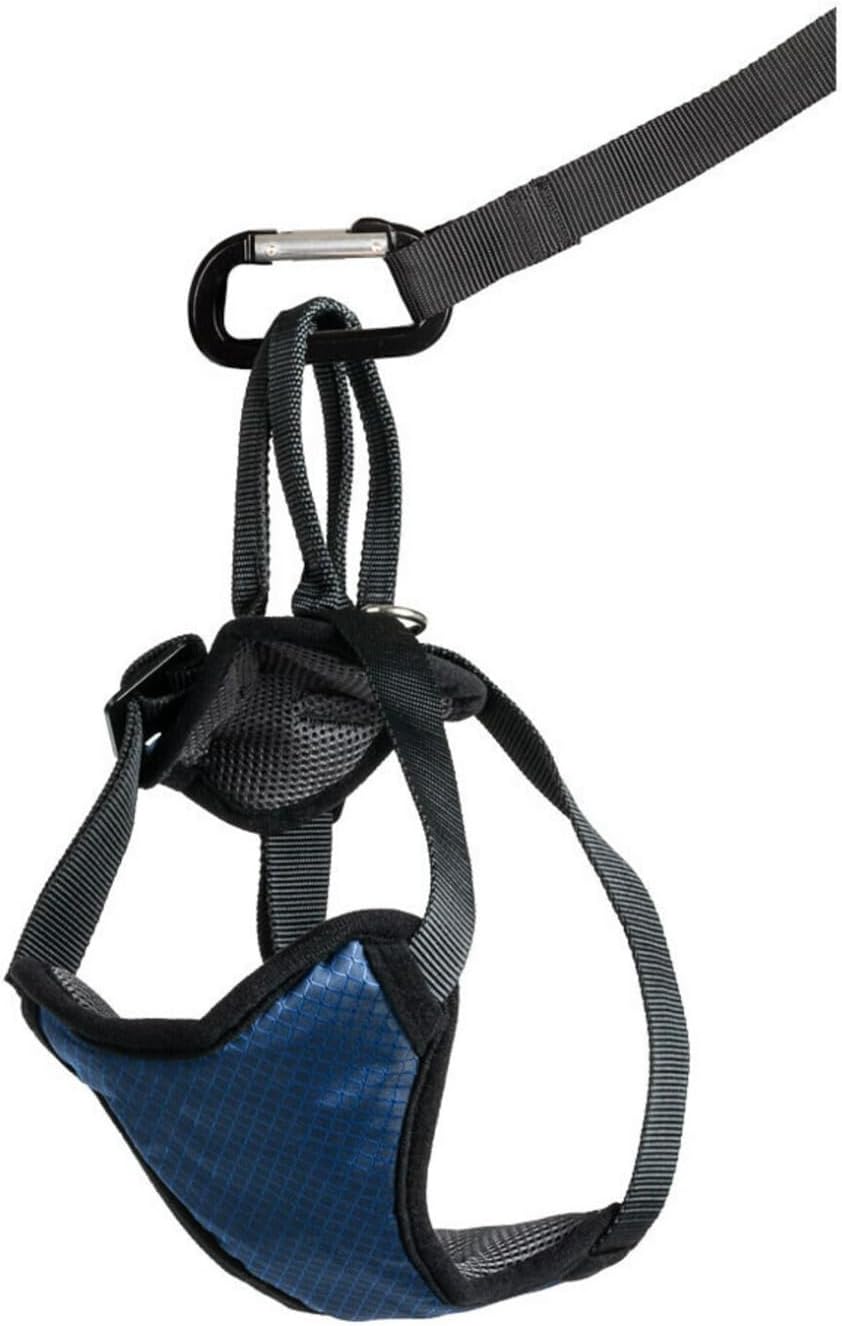
- Crash-Tested Harness: These harnesses attach to your car's seat belt system. Look for brands that have been certified by the Center for Pet Safety (CPS), like Sleepypod or Ruffwear.
- Crash-Tested Crates: A well-secured, CPS-certified crate (like those from Gunner or Impact) placed in the cargo area is the absolute safest option, creating a protective shell around your dog.
Never Use These
- Zip-line barriers: These don't prevent your dog from becoming a projectile in a crash.
- Unsecured, wire crate: It will buckle on impact.
- Letting your dog ride shotgun: Airbags are designed for adult humans and can kill a dog.
Top Safety Pick
CPS Certified
Sleepypod Clickit Terrain Harness
The only harness on the market that dynamically tests for both crash protection and comfort. Its 3-point attachment system keeps your dog secure without restricting movement. A bit pricier, but this is one area where you should never compromise.
Check Amazon PriceThe Complete Dog Road Trip Packing List
Don't Forget...
- Current rabies & vaccine records
- Health certificate (if crossing state lines or for boarding)
- Microchip registered with current contact info
- Two ID tags: one with your info, one with a friend's as backup
- Recent printed photo of your dog
- Food (pack extra 3 days worth)
- Collapsible bowls (2: for food & water)
- Portable water container
- Favorite treats & chews
- Medications with clear instructions
- Familiar bed or blanket
- Favorite toy (squeaky, ball, etc.)
- Long line (30ft) for safe exploration
- Towels (for muddy paws, wet dogs)
- Poop bags (more than you think you need)
- Pet-safe wipes & stain remover
- Seat cover or hammock
- Portable first-aid kit (see section below)
3. Managing Travel Anxiety
Panting, whining, pacing, or vomiting. These are signs your dog is struggling with the car. Don't just assume they'll "get over it." You need to actively help them.
Before You Go: Desensitization
For dogs with mild anxiety, start by just sitting in the parked car with the engine off. Give them their favorite chews. Next, move to turning the engine on, then off, without going anywhere. Progress to very short drives to fun places.
Natural Calming Aids
- Adaptil (pheromone) spray or collar: This synthetic pheromone mimics the calming scent of a nursing mother dog. Spray it in the car 15 minutes before loading up.
- Calming treats or chews: Look for ingredients like L-theanine, thiamine, or chamomile. Always test these at home first, as some dogs can have a paradoxical reaction.
- ThunderShirt or anxiety wrap: The constant, gentle pressure can be deeply soothing for some dogs.
4. On-the-Road Routines
Once you're on the road, consistency is your dog's best friend. The more you can mimic their home routine, the calmer they'll be.
The 2-2-2 Rule for Pit Stops
- 2 Hours: Maximum driving time before a break.
- 2 Minutes: For a quick potty and water break (if you're on a tight schedule).
- 20 Minutes: The ideal break length. A short walk, some sniffs, and a chance to stretch all four legs.
Mealtime & Hydration
Feed your dog a light meal 2-3 hours before you hit the road to help prevent motion sickness. On travel days, you can split their dinner into two smaller meals. Always offer water at every stop, even if they don't seem thirsty. Dehydration can set in quickly in a climate-controlled car.
The Water Hack
Bring a gallon of water from home. Sudden changes in water can cause stomach upset for sensitive dogs. If you run out, buy bottled spring water, not distilled.
5. Finding (and Booking) the Right Stay
"Pet-friendly" can mean anything from "we tolerate them" to "we have a doggy concierge." It's your job to find the right fit.
Asking the Right Questions
When you call to book, don't just ask "Are dogs allowed?" Ask:
- "Is there a pet fee? Is it per stay or per night?" (Some places charge $75/night, which adds up fast).
- "Is there a weight or breed restriction?"
- "Where are the designated pet relief areas?" (Is it a muddy patch by the dumpster or a grassy field?)
- "Are dogs allowed to be left unattended in the room?"
Accommodation Type Comparison
Hotels (La Quinta, Kimpton)
Pros: Predictable policies, easy check-in,
often have designated relief areas.
Cons: Can be expensive, limited outdoor
space.
Vacation Rentals (Airbnb, VRBO)
Pros: Fenced yards, more space, a home-like
environment.
Cons: Policies vary wildly, cleaning fees
can be high.
Camping (KOA, Hipcamp)
Pros: Adventure central! Freedom to be
outdoors.
Cons: Must follow strict leash and wildlife
rules.
6. Health & First Aid on the Go
A minor issue on the road can quickly become a major problem if you're not prepared.
Build a Canine Travel First-Aid Kit
- Wound care: Non-stick gauze pads, vet wrap (self-adhesive bandage), antiseptic wipes (chlorhexidine), styptic powder (for broken nails).
- Tools: Tick remover, blunt-tip scissors, tweezers, digital thermometer (know your dog's normal temp: 101-102.5°F).
- Medications: Benadryl (dose with vet guidance), any prescription meds, a copy of their prescriptions.
- Information: Your vet's number, the number for the nearest 24-hour emergency vet along your route, and the ASPCA Poison Control hotline (888-426-4435).
Finding a Vet on the Road
Don't wait for an emergency. Before you leave, download the app "VetFinder" or simply Google "emergency vet [city name]" and save a few numbers to your phone. I also recommend checking the AAHA website for accredited hospitals along your route.
Maggie's First Big Trip
My rescue, Maggie, was terrified of the car when I first got her. Our first "trip" was just sitting in the driveway, clicking and treating for calm behavior. It took weeks. But last summer, we drove from Seattle to the Redwoods. She slept through most of the drive, and her favorite part was a quiet trail where she could sniff to her heart's content. The key was patience and letting her set the pace. We learned that a good sniff is worth ten walks.
Handy Resources
- BringFido - For pet-friendly hotels and restaurants.
- GoPetFriendly - Great for trip planning and blog posts.
- American Veterinary Medical Association - For travel tips and health info.
The Takeaway
The best dog road trip isn't the one with the most planned stops or the perfect Instagram photo. It's the one where your dog is relaxed, safe, and happy to be by your side. Build your trip around their needs, and you'll create memories that last a lifetime. Happy and safe travels to you and your best friend.