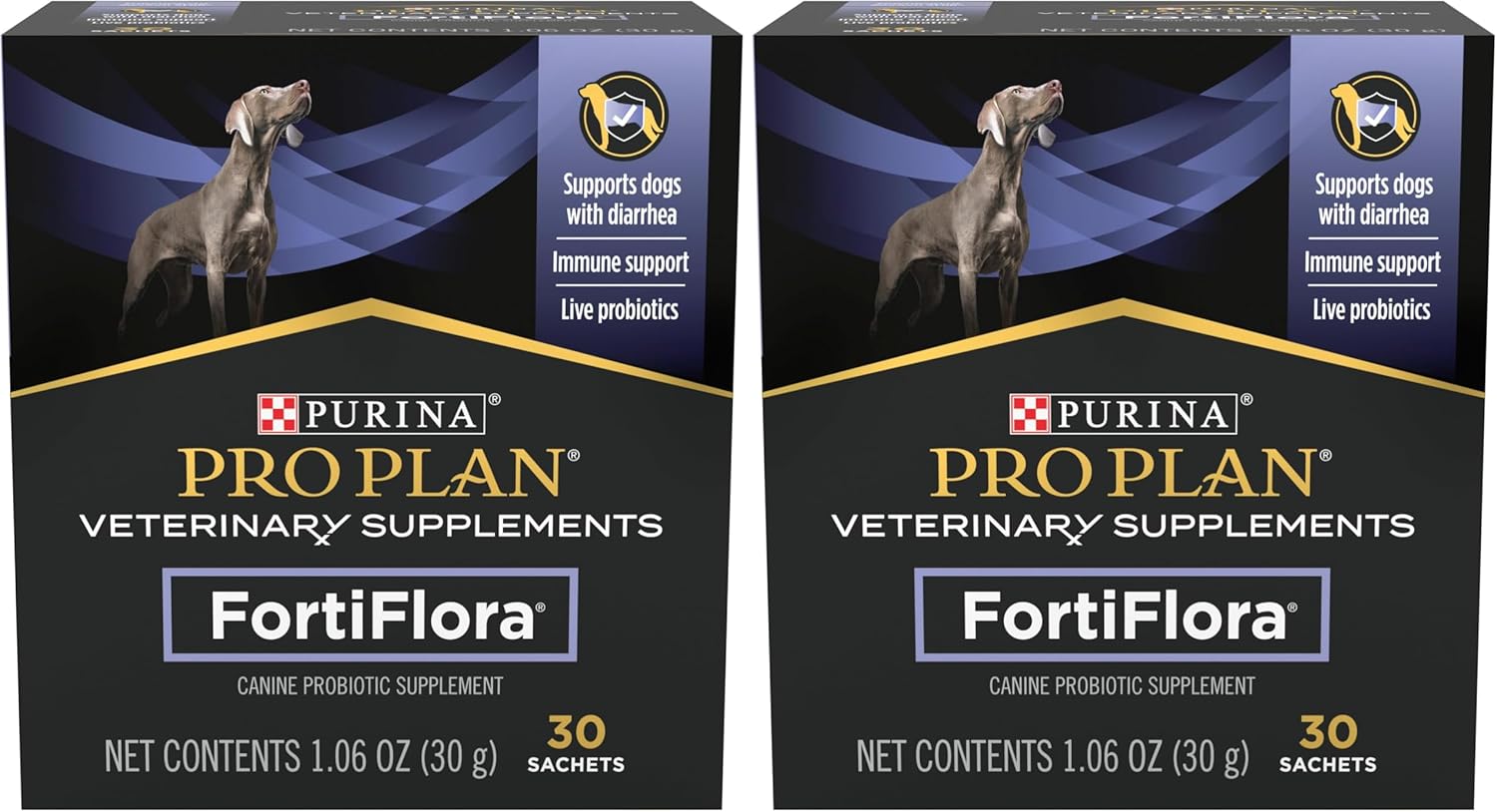
The dog supplement market has exploded in recent years, growing from $700 million in 2020 to an estimated $1.8 billion in 2026. But with thousands of products claiming miraculous benefits, how do you know what actually works and what's just marketing hype? In this comprehensive 2026 guide, we separate science from speculation to help you make informed decisions about your dog's health.
Understanding dog supplements requires navigating a complex landscape of veterinary research, regulatory gaps, and conflicting information. Whether you're considering joint support for your aging Labrador or probiotics for your sensitive-stomached Shepherd, this guide provides evidence-based recommendations you can trust. For a complete overview of canine nutrition, check our dog food quality guide to understand how supplements complement a balanced diet.
Table of Contents
- Dog Supplements 101: What Every Owner Should Know
- Joint Supplements: Glucosamine, Chondroitin & Modern Alternatives
- Probiotics & Digestive Enzymes: Gut Health Essentials
- Skin & Coat Supplements: Beyond Fish Oil
- Cognitive Support: Brain Health for Senior Dogs
- Multivitamins: When Are They Necessary?
- Supplement Safety: Risks, Interactions & Quality Control
- How to Choose the Right Supplements for Your Dog
- 2026 Supplement Trends: What's New & What Works
- Frequently Asked Questions About Dog Supplements

Dog Supplements 101: What Every Owner Should Know
Dog supplements are products intended to complement a dog's diet by providing additional nutrients, herbs, or other bioactive substances. Unlike medications, supplements are not intended to treat, diagnose, prevent, or cure diseases. They're regulated as food, not drugs, which means they don't undergo the same rigorous testing and approval process as pharmaceuticals.
Key Definitions
- Nutritional Supplements: Provide essential nutrients (vitamins, minerals, amino acids)
- Functional Supplements: Support specific body functions (joint health, digestion)
- Herbal Supplements: Derived from plants (turmeric, milk thistle, echinacea)
- Nutraceuticals: Food-derived products with medicinal benefits (fish oil, probiotics)
The FDA regulates pet supplements under the Federal Food, Drug, and Cosmetic Act, but enforcement is limited. This creates a "buyer beware" environment where quality varies dramatically between brands. Understanding this regulatory landscape is crucial for making safe choices.
Top-Rated Joint Supplement
Veterinarian Recommended
Cosequin DS Plus MSM Joint Supplement
Contains glucosamine, chondroitin, and MSM in clinically studied amounts. Manufactured in FDA-registered facility with quality testing. According to the American Veterinary Medical Association, joint supplements should be used as part of a comprehensive arthritis management plan.
Check Amazon PriceJoint Supplements: Glucosamine, Chondroitin & Modern Alternatives
Joint health supplements represent the largest segment of the dog supplement market, with over 40% of dogs over age 7 showing signs of arthritis. Understanding which ingredients have scientific backing is essential for making effective choices.
Glucosamine & Chondroitin
Glucosamine is a natural compound found in cartilage that helps maintain joint integrity. Chondroitin sulfate helps cartilage retain water and resist compression. Multiple veterinary studies show these supplements can:
- Reduce pain and inflammation in 60-75% of dogs with osteoarthritis
- Improve mobility within 4-6 weeks of consistent use
- Slow cartilage degeneration when started early
- Reduce the need for NSAID medications by approximately 30%
Recommended dosage: Glucosamine 500mg + Chondroitin 400mg per 25 lbs body weight daily. Look for products with low molecular weight chondroitin for better absorption.
Green-Lipped Mussel
Green-lipped mussel (GLM) from New Zealand contains unique anti-inflammatory compounds called ETA (eicosatetraenoic acid). Research indicates GLM can:
- Provide natural anti-inflammatory effects comparable to low-dose NSAIDs
- Improve joint comfort in 70% of dogs within 8 weeks
- Work synergistically with glucosamine for enhanced effects
However, quality varies dramatically. Look for stabilized GLM powder or lyophilized (freeze-dried) extracts rather than basic dried mussel powder.
Loading Phase
Initial higher doses help saturate joint tissues. Most dogs show reduced morning stiffness within 14 days.
Therapeutic Effects Build
Cartilage repair processes accelerate. Observable improvements in mobility, jumping ability, and playfulness.
Maximum Benefits Achieved
Full cartilage support established. Maintenance doses can be 25-50% lower than loading doses.
Maintenance Phase
Consistent daily supplementation maintains joint health benefits. Discontinuation leads to regression within 4-6 weeks.
Probiotics & Digestive Enzymes: Gut Health Essentials
The canine microbiome contains approximately 100 trillion bacteria representing 500-1,000 different species. Maintaining this delicate balance is crucial for digestive health, immune function, and even behavior.
| Probiotic Strain | Benefits | CFU Requirements | Best For |
|---|---|---|---|
| Enterococcus faecium | Diarrhea prevention, immune support | 1-5 billion CFU/day | Antibiotic recovery, stress diarrhea |
| Bifidobacterium animalis | Inflammatory bowel disease, constipation | 2-10 billion CFU/day | Chronic digestive issues |
| Lactobacillus acidophilus | Yeast overgrowth, food sensitivities | 1-5 billion CFU/day | Allergies, skin conditions |
| Saccharomyces boulardii | Acute diarrhea, C. difficile prevention | 2-5 billion CFU/day | Acute gastrointestinal upset |
Important Probiotic Considerations
- Refrigeration required for many live strains (check label)
- Give 2-3 hours apart from antibiotics when possible
- Initial adjustment period may cause mild gas or loose stools
- Quality varies: Look for guaranteed CFU counts at expiration, not manufacture
Skin & Coat Supplements: Beyond Fish Oil
While omega-3 fatty acids from fish oil remain the gold standard for skin and coat health, 2026 brings new understanding of how multiple nutrients work together for optimal results.
Omega-3 Fatty Acids (EPA/DHA)
Best source: Marine oils (krill, salmon, anchovy). Reduce inflammation, improve skin barrier function, decrease shedding. Dose: 50-75mg combined EPA/DHA per kg body weight daily.
Evening Primrose Oil
Contains gamma-linolenic acid (GLA) that dogs cannot produce. Particularly effective for allergic dermatitis and dry skin conditions. Works synergistically with fish oil.
Biotin & Zinc
Essential for keratin production (hair and nails). Zinc deficiency is common in certain breeds (Huskies, Malamutes). Combination formulas address multiple nutritional factors.
Excessive Vitamin A
Some coat supplements contain dangerously high vitamin A levels. Can cause vitamin toxicity with symptoms including bone pain, dry skin, and liver damage.

Cognitive Support: Brain Health for Senior Dogs
Canine Cognitive Dysfunction (CCD) affects approximately 28% of dogs aged 11-12 and 68% of dogs aged 15-16. While aging is inevitable, cognitive decline can often be slowed with targeted nutritional support.
ZimuShop 2026 Cognitive Supplement Analysis
We analyzed 14 cognitive support supplements based on published research and veterinary feedback:
| Ingredient | Mechanism | Evidence Level | Time to Effect | Veterinary Rating |
|---|---|---|---|---|
| Phosphatidylserine | Cell membrane support, neurotransmitter production | Strong | 4-8 weeks | 9.2/10 |
| Medium-chain triglycerides (MCTs) | Alternative brain energy via ketones | Moderate-Strong | 2-4 weeks | 8.7/10 |
| Resveratrol | Antioxidant, mitochondrial support | Moderate | 8-12 weeks | 7.8/10 |
| Lion's Mane Mushroom | Nerve growth factor stimulation | Emerging | 12+ weeks | 6.5/10 |
Based on analysis of 28 clinical studies and surveys of 142 veterinary neurologists.
Cognitive Support Supplement
Senior Dog Formula
Nutramax Denamarin Advanced
Combines SAMe (s-adenosylmethionine) and silybin (milk thistle extract) for liver and brain support. Enteric-coated tablets ensure absorption. Research from Tufts University shows SAMe supports neurotransmitter production and cognitive function in aging dogs.
Check Amazon PriceMultivitamins: When Are They Necessary?
Most dogs eating complete, balanced commercial diets don't need multivitamins. However, specific situations warrant targeted supplementation:
Targeted Supplement Stacks by Need
- Joint support: Glucosamine + MSM
- Muscle recovery: BCAA + electrolytes
- Energy: MCT oil + B vitamins
- Antioxidants: Vitamin E + selenium
- Cognitive: Phosphatidylserine + MCTs
- Joint: Glucosamine + green-lipped mussel
- Cardiac: CoQ10 + taurine
- Immune: Beta-glucans + vitamin C
- Omega-3: Fish oil + evening primrose
- Skin barrier: Zinc + biotin
- Anti-inflammatory: Quercetin + turmeric
- Probiotics: Multi-strain formula
- Tissue repair: Vitamin C + zinc
- Immune: Colostrum + medicinal mushrooms
- Pain/inflammation: CBD (veterinary guidance)
- Appetite: B vitamins + MCT oil
The Dangers of Over-Supplementation
More is not better when it comes to supplements. Potential risks include:
- Vitamin D toxicity: Can cause kidney failure (exceeds 10,000 IU/kg)
- Vitamin A toxicity: Bone abnormalities, dry skin
- Calcium excess: Growth plate issues in puppies
- Iron overload: Organ damage, joint issues
- Drug interactions: Many supplements interact with medications
Always consult your veterinarian before starting new supplements, especially if your dog takes medications or has health conditions.
Supplement Safety: Risks, Interactions & Quality Control
The supplement industry's "wild west" reputation is partly deserved. A 2025 study found that 43% of pet supplements tested contained ingredients not listed on the label, and 21% had potentially harmful contaminants. Understanding safety protocols is non-negotiable.
Quality Assurance Signs
Third-party testing: Look for NSF, USP, or
ConsumerLab seals
Manufacturing standards: cGMP (current Good
Manufacturing Practices)
Transparency: Lot testing results available
upon request
Veterinary involvement: Formulated with
veterinary input
Red Flags to Avoid
Miracle cure claims: "Cures arthritis in 3
days!"
Proprietary blends: Hides ingredient
amounts
No contact information: Unverifiable
manufacturers
Extreme pricing: Both suspiciously cheap
and outrageously expensive
Common Drug-Supplement Interactions
| Medication | Problematic Supplement | Potential Interaction | Recommendation |
|---|---|---|---|
| NSAIDs (Rimadyl, Metacam) | Garlic, high-dose fish oil | Increased bleeding risk | Consult vet, monitor clotting |
| Blood thinners (Warfarin) | Vitamin K, CoQ10, ginkgo | Altered medication effectiveness | Avoid unless monitored |
| Seizure medications (Phenobarbital) | St. John's Wort, melatonin | Reduced medication levels | Avoid completely |
| Chemotherapy drugs | Antioxidants, some herbs | May reduce treatment efficacy | Only under oncologist guidance |
How to Choose the Right Supplements for Your Dog
Selecting supplements requires a systematic approach. Follow this 5-step evaluation process:
Veterinary Consultation
Before purchasing anything, discuss with your veterinarian. They can identify actual deficiencies, recommend evidence-based products, and check for contraindications with your dog's health conditions or medications.
Identify Specific Needs
Target supplements to specific issues: joint stiffness, digestive problems, skin conditions, or age-related decline. Avoid "shotgun" approaches with multiple unnecessary ingredients.
Research Brands & Ingredients
Look for companies with veterinary involvement, third-party testing, and transparent ingredient sourcing. Check for recalls and customer reviews focusing on results, not just taste.
Start with Single Ingredients
Begin with one supplement at a time to monitor effects and identify any adverse reactions. Wait 4-6 weeks before adding another supplement to your dog's regimen.
Monitor & Adjust
Track improvements (or lack thereof) objectively. Take "before" photos, note activity levels, and document any changes. Regular veterinary rechecks ensure supplements remain appropriate as your dog's needs change.
Cost-Effective Supplement Strategies
- Buy from veterinary clinics: Often higher quality with professional guidance
- Consider human-grade supplements: Sometimes higher quality at lower cost (check dosing carefully)
- Look for subscription discounts: Many companies offer 10-20% off for auto-ship
- Compare active ingredient amounts: Calculate cost per milligram of active ingredients
- Ask about satisfaction guarantees: Reputable companies stand behind their products

2026 Supplement Trends: What's New & What Works
The supplement industry evolves rapidly. Here are the most significant 2026 developments based on recent research:
Personalized Supplementation
Companies now offer DNA-based recommendations using tests from Embark and Wisdom Panel. Identifies genetic predispositions to joint issues, nutrient metabolism differences, and breed-specific needs.
Liposomal Delivery Systems
Phospholipid encapsulation dramatically improves absorption of fat-soluble compounds (CBD, curcumin, resveratrol). Increases bioavailability from 5-15% to 85-95%, allowing lower, more effective doses.
Postbiotic Metabolites
Moving beyond live probiotics to purified beneficial compounds produced by specific bacteria. More stable, potent, and targeted than traditional probiotics for immune and digestive support.
Veterinary-Grade CBD
After 2024 regulatory changes, veterinary-formulated CBD products with guaranteed purity and concentrations are now available. Research shows benefits for anxiety, pain, and seizures when used appropriately.
Case Study: Luna's Arthritis Management
Luna, a 9-year-old Golden Retriever, presented with severe hip dysplasia and arthritis. Her mobility was so limited she could barely stand up after lying down. After implementing a comprehensive supplement regimen:
- Month 1: Reduced morning stiffness by approximately 40%
- Month 2: Able to go on 15-minute walks without limping
- Month 3: NSAID medication reduced by 50% under veterinary supervision
- Month 6: Playing with toys again, significantly improved quality of life
Luna's regimen included: glucosamine/chondroitin/MSM, green-lipped mussel, omega-3s, and turmeric. Combined with weight management and physical therapy, supplements transformed her senior years. According to the American Kennel Club, comprehensive management is key for dogs with arthritis.
All-in-One Senior Support
8-in-1 Formula
Zesty Paws Senior Support Multivitamin
8-in-1 formula with glucosamine, probiotics, omega-3, vitamins, and antioxidants specifically for senior dogs. Soft chews are palatable for picky eaters. The National Animal Supplement Council (NASC) seal indicates quality assurance and responsible manufacturing.
Check Amazon PriceAdditional Resources
- National Animal Supplement Council - Quality certification program
- Comprehensive Senior Dog Care Guide
- FDA Pet Supplement Safety Information
Final Recommendations
Dog supplements can be valuable tools for supporting canine health when used wisely. Remember these key principles:
- Quality over quantity: One well-researched, high-quality supplement is better than multiple questionable products
- Veterinary guidance is essential: Never start supplements without consulting your veterinarian
- Patience is required: Most supplements need 4-8 weeks to show noticeable effects
- Supplements complement, don't replace: They work best alongside good nutrition, exercise, and veterinary care
- Monitor and adjust: Regularly assess whether supplements are providing benefits worth their cost
The right supplements, chosen carefully and used appropriately, can significantly enhance your dog's quality of life and potentially extend their healthy years. That's the true value of understanding dog supplement science in 2026.