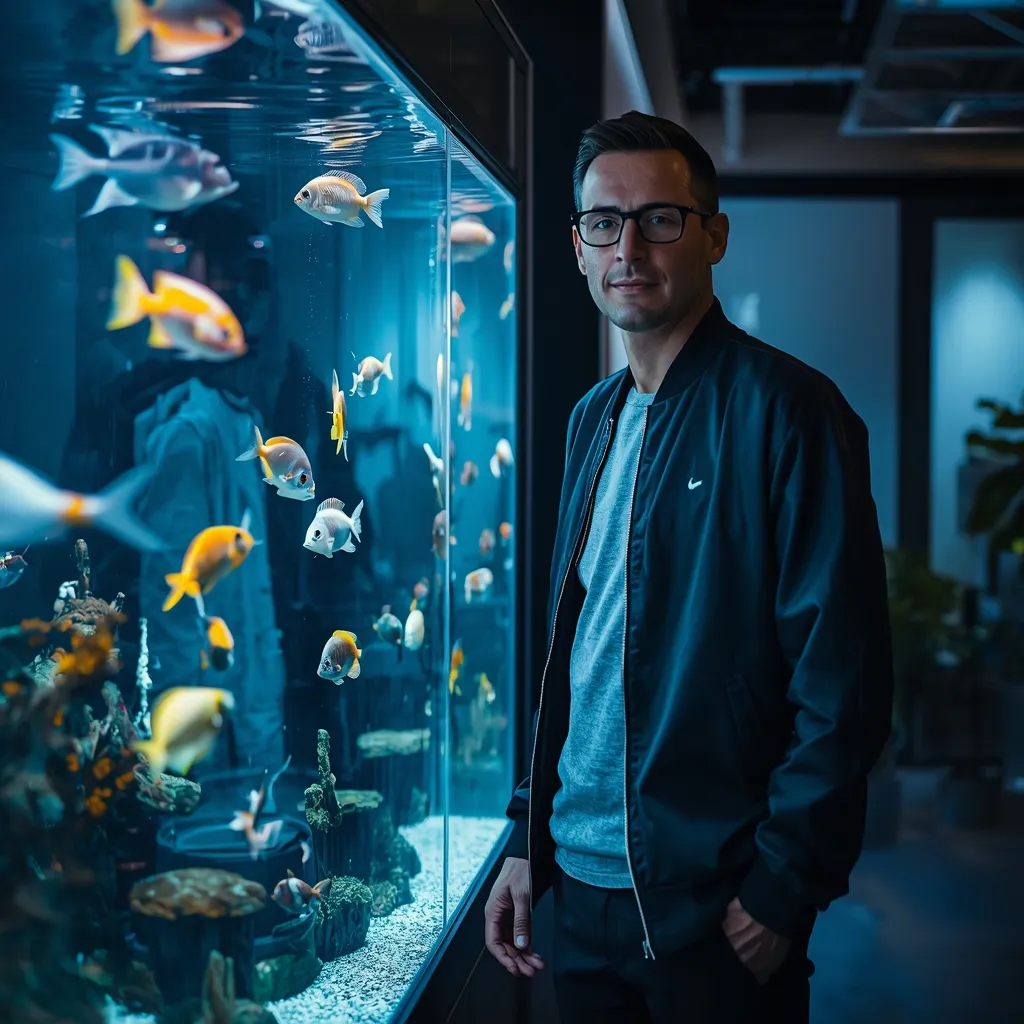
Starting a planted aquarium can seem intimidating, but it doesn't have to be. With the right easy aquarium plants, even complete beginners can create a beautiful underwater garden. In this comprehensive 2026 guide, we'll introduce you to 10 beginner-friendly aquarium plants that are low-maintenance, fast-growing, and nearly impossible to kill.
Aquarium plants offer numerous benefits beyond aesthetics. They oxygenate the water, absorb harmful nitrates, provide shelter for fish, and help control algae growth. Whether you're setting up your first tank or looking to add some greenery to an existing aquarium, these easy-care plants will give you success without the frustration.
Table of Contents

Benefits of Aquarium Plants
Before we dive into specific plant recommendations, let's understand why adding plants to your aquarium is worth the effort:

Natural Water Filtration
Plants absorb nitrates, ammonia, and other waste products, naturally purifying your aquarium water and reducing the frequency of water changes needed.

Fish Health & Happiness
Plants provide shelter, reduce stress for fish, and offer natural grazing surfaces. Many fish species feel more secure in planted environments.

Algae Control
By competing for nutrients and light, healthy plants naturally suppress algae growth, keeping your tank cleaner with less maintenance.

Aesthetic Beauty
Plants transform your aquarium into a living underwater garden, creating natural-looking habitats that are visually stunning and relaxing to watch.
Beginner Tip
Start with just 2-3 different plant species for your first planted tank. This makes maintenance easier and helps you learn each plant's needs before expanding your collection. For more aquarium setup advice, check out our complete beginner aquarium setup guide.
10 Easy Aquarium Plant Profiles
Now let's explore the 10 best aquarium plants for beginners. These plants have been selected based on their hardiness, low light requirements, and minimal care needs. All are readily available at most aquarium stores and online retailers.
Java Fern
Beginner Favorite
Java Fern (Microsorum pteropus)
One of the easiest aquarium plants available. Grows in low to moderate light and doesn't require substrate planting. Attach to driftwood or rocks using fishing line or super glue. Tolerant of a wide range of water conditions.
Anubias
Anubias barteri and its varieties are incredibly hardy plants that thrive in low-light conditions. Like Java Fern, they should be attached to hardscape rather than planted in substrate. Their thick, dark green leaves are resistant to most plant-eating fish.
Java Moss
Taxiphyllum barbieri is a versatile moss that grows in virtually any condition. It can be attached to surfaces to create moss walls or trees, or left floating. Provides excellent hiding places for fry and shrimp.
Hornwort
Ceratophyllum demersum is a fast-growing stem plant that can be planted or left floating. It absorbs excess nutrients rapidly, helping control algae. Sheds needles when stressed but quickly recovers.
Amazon Sword
Echinodorus grisebachii is a classic aquarium plant with large, attractive leaves. Requires planting in substrate but otherwise undemanding. Root tabs help this heavy feeder thrive.
Cryptocoryne
Low Light Specialist
Aquarium Plastic Plants, Driftwood Betta Silk Plants
Feature - Plastic plants for betta fish add color to your fish tank and provide a place for your fish and reptile pets to hide and entertainment, giving them a natural and comfortable habitat.
Vallisneria
Vallisneria spiralis and other vallisneria species are grass-like plants that send out runners to create dense stands. Excellent for background planting and provides great cover for fish. Grows well in moderate light.
Water Wisteria
Hygrophila difformis is a fast-growing stem plant with beautiful, lace-like leaves. Can be planted or floated. Helps control algae by consuming excess nutrients. Requires occasional trimming to prevent overgrowth.
Duckweed
Lemna minor is a floating plant that multiplies rapidly. Provides shade, absorbs nitrates, and offers hiding places for fish. Warning: Can quickly cover the entire water surface if not controlled.
Marimo Moss Ball
Aegagropila linnaei is actually a rare form of algae that grows into a ball shape. Requires almost no care just occasional rolling to maintain shape. Helps absorb nitrates and provides surface for beneficial bacteria.

Beginner's Planted Tank Setup Guide
Setting up your first planted aquarium doesn't require expensive equipment or complex techniques. Follow this simple 4-week timeline for success:
Choose Your Plants and Equipment
Select 2-3 easy plant species from our list. Get a suitable substrate (gravel or sand works fine for beginners), basic LED lighting (6-8 hours daily), and a liquid fertilizer for low-tech tanks. Avoid CO2 systems initially.
Plant Your Tank and Start the Nitrogen Cycle
Rinse plants to remove pests. Plant according to each species' needs some in substrate, others attached to hardscape. Begin fishless cycling with ammonia source. Test water parameters regularly.
Monitor Plant Adjustment
Some plants may melt initially as they adapt. Remove dead leaves but leave healthy roots. Continue regular water testing. Begin adding liquid fertilizer according to package instructions once plants show new growth.
Establish Care Routine and Add Fish
Once tank is fully cycled (0 ammonia, 0 nitrites), add fish gradually. Begin weekly 25% water changes. Trim overgrown plants. Monitor plant health and adjust lighting/fertilization as needed.
Pro Tip: The "Walstad Method" for Beginners
Consider trying the Walstad method a natural approach using soil under gravel cap instead of fertilizers. This low-tech method works exceptionally well with easy plants like Java Fern, Anubias, and Amazon Swords.
Essential Plant Care Tips
Keep your aquarium plants thriving with these simple care guidelines:

Lighting
Most easy plants need 6-8 hours of moderate light daily. Use a timer for consistency. Avoid direct sunlight to prevent algae outbreaks. Check Amazon

Nutrients
Use liquid fertilizer weekly or root tabs for heavy feeders like Amazon Swords. Start with half the recommended dose and adjust based on plant growth. Check Amazon

Maintenance
Trim overgrown plants regularly. Remove dead or melting leaves promptly. Perform weekly 25% water changes to replenish minerals and remove waste.

Algae Control
Healthy plants are your best defense against algae. Maintain proper lighting duration, avoid overfeeding fish, and manually remove algae when spotted. Check Amazon
Common Beginner Mistakes to Avoid
- Planting too deep: Burying the crown (where leaves meet roots) can cause rot
- Too much light: Excessive lighting causes algae without CO2 injection
- Moving plants frequently: Plants need time to establish; constant repositioning stresses them
- Ignoring melting: Some plants naturally melt when adapting to new conditions; be patient
- Using wrong fertilizers: Match fertilizer type to your plants' needs (liquid vs root tabs)
Quick Comparison: Top 5 Easiest Plants
| Plant | Light Requirement | Planting Method | Growth Rate | Best For |
|---|---|---|---|---|
| Java Fern | Low | Attach to hardscape | Slow | Complete beginners |
| Anubias | Low | Attach to hardscape | Slow | Low light tanks |
| Java Moss | Low to Moderate | Attach or float | Medium | Shrimp tanks, fry hiding |
| Hornwort | Low to High | Float or plant | Fast | Nutrient absorption |
| Amazon Sword | Moderate | Plant in substrate | Medium | Centerpiece plant |
Beginner Plant Package
Complete Starter Set
Beginner Aquarium Plant Collection
Complete starter set includes 5 beginner-friendly plants: Java Fern, Anubias nana, Java Moss, Amazon Sword, and Cryptocoryne wendtii. Perfect for starting a 10-20 gallon planted tank. Each plant comes with planting instructions.
Additional Resources
Final Thoughts for Beginners
Starting with easy aquarium plants sets you up for success and builds confidence. Remember that plants are living organisms that need time to adapt. Some initial melting or adjustment period is normal. Focus on providing stable conditions rather than perfection.
The beauty of planted aquariums develops over months, not days. As your plants grow and fill in, you'll be rewarded with a thriving underwater ecosystem that's both beautiful and beneficial for your fish.
Start small, be patient, and enjoy the journey into the fascinating world of aquarium plants. Your fish will thank you, and you'll discover a relaxing, rewarding hobby that brings nature into your home.