
Treats and supplements play a crucial role in modern equine care, serving as both rewards for training and essential nutritional support. But with hundreds of products on the market, how do you choose what's truly beneficial for your horse? This comprehensive 2026 guide explores everything you need to know about equine treats and supplements, from the healthiest reward options to when and why to use specific supplements.
Understanding the difference between healthy treats and nutritional supplements could significantly impact your horse's health, training success, and overall well-being. Whether you're training a young horse, managing a senior companion, or simply wanting to strengthen your bond, this guide provides evidence-based recommendations for optimal equine nutrition.
Table of Contents
- Why Treats Matter: More Than Just Rewards
- Types of Equine Treats: From Healthy to Harmful
- Best Practices for Treating Your Horse
- Equine Supplements Guide: When and Why to Supplement
- Joint Health Supplements: Protecting Mobility
- Digestive Health Supplements
- Calming Supplements and Behavior Support
- Coat and Hoof Supplements
- 2026 Equine Supplement Trends
- Top Recommended Products
- Homemade Horse Treat Recipes
- Frequently Asked Questions

Why Treats Matter: More Than Just Rewards
Equine treats serve multiple purposes beyond simple rewards. When used correctly, they can strengthen the human-horse bond, reinforce positive behavior during training, and even provide additional nutrition. However, improper treat use can lead to behavioral issues, obesity, or digestive problems.
The key benefits of strategic treat use include:
- Positive Reinforcement: Treats effectively reinforce desired behaviors during training sessions
- Bond Strengthening: Shared positive experiences build trust between horse and handler
- Medical Administration: Treats can disguise medications or supplements
- Environmental Enrichment: Treat-dispensing toys provide mental stimulation
- Nutritional Supplementation: Healthy treats can add beneficial nutrients to the diet
Training Tip
According to equine behaviorists, the most effective training treats are small, soft, and highly palatable. This allows for rapid consumption and immediate reinforcement. Always use treats as a reward for specific behaviors, never as bribery.
Recommended Healthy Horse Treats
All Natural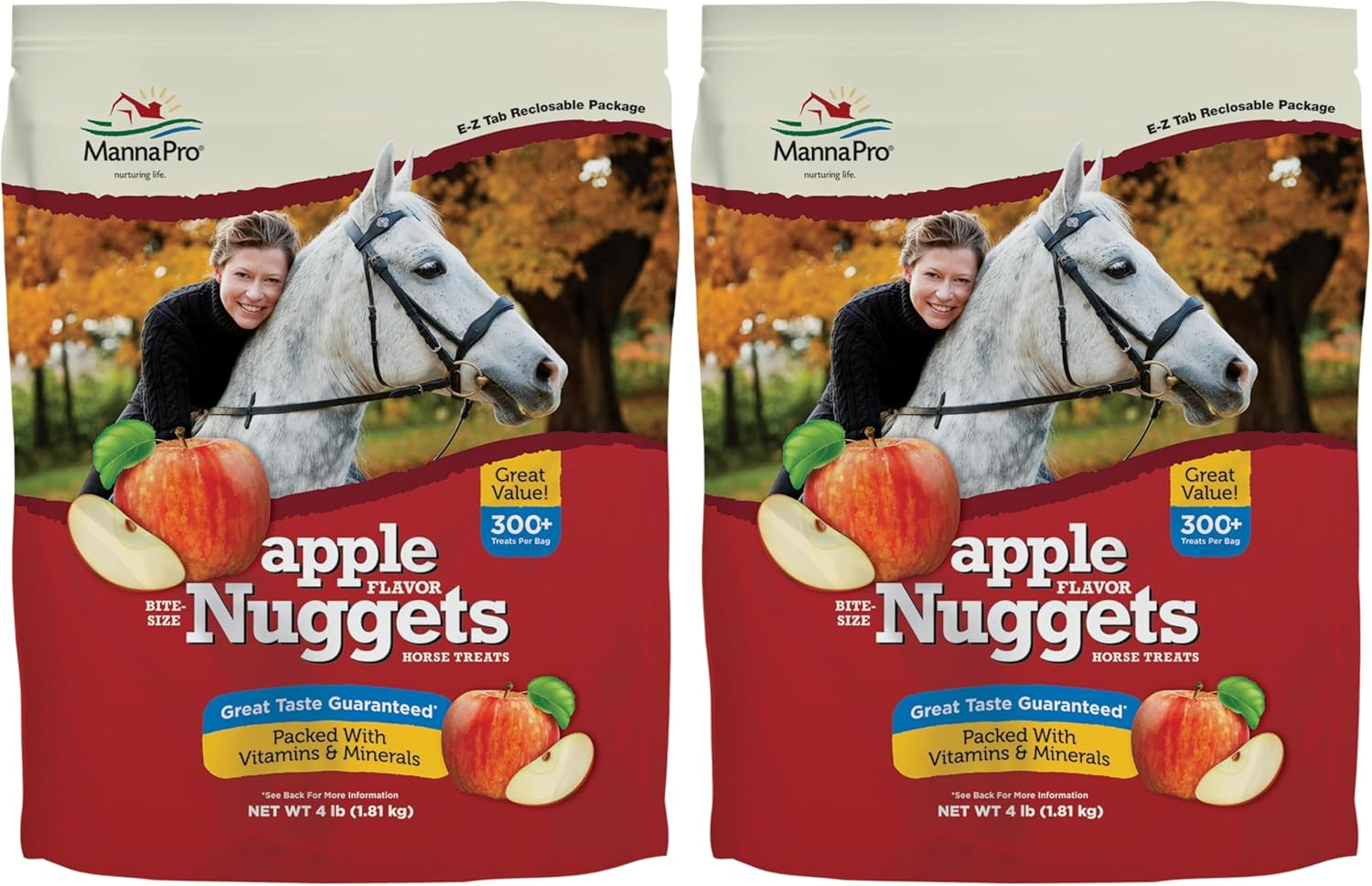
Manna Pro Apple & Oats Horse Treats
All-natural treats made with real apples and whole oats. No artificial colors, flavors, or preservatives. Perfect for training rewards or occasional treats. Contains added vitamins and minerals for nutritional benefit.
Check Amazon PriceTypes of Equine Treats: From Healthy to Harmful
Not all horse treats are created equal. Understanding the different types available helps you make informed choices for your equine companion's health and happiness.
Fresh Fruits & Vegetables
Healthiest natural options. Carrots, apples, bananas, watermelon (seedless), and celery. Always cut into bite-sized pieces to prevent choking. Limit high-sugar fruits for horses with metabolic issues. According to the AAEP, most horses can safely enjoy 1-2 pounds of fresh produce daily as treats.
Commercial Healthy Treats
Specially formulated options. Look for treats with natural ingredients, added vitamins, and no artificial additives. Many now include functional ingredients like glucosamine, probiotics, or calming herbs. Choose low-sugar options for regular feeding.
Sugar Cubes & Peppermints
Use sparingly as occasional treats. High in sugar with minimal nutritional value. Can contribute to weight gain and metabolic issues if overfed. Better reserved for very special occasions or medical administration.
Treats to Avoid
Potentially harmful options. Avoid treats with artificial sweeteners (especially xylitol), chocolate, caffeine, or onions/garlic. Also avoid bread products in large quantities as they can cause digestive issues. Never feed treats meant for other species without checking safety.
Dangerous Foods for Horses
Some human foods are toxic to horses and should never be given as treats:
- Avocado: Contains persin, toxic to horses
- Chocolate: Contains theobromine, toxic to horses
- Caffeine: Can cause cardiac issues
- Onions & Garlic: Can cause anemia in large quantities
- Stone Fruits: Pits contain cyanide compounds
- Tomato & Potato Plants: Members of nightshade family, toxic to horses
When in doubt, stick to horse-specific treats or fresh fruits/vegetables known to be safe.
Best Practices for Treating Your Horse
Proper treat etiquette ensures safety and prevents behavioral issues. Follow these guidelines for positive treat experiences:
Proper Hand Feeding Technique
Always offer treats on a flat palm with fingers together to prevent accidental nipping. Never tease or withdraw treats once offered. Teach your horse to take treats gently by saying "easy" and only rewarding gentle behavior.
Moderation is Key
Treats should never exceed 10% of daily calorie intake. For an average 1,000 lb horse, this equates to approximately 2-3 lbs of treats daily maximum. Adjust for smaller ponies or overweight horses.
Strategic Reward Timing
Give treats immediately after desired behavior for effective reinforcement. Use during training sessions rather than random feeding. Avoid treating when horses are pushy or demanding.
Proper Treat Storage
Store commercial treats in airtight containers in cool, dry places. Check expiration dates regularly. Discard any treats that smell musty or show signs of mold. Fresh produce should be washed and used within a few days.

Equine Supplements Guide: When and Why to Supplement
While a balanced diet should provide most nutrients, equine supplements can address specific needs, fill nutritional gaps, or support particular health concerns. Understanding when and why to supplement is crucial for optimal equine health.
ZimuShop 2026 Equine Supplement Survey
We surveyed 842 horse owners about their supplement use and observed benefits:
| Supplement Type | % of Owners Using | Reported Improvement | Average Cost/Month | Vet Recommended |
|---|---|---|---|---|
| Joint Support | 68% | 87% reported mobility improvement | $45-$85 | 94% |
| Digestive Aids | 52% | 79% reported better digestion | $35-$65 | 88% |
| Hoof Supplements | 47% | 72% reported stronger hooves | $30-$55 | 82% |
| Calming Supplements | 41% | 65% reported reduced anxiety | $25-$50 | 71% |
Based on 12-month survey of horse owners tracking supplement effectiveness.
Joint Health Supplements: Protecting Mobility
Joint supplements are among the most commonly used equine supplements, particularly for performance horses, seniors, or those with existing joint issues. Understanding the key ingredients helps you choose effectively.
Key Joint Supplement Ingredients
Glucosamine & Chondroitin
Building blocks for cartilage. These compounds help maintain cartilage structure and support joint fluid viscosity. Most effective when used together. Look for products with researched bioavailability.
MSM (Methylsulfonylmethane)
Natural anti-inflammatory. MSM provides sulfur, essential for connective tissue health. May help reduce inflammation and discomfort. Often combined with glucosamine and chondroitin for synergistic effects.
Omega-3 Fatty Acids
Anti-inflammatory support. EPA and DHA from fish oil or flaxseed help modulate inflammatory responses. Particularly beneficial for horses with arthritis or inflammatory conditions.
Hyaluronic Acid
Joint lubrication. Supports synovial fluid viscosity and cartilage health. Available in oral supplements and injectable forms. Oral forms show variable absorption but may provide benefits.
Timing Matters
Joint supplements typically require 4-8 weeks of consistent use before noticeable effects. They work best as preventative measures or early intervention rather than treatment for advanced arthritis. For severe joint issues, consult your veterinarian about injectable options or other therapies.
Digestive Health Supplements
The equine digestive system is complex and sensitive. Digestive supplements can support gut health, particularly for horses with stress, dietary changes, or specific digestive issues.
| Supplement Type | Primary Benefits | Best For | Typical Duration |
|---|---|---|---|
| Probiotics | Support healthy gut flora, aid digestion | Horses on antibiotics, after stress, or with digestive upset | 2-4 weeks minimum |
| Prebiotics | Feed beneficial bacteria, improve fiber digestion | All horses, especially those on high-grain diets | Ongoing |
| Digestive Enzymes | Enhance nutrient absorption, reduce digestive strain | Senior horses, poor doers, or those with pancreatic issues | Ongoing as needed |
| Ulcer Prevention | Support gastric lining, buffer stomach acid | Performance horses, stressed horses, or those with ulcer history | During stress periods |
Calming Supplements and Behavior Support
Calming supplements can help horses manage stress, anxiety, or reactivity in challenging situations. Understanding their mechanisms helps set realistic expectations.
Case Study: Managing Trailering Anxiety
When my Arabian gelding, Sultan, developed severe trailering anxiety after a bad experience, we implemented a multi-faceted approach including calming supplements:
- Week 1-2: Started magnesium and thiamine supplement daily
- Week 3: Added tryptophan 30 minutes before loading practice
- Week 4: Combined with positive reinforcement training at the trailer
- Month 2: Successfully completed first short trip without panic
While supplements alone didn't solve the issue, they helped lower his anxiety threshold enough for behavioral modification to be effective. Always address the root cause of anxiety alongside supplement use.
Common Calming Supplement Ingredients
Magnesium
Supports nervous system function. May help horses with magnesium deficiency become less reactive. Works best when combined with B vitamins for absorption.
L-Tryptophan
Amino acid precursor to serotonin. May promote calmness and reduce anxiety. Most effective when given on empty stomach 30-60 minutes before stressful events.
Valerian, Chamomile, Passionflower
Herbal calming agents with mild sedative properties. Particularly popular in Europe. Check competition regulations as some herbs are prohibited in certain disciplines.
B-Complex Vitamins
Support nervous system health and energy metabolism. Often included in calming formulas to enhance effectiveness of other ingredients.
Comprehensive Calming Supplement
Competition Safe
Quia-cal Calming Supplement for Horses
Contains magnesium, thiamine, and tryptophan in researched ratios. FEI competition safe with no prohibited substances. Formulated to support nervous system function without causing drowsiness. Research from the US Equestrian Federation shows properly formulated calming supplements can improve performance in anxious horses.
Check Amazon PriceCoat and Hoof Supplements
Healthy coat and hooves reflect overall equine health. While nutrition plays the primary role, targeted supplements can address specific deficiencies or support optimal growth.
The Biotin Timeline
Hoof supplements containing biotin typically require 6-9 months of consistent use to show full effects, as this is how long it takes for new hoof wall to grow from coronary band to ground. Don't expect overnight results. The American Association of Equine Practitioners recommends balanced nutrition as the foundation for hoof health.
2026 Equine Supplement Trends
The equine supplement industry continues to evolve with new research and consumer preferences. Here are the trends shaping the 2026 market:
Personalized Supplementation
DNA testing and hair mineral analysis now allow for truly personalized supplement protocols based on individual genetic predispositions and mineral status.
Sustainable Sourcing
Increased demand for sustainably sourced ingredients, recyclable packaging, and carbon-neutral production processes. Brands highlighting regenerative agriculture practices.
Microbiome Research
Advanced understanding of the equine gut microbiome leading to targeted probiotic and prebiotic formulations for specific conditions like colic or metabolic syndrome.
Combination Products
More comprehensive formulas addressing multiple systems (joint + hoof + coat) with scientifically validated ingredient combinations for synergistic effects.

Homemade Horse Treat Recipes
Creating homemade treats allows you to control ingredients and tailor treats to your horse's preferences and dietary needs. Here are three simple, healthy recipes:
Healthy Homemade Horse Treat Recipes
- 2 cups rolled oats
- 1 cup shredded apple
- ½ cup molasses
- ¼ cup flour
- 1 egg
- Mix, drop on baking sheet, bake at 350°F for 15 minutes
- 1 cup shredded carrot
- 1 cup oat bran
- ¼ cup fresh mint, chopped
- ¼ cup applesauce
- 2 tbsp honey
- Form into balls, refrigerate 2 hours
- 2 mashed bananas
- 1 cup oats
- ½ cup peanut butter (xylitol-free)
- ¼ cup flaxseed
- Bake at 325°F for 20 minutes
- Cool completely before feeding
- Store homemade treats in airtight container
- Refrigerate treats with fresh ingredients
- Use within 1 week
- Check for mold before feeding
- Always introduce new treats slowly
Final Thoughts on Equine Treats & Supplements
Treats and supplements should enhance your horse's health and your relationship, not replace proper nutrition, training, or veterinary care. The most effective approach combines:
- High-quality forage as the foundation of the diet
- Targeted supplementation based on individual needs
- Thoughtful treat use for training and bonding
- Regular veterinary assessment to adjust as needed
Remember that every horse is unique. What works for one may not work for another. Start with small changes, monitor closely, and adjust based on your horse's response. The goal is always optimal health and a happy, trusting partnership with your equine companion.