Fish diseases are an unfortunate reality for aquarium owners, but with proper knowledge and care, most can be prevented or successfully treated. In this comprehensive 2026 guide, we will explore the most common fish diseases, their symptoms, causes, and effective treatment options for both freshwater and saltwater aquariums.
Understanding fish diseases is crucial for maintaining a healthy aquarium ecosystem. Early detection and proper treatment can save your fish's life and prevent disease spread throughout your tank. Whether you are a beginner or experienced aquarist, this guide provides up-to-date information on disease prevention and treatment protocols.
Table of Contents

Understanding Fish Diseases: Causes & Prevention
Fish diseases typically result from three main factors: poor water quality, stress, and pathogens. Understanding these underlying causes is the first step in prevention and treatment.
Key Prevention Principle
The most effective disease prevention is maintaining excellent water quality. Regular water testing, proper filtration, and consistent maintenance prevent 80% of common fish diseases.
Primary Causes of Fish Diseases
Poor Water Quality
Primary CauseHigh ammonia, nitrite, nitrate, incorrect pH, or temperature fluctuations stress fish and compromise their immune systems.
- Ammonia/nitrite spikes
- pH instability
- Temperature fluctuations
Stress Factors
Contributing FactorOvercrowding, aggression, improper diet, or sudden environmental changes weaken fish immune responses.
- Aggressive tank mates
- Insufficient hiding spaces
- Improper nutrition
Pathogen Introduction
Direct CauseBacteria, parasites, fungi, or viruses introduced via new fish, plants, decorations, or contaminated equipment.
- New additions without quarantine
- Contaminated equipment
- Infected live food
Essential Water Testing
Editor's Choice
API Freshwater Master Test Kit
Comprehensive water testing kit measures pH, high range pH, ammonia, nitrite, and nitrate. Essential for maintaining optimal water quality and preventing disease outbreaks.
Check Amazon Price15 Most Common Fish Diseases
Knowing how to identify common fish diseases is essential for timely treatment. Here are the most frequently encountered conditions in home aquariums:
1. Ich (White Spot Disease)
Cause: Parasitic protozoan Ichthyophthirius
multifiliis
Symptoms: White salt-like spots on body and
fins, flashing/rubbing against objects, rapid breathing,
lethargy
Severity: High if untreated, Medium with
treatment
Important Ich Note
Ich has a lifecycle that includes a free-swimming stage. Treatment must continue for 10-14 days to eliminate all parasites. Raising temperature to 82-86°F (27-30°C) can accelerate the lifecycle, making medication more effective.
2. Fin Rot & Tail Rot
Cause: Bacterial infection (often Aeromonas,
Pseudomonas, or Vibrio)
Symptoms: Frayed, disintegrating fins, white
edges on fins, redness/inflammation at fin base
Severity: Low to Medium (can progress if
untreated)
3. Velvet Disease (Gold Dust Disease)
Cause: Parasitic dinoflagellate Piscinoodinium
pillulare
Symptoms: Fine yellowish-gold dust on skin,
flashing, labored breathing, lethargy
Severity: High (rapidly fatal if untreated)
4. Dropsy
Cause: Bacterial infection causing kidney
failure, often Aeromonas
Symptoms: Swollen abdomen, raised scales
(pinecone appearance), lethargy, loss of appetite
Severity: Critical (often fatal even with
treatment)
5. Swim Bladder Disease
Cause: Various (constipation, infection,
physical injury, genetic)
Symptoms: Difficulty maintaining buoyancy,
floating upside down or sideways, sinking
Severity: Variable (often treatable if caught
early)
Quick Diagnosis Tip
Take clear photos of sick fish from multiple angles. Compare with online disease databases or consult aquarium forums. Many diseases have similar symptoms, so accurate identification is crucial for proper treatment.

Other Common Fish Diseases
| Disease | Type | Primary Symptoms | Treatment Difficulty |
|---|---|---|---|
| Popeye | Bacterial | Swollen, protruding eyes | Medium |
| Columnaris | Bacterial/Fungal | White patches, mouth fungus | High |
| Hole-in-the-Head | Parasitic/Nutritional | Lesions on head, weight loss | Medium |
| Anchor Worm | Parasitic | Visible worms, inflammation | Low |
| Fish Lice | Parasitic | Visible flat parasites, flashing | Low |
Broad Spectrum Treatment
Multi-Purpose
API General Cure Powder
Treats a wide variety of parasitic diseases including velvet, ich, and internal parasites. Safe for both freshwater and saltwater fish when used as directed.
Check Amazon PriceStep-by-Step Diagnosis Guide
Observe & Document
Watch fish behavior for 15-30 minutes. Note abnormal swimming, breathing, or interaction with tank mates. Take clear photos/videos of symptoms.
Check Water Parameters
Test ammonia, nitrite, nitrate, pH, and temperature. Many disease symptoms mimic water quality issues. Record all readings.
Physical Examination
Look for visible signs: spots, lesions, frayed fins, abnormal growths, cloudy eyes, or bloating. Use a magnifying glass if needed.
Compare Symptoms
Match observed symptoms with disease profiles. Consider disease progression speed and which fish are affected (single vs. multiple).
Determine Treatment
Based on diagnosis, select appropriate treatment. Consider quarantine requirements and medication compatibility with your aquarium type.
Treatment Methods & Medications
Effective treatment depends on accurate diagnosis. Here are the main treatment approaches:
Salt Treatment
Mild Conditions
Best for: Mild parasites, minor fungal
infections, stress reduction
Dosage: 1 tablespoon per 5 gallons (gradual
increase)
Duration: 10-14 days
Note: Not for all fish (avoid with
scaleless species)
Medicated Foods
Internal Issues
Best for: Internal parasites, bacterial
infections
Active Ingredients: Metronidazole,
fenbendazole, antibiotics
Duration: 5-10 days treatment
Note: Fish must be eating for effective
treatment
Water Medications
External & Systemic
Best for: External parasites, fungal
infections, some bacteria
Common Types: Malachite green, formalin,
copper, antibiotics
Duration: Varies by medication
Note: Remove carbon filtration during
treatment
Temperature Adjustment
Parasite Lifecycle
Best for: Ich, velvet (combined with
medication)
Protocol: Increase to 82-86°F (27-30°C)
Duration: 10-14 days
Note: Monitor oxygen levels as temperature
rises
Medication Safety
Always follow medication instructions precisely. Overdosing can harm fish and beneficial bacteria. Remove chemical filtration (carbon) during treatment. Complete full treatment course even if symptoms disappear early. Some medications harm invertebrates, plants, or specific fish species.

Prevention Strategies for 2026
Preventing fish diseases is far easier than treating them. Implement these evidence-based strategies:
1. Water Quality Management
- Weekly testing: Ammonia, nitrite, nitrate, pH, temperature
- Regular water changes: 20-30% weekly for most aquariums
- Proper filtration: Adequate for tank size, regular maintenance
- Stable parameters: Avoid sudden pH/temperature changes
2. Nutrition & Diet
- Varied diet: High-quality pellets/flakes supplemented with frozen/live foods
- Proper feeding: Small amounts 1-2 times daily, no overfeeding
- Vitamin supplementation: Occasional vitamin-enriched foods
- Fasting day: One day per week for digestive health
3. Stress Reduction
- Adequate space: Proper stocking density (1 inch fish per gallon guideline)
- Compatible tank mates: Research compatibility before adding fish
- Hiding places: Plants, caves, decorations for security
- Consistent routine: Regular feeding and maintenance schedule
4. Biosecurity Measures
- Quarantine all new additions: Minimum 4-6 weeks
- Disinfect equipment: Between uses in different tanks
- Avoid cross-contamination: Separate nets, siphons for each tank
- Source carefully: Purchase from reputable suppliers
2026 Quarantine Protocol Update
New research shows extended quarantine periods significantly reduce disease introduction. The updated 2026 protocol recommends:
- Minimum duration: 6 weeks for all new fish
- Prophylactic treatment: Broad-spectrum medication during weeks 2-3
- Observation period: 2 weeks medication-free at end
- Separate equipment: Dedicated net, siphon, bucket for quarantine tank
While time-consuming, proper quarantine prevents 95% of disease outbreaks in established aquariums.
Quarantine Tank Setup
Prevention Essential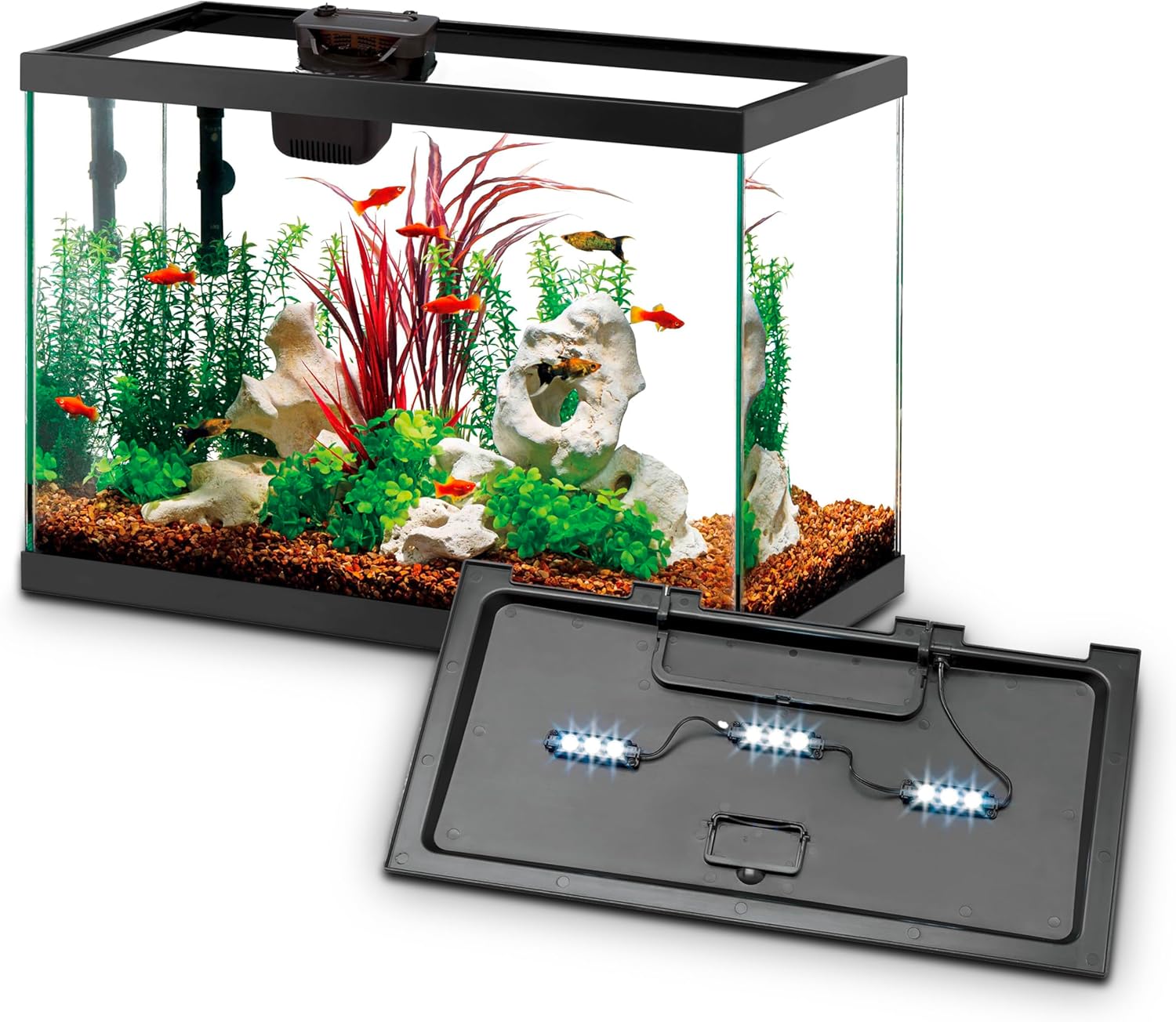
10 Gallon Aquarium Starter Kit
Complete setup perfect for quarantine/hospital tank. Includes filter, LED lighting, and thermometer. Having a dedicated quarantine tank is the single most effective disease prevention measure.
Check Amazon PriceEmergency Care for Sick Fish
When you discover sick fish, follow this emergency response protocol:
Isolate if Possible
Move affected fish to quarantine/hospital tank if available. If not, prepare existing tank for treatment.
Test Water & Document
Complete water parameter testing. Take clear photos of symptoms for identification and tracking.
Research & Identify
Compare symptoms with reliable disease databases. Consult online forums or local fish stores if uncertain.
Begin Treatment
Start appropriate treatment. Perform 25% water change before medication if water quality is poor.
Monitor & Adjust
Observe fish response. Test water daily during treatment. Adjust treatment if needed based on progress.
When to Seek Professional Help
Consult a veterinarian or experienced aquarist if: symptoms worsen despite treatment, multiple fish are affected, disease spreads rapidly, or you cannot identify the condition. Some conditions require prescription medications or advanced treatments.
Final Thoughts on Fish Disease Management
Fish diseases are challenging but manageable with proper knowledge and preparation. The key takeaways for 2026 are: prevention through excellent water quality, mandatory quarantine for all new additions, and early intervention when issues arise.
Remember that stress is a major disease contributor. A peaceful, stable environment with proper nutrition is your best defense. Invest in quality equipment, establish consistent routines, and continue learning about your specific fish species' needs.
For more detailed information on specific diseases or treatments, explore our complete aquarium algae guide or water chemistry tutorial.