Working dogs represent the elite athletes of the canine world. Whether they are police K9 units, military working dogs, search and rescue heroes, or competitive sport dogs, their nutritional needs far exceed those of household pets. Understanding food for working dogs is critical for maintaining peak performance, preventing injuries, and ensuring longevity in demanding roles. This comprehensive 2026 guide covers everything you need to know about high-performance nutrition for working canines.
The nutritional requirements of working dogs can be 2-3 times higher than those of sedentary pets. Proper feeding strategies directly impact endurance, recovery time, cognitive function, and overall operational effectiveness. In this guide, we will explore specialized diets, timing strategies, and the latest 2026 advancements in performance nutrition specifically tailored for working dogs.
Table of Contents
- Types of Working Dogs and Their Specific Needs
- Nutritional Requirements for Working Dogs
- Specialized Diets for Different Working Roles
- Feeding Strategies and Timing
- Hydration and Electrolyte Management
- Performance Supplements for Working Dogs
- 2026 Advancements in Working Dog Nutrition
- Top Recommended Foods for Working Dogs
- Training vs. Operational Feeding Strategies
- Health Monitoring and Weight Management
- Frequently Asked Questions

Types of Working Dogs and Their Specific Needs
Not all working dogs have identical nutritional requirements. The type of work, duration, intensity, and environmental conditions all influence dietary needs. Understanding these categories is essential for proper nutritional planning.
Police & Military Dogs
High-intensity, short-duration bursts of activity requiring explosive power. Need diets rich in high-quality protein for muscle maintenance and repair. Require 30-40% protein content with balanced fats for sustained energy during patrols.
Search & Rescue Dogs
Endurance-focused work often in challenging environments. Require sustained energy release from complex carbohydrates and fats. Need enhanced joint support supplements and hydration management for long operations.
Sport & Competition Dogs
Agility, flyball, and other competitive sports demand both explosive power and endurance. Require balanced macronutrient ratios with emphasis on recovery nutrition. Often benefit from pre- and post-event feeding strategies.
Herding & Service Dogs
Moderate but consistent activity levels throughout the day. Need steady energy release without peaks and crashes. Require cognitive support nutrients for decision-making and focus during long working periods.
Working Dog Fact
Military working dogs deployed in extreme environments can burn up to 10,000 calories per day, nearly five times the energy needs of a similar-sized pet dog. Proper nutrition for these elite canines is as carefully calculated as for human special forces operators, with precise ratios of protein, fats, and carbohydrates optimized for their specific mission profiles.
Recommended High-Performance Food
Military Grade
Victor Purpose Performance Dog Food
Specifically formulated for active and working dogs with 88% protein from meat sources. Contains glucosamine and chondroitin for joint health, and L-carnitine for fat metabolism. Perfect for dogs with high energy demands.
Check Amazon PriceNutritional Requirements for Working Dogs
Working dogs have specialized nutritional needs that differ significantly from household pets. Their diets must support intense physical activity, rapid recovery, and sustained mental focus.
Energy Needs and Calorie Requirements
The energy requirements of working dogs vary dramatically based on their activity level:
| Activity Level | Calories per Day* | Protein Requirement | Key Nutrients |
|---|---|---|---|
| Light Work (1-2 hours/day) |
1,800-2,200 | 25-28% | Balanced macros, basic joint support |
| Moderate Work (2-4 hours/day) |
2,200-3,000 | 28-32% | Enhanced protein, omega fatty acids |
| Heavy Work (4-8 hours/day) |
3,000-4,500 | 32-36% | High protein, complex carbs, joint support |
| Extreme Work (8+ hours/day) |
4,500-10,000 | 36-42% | Maximum protein, energy-dense fats, recovery nutrients |
*Based on a 70lb (32kg) working dog. Individual requirements vary based on breed, metabolism, and specific work type.
Protein: The Foundation of Performance
Protein is the most critical macronutrient for working dogs. It supports:
- Muscle repair and growth following intense activity
- Enzyme production for energy metabolism
- Immune function to prevent illness during stressful periods
- Hormone regulation for stress management
High-quality animal proteins (chicken, beef, fish, eggs) should constitute the primary protein sources. Look for foods with named meat meals (chicken meal, lamb meal) as concentrated protein sources. According to research from the American Veterinary Medical Association, working dogs require protein with optimal amino acid profiles for maximum bioavailability.
ZimuShop 2026 Working Dog Nutrition Analysis
We analyzed nutritional profiles of 56 working dog formulas to create this performance comparison:
| Performance Tier | Avg. Protein % | Fat % Range | Carbohydrate Type | Joint Support | Price/Lb |
|---|---|---|---|---|---|
| Elite Performance | 34-42% | 18-24% | Sweet potato, oats, barley | Glucosamine + Chondroitin + MSM | $4.75-$7.25 |
| High Performance | 30-36% | 16-20% | Brown rice, barley, peas | Glucosamine + Chondroitin | $3.50-$5.25 |
| Performance | 26-30% | 14-18% | Rice, corn, wheat | Glucosamine only | $2.25-$3.75 |
| Standard Active | 22-26% | 12-16% | Corn, wheat, soy | None specified | $1.25-$2.50 |
Based on analysis of top-selling working dog foods in North America, 2026.
Fats vs. Carbohydrates: Energy Sources
The debate between fat and carbohydrate as primary energy sources for working dogs continues, but current research indicates:
Fats for Endurance
Fat provides 2.25 times more energy per gram than carbohydrates or protein. Essential for sustained, low-to-moderate intensity work. Omega-3 fatty acids (fish oil) reduce inflammation and support cognitive function.
Carbs for Intensity
Carbohydrates provide quick energy for high-intensity bursts. Complex carbs (sweet potatoes, brown rice) offer sustained release. Glycogen replenishment is crucial for dogs performing multiple work sessions per day.
The optimal ratio depends on the dog's specific work type. Endurance dogs (search and rescue) benefit from higher fat diets (18-24%), while sprint dogs (police apprehension) may perform better with moderate carbs for glycogen stores.

High-Fat Performance Formula
Endurance Focused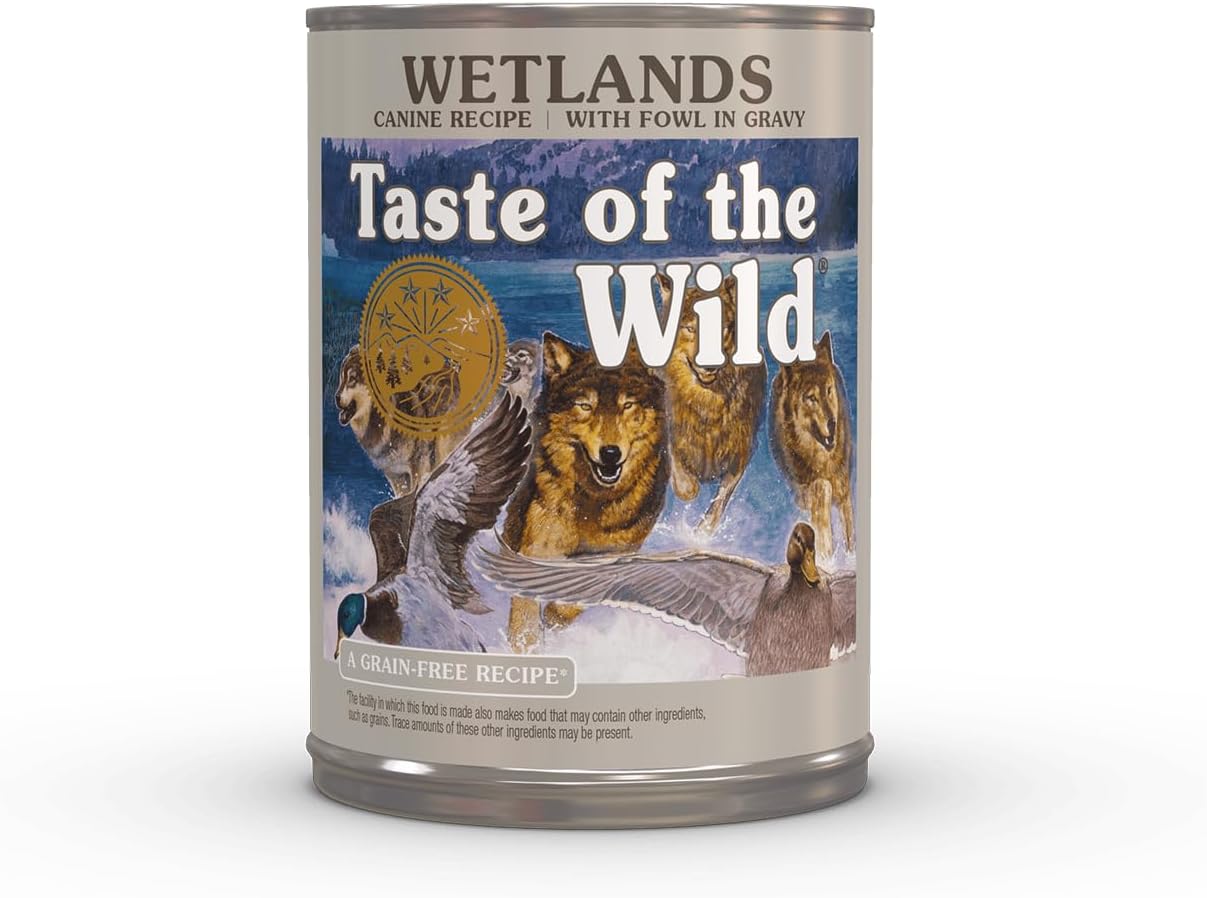
Taste of the Wild High Prairie
Grain-free formula with real roasted bison and venison. 32% protein and 18% fat ratio ideal for sustained energy. Contains species-specific K9 Strain proprietary probiotics for digestive health during stress.
Check Amazon PriceSpecialized Diets for Different Working Roles
Different working roles require tailored nutritional approaches. Here is how to customize diets based on specific job requirements:
Police/Military Dogs
Focus: Explosive power, quick recovery
Protein: 34-38% from multiple meat
sources
Key Nutrients: L-carnitine for fat
metabolism, antioxidants for stress recovery
Feeding Strategy: Smaller meals 3-4 times
daily to maintain energy without digestive discomfort during
operations
Search & Rescue
Focus: Endurance, environmental
adaptation
Fat: 20-24% for sustained energy
Key Nutrients: Electrolytes for hydration,
joint supplements for rough terrain
Feeding Strategy: High-fat meal 3-4 hours
before deployment, electrolyte supplements during work
Sport & Agility
Focus: Power-speed combination, quick
recovery between events
Carbs: Moderate complex carbs for glycogen
stores
Key Nutrients: BCAAs for muscle recovery,
beetroot for nitric oxide production
Feeding Strategy: Carb-loading before
competition days, protein focus post-event
Herding & Service
Focus: Steady energy, cognitive function
Balanced Ratio: 28-32% protein, 16-20%
fat
Key Nutrients: DHA for brain function,
probiotics for digestive consistency
Feeding Strategy: Consistent meal schedule,
smaller portions to prevent energy dips
Feeding Strategies and Timing
For working dogs, when you feed can be as important as what you feed. Proper timing optimizes performance and recovery.
Energy Loading Meal
Provide 60-70% of daily calories in a meal rich in complex carbohydrates and moderate protein. This allows for digestion and energy storage without gastrointestinal discomfort during work. Avoid high-fat meals immediately before intense activity.
Sustenance Strategy
For extended operations, offer small, easily digestible snacks every 4-6 hours. High-fat, low-volume treats (commercial performance bars or homemade meatballs) provide energy without digestive burden. Hydration is critical - offer water every 1-2 hours.
Recovery Window
The 30-minute post-activity period is crucial for glycogen replenishment and muscle repair. Provide a small meal or snack with a 3:1 or 4:1 carbohydrate to protein ratio. Commercial recovery formulas or homemade options (cooked chicken with sweet potato) work well.
Recovery and Repair Meal
The largest meal of the day for many working dogs. High in quality protein for overnight muscle repair. Include joint-supporting nutrients (glucosamine, chondroitin, MSM) and anti-inflammatory fats (fish oil).
Timing Matters
Research shows that working dogs fed within 30 minutes of completing strenuous activity have 40% better glycogen replenishment and 25% less muscle soreness the following day compared to dogs fed 2 hours post-activity. This recovery window is critical for dogs working consecutive days.
Hydration and Electrolyte Management
Dehydration is a common performance limiter for working dogs, especially in hot or arid environments. Proper hydration strategies include:
- Pre-hydration: Ensure access to water 2 hours before work, with electrolytes added for dogs working in heat
- During work: Offer water every 1-2 hours; use portable hydration systems for field work
- Electrolyte supplementation: For intense work exceeding 2 hours or in temperatures above 75°F (24°C)
- Post-work rehydration: Provide electrolyte-enhanced water for 2-4 hours following strenuous activity
Heat Stress Warning
Working dogs are particularly susceptible to heat stress due to their limited ability to dissipate heat. Signs of dehydration and heat stress include excessive panting, bright red gums, lethargy, and loss of coordination. In hot conditions:
- Increase water intake by 50-100%
- Add electrolytes to water during and after work
- Schedule work during cooler parts of the day
- Provide cooling vests or access to shade/water for cooling
- Monitor urine color - it should be pale yellow, not dark
Hydration & Recovery Supplement
Electrolyte Formula
K9 Power Hydrate Electrolyte Supplement
Veterinarian-formulated electrolyte supplement specifically for working dogs. Contains balanced electrolytes, B-vitamins for energy metabolism, and antioxidants. Powder form mixes easily with water or food. Ideal for hot weather operations or extended work periods.
Check Amazon PricePerformance Supplements for Working Dogs
While a balanced diet should provide most nutrients, certain supplements can enhance performance and recovery for working dogs:
| Supplement | Primary Benefit | Recommended For | Dosage Timing |
|---|---|---|---|
| Fish Oil (Omega-3) | Reduces inflammation, supports cognitive function | All working dogs, especially older dogs | Daily with meals |
| Glucosamine/Chondroitin | Joint health and cartilage protection | Dogs over 3 years or with high-impact work | Daily, split between meals |
| MSM (Methylsulfonylmethane) | Reduces muscle soreness, anti-inflammatory | High-intensity work dogs | Daily, pre- or post-work |
| BCAAs (Branched-Chain Amino Acids) | Muscle recovery, reduces fatigue | Heavy training days or competitions | Post-work within 30 minutes |
| Probiotics | Digestive health during stress | Dogs with travel or schedule changes | Daily, especially during stress periods |
Case Study: K9 Unit Performance Transformation
When our local police department's K9 unit switched from standard commercial food to a performance-focused nutrition program, the results were remarkable:
- Month 1: 22% reduction in recovery time between training sessions
- Month 3: 15% improvement in scent detection accuracy during extended searches
- Month 6: 40% reduction in minor injuries (strains, sprains) reported
- Year 1: Two dogs extended their service life by 1.5 years due to improved joint health
The program included: High-protein performance food (36% protein), daily fish oil and joint supplements, strategic feeding timing around shifts, and electrolyte supplementation during hot weather deployments. According to the American Kennel Club, proper nutrition is one of the most overlooked aspects of working dog performance.

2026 Advancements in Working Dog Nutrition
The field of working dog nutrition continues to evolve rapidly. Here are the latest 2026 advancements:
Genetic-Based Nutrition
DNA testing now allows for breed-specific and individual genetic nutritional planning. Companies analyze genes related to metabolism, joint health, and recovery to create customized feeding programs.
Cognitive Performance Foods
New formulas include nootropics and brain-supporting nutrients like phosphatidylserine, MCT oil, and lion's mane mushroom to enhance decision-making and focus during complex tasks.
Microbiome Optimization
Advanced probiotics and prebiotics specifically designed for working dogs help maintain digestive health during stress and improve nutrient absorption from high-calorie diets.
Environmental Adaptation Formulas
Specialized diets for specific environments: high-altitude, extreme cold, or desert operations. These include adjusted electrolyte balances and nutrient ratios for environmental stressors.
Training vs. Operational Feeding Strategies
Nutritional needs differ between training periods and operational deployment:
Training Period Nutrition
Focus: Building foundation, skill
acquisition
Calories: 10-20% above maintenance
Protein: 30-34% for muscle development
Key Strategy: Consistent feeding schedule,
emphasis on recovery nutrition after intense sessions
Operational Deployment
Focus: Sustained performance, stress
management
Calories: 30-100% above maintenance
Protein: 34-38% for maintenance and
repair
Key Strategy: Flexible feeding around
operational schedule, portable nutrition options, emphasis
on hydration
Your 8-Week Working Dog Nutrition Optimization Plan
- Record current food, amounts, and feeding times
- Track energy levels during work and recovery time
- Establish baseline weight and body condition score
- Research performance foods in your budget
- Schedule veterinary consultation for baseline bloodwork
- Begin gradual transition to performance food
- Implement consistent feeding schedule
- Introduce fish oil supplement
- Adjust portions based on new food's calorie density
- Monitor stool quality and energy levels daily
- Fine-tune portion sizes based on performance
- Introduce joint supplements if needed
- Experiment with pre- and post-work feeding timing
- Implement hydration strategies during work
- Document performance improvements
- Adjust nutrition based on specific work demands
- Consider targeted supplements (BCAAs, electrolytes)
- Establish maintenance feeding protocol
- Re-evaluate body condition and adjust as needed
- Share results with veterinarian and trainer
Health Monitoring and Weight Management
Regular monitoring ensures your working dog maintains optimal condition:
- Weekly weight checks: Fluctuations of more than 3% may indicate need for adjustment
- Body condition scoring: Working dogs should maintain a score of 4-5 on a 9-point scale (ribs easily felt with minimal fat cover)
- Performance metrics: Track recovery time, endurance, and focus during work
- Veterinary check-ups: Every 6 months for active working dogs, including bloodwork to monitor organ function
- Joint health assessment: Regular evaluation of mobility, especially for dogs over 4 years old
Performance Tracking
Create a simple performance log to track:
- Daily: Food type/amount, water intake, energy level (1-5 scale)
- Per work session: Duration, intensity, recovery time, notable performance
- Weekly: Weight, body condition score, any health notes
- Monthly: Review trends and adjust nutrition as needed
This data helps identify optimal nutrition strategies for your specific dog and work type.
Additional Resources
Final Thoughts on Working Dog Nutrition
Proper food for working dogs is not a luxury it's a critical component of their operational effectiveness, health, and longevity. The nutritional investment you make in your working dog pays dividends in performance, reduced injury rates, and extended service life.
Remember that each working dog is an individual. What works perfectly for one police K9 may need adjustment for a search and rescue dog in a different climate. Regular monitoring, willingness to adjust based on performance, and consultation with veterinary nutrition professionals will help you develop the optimal nutrition program for your canine partner.
Your working dog gives their all in service or sport. Providing them with scientifically-backed, performance-optimized nutrition is one of the most important ways you can support their health, performance, and partnership with you.