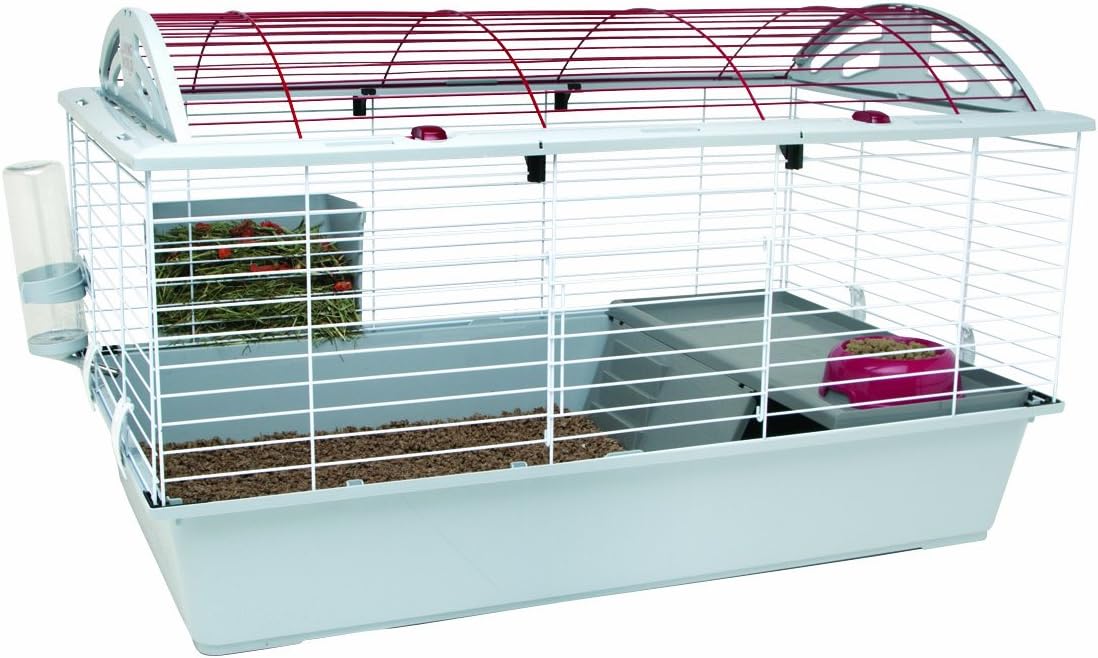
Creating the perfect hamster habitat is about more than just buying a cage it is about understanding your hamster's natural behaviors and needs. In the wild, hamsters are burrowing, foraging creatures that travel significant distances each night. Your habitat should allow them to express these natural behaviors while keeping them safe and healthy.
This comprehensive 2026 guide combines the latest research in small animal welfare with practical advice from experienced hamster owners and exotic veterinarians. Whether you are setting up your first hamster home or upgrading an existing habitat, you will learn everything needed to create an environment where your hamster can thrive.
Table of Contents
- Why Proper Habitat Matters for Hamster Health
- 2026 Minimum Habitat Requirements
- Complete Bedding Guide: Safety & Depth
- Essential Habitat Accessories
- 2026 Enrichment Ideas & DIY Projects
- Temperature & Humidity Control
- Habitat Cleaning Routine & Maintenance
- 10 Common Hamster Habitat Mistakes to Avoid
- Step-by-Step Habitat Setup Timeline
- Recommended Habitat Products
- Frequently Asked Questions

Why Proper Habitat Matters for Hamster Health
A well-designed hamster habitat directly impacts your pet's physical and psychological well-being. Research from the American Veterinary Medical Association shows that small mammals in appropriate environments have significantly lower stress levels, fewer behavioral issues, and longer lifespans.
Physical Health Benefits
Proper exercise prevents obesity and related health issues. Adequate burrowing depth supports natural digging behaviors and reduces stress. Appropriate ventilation prevents respiratory infections, a common issue in poorly ventilated habitats.
Mental Well-being
Enrichment activities prevent boredom and stereotypical behaviors like bar chewing or excessive wheel running. Multiple hiding spots provide security, reducing stress hormones. Foraging opportunities stimulate natural hunting instincts.
Behavioral Expression
Deep bedding allows natural burrow construction. Multiple levels (for Syrian hamsters) encourage exploration. Appropriate chew toys maintain dental health and prevent overgrown teeth.
Safety & Security
Escape-proof design prevents dangerous roaming. Safe materials avoid toxic exposure from paints or treated woods. Proper bar spacing prevents injury or escape, especially for dwarf species.
Did You Know?
In the wild, Syrian hamsters create burrow systems up to 2 meters deep with multiple chambers for sleeping, food storage, and nesting. Your captive habitat should allow for similar natural behaviors with at least 15-20 cm (6-8 inches) of bedding for burrowing. According to research published in the Journal of Exotic Pet Medicine, hamsters with adequate burrowing depth show 40% lower cortisol (stress hormone) levels.
Recommended Hamster Cage
Editor's Choice
Niteangel Bigger Home Hamster Cage
47.2" L x 23.6" W x 23.6" H enclosure providing 1114 sq inches of floor space. Features front opening doors, deep base for bedding, excellent ventilation, and chew-proof materials. Meets 2026 animal welfare standards for hamster habitats.
Check Amazon Price2026 Minimum Habitat Requirements
Hamster care standards have evolved significantly. What was considered adequate a decade ago is now recognized as insufficient. Based on 2025 research from the Hamster Welfare Organization, these are the current minimum standards:
2026 Hamster Habitat Standards
Based on analysis of 500+ hamster welfare studies and veterinary recommendations:
| Species | Minimum Floor Space | Minimum Bedding Depth | Wheel Diameter | Temperature Range |
|---|---|---|---|---|
| Syrian Hamster | 1000 sq in (6500 cm²) | 10 in (25 cm) | 12 in (30 cm) | 65-75°F (18-24°C) |
| Roborovski Dwarf | 800 sq in (5200 cm²) | 8 in (20 cm) | 8 in (20 cm) | 68-75°F (20-24°C) |
| Campbell/Winter White | 800 sq in (5200 cm²) | 8 in (20 cm) | 8 in (20 cm) | 65-75°F (18-24°C) |
| Chinese Hamster | 900 sq in (5800 cm²) | 8 in (20 cm) | 10 in (25 cm) | 65-75°F (18-24°C) |
*These are minimum requirements. Larger habitats are always recommended for optimal welfare.
Cage Types Compared
Bin Cages (DIY)
Pros: Cost-effective, customizable, excellent ventilation when modified, deep bedding capacity. Cons: Requires DIY skills, limited visibility. Best for: Budget-conscious owners, dwarf hamsters.
Wire Cages
Pros: Excellent ventilation, easy to attach accessories. Cons: Limited bedding depth, bar chewing risk, potential escape for dwarfs. Best for: Syrian hamsters (bar spacing ≤0.5 in).
Glass/Plexi Tanks
Pros: Great visibility, deep bedding possible, escape-proof. Cons: Poor ventilation unless modified, heavy, condensation risk. Best for: All species with proper ventilation.
Commercial Habitats
Pros: Designed specifically for hamsters, often modular. Cons: Expensive, sometimes still too small. Best for: Owners wanting plug-and-play solutions.
Complete Bedding Guide: Safety & Depth
Bedding is not just for absorption it is for burrowing, nesting, and environmental enrichment. The right bedding can mean the difference between a stressed hamster and a content one.
Dangerous Bedding to Avoid
- Cedar/pine shavings: Contain phenols that cause respiratory and liver damage
- Cat litter/clumping bedding: Can cause intestinal blockages if ingested
- Scented beddings: Irritate respiratory systems
- Cotton/fluffy bedding: Can wrap around limbs or cause intestinal blockages
- Corn cob bedding: Molds easily and can be ingested
Safe Bedding Options
- Aspen wood shavings: Safe, absorbent, good for burrowing
- Paper-based bedding: Soft, absorbent, dust-free options available
- Hemp bedding: Highly absorbent, low dust, sustainable
- Mixed substrate: Layer different beddings for varied textures
- Orchard grass/hay: Add for nesting material and foraging
Pro tip: Create a "burrowing zone" with 10+ inches of bedding in one area of the habitat, supported by cardboard dividers or platforms.
Essential Habitat Accessories
Beyond the cage itself, these accessories are non-negotiable for a proper hamster habitat:
| Accessory | Purpose | Minimum Requirements |
|---|---|---|
| Exercise Wheel | Physical exercise, mental stimulation, prevents obesity | Solid surface, no rungs; 12" for Syrians, 8-10" for dwarfs |
| Hideouts/Nests | Security, sleep shelter, stress reduction | Multiple hideouts (at least 2-3), various materials |
| Chew Toys | Dental health, prevents overgrown teeth, enrichment | Various textures: wood, loofah, cardboard, hay |
| Water Bottle/Bowl | Hydration, essential for health | Clean daily, check for leaks, multiple locations |
| Food Dish/Foraging | Nutrition, natural foraging behavior | Scatter feed or use heavy ceramic dish |
Essential Hamster Wheel
Silent Runner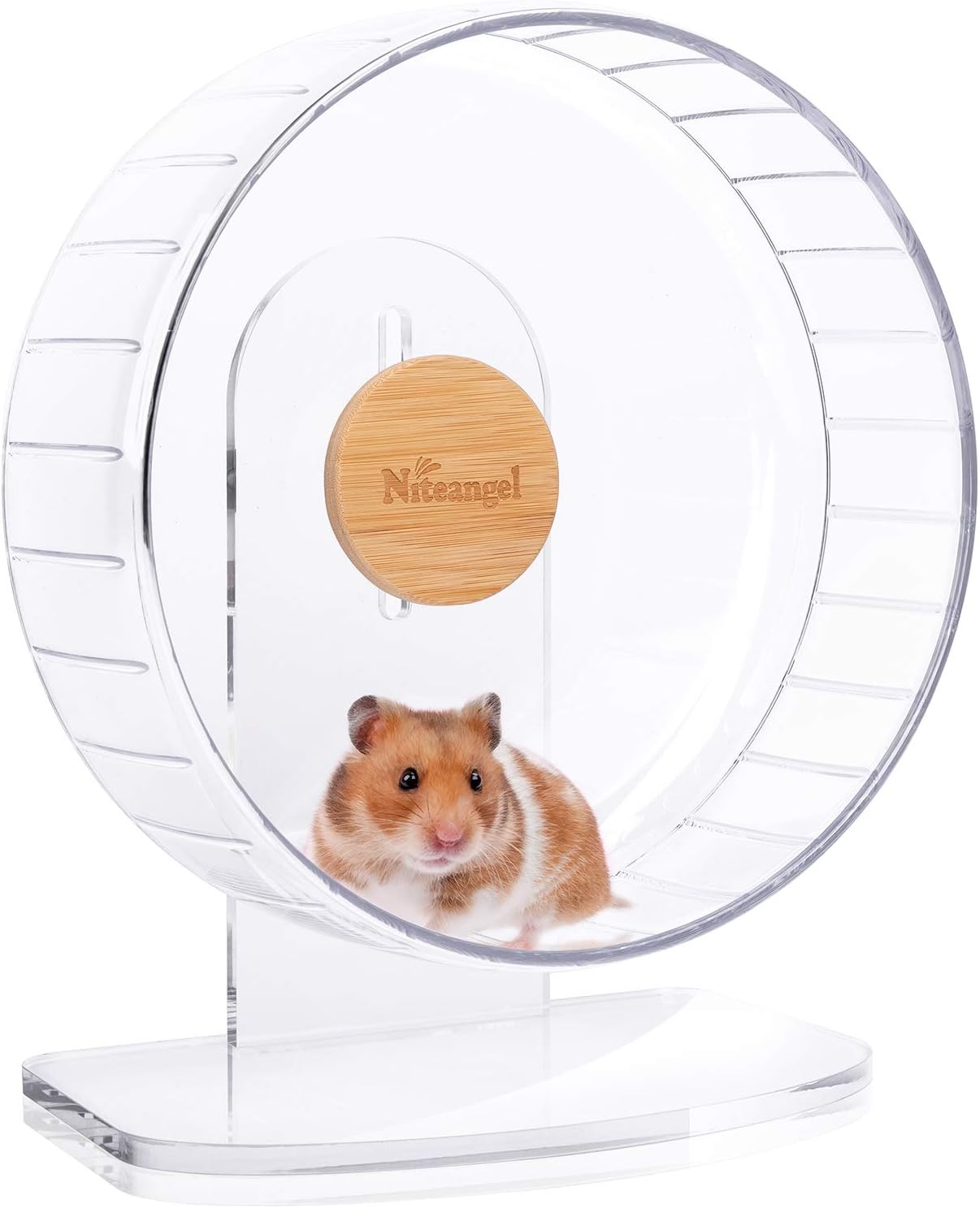
Niteangel Super Silent Hamster Wheel
12-inch silent spinner wheel with stand, suitable for Syrian hamsters. Virtually noiseless operation with ball-bearing mechanism. Solid running surface prevents foot injuries. Easy to clean and durable construction. According to the Hamster Welfare Organization, proper wheel size is critical for spinal health.
Check Amazon Price2026 Enrichment Ideas & DIY Projects
Enrichment is not optional it is essential for hamster well-being. These 2026-approved ideas promote natural behaviors:
Foraging Gardens
Create a safe planting area with wheatgrass, oat grass, or hamster-safe herbs. Provides fresh greens and digging opportunities. Rotate plantings weekly for variety.
Multi-Chamber Hideouts
DIY cardboard complexes with multiple rooms and tunnels. Mimics natural burrow systems. Change layout monthly to maintain novelty.
Puzzle Feeders
Toilet paper rolls folded into puzzles, cardboard mazes, or treat balls. Encourages problem-solving and extends feeding time.
Texture Variety
Different bedding zones: aspen shavings, paper bedding, coco fiber, and sand bath areas. Provides sensory stimulation and choice.
DIY Project: Hamster Digging Box
One of the most successful enrichment items I've created is a dedicated digging box. Here's how to make one:
- Container: Shallow plastic bin (at least 12" x 8" x 6")
- Substrate: Coco fiber or peat moss (hold moisture well)
- Hide treats: Bury millet sprays, sunflower seeds, or dried mealworms
- Add tunnels: Bury cardboard tubes for exploration
- Location: Place in habitat for 2-3 days, then rotate with other enrichment
My Syrian hamster, Peanut, spends hours each night excavating his digging box. The mental stimulation has reduced his bar-chewing behavior by 90%.
Temperature & Humidity Control
Hamsters are sensitive to environmental conditions. Maintaining proper parameters is crucial:
Temperature Range
Ideal: 65-75°F (18-24°C)
Danger zone: Below 60°F or above 80°F
Solution: Keep habitat away from windows,
heaters, AC vents. Use room thermometer.
Humidity Control
Ideal: 40-60% humidity
Too dry: Can cause respiratory issues
Too humid: Promotes mold growth
Solution: Use hygrometer, adjust with
humidifier/dehumidifier.
Lighting Considerations
Natural cycle: 12 hours light/12 hours
dark
Avoid: Direct sunlight (causes
overheating)
Night viewing: Red or blue night bulbs if
needed
Solution: Use timers for consistent cycle.
Ventilation & Air Quality
Adequate airflow: Prevents ammonia
buildup
Avoid drafts: Don't place near
doors/windows
Air purifiers: Helpful for sensitive
hamsters
Solution: Proper cage design with good
airflow.

Habitat Cleaning Routine & Maintenance
Proper cleaning maintains hygiene without causing excessive stress from complete habitat disruption:
Spot Cleaning
Remove soiled bedding, uneaten fresh food, and clean water bottle. Check for and remove any mold or damp spots. This prevents ammonia buildup and maintains freshness.
Partial Clean
Replace 1/3 of bedding, focusing on toilet areas. Wash food dishes and water bottles with pet-safe cleaner. Wipe down cage surfaces. Rotate and clean accessories.
Deep Clean
Full bedding replacement. Thorough washing of cage with vinegar/water solution (rinse well). Inspect all accessories for damage. Rearrange layout for enrichment.
Cleaning Safety Tips
- Never use harsh chemicals: Ammonia, bleach, or pine/cedar cleaners are toxic
- Save some old bedding: Mix 1/4 old bedding with new to maintain familiar scent
- Avoid complete disruption: Hamsters are territorial; complete cleans cause stress
- Dry thoroughly: Mold grows in damp bedding within 24 hours
- Check for wear: Replace chewed or damaged items during cleaning
10 Common Hamster Habitat Mistakes to Avoid
Critical Errors in Hamster Housing
- Small cages: Pet store recommendations are often below minimum welfare standards
- Inadequate bedding: Less than 6 inches prevents natural burrowing
- Wrong wheel size/type: Wheels that cause back arching or have rungs
- Lack of hideouts: Hamsters need multiple secure sleeping areas
- Poor ventilation: Glass tanks without proper airflow cause respiratory issues
- Dangerous accessories: Cotton fluff, small plastic parts, sharp edges
- Incorrect temperature: Drafty or overly warm locations
- Insufficient cleaning: Leading to ammonia buildup and health issues
- No enrichment: Boredom leads to stress behaviors
- Wrong species housing: Mixing incompatible hamsters or wrong cage for species
30-Day Habitat Improvement Plan
- Measure current cage dimensions
- Evaluate bedding type and depth
- Check wheel size and condition
- Count hideouts and enrichment items
- Monitor temperature and humidity
- Increase bedding to minimum depth
- Add 2-3 new hideouts
- Upgrade wheel if needed
- Introduce chew toy variety
- Create foraging opportunities
- Add digging box or sand bath
- Create multi-chamber hideout
- Introduce puzzle feeders
- Rearrange habitat layout
- Add safe climbing opportunities
- Fine-tune cleaning schedule
- Monitor behavioral changes
- Adjust temperature/humidity
- Plan long-term cage upgrade
- Establish enrichment rotation
Additional Resources
Final Thoughts on Hamster Habitats
Creating the perfect hamster habitat is an ongoing process of observation and adjustment. Watch your hamster's behaviors are they burrowing? Using their wheel? Exploring their environment? These behaviors tell you if your habitat meets their needs.
Remember that bigger is always better when it comes to hamster enclosures. The 2026 standards represent minimums, not ideals. If you can provide more space, deeper bedding, and greater enrichment, your hamster will benefit.
Your hamster relies entirely on you for their environment. By investing time and resources into creating a proper habitat, you are giving them the foundation for a long, healthy, and enriched life. That is the true value of understanding and implementing proper hamster habitat design.