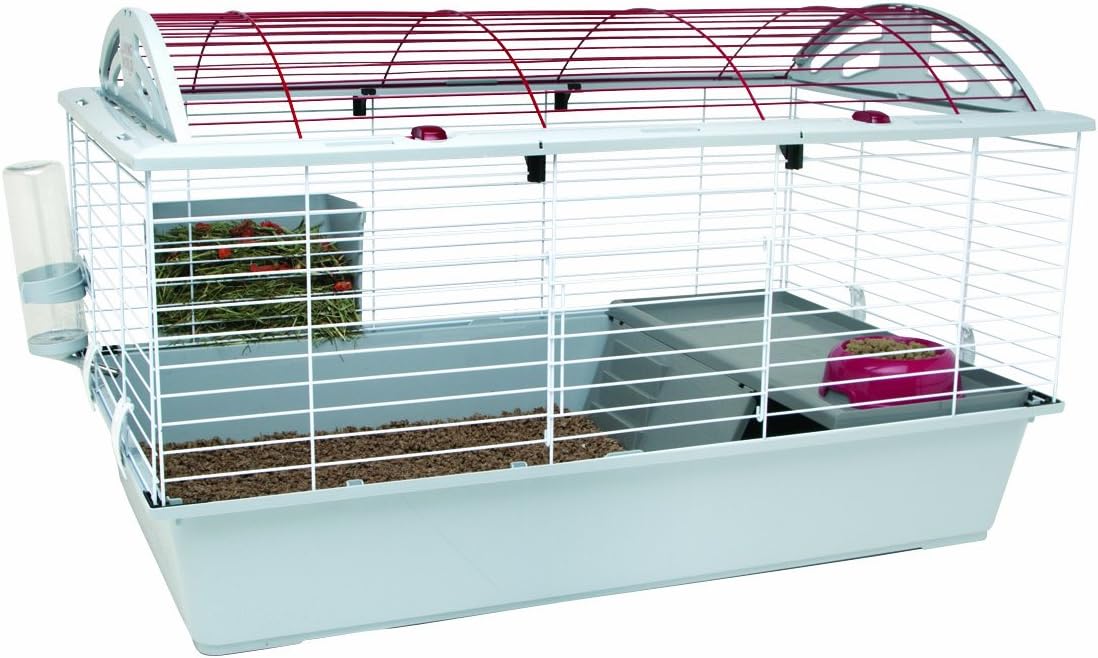
Small pets including rabbits, guinea pigs, hamsters, ferrets, and more bring joy and companionship to millions of households. However, these animals have specific care requirements that differ significantly from cats and dogs. In this comprehensive 2026 guide, we'll explore everything you need to know about small pet care, from choosing the right species to providing optimal housing, nutrition, and healthcare.
Proper care can extend your small pet's lifespan and ensure they live a happy, healthy life. Whether you're considering your first small pet or looking to improve your current pet's care, this guide provides evidence-based information and practical tips. For specific product recommendations, check our Smart pet products guide.
Table of Contents

Choosing the Right Small Pet for Your Lifestyle
Selecting the appropriate small pet depends on your lifestyle, available space, time commitment, and experience level. Here's a comparison of popular small pets to help you make an informed decision:
| Pet Type | Average Lifespan | Space Required | Time Commitment | Best For |
|---|---|---|---|---|
| Rabbit | 8-12 years | Large (minimum 12 sq ft) | High (daily exercise, grooming) | Families with older children, dedicated owners |
| Guinea Pig | 5-7 years | Medium (minimum 7.5 sq ft) | Medium-High (daily feeding, socialization) | Families with gentle children, first-time owners |
| Hamster | 2-3 years | Small-Medium (minimum 450 sq in floor space) | Low-Medium (daily feeding, weekly cleaning) | Individuals, families with older children (nocturnal) |
| Ferrets | 6-10 years | Large (multi-level cage, daily free roam) | Very High (daily playtime, training) | Experienced owners, active individuals |
| Rats | 2-3 years | Medium (tall cage with levels) | Medium (daily interaction, training) | First-time rodent owners, families with older children |
Important Consideration
Never impulse buy a small pet. Research each species thoroughly and consider adopting from shelters or rescue organizations. Many small pets are surrendered due to improper care or unrealistic expectations. Visit a local shelter first you might find your perfect companion while giving a pet a second chance.
Recommended Rabbit Cage
Best Seller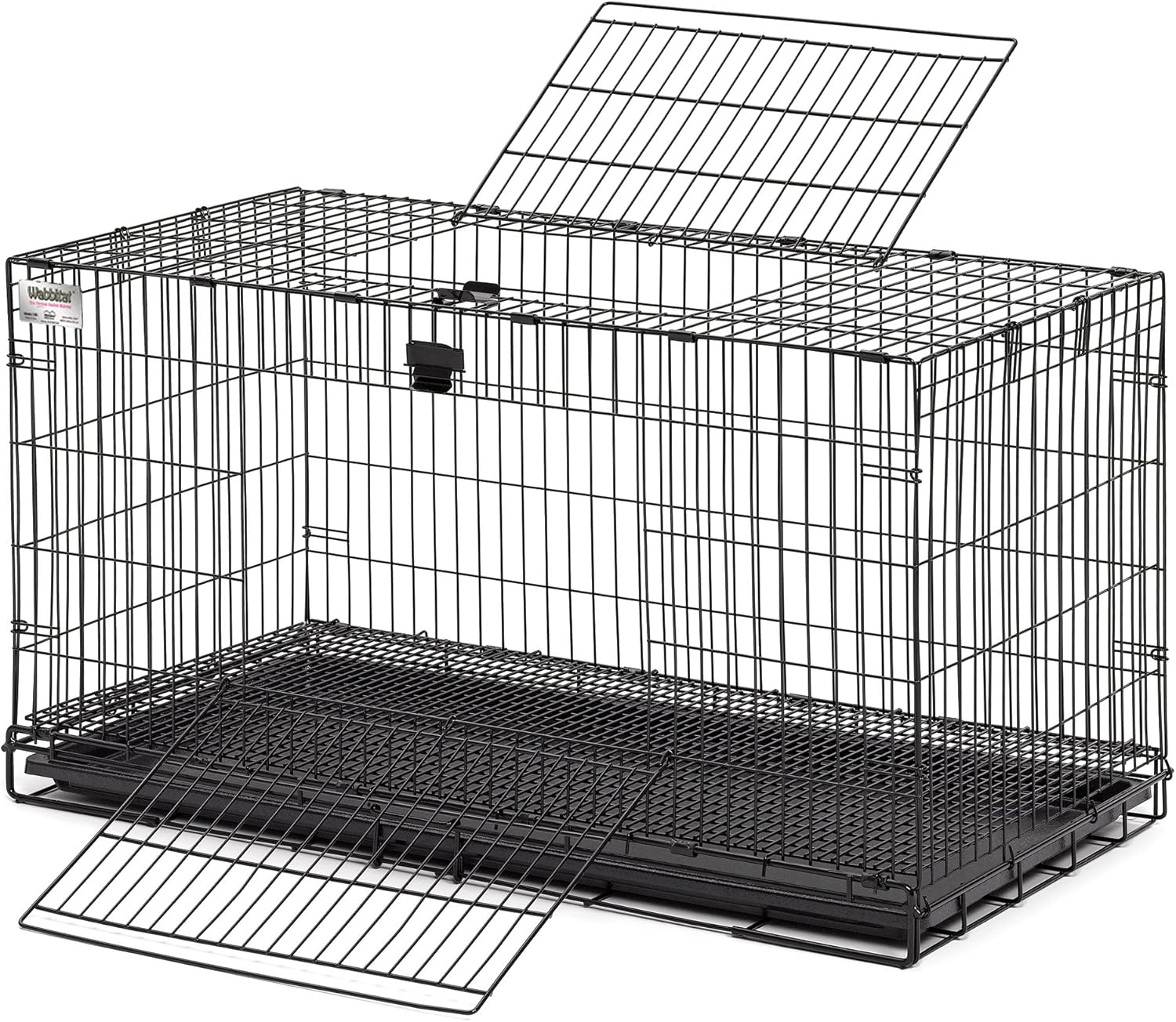
Midwest Homes Deluxe Rabbit Cage
Spacious 37.5" x 19" rabbit habitat with removable plastic pan for easy cleaning, divider panel, and wire top. Meets minimum space requirements for rabbits.
Check Amazon PriceComplete Rabbit Care Guide
Rabbits are intelligent, social animals that require specialized care. Contrary to popular belief, they're not "easy" pets they need significant space, mental stimulation, and proper veterinary care.
Rabbit Nutrition
80% hay (Timothy, orchard, oat)
10-15% fresh vegetables (dark leafy
greens)
5% pellets (Timothy-based, no seeds)
Unlimited fresh water (bowl preferred over
bottle)
Avoid: Iceberg lettuce, potatoes, beans,
seeds, sugary treats
Rabbit Housing
Minimum space: 12 sq ft (plus exercise
area)
Indoor housing preferred (safer, better
socialization)
Solid flooring (not wire)
Litter box training (possible for most
rabbits)
Daily exercise: 3-4 hours of free roam in
rabbit-proofed area
Rabbit Health
Spay/neuter essential (reduces cancer risk,
improves behavior)
Annual vet checkups (exotic pet
specialist)
Common issues: Dental problems, GI stasis,
ear mites
Vaccinations: Required in some regions
(check local laws)
Emergency signs: Not eating, lethargy,
abnormal stools
Rabbit Behavior
Social animals (consider pairs)
Bonding process (can take weeks)
Body language: Binkying (joy), tooth
purring (contentment), thumping (warning)
Destructive chewing (provide appropriate
chew toys)
Training possible (litter training, simple
commands)
Common Rabbit Care Mistakes
- Keeping rabbits alone: They're social animals and need companionship
- Inadequate space: Tiny cages cause physical and psychological issues
- Poor diet: Too many pellets, not enough hay leads to dental and digestive problems
- Improper handling: Never pick rabbits up by ears; support hindquarters
- Outdoor housing: Exposes rabbits to predators, extreme weather, and parasites
Guinea Pig Habitat
Editor's Choice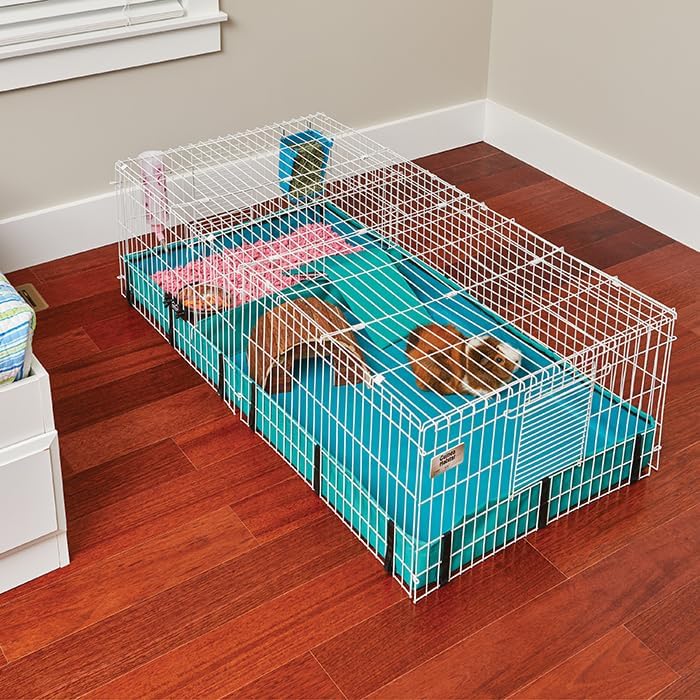
Midwest Guinea Pig Habitat Plus
8 square foot cage meets recommended space requirements for 1-2 guinea pigs. Includes removable canvas bottom, divider panel, and wire top.
Check Amazon PriceGuinea Pig Care Essentials
Guinea pigs (cavies) are gentle, vocal pets that form strong bonds with their owners. They have specific nutritional needs and require daily vitamin C supplementation.
Guinea Pig Nutrition Requirements
Unlike most mammals, guinea pigs cannot synthesize their own vitamin C and require daily supplementation:
Unlimited Timothy Hay
Essential for dental health and digestion. Should comprise 80% of diet. Fresh hay daily in a hay rack to keep it clean.
Vitamin C Rich Vegetables
Bell peppers (especially red), kale, parsley, broccoli. Provide 1 cup of fresh vegetables per guinea pig daily.
Vitamin C Supplementation
25-30 mg vitamin C daily per guinea pig. Use tablets formulated for guinea pigs or liquid supplements added to water.
Quality Pellets & Occasional Treats
1/8 cup Timothy-based pellets daily. Occasional treats: small carrot pieces, apple slices (no seeds), blueberries.
Guinea Pig Health Notes
- Vitamin C deficiency: Causes scurvy symptoms include lethargy, swollen joints, poor coat
- Dental issues: Continuously growing teeth require hay for proper wear
- Respiratory infections: Common in poorly ventilated, dirty cages
- Never house alone: Guinea pigs are highly social and can die from loneliness
- Regular nail trims: Required every 4-6 weeks as nails don't wear down naturally

Hamster Care & Proper Housing
Hamsters are nocturnal, solitary animals that require specific housing to thrive. The traditional small plastic cages sold in pet stores are inadequate for hamster welfare.
2026 Hamster Housing Standards
Modern hamster care emphasizes large, enriching environments:
Space Requirements
Syrian hamsters: Minimum 800 sq in floor
space
Dwarf hamsters: Minimum 450 sq in floor
space
German standard: 100x50cm (775 sq in)
Height matters: 6+ inches bedding for
burrowing
Alternative housing: Bin cages, IKEA Detolf
conversions
Essential Components
Deep bedding: Paper-based, aspen, hemp (6+
inches)
Proper wheel: Solid surface, large enough
(8-12" for Syrians)
Multiple hides: Different sizes and
materials
Sand bath: Reptile sand or children's play
sand (baked)
Chew toys: Wood, loofah, cardboard for
dental health
What to Avoid
Small cages: Causes stress, bar chewing,
cage aggression
Wire wheels: Can cause bumblefoot and
injuries
Cotton/fluffy bedding: Risk of intestinal
blockage and limb entanglement
Cedar/pine shavings: Respiratory
irritants
Hamster balls: Stressful, dangerous, poor
ventilation
Nutrition & Enrichment
Commercial mix: High-quality hamster food
with variety
Protein sources: Mealworms, plain cooked
chicken, egg
Fresh foods: Small amounts of vegetables,
occasional fruit
Foraging: Scatter feed instead of bowl
feeding
Playpen time: Supervised exploration in
secure area
Hamster Exercise Wheel
Silent Runner
Exotic Nutrition Silent Runner Wheel
12-inch solid-surface wheel with quiet ball bearing system. Prevents back arching and suitable for Syrian hamsters. Easy to clean and mount.
Check Amazon PriceFerrets: Special Care Considerations
Ferrets are intelligent, playful carnivores that require significant time, space, and specialized care. They're not suitable for first-time pet owners or those unable to provide extensive daily interaction.
Ferret Ownership Considerations
- Legal restrictions: Check local laws ferrets are illegal in some areas
- High energy: Require 3-4 hours of supervised playtime daily
- Specialized vet care: Need exotic pet veterinarian
- Odor management: Intact ferrets have strong musk; descenting doesn't eliminate odor
- Multiple ferrets: Highly social consider adopting a pair
- Ferret-proofing: Essential as they explore and can get into small spaces
Ferret Nutrition & Health
| Nutrition Requirement | Details | Recommended Products |
|---|---|---|
| High Protein | 35-40% animal-based protein. Ferrets are obligate carnivores. | Wysong Epigen 90, Orijen Cat & Kitten |
| High Fat | 18-20% fat content for energy. Avoid plant-based fats. | Raw or freeze-dried raw diets |
| Low Carbohydrates | Under 3% carbs. Cannot digest plant matter efficiently. | Grain-free, low-carb formulas |
| Preventative Care | Annual vaccines (distemper, rabies). Regular parasite prevention. | Veterinary prescribed preventatives |
| Common Health Issues | Insulinoma, adrenal disease, lymphoma. Regular vet checks essential. | Specialized exotic veterinarian required |
Small Pet Housing Essentials
Proper housing is critical for small pet welfare. The "bigger is better" principle applies to all small pet enclosures.
Proper Cage Setup Guidelines
Space Standards
Rabbits: Minimum 12 sq ft, plus exercise
area
Guinea pigs: 7.5 sq ft for one, 10.5 sq ft
for two
Ferrets: Multi-level cage, minimum
24"x24"x18" per ferret
Rats: Minimum 2 cu ft per rat, taller cages
preferred
Hamsters: 450-800+ sq in depending on
species
Bedding & Substrate
Safe options: Paper-based, aspen, hemp,
fleece liners
Avoid: Cedar, pine (unless kiln-dried),
corn cob, clay litter
Depth: 2+ inches for most species, 6+ for
burrowing animals
Spot cleaning: Daily removal of soiled
areas
Full cleaning: Weekly to bi-weekly
depending on species
Environmental Factors
Temperature: 65-75°F (18-24°C) for most
species
Humidity: 40-70% depending on species
Ventilation: Good airflow without drafts
Lighting: Natural light cycle, avoid direct
sunlight
Noise: Quiet location away from loud
appliances
Safety Considerations
Escape-proof: Secure latches, appropriate
bar spacing
Non-toxic materials: Safe paints, untreated
wood
No sharp edges: Sand down any rough
areas
Electrical safety: Protect cords from
chewing
Supervision: Always supervise during free
roam time
Environmental Enrichment Ideas
Mental stimulation prevents boredom and behavioral issues:
Food Puzzles & Scatter Feeding
Hide food in cardboard tubes, puzzle feeders, or scatter throughout enclosure to encourage natural foraging behaviors.
Vertical Space Utilization
Add shelves, ramps, bridges, and climbing structures (especially for rats and ferrets). Ensure safe fall distances.
Multiple Hiding Places
Provide various hides igloos, cardboard boxes, tunnels, hammocks. Animals should be able to hide completely from view.
Appropriate Chew Toys
Untreated wood blocks, loofah, seagrass mats, cardboard. Rotate toys regularly to maintain interest.

Small Pet Nutrition Guide
Each small pet species has unique nutritional requirements. Feeding inappropriate diets is a leading cause of health problems in small pets.
Dangerous Foods for Small Pets
All small pets should avoid: Chocolate,
caffeine, alcohol, onions, garlic, avocado, raw beans, rhubarb
leaves
Rabbit/guinea pig specific: Iceberg lettuce
(low nutrition, can cause diarrhea), seeds/nuts (choking
hazard), yogurt drops (excess sugar)
Ferrets: Fruits, vegetables, grains (cannot
digest plant matter)
Rats/hamsters: Citrus fruits (hamsters), raw
sweet potato, green potato skins
Common Health Issues & Prevention
Regular observation and preventative care are essential for small pet health:
Dental Problems
Affects: Rabbits, guinea pigs,
chinchillas
Causes: Insufficient hay, genetic issues
Prevention: Unlimited hay, annual dental
checks
Symptoms: Drooling, weight loss, difficulty
eating
Treatment: Veterinary dental trimming
Respiratory Issues
Affects: All small pets, especially
rodents
Causes: Poor ventilation, dusty bedding,
ammonia buildup
Prevention: Regular cleaning, proper
bedding, good airflow
Symptoms: Sneezing, nasal discharge,
labored breathing
Treatment: Veterinary antibiotics,
environmental changes
Obesity
Affects: Rabbits, guinea pigs, ferrets
Causes: Overfeeding pellets, inadequate
exercise
Prevention: Proper diet ratios, daily
exercise
Health risks: Heart disease, arthritis,
fatty liver
Treatment: Diet adjustment, increased
activity
Pododermatitis (Bumblefoot)
Affects: Rabbits, guinea pigs, rats
Causes: Wire flooring, obesity, poor
hygiene
Prevention: Solid flooring, clean bedding,
proper weight
Symptoms: Red, swollen footpads, limping
Treatment: Veterinary care, soft bedding,
antibiotics
When to Seek Veterinary Care
Emergency situations (seek immediate care):
Not eating for 12+ hours, difficulty breathing, seizures,
trauma/injury, bloated abdomen
Schedule appointment within 24 hours: Changes
in appetite/water consumption, weight loss, lethargy, abnormal
droppings, discharge from eyes/nose
Preventative care: Annual checkups, dental
exams (for species with continuously growing teeth), nail
trims, weight monitoring
Important: Find an
exotic pet veterinarian before you need one.
Regular dog/cat vets may not have appropriate training for
small pets.