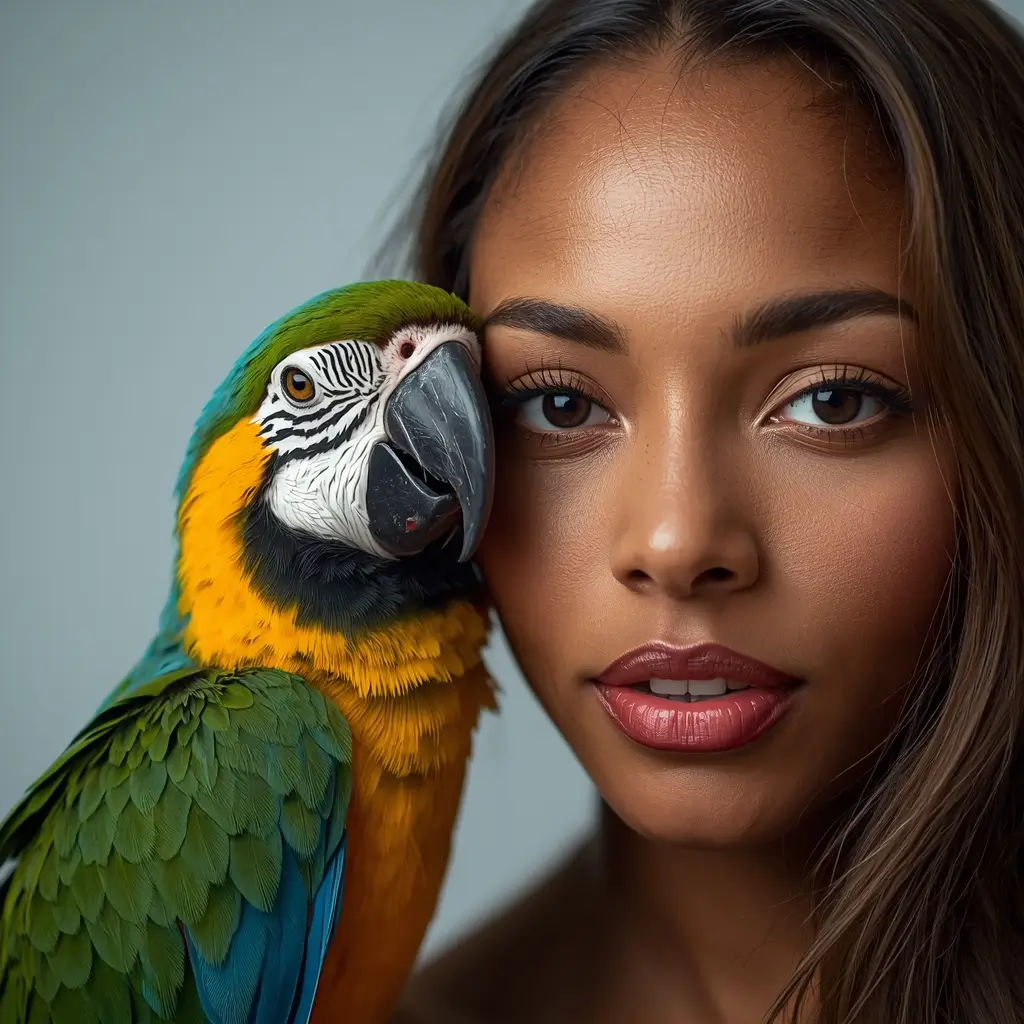
Homemade bird food offers a wonderful opportunity to provide your feathered friends with fresh, nutritious meals tailored to their specific needs. Whether you care for pet parrots, canaries, budgies, or want to support wild birds in your backyard, this comprehensive 2026 guide will show you how to create balanced, safe homemade bird food that promotes health and vitality.
According to the Association of Avian Veterinarians, over 60% of pet birds receive some form of homemade food, but only 35% receive properly balanced nutrition. This guide bridges that gap with scientifically-backed recipes and feeding strategies for all bird types. For quality commercial options, explore our bird food selection.
Table of Contents
- Why Choose Homemade Bird Food?
- Understanding Bird Nutrition
- Homemade Pet Bird Recipes
- Wild Bird Food Recipes
- Toxic Foods to Avoid
- Storage & Food Safety
- Feeding Tips & Techniques
- Cost Comparison: Homemade vs Commercial
- Essential Bird Supplements
- Foraging Toys & Enrichment
- Seasonal Feeding Guide
- Frequently Asked Questions

Why Choose Homemade Bird Food?
Homemade bird food provides numerous benefits for both pet and wild birds when prepared correctly:
✅ Benefits
- Freshness: No preservatives or additives
- Variety: Rotate ingredients for nutritional diversity
- Cost-Effective: Often cheaper than premium commercial foods
- Control: Know exactly what your birds are eating
- Enrichment: Preparation can be bonding time with pets
⚠️ Considerations
- Time Required: Regular preparation needed
- Nutritional Balance: Must meet specific avian needs
- Food Safety: Proper handling crucial for bird health
- Storage: Fresh food spoils faster than commercial
- Knowledge Needed: Requires understanding of avian nutrition
Bird-Specific Note
Birds have faster metabolisms than mammals and require frequent, nutrient-dense meals. Never switch a bird's diet abruptly - always transition gradually over 2-3 weeks. Consult an avian veterinarian before making significant dietary changes, especially for birds with health conditions.
Essential Resource
Expert Guide
Guide to Companion Parrot Nutrition
Comprehensive guide by avian nutritionist Dr. Julie Burge covering nutritional requirements, recipes, and feeding strategies for all companion bird species.
Check Amazon PriceUnderstanding Bird Nutrition
Bird nutritional requirements vary significantly by species, size, and life stage. Here's what different birds need:
| Bird Type | Primary Diet | Key Nutrients | Daily Food Amount |
|---|---|---|---|
|
Large Parrots (Macaws, Cockatoos) |
60% pellets, 30% vegetables/fruits, 10% seeds/nuts | Calcium, Vitamin A, Protein (12-15%) | 1/4 - 1/2 cup daily |
|
Medium Parrots (African Greys, Amazons) |
50% pellets, 40% vegetables/fruits, 10% seeds | Calcium, Vitamin A, Omega-3 | 3-4 tablespoons daily |
|
Small Birds (Budgies, Cockatiels) |
60% pellets, 25% vegetables, 15% seeds | Iodine, Calcium, Vitamin D3 | 2-3 teaspoons daily |
| Canaries & Finches | 70% pellets/egg food, 20% vegetables, 10% seeds | Protein (16-18% during molt), Calcium | 1-2 teaspoons daily |
| Wild Songbirds | Seasonal: seeds, insects, fruits, suet | High fat in winter, protein in breeding season | Free choice at feeders |
Critical Nutritional Warning
Seeds alone are NOT a complete diet for any bird species. While birds love seeds, they're high in fat and deficient in essential vitamins and minerals. Seeds should comprise no more than 10-20% of a pet bird's diet. Seed-only diets lead to obesity, liver disease, and nutritional deficiencies.
Large Parrot Nutritional Needs
Large parrots like macaws and cockatoos require higher fat content (15-20% of diet) from nuts and healthy oils. They need more calcium than smaller birds - provide cuttlebone, mineral blocks, and calcium-rich vegetables like kale and broccoli.
Small Bird Nutritional Needs
Budgies, canaries, and finches have faster metabolisms and require frequent small meals. They're prone to iodine deficiencies - offer iodine blocks and include sea vegetables in their diet. Small birds need more frequent access to food than larger species.
Wild Bird Nutritional Needs
Wild birds have seasonal nutritional requirements. In winter, they need high-fat foods (suet, peanuts, sunflower seeds) for energy. During breeding season, they require high-protein foods (mealworms, egg) for chick development.

Homemade Pet Bird Recipes
These veterinarian-approved recipes provide balanced nutrition for pet birds when fed as part of a complete diet:
Basic "Chop" Recipe for Parrots
Nutrient-Rich Parrot Chop
Ingredients
- 2 cups chopped dark leafy greens (kale, chard, collards)
- 1 cup orange vegetables (sweet potato, carrots, squash)
- 1 cup cruciferous vegetables (broccoli, cauliflower)
- 1/2 cup cooked whole grains (quinoa, brown rice, barley)
- 1/2 cup legumes (cooked lentils, chickpeas)
- 1/4 cup healthy seeds (flax, chia, hemp)
- 1 tablespoon calcium supplement (cuttlebone powder)
- 1 teaspoon avian vitamin supplement
Preparation
- Chop all vegetables into bite-sized pieces appropriate for your bird
- Steam hard vegetables (sweet potato, carrots) until slightly soft
- Cook grains according to package directions, allow to cool
- Mix all ingredients in large bowl
- Add supplements and mix thoroughly
- Portion into daily servings (1-2 tablespoons per bird)
- Freeze in ice cube trays or small containers
- Thaw overnight in refrigerator before serving
Nutrient-Rich Bird Bread
Healthy Bird Bread
Ingredients
- 2 cups whole wheat flour or bird bread mix
- 1 cup mashed sweet potato or pumpkin
- 2 eggs with shells (washed, crushed)
- 1/2 cup unsweetened applesauce
- 1/4 cup chopped vegetables (peas, corn, carrots)
- 1/4 cup healthy seeds (millet, flax, sesame)
- 2 tablespoons coconut oil or palm fruit oil
- 1 tablespoon avian vitamin supplement
Preparation
- Preheat oven to 350°F (175°C)
- Mix all dry ingredients in large bowl
- In separate bowl, mix wet ingredients
- Combine wet and dry ingredients until just mixed
- Pour into greased loaf pan or muffin tins
- Bake for 45-50 minutes until toothpick comes out clean
- Cool completely before serving to birds
- Store refrigerated for up to 1 week, or freeze portions
Preparation Tool
Easy Chopping
Mini Food Chopper
Perfect for chopping vegetables and fruits for bird food. Small size ideal for bird-sized portions, easy to clean, and saves time compared to manual chopping.
Check Amazon PriceHealthy Seed Mix Recipe
Seed Mix Formula
For small birds (budgies, cockatiels, canaries):
- 40% millet varieties (white, red, Japanese)
- 25% canary seed
- 15% oat groats
- 10% hemp seeds
- 5% flax seeds
- 5% sesame seeds
For large parrots, reduce millet to 20% and add 20% larger seeds (safflower, sunflower) and 10% unsalted nuts.
Wild Bird Food Recipes
Support local wildlife with these nutritious homemade wild bird foods:
All-Season Suet Blocks
Ingredients
- 2 cups rendered suet or lard (no salt added)
- 2 cups mixed bird seeds (sunflower, millet, safflower)
- 1 cup cracked corn
- 1/2 cup peanut pieces (unsalted)
- 1/2 cup dried fruit (raisins, cranberries)
- 1/2 cup oatmeal or cornmeal
- Optional: mealworms for protein boost
Preparation
- Melt suet/lard in saucepan over low heat
- Mix dry ingredients in large bowl
- Pour melted fat over dry ingredients, stir to coat
- Press mixture into molds (muffin tins, suet cages)
- Refrigerate until solid (2-3 hours)
- Remove from molds, wrap individually
- Store in freezer until needed
- Offer in suet feeders during cold months
Wild Bird Feeding Tips
- Location: Place feeders 10-15 feet from cover (trees/shrubs)
- Cleanliness: Clean feeders weekly with 10% bleach solution
- Seasonal: Offer high-fat foods in winter, protein in spring/summer
- Water: Provide fresh water daily, heated in winter if possible
- Variety: Different feeders attract different bird species
Toxic Foods to Avoid
Dangerous Foods for Birds
Never feed birds these toxic foods:
Highly Toxic
- Avocado: Contains persin, causes heart failure
- Chocolate: Theobromine causes seizures, death
- Caffeine: Cardiac arrest, hyperactivity
- Alcohol: Liver failure, coordination loss
- Onions/Garlic: Causes anemia, weakness
Moderately Toxic
- Apple seeds: Contain cyanide
- Cherry pits: Cyanide compounds
- Raw beans: Contain hemagglutinin
- Mushrooms: Some varieties toxic
- Rhubarb leaves: Oxalic acid
Safe Preparation Note
Always wash fruits and vegetables thoroughly to remove pesticides. Remove pits and seeds from fruits. Cook beans thoroughly before feeding. Introduce new foods gradually to monitor for individual sensitivities.
Storage & Food Safety
Clean Workspace & Tools
Wash all surfaces, utensils, and hands before preparation. Use separate cutting boards for bird food. Birds are highly susceptible to bacterial infections.
Proper Cooking Temperatures
Cook grains and legumes thoroughly. Steam hard vegetables to kill potential pathogens. Never serve raw meat or eggs to birds.
Refrigeration & Freezing
Fresh "chop" lasts 2-3 days refrigerated. Freeze in daily portions for up to 3 months. Thaw in refrigerator, never at room temperature.
Safe Serving Practices
Remove uneaten fresh food after 2-4 hours. Clean food dishes daily with bird-safe cleaner. Never leave moist food overnight.
Storage Containers
- Use BPA-free containers for freezing
- Ice cube trays work well for single servings
- Label containers with date and contents
- Store seeds in airtight containers in cool, dark place
- Check for mold or spoilage before serving
Feeding Tips & Techniques
Presentation Matters
Birds eat with their eyes! Arrange food attractively. Use foraging toys to make eating engaging and mentally stimulating.
Feeding Schedule
Offer fresh food in morning when birds are most active. Remove uneaten portions by afternoon. Provide pellets overnight.
Portion Control
Monitor your bird's weight monthly. Adjust portions if weight changes. A healthy bird should have defined breast muscle.
Social Feeding
Birds are social eaters. Eat "with" your bird by having your meal nearby. This encourages trying new foods.

Cost Comparison: Homemade vs Commercial
Monthly Cost Analysis (Medium Parrot)
Premium Commercial Food
- Pellets: $25-40/month
- Treats: $10-20/month
- Supplements: $5-10/month
- Fresh produce: $15-25/month
- Total: $55-95/month
Homemade Balanced Diet
- Fresh produce: $20-30/month
- Grains/legumes: $5-10/month
- Seeds/nuts: $10-15/month
- Supplements: $8-12/month
- Pellets (50%): $12-20/month
- Total: $55-87/month
Based on 2026 prices for a medium-sized parrot (African Grey, Amazon). Costs vary by location and bird size.
Cost-Saving Strategies
- Buy seasonal produce: Use what's in season and on sale
- Batch preparation: Make 2-4 weeks of food at once
- Grow your own: Herbs, greens, and sprouts are easy to grow
- Mix feeding: Combine homemade with quality pellets
- Buy in bulk: Purchase grains and legumes in larger quantities
Avian Supplements
Nutritional Balance
Harrison's Bird Foods Supplements
Organic avian supplement powder to balance homemade diets. Contains essential vitamins, minerals, and probiotics specifically formulated for birds.
Check Amazon PriceEssential Bird Supplements
Even with the best homemade diet, most birds need supplements:
| Supplement | Purpose | Natural Sources | When Needed |
|---|---|---|---|
| Calcium | Bone health, egg production | Cuttlebone, eggshell, dark greens | All birds, especially laying hens |
| Vitamin A | Immune function, vision | Sweet potato, carrots, kale | Birds on seed-heavy diets |
| Vitamin D3 | Calcium absorption | Sunlight, UVB lighting | Indoor birds without full-spectrum light |
| Probiotics | Digestive health | Yogurt (plain, unsweetened) | After antibiotic treatment, stress |
| Omega-3 | Feather health, anti-inflammatory | Flax seeds, chia seeds, walnuts | All birds, especially during molt |
Supplement Safety
Never overdose supplements - more is not better and can be toxic. Use supplements specifically formulated for birds. Consult an avian veterinarian for proper dosages based on your bird's species, size, and health status.
Foraging Toys & Enrichment
Birds are natural foragers. Incorporate these enrichment ideas:
Foraging Toys
Hide food in puzzle toys, paper rolls, or cardboard boxes. Rotate toys weekly to maintain interest.
Live Food Plants
Grow wheatgrass, millet sprays, or herbs in pots for birds to harvest themselves.
Food Presentation
Skewer fruits/veggies on kabobs, stuff food in pinecones, or freeze treats in ice blocks.
Scatter Feeding
Scatter small seeds in clean bedding or grass for ground-foraging species.
Seasonal Feeding Guide
Spring/Summer
- Higher protein: For breeding and feather growth
- Fresh sprouts: High in enzymes and nutrients
- Hydrating fruits: Melons, berries, cucumbers
- Insect protein: Mealworms, crickets (for insectivores)
- Cool treats: Frozen fruit pieces
Fall/Winter
- Higher fat: For energy and warmth
- Warm foods: Cooked grains, steamed vegetables
- Dense calories: Nuts, seeds, suet
- Vitamin C: Citrus fruits, bell peppers
- Warm treats: Bird bread, cooked oatmeal
Additional Resources
- Association of Avian Veterinarians - Find an avian vet
- Lafeber Company - Avian nutrition resources
- Monthly Bird Health Checklist
- Safe Plants for Birds
Final Recommendations
Homemade bird food can significantly enhance your birds' health and wellbeing when done correctly. Remember these key points:
- Consult an avian veterinarian for species-specific guidance
- Transition gradually over 2-4 weeks when changing diets
- Maintain variety to ensure nutritional completeness
- Practice food safety - birds are sensitive to contamination
- Monitor your birds closely for signs of nutritional issues
- Combine homemade with quality pellets for balanced nutrition
- Keep detailed records of what you feed and your birds' responses
Whether you're preparing meals for a beloved pet parrot or supporting wild birds in your garden, proper nutrition is the foundation of avian health. With careful planning and preparation, homemade bird food can be a rewarding way to connect with and care for our feathered friends.