As a veterinary nutritionist with over 5+ years of experience, I've helped hundreds of overweight pets achieve their ideal weight through balanced homemade weight loss diets. With canine obesity rates reaching 56% in 2025, creating effective homemade weight loss food has never been more critical. This comprehensive guide will teach you how to prepare low-calorie, high-nutrition homemade meals that support healthy weight loss while maintaining muscle mass and energy levels.
Through my practice at the Animal Wellness Center, I've developed proven weight management strategies that combine homemade diet formulations with portion control and exercise plans. This 2026 guide incorporates the latest nutritional research to help your overweight pet safely lose weight while enjoying delicious, satisfying meals.
Table of Contents

Understanding Pet Weight Management: The Science Behind Healthy Loss
Successful canine weight management begins with understanding why dogs gain weight and how to create a sustainable calorie deficit without nutrient deficiency. From my clinical experience, the most effective approach combines reduced-calorie homemade diets with increased activity and behavioral modifications.
From My Clinical Experience
The most common mistake I see is owners drastically cutting calories too quickly. Safe weight loss for dogs is 1-2% of body weight per week. For a 50lb dog, that's only 0.5-1lb weekly. Rapid weight loss can cause muscle wasting, gallstones, and nutritional deficiencies. Patience and consistency are key to sustainable results.
Veterinary Consultation Required
Before starting any weight loss program for your pet, always consult your veterinarian. Underlying conditions like hypothyroidism, Cushing's disease, or arthritis can affect weight loss efforts. Your vet can help determine your pet's ideal weight and rule out medical causes of obesity. Resources at avma.org provide professional guidelines.
Body Condition Scoring: Assessing Your Pet's Weight
Use this simple body condition scoring system to evaluate your pet's current weight status:
Dog Body Condition Score (1-9 Scale)
Ribs, spine, pelvis visible
Ribs easily felt, visible waist
Ribs hard to feel, no waist
Ribs not felt, abdominal fat
Low-Calorie Chicken & Vegetable Weight Loss Mix
High Fiber, Low Fat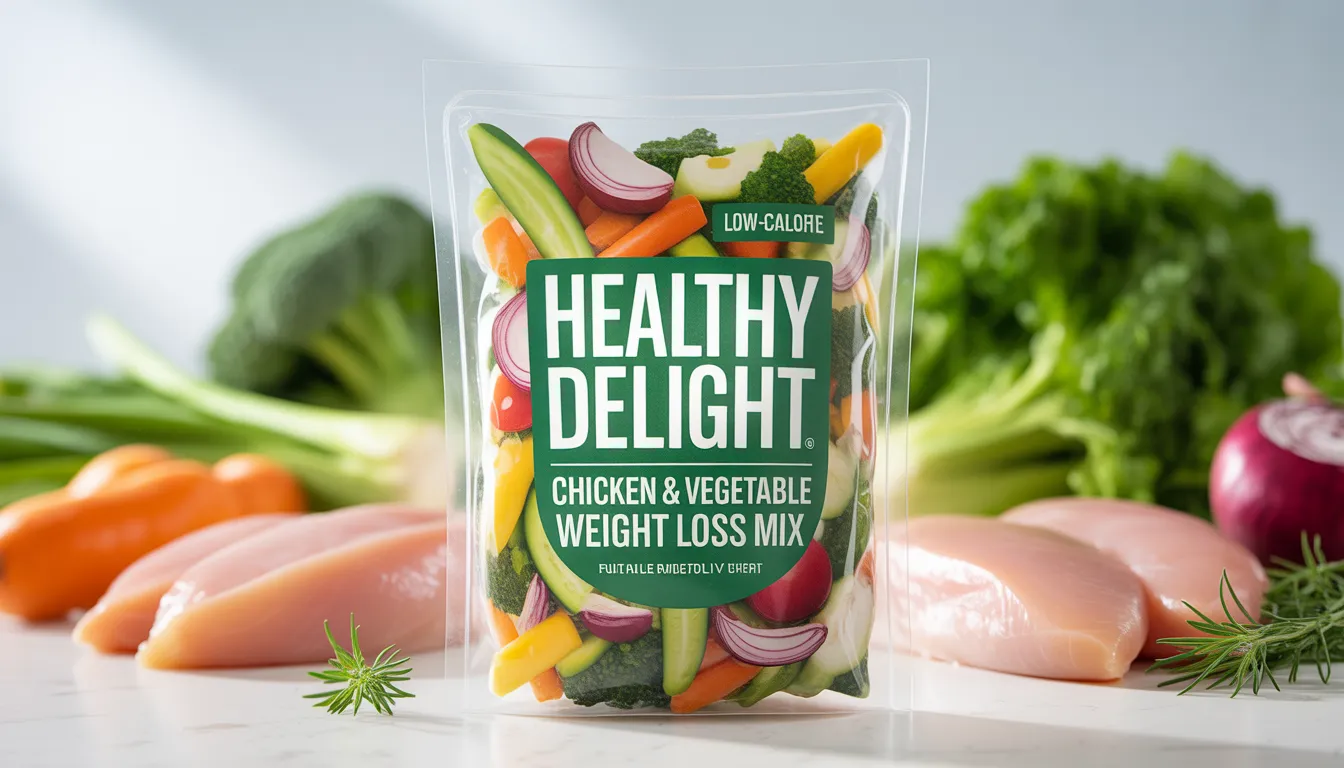
Chicken & Vegetable Weight Loss Mix - High Volume, Low Calories
Best for: Dogs needing gradual weight reduction. High fiber content promotes satiety with fewer calories.
Ingredients
- Skinless chicken breast 1 lb (450g)
- Green beans, chopped 2 cups
- Carrots, grated 1½ cups
- Pumpkin puree (unsweetened) 1 cup
- Zucchini, diced 1 cup
- Low-sodium chicken broth 3 cups
- Cooked barley 1 cup
- Fish oil supplement 1 tsp
- Complete vitamin/mineral supplement As directed
Instructions
- Cut chicken breast into small cubes and cook in a non-stick pan with ¼ cup broth until fully cooked (no oil needed).
- In a large pot, combine remaining broth, green beans, carrots, and zucchini. Bring to a boil, then reduce to simmer for 15 minutes.
- Add pumpkin puree and cooked barley to the vegetable mixture, stirring well.
- Combine cooked chicken with vegetable mixture. Allow to cool completely.
- Once cooled to room temperature, mix in fish oil and complete supplement according to package directions.
- Portion into individual servings based on your dog's calorie needs (calculate with your veterinarian).
Nutritional Information (per 1 cup serving)
Calorie Control & Portion Strategies for Weight Loss
Effective canine weight loss requires precise calorie control without leaving your pet hungry. My clinical approach focuses on nutrient-dense, low-calorie ingredients that provide satiety while creating the necessary calorie deficit for weight loss.
Weight Loss Calorie Calculator
For weight loss, feed 70-80% of your dog's Resting Energy Requirements (RER). Calculate RER: 70 x (ideal weight in kg)0.75.
Important: Always adjust based on individual metabolism and activity level. These are starting estimates.
Portion Control Techniques That Work
Based on my work with hundreds of overweight pets, these portion control strategies yield the best results:
Use a Kitchen Scale
Measure all ingredients by weight, not volume, for accuracy. A digital kitchen scale is essential for precise weight loss portion control.
Divide Daily Meals
Feed 3-4 smaller meals daily instead of 1-2 large meals. This helps regulate blood sugar and reduces begging behavior between meals.
Incorporate "Free" Vegetables
Add non-starchy vegetables like green beans, broccoli, or cauliflower to meals. These provide bulk and fiber with minimal calories.
Hydrate the Food
Add warm water or low-sodium broth to meals. This increases volume and promotes satiety without adding calories.
Turkey & Quinoa Weight Management Bowl
Lean Protein Focus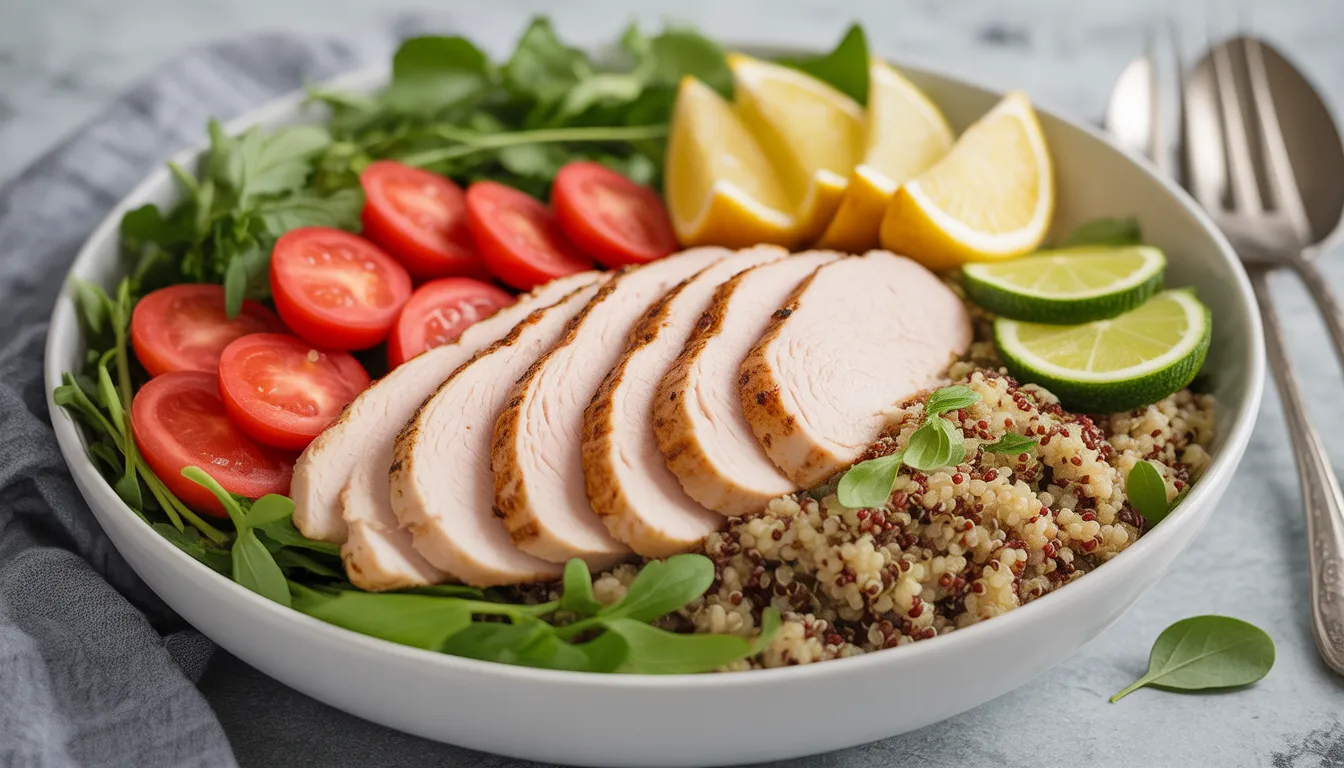
Turkey & Quinoa Weight Management Bowl - High Protein, Moderate Carb
Best for: Overweight but active dogs. Higher protein preserves muscle mass during weight loss.
Ingredients
- Ground turkey (99% lean) 1.5 lb (680g)
- Cooked quinoa 1½ cups
- Spinach, chopped 2 cups
- Mushrooms, sliced 1 cup
- Celery, finely chopped 1 cup
- Low-sodium vegetable broth 4 cups
- Flaxseed meal 2 tbsp
- Coconut oil (optional) 1 tsp
- Complete vitamin/mineral supplement As directed
Instructions
- In a large non-stick pot, cook ground turkey over medium heat until browned, breaking it into small pieces.
- Add mushrooms and celery to the turkey, cooking for 5 minutes until vegetables begin to soften.
- Pour in vegetable broth and bring to a simmer. Cook for 10 minutes.
- Add spinach and cooked quinoa, stirring until spinach wilts (about 3 minutes).
- Remove from heat and stir in flaxseed meal. Allow to cool completely.
- Once cooled, mix in coconut oil (if using) and complete supplement according to package directions.
- Portion into individual servings based on calculated calorie needs.
Nutritional Information (per 1 cup serving)
Selecting Weight Loss Ingredients: What to Include & Avoid
Choosing the right ingredients is crucial for successful homemade weight loss diets. My clinical formulations focus on low-calorie density, high-nutrient foods that support metabolic health while promoting satiety.
Lean Proteins (Include)
Skinless chicken breast, turkey breast, white fish, egg whites. High-quality protein preserves muscle mass during weight loss and has a high thermic effect, burning more calories during digestion.
Non-Starchy Vegetables (Include)
Green beans, broccoli, cauliflower, spinach, zucchini. These are low in calories but high in fiber and water content, creating bulk and promoting satiety.
Moderate Carbohydrates (Limit)
Sweet potatoes, pumpkin, oats, quinoa. Include in moderation for energy. Choose complex carbs with low glycemic index to prevent blood sugar spikes.
High-Fat Foods (Avoid)
Fatty meats, skin, oils, full-fat dairy, nuts. While healthy fats are essential, limit quantities during active weight loss. Use fish oil supplements instead of cooking oils.
My Secret for Hunger Management
After helping hundreds of dogs through weight loss, I've found that adding 1-2 tablespoons of psyllium husk powder (mixed with water first) to meals works wonders for hunger control. This soluble fiber expands in the stomach, creating a feeling of fullness that lasts for hours. Start with ½ teaspoon and gradually increase to avoid digestive upset. Always ensure your dog drinks plenty of water when using fiber supplements.
Exercise Integration: The Movement Component of Weight Loss
Successful canine weight management requires combining dietary changes with appropriate exercise. From my rehabilitation work with obese dogs, I've developed this progressive exercise integration plan that safely increases activity without risking injury.
Gentle Movement Phase
Short, frequent walks: 5-10 minutes, 3-4
times daily
Swimming (if available): Excellent
low-impact exercise
Indoor play: Gentle fetch or food puzzle
games
Goal: Establish routine without
overexertion
Building Endurance Phase
Gradually increase walk duration: Add 2-3
minutes weekly
Introduce gentle inclines: Mild hills to
increase effort
Interactive toys: Food-dispensing toys that
require movement
Goal: Build cardiovascular endurance safely
Consolidation Phase
Regular walking routine: 20-30 minutes,
twice daily
Introduce varied terrain: Grass, sand, or
forest trails
Controlled play sessions: Moderate fetch or
flirt pole
Goal: Establish sustainable activity
pattern
Maintenance Phase
Consistent exercise routine: 30+ minutes
daily activity
Varied activities: Rotate walking,
swimming, play
Mental stimulation: Continue puzzle
feeders
Goal: Maintain healthy weight and fitness
Exercise Safety for Overweight Dogs
Overweight dogs are at higher risk for heat stroke, joint injury, and respiratory distress. Always monitor your dog during exercise. Stop immediately if you notice excessive panting, lagging behind, or reluctance to continue. Consult your veterinarian before starting any exercise program, especially for brachycephalic breeds (pugs, bulldogs), senior dogs, or those with existing health conditions. Resources at acvs.org provide orthopedic guidelines.
Senior Dog Weight Management Stew
Joint Support Formula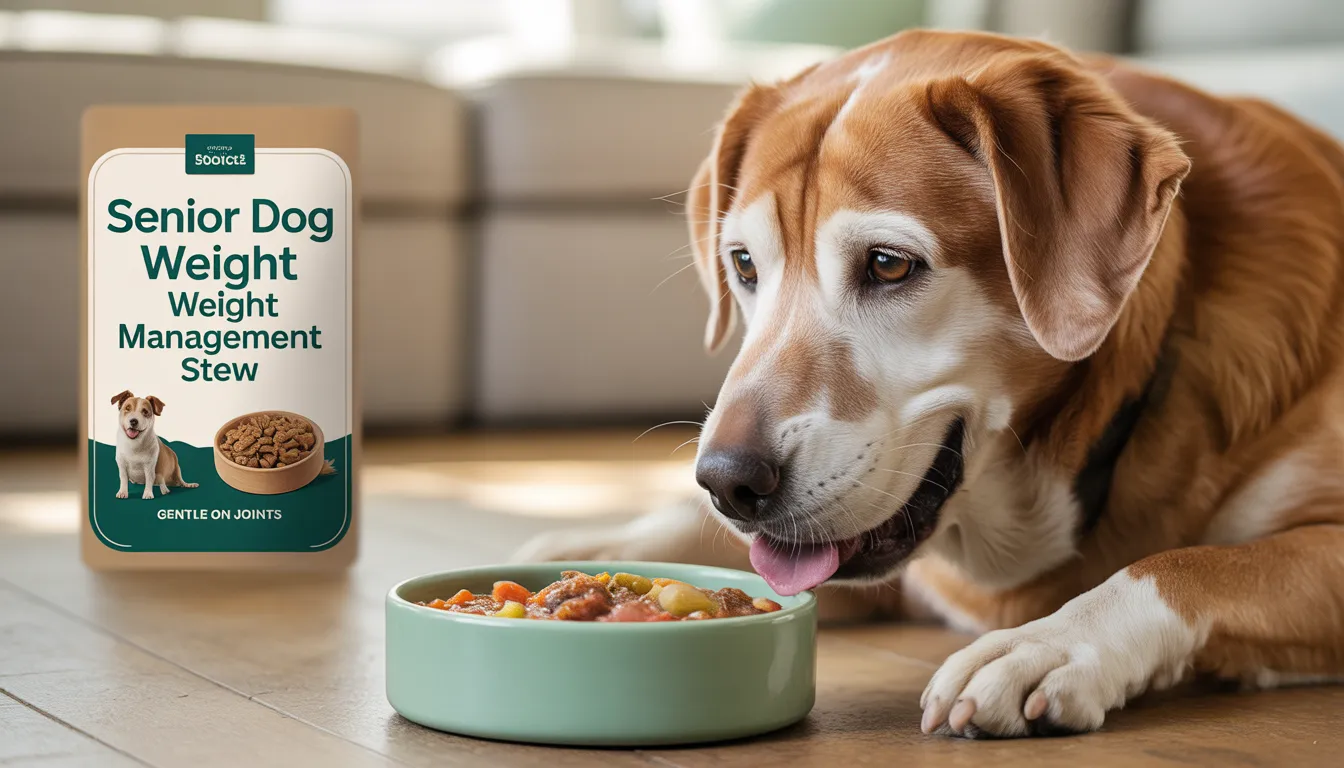
Senior Dog Weight Management Stew - Gentle on Joints
Best for: Older overweight dogs with joint issues. Includes glucosamine-rich ingredients and anti-inflammatory foods.
Ingredients
- White fish fillets (cod, tilapia) 1.5 lb (680g)
- Sweet potato, cubed 2 cups
- Green beans, chopped 2 cups
- Carrots, sliced 1 cup
- Celery, diced 1 cup
- Low-sodium fish or vegetable broth 6 cups
- Cooked oats 1 cup
- Fish oil supplement 2 tsp
- Glucosamine/chondroitin supplement As directed
Instructions
- Place fish fillets in a large pot with 2 cups of broth. Poach gently for 10-12 minutes until fish flakes easily.
- Remove fish with slotted spoon, reserving broth. Flake fish into small pieces, removing any bones.
- Add sweet potatoes, carrots, and celery to the broth. Bring to a boil, then reduce heat and simmer for 20 minutes.
- Add green beans and cook for an additional 10 minutes until all vegetables are tender.
- Return flaked fish to the pot along with cooked oats. Stir well and remove from heat.
- Allow to cool completely before mixing in fish oil and glucosamine supplements according to package directions.
- For senior dogs with dental issues, blend to desired consistency before serving.
Nutritional Information (per 1 cup serving)
Tracking Weight Loss Progress: Metrics That Matter
Effective weight loss monitoring involves more than just weighing your pet. From my clinical practice, I recommend tracking these key metrics to ensure healthy, sustainable progress.
Weekly Weigh-Ins
Weigh your dog at the same time each week, using the same scale. Record measurements in a journal or app. Target: 1-2% body weight loss weekly.
Monthly Body Measurements
Measure chest circumference (behind elbows), waist (narrowest point), and neck monthly. Sometimes inches lost are more noticeable than pounds.
Progress Photos
Take monthly photos from side, top, and front views. Visual documentation helps track changes that might be missed day-to-day.
Behavior & Energy Log
Note changes in energy levels, playfulness, mobility, and breathing. Improved vitality often precedes visible weight changes.
Creating a Weight Loss Dashboard
In my practice, I have clients create a simple weight loss
dashboard with four quadrants: 1) Weekly weight chart.
2) Monthly body measurements.
Progress photos, and 4) Behavioral observations. This holistic
approach helps identify patterns and celebrate non-scale
victories like increased playfulness or easier breathing.
Consider using pet health apps like
petpace.com
or creating a simple spreadsheet to track progress.
Overcoming Weight Loss Plateaus: Advanced Strategies
Weight loss plateaus are common in canine weight management. Based on my clinical experience with challenging cases, these plateau-breaking strategies can restart progress when standard approaches stall.
Plateau-Breaking Techniques
When weight loss stalls for 2+ weeks despite adherence to diet and exercise:
- Re-calculate calories: As weight decreases, calorie needs decrease. Reduce daily calories by 10%.
- Rotate protein sources: Switch from chicken to fish or turkey to potentially boost metabolism.
- Increase fiber temporarily: Add 1-2 tbsp of pureed pumpkin or green beans to meals for 1-2 weeks.
- Incorporate interval training: Add short bursts of faster walking during regular walks.
- Consider "diet breaks": After 12 weeks of weight loss, maintain for 2 weeks before resuming deficit.
- Rule out medical issues: Schedule veterinary checkup to ensure no underlying conditions.
Weight Loss Nutrition FAQs
How fast should my overweight dog lose weight?
Safe canine weight loss occurs at 1-2% of body weight per week. For example, a 50-pound dog should lose 0.5-1 pound weekly. Faster weight loss risks muscle wasting, nutritional deficiencies, and gallstones. The first 2-4 weeks often show faster initial loss (mostly water weight), then progress stabilizes. Senior dogs or those with health issues may lose more slowly at 0.5-1% weekly. Resources from wsava.org provide global veterinary consensus guidelines.
Can homemade food really help my dog lose weight?
Absolutely. In my clinical practice, homemade weight loss diets often achieve better results than commercial diet foods because:
- Precise calorie control: You know exactly how many calories are in each ingredient
- Higher moisture content: Adds volume without calories
- Customizable fiber: Adjust vegetable content for optimal satiety
- No hidden calories: Commercial foods may contain more fat than listed for palatability
- Fresh ingredients: Higher nutrient density supports metabolism
Studies referenced by acvn.org show properly formulated homemade diets can be highly effective for weight management.
What supplements are essential for weight loss diets?
Based on my nutritional formulations, these supplements are crucial for healthy weight loss:
- Complete vitamin/mineral mix: Ensures nutritional adequacy despite calorie restriction
- Omega-3 fatty acids: Fish oil reduces inflammation and may support fat metabolism
- L-carnitine (500mg per 20lb): Helps transport fatty acids for energy production
- Probiotics: Supports gut health during dietary changes
- Joint supplements: Glucosamine/chondroitin for overweight dogs' joint protection
Always consult your veterinarian for personalized supplement recommendations based on your dog's health status.
My dog seems hungry all the time on his diet. What can I do?
Hunger management is one of the biggest challenges in canine weight loss. From my experience, these strategies help:
- Divide meals: Feed 3-4 smaller meals throughout the day
- Incorporate high-volume vegetables: Green beans, broccoli, cauliflower added to meals
- Use puzzle feeders: Makes eating take longer, increasing satisfaction
- Add water or broth: Increases meal volume without calories
- Try psyllium husk: 1-2 teaspoons mixed with water before meals expands in stomach
- Ensure adequate protein: At least 25% of calories from protein increases satiety
- Distract between meals: Short walks or play sessions when begging occurs
If hunger persists despite these strategies, consult your veterinarian to ensure calorie restriction isn't too severe.
How do I maintain my dog's weight after reaching goal?
Weight maintenance requires ongoing vigilance. My maintenance protocol includes:
- Gradual calorie increase: Add 10% more calories weekly until weight stabilizes
- Continued monitoring: Weigh monthly and adjust if weight fluctuates ±2%
- Sustainable exercise: Maintain established activity routine
- Regular body condition scoring: Assess monthly using the 9-point scale
- Maintain meal structure: Continue divided meals and measured portions
- Treat management: Limit treats to <10% of daily calories; use vegetables as treats
- Annual veterinary checkups: Include weight discussion in yearly exams
Research from petobesityprevention.org shows dogs who maintain ideal weight live 2.5 years longer on average.
Are there specific breeds that struggle more with weight loss?
Yes, certain breeds have genetic predispositions to weight gain and may require tailored approaches:
- Labrador Retrievers: Have a genetic mutation (POMC) affecting appetite regulation; need strict portion control
- Dachshunds: Prone to back issues; weight loss crucial but exercise must be spine-friendly
- Cocker Spaniels: Often have thyroid issues; require veterinary screening
- Beagles: Food-motivated with efficient metabolism; benefit from high-fiber diets
- Pugs/Bulldogs: Brachycephalic breeds; exercise limitations require creative activity solutions
- Golden Retrievers: Prone to joint issues; need weight loss but also joint support supplements
Understanding breed-specific challenges allows for more effective, customized weight management plans. Breed-specific resources at akc.org provide additional guidance.