As a veterinary nutritionist with over 5+ years of experience specializing in geriatric canine nutrition, I've seen firsthand how proper homemade nutrition can transform the golden years of our beloved companions. This comprehensive senior dog homemade food guide will teach you how to prepare balanced, nutritious meals specifically formulated for dogs aged 7 years and older. Discover senior dog food recipes with optimal nutrient ratios, joint-supporting ingredients, and age-appropriate formulations for breeds of all sizes.
Senior dogs have unique nutritional requirements that differ significantly from adult dogs. Their metabolism slows, organ function changes, and age-related health conditions become more common. With my clinical experience preparing customized diets for hundreds of aging dogs, I've developed recipes that address these specific needs while maintaining palatability for finicky senior appetites. This guide covers everything from kidney-friendly homemade meals to arthritis-supporting recipes and cognitive health nutrition.
Table of Contents

Nutritional Changes in Senior Dogs: What's Different?
Understanding the physiological changes in aging dogs is crucial for formulating appropriate homemade meals. From my clinical practice, I've identified key nutritional shifts that occur as dogs enter their senior years, typically around age 7 for large breeds and 10 for small breeds.
Clinical Insight
In my practice, I've found that senior dogs often experience a 15-20% reduction in metabolic rate compared to their adult years. This doesn't mean they need fewer nutrients it means they need more nutrient-dense food with fewer calories to prevent weight gain while meeting their vitamin, mineral, and protein requirements.
Metabolism Changes
Senior dogs have a slower metabolic rate, requiring 20-30% fewer calories but the same or increased nutrient density. This is why portion control becomes critical.
Dental Health Decline
Up to 80% of dogs over age 7 have some degree of dental disease. Softer food textures and smaller pieces make eating more comfortable.
Cognitive Changes
Senior dogs may experience cognitive decline. Nutrients like antioxidants, omega-3s, and medium-chain triglycerides support brain health.
Kidney Function
Kidney function naturally declines with age. Reduced phosphorus and high-quality protein in controlled amounts support renal health.
Is Your Dog a Senior? Age Guidelines
Dogs age differently based on size and breed. Use this guide to determine if your dog is considered senior:
(Under 20 lbs)
(21-50 lbs)
(51-90 lbs)
(Over 90 lbs)
Complete Senior Health Chicken & Rice Formula
Balanced Nutrition
Complete Senior Health Chicken & Rice - Perfect for Healthy Aging Dogs
Best for: Senior dogs maintaining good overall health. Contains joint-supporting ingredients and antioxidants for healthy aging.
Ingredients
- Ground chicken breast 1 lb (450g)
- Brown rice, cooked 1.5 cups
- Sweet potatoes, mashed 1 cup
- Carrots, pureed ½ cup
- Green beans, finely chopped ½ cup
- Blueberries, mashed ¼ cup
- Flaxseed oil 1 tbsp
- Senior dog vitamin supplement as directed
- Glucosamine supplement ½ tsp
Instructions
- Cook ground chicken in a large skillet over medium heat until no longer pink (8-10 minutes). Drain excess fat.
- Steam sweet potatoes and carrots until very tender, then mash together.
- In a large bowl, combine cooked chicken, cooked brown rice, mashed sweet potato/carrot mixture, and finely chopped green beans.
- Gently fold in mashed blueberries.
- Allow mixture to cool to room temperature, then mix in flaxseed oil, vitamin supplement, and glucosamine.
- For dogs with dental issues, blend to desired consistency with a small amount of warm water.
- Portion into individual servings (adjust based on dog's weight and activity level).
Nutritional Information (per ½ cup serving for 30lb dog)
Common Senior Dog Health Conditions & Nutritional Solutions
From my clinical experience, certain health conditions become increasingly common as dogs age. Proper homemade nutrition can play a significant role in managing these conditions and improving quality of life.
Arthritis & Joint Issues
60% of senior dogs show signs of osteoarthritis. Incorporate glucosamine, chondroitin, omega-3 fatty acids, and turmeric into recipes to reduce inflammation and support joint health.
Kidney Disease
Senior kidney support requires controlled high-quality protein, reduced phosphorus, and increased omega-3s. Use egg whites and limited animal proteins with appropriate phosphorus binders.
Heart Disease
For cardiac patients, sodium restriction is critical. Use no-salt-added ingredients and incorporate taurine-rich proteins like chicken hearts (if not contraindicated).
Cognitive Decline
Canine cognitive dysfunction affects over 50% of dogs over age 11. Include antioxidants, medium-chain triglycerides (coconut oil), and DHA from fish oil to support brain health.
My Clinical Protocol for Senior Dogs
When I develop homemade diets for senior patients, I always start with a complete veterinary workup including bloodwork, urinalysis, and body condition scoring. This allows me to tailor the diet to the dog's specific needs. I recommend biannual checkups for senior dogs (every 6 months) rather than annual visits, as conditions can develop rapidly in older animals. Always work with your veterinarian when transitioning to homemade food, especially for dogs with pre-existing conditions.
Kidney-Support Turkey & Vegetable Stew
Low Phosphorus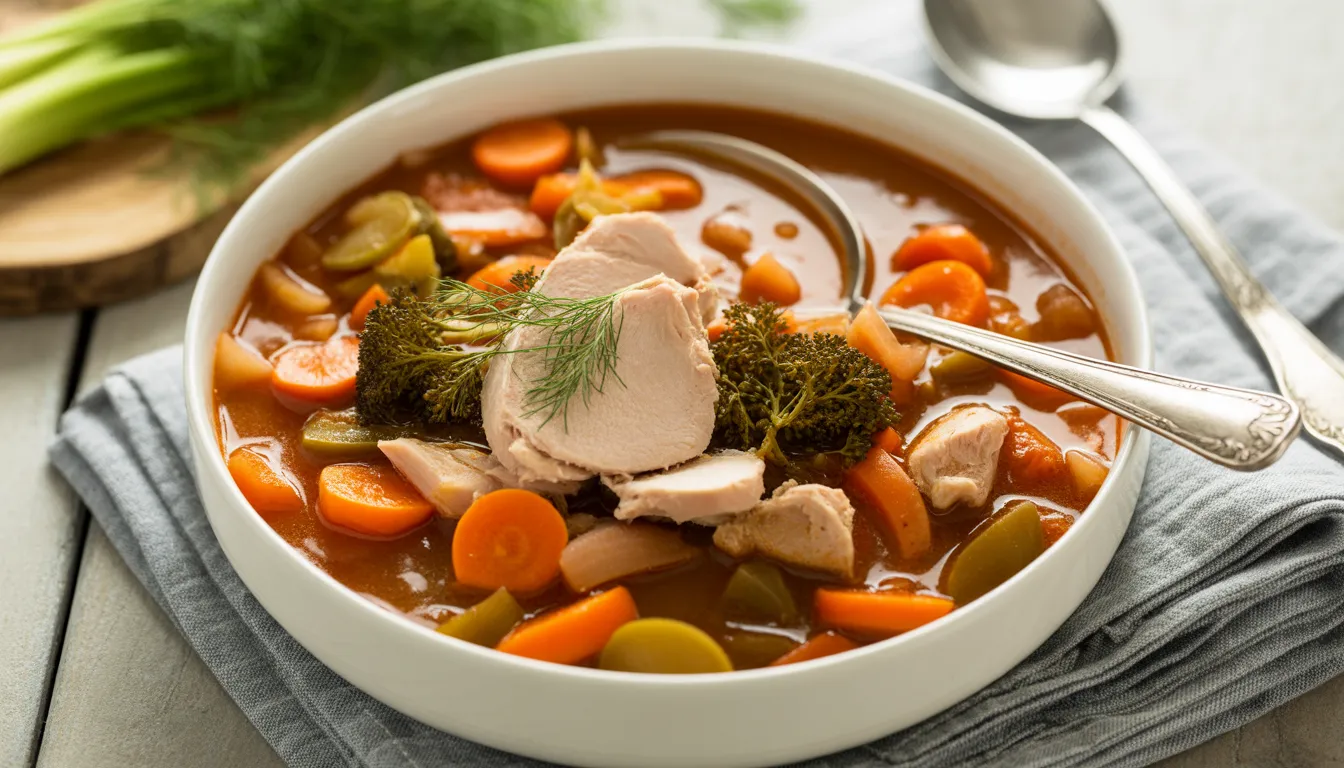
Kidney-Support Turkey & Vegetable Stew - Formulated for Renal Health
IMPORTANT: This recipe is for early stage kidney support only. Dogs with diagnosed kidney disease need individually formulated diets. Always consult your veterinarian.
Ingredients
- Ground turkey (lean) 1 lb (450g)
- Egg whites, cooked 4 large
- White rice, cooked 1.5 cups
- Zucchini, grated 1 cup
- Green beans, chopped 1 cup
- Carrots, pureed ½ cup
- Coconut oil 1 tbsp
- Fish oil (low vitamin D) 1 tsp
- Kidney support supplement as directed
Instructions
- Cook ground turkey in a skillet until fully done. Drain ALL fat.
- Hard boil eggs, separate whites from yolks (use only whites for low phosphorus).
- Steam zucchini, green beans, and carrots until very tender. Puree carrots.
- In a large bowl, combine cooked turkey, chopped egg whites, cooked rice, and vegetables.
- Allow to cool completely before adding coconut oil and fish oil.
- Mix in kidney support supplement according to package directions.
- Portion appropriately (typically ½-¾ cup per 20 lbs body weight, divided into 3 meals).
Nutritional Information (per ½ cup serving)
*Approximate values. Actual content varies by ingredients.
Portion Control for Senior Dogs: Avoiding Weight Gain
Senior dogs are prone to weight gain due to reduced activity and metabolic changes. However, maintaining lean body mass is crucial for joint health and mobility. Here's my clinical approach to senior dog portion control:
Weekly Senior Dog Meal Plan
Feeding Schedule: 2-3 smaller meals daily (morning, afternoon, optional evening). Total daily calories: Approximately 550-650 for a 30lb senior dog, adjusted for activity level and body condition.
My Body Condition Scoring Method
I teach all my clients to perform a simple body condition check monthly:
- Rib Check: You should be able to easily feel ribs with light pressure but not see them
- Waist Observation: Viewed from above, your dog should have a visible waist behind the ribs
- Abdominal Tuck: Viewed from the side, the abdomen should tuck up behind the rib cage
If your dog scores outside the ideal range (4-5 on a 9-point scale), adjust portions by 10% and recheck in 2 weeks. Senior dogs should be kept slightly lean to reduce joint stress.
Joint-Support Salmon & Sweet Potato Bowls
Anti-Inflammatory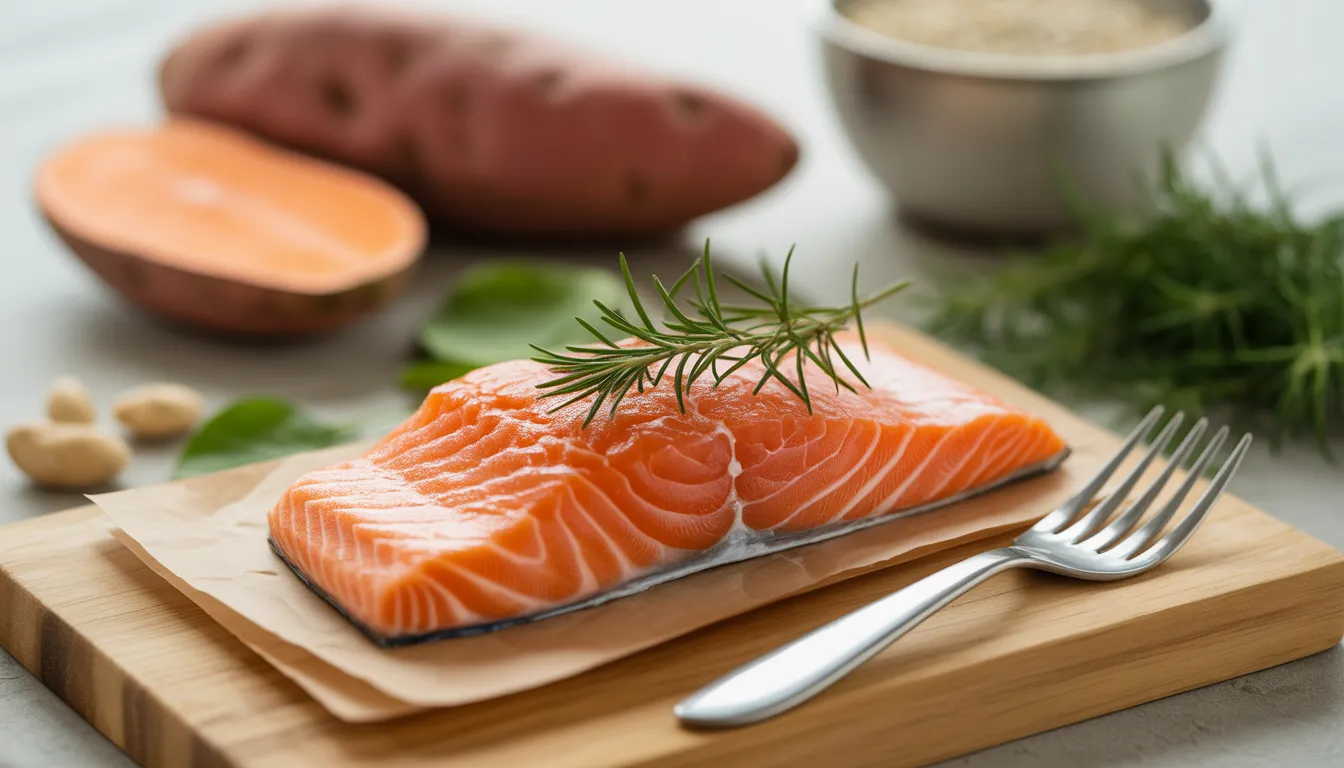
Joint-Support Salmon & Sweet Potato - For Arthritis & Mobility
Rich in omega-3 fatty acids and natural anti-inflammatories to support joint health and mobility in aging dogs.
Ingredients
- Salmon fillet, baked 1 lb (450g)
- Sweet potatoes, cooked and mashed 2 cups
- Green beans, finely chopped 1 cup
- Turmeric powder ½ tsp
- Black pepper ⅛ tsp
- Fish oil (high EPA/DHA) 2 tsp
- Glucosamine/chondroitin powder 1 tsp
- Egg, hard-boiled and chopped 1
- Parsley, fresh chopped 2 tbsp
Instructions
- Preheat oven to 375°F (190°C). Bake salmon for 15-20 minutes until flaky. Remove skin and bones.
- Cook sweet potatoes until very tender, then mash thoroughly.
- Steam green beans until soft, then chop finely.
- In a large bowl, combine flaked salmon, mashed sweet potatoes, and chopped green beans.
- Add turmeric and black pepper (black pepper enhances turmeric absorption).
- Mix in chopped hard-boiled egg and fresh parsley.
- Allow to cool, then add fish oil and glucosamine/chondroitin powder.
- For maximum joint benefit, serve at room temperature.
Nutritional Information (per ½ cup serving)
Special Condition Recipes & Modifications
Many senior dogs have multiple health conditions requiring specific dietary modifications. Here are my clinical recommendations for common senior dog scenarios:
Critical Medical Disclaimer
These modifications are for informational purposes only. Dogs with diagnosed medical conditions require veterinary-supervised diets. Never implement a therapeutic diet without consulting your veterinarian and preferably a board-certified veterinary nutritionist.
Common Senior Conditions & Dietary Adjustments
Heart Disease + Kidney Disease
Dual-modification required: Low sodium AND controlled phosphorus/protein. Use egg whites as primary protein, avoid high-sodium vegetables like celery, and consult a veterinary nutritionist.
Obesity + Arthritis
Weight management priority: Reduce calories by 20-30% while maintaining joint supplements. Increase non-starchy vegetables (green beans, broccoli) for volume without calories.
Dental Disease + Kidney Issues
Texture modification needed: Puree kidney-friendly recipes to gruel consistency. Ensure adequate water content to prevent dehydration while managing phosphorus intake.
Cognitive Decline + Picky Eating
Palatability enhancement: Gently warm food to enhance aroma. Add small amounts of low-sodium broth or canned pumpkin (not pie filling) to increase appeal while supporting brain health.
Transitioning Senior Dogs to Homemade Food
Senior dogs often have more sensitive digestive systems and may be resistant to dietary changes. Follow this extended transition plan over 14-21 days to prevent digestive upset and ensure acceptance:
10% New Food, 90% Old Food
Mix 1 part homemade food with 9 parts old food. Senior dogs need slower transitions. Monitor appetite, energy, and stool consistency daily.
25% New Food, 75% Old Food
Increase to 1:3 ratio. If any digestive upset occurs, return to previous ratio for 3 more days before attempting to increase again.
50% New Food, 50% Old Food
Equal parts old and new. This is the most critical phase. Watch for signs of food intolerance: vomiting, diarrhea, or changes in water consumption.
75-100% Homemade Food
Complete transition over 3 additional days. Some senior dogs do best staying at 75% homemade with 25% high-quality commercial food for variety.
My Senior Dog Transition Protocol
In my clinical practice, I recommend starting all senior dog transitions with the chicken and rice recipe first, as it's the most easily digestible. I also suggest adding a veterinary probiotic supplement during the transition period to support gut health. For dogs with chronic health conditions, I perform baseline bloodwork before starting the transition and repeat it 4-6 weeks after complete transition to monitor organ function and ensure nutritional adequacy.
Senior Dog Homemade Food FAQs
Do senior dogs need less protein in homemade food?
This is a common misconception. Healthy senior dogs actually need the same or slightly more high-quality protein than adult dogs to maintain lean muscle mass. The key is protein quality, not quantity reduction. However, dogs with diagnosed kidney disease may need protein restriction under veterinary guidance. According to research from tufts.edu, maintaining adequate protein helps prevent sarcopenia (age-related muscle loss) in senior dogs. I recommend high-biological-value proteins like eggs, chicken, and fish for senior dogs without renal issues.
What supplements are essential for senior dog homemade food?
Based on my clinical experience and current veterinary guidelines, these supplements are particularly important for senior dogs:
- Joint supplements: Glucosamine, chondroitin, and MSM for arthritis prevention
- Omega-3 fatty acids: High-EPA fish oil for anti-inflammatory effects
- Antioxidants: Vitamin E, C, and selenium for cognitive support
- Probiotics: For digestive health, especially during transitions
- Complete vitamin/mineral supplement: Formulated for senior dogs
- Medium-chain triglycerides: Coconut oil for cognitive function (in moderation)
Always choose supplements specifically formulated for dogs and consult your veterinarian for appropriate dosing based on your dog's health status.
How do I get my picky senior dog to eat homemade food?
Picky eating is common in senior dogs and can have multiple causes. Here's my stepwise approach:
- Rule out medical issues: Dental pain, nausea, and underlying disease can reduce appetite
- Enhance palatability: Gently warm food to body temperature, add low-sodium broth or a teaspoon of canned pumpkin
- Texture modification: Some seniors prefer pureed food, others like small chunks
- Feeding schedule: Offer smaller, more frequent meals (3-4 times daily)
- Hand feeding: Sometimes the social interaction stimulates eating
- Appetite stimulants: In consultation with your veterinarian if needed
If picky eating is accompanied by weight loss, immediate veterinary evaluation is essential.
Can homemade food help my dog live longer?
While no diet can guarantee longevity, proper nutrition significantly impacts quality of life and may extend healthspan. In my clinical experience, dogs transitioned to appropriate homemade diets often show:
- Improved energy levels and mobility
- Better body condition and muscle maintenance
- Enhanced coat quality and skin health
- More regular digestion
- Better management of chronic conditions
The key is appropriate nutrition tailored to the individual dog's needs. Research from akc.org suggests that optimal nutrition is one of the most important factors in healthy canine aging. However, genetics, veterinary care, and lifestyle also play crucial roles.
How often should I change recipes for my senior dog?
I recommend a rotational approach with 2-3 different protein sources rotated every 1-2 weeks. This provides nutritional variety and may help prevent food sensitivities. However, for senior dogs with specific health conditions (especially kidney or gastrointestinal issues), consistency may be more important than variety. My general guidelines:
- Healthy seniors: Rotate 3 recipes every 2 weeks
- Dogs with stable health conditions: Rotate 2 recipes monthly
- Dogs with complex medical needs: Stick to one veterinarian-approved recipe unless changes are medically indicated
Always transition between recipes gradually over 5-7 days, even when switching between your own homemade recipes.
What are signs my senior dog's homemade diet isn't working?
Monitor for these red flags indicating nutritional imbalance or health decline:
- Unexplained weight loss or gain (more than 5% body weight in a month)
- Changes in water consumption or urination (increased thirst can indicate kidney issues)
- Dull coat, excessive shedding, or skin problems
- Lethargy or decreased activity beyond normal aging
- Digestive issues (chronic diarrhea, constipation, or vomiting)
- Behavioral changes (confusion, anxiety, or sleep pattern disruptions)
If you notice any of these signs, consult your veterinarian immediately. Regular checkups (every 6 months for healthy seniors) with bloodwork help catch issues early.