Creating homemade rat food can be a rewarding way to ensure your pet rats receive optimal nutrition. Unlike commercial mixes that often contain fillers and low-quality ingredients, homemade diets allow you to control exactly what your rats eat. In this comprehensive 2026 guide, we'll explore everything you need to know about creating balanced, nutritious homemade rat food.
Rats are omnivores with specific nutritional requirements. A well-balanced homemade diet can significantly improve their health, longevity, and quality of life. Whether you're looking to supplement commercial food or create a complete homemade diet, this guide provides the knowledge and recipes you need.
Table of Contents
- Understanding Rat Nutrition Requirements
- Benefits of Homemade Rat Food
- Essential Ingredients for Rat Food
- 5 Balanced Homemade Rat Food Recipes
- Foods to Avoid: Toxic and Dangerous Items
- Essential Supplements for Balanced Nutrition
- Feeding Guide: Portions and Schedule
- Transitioning to Homemade Food
- Proper Storage and Preparation
- Frequently Asked Questions

Understanding Rat Nutrition Requirements
Rats require a balanced diet consisting of protein, carbohydrates, fats, vitamins, and minerals. Unlike many rodents, rats are true omnivores and need animal protein in their diet for optimal health.
2026 Rat Nutritional Requirements
Based on current veterinary nutrition research, adult rats require:
| Nutrient | Recommended % | Function | Best Sources |
|---|---|---|---|
| Protein | 12-16% | Growth, repair, immune function | Lean meats, eggs, legumes |
| Carbohydrates | 50-60% | Energy, digestive health | Whole grains, vegetables |
| Fats | 4-6% | Energy, skin/coat health | Seeds, nuts, fish oil |
| Fiber | 8-12% | Digestive health | Vegetables, whole grains |
| Calcium | 0.5-0.8% | Bone health | Dark leafy greens |
*Requirements vary for growing, pregnant, or senior rats. Consult a veterinarian for specific needs.
It's important to note that rats cannot synthesize vitamin C like humans, but they don't require dietary vitamin C supplementation either. However, they do need adequate vitamin D, which they can synthesize from sunlight exposure.
Did You Know?
Rats have a relatively high protein requirement compared to other rodents. Growing rats, pregnant females, and nursing mothers need up to 18-20% protein in their diet. Always adjust protein levels based on your rat's life stage and activity level.
Benefits of Homemade Rat Food
Creating homemade rat food offers several advantages over commercial mixes:
Quality Control
You control the quality of every ingredient, avoiding fillers, artificial colors, and preservatives found in some commercial foods.
Freshness
Homemade food is fresher than store-bought mixes that may have been sitting on shelves for months, preserving more nutrients.
Cost Effective
While initial setup may require investment, homemade diets can be more economical long-term, especially for multiple rats.
Healthier Rats
Proper nutrition reduces obesity, improves coat quality, strengthens immune system, and can extend lifespan by 1-2 years.
Essential Rat Food Ingredients Kit
Recommended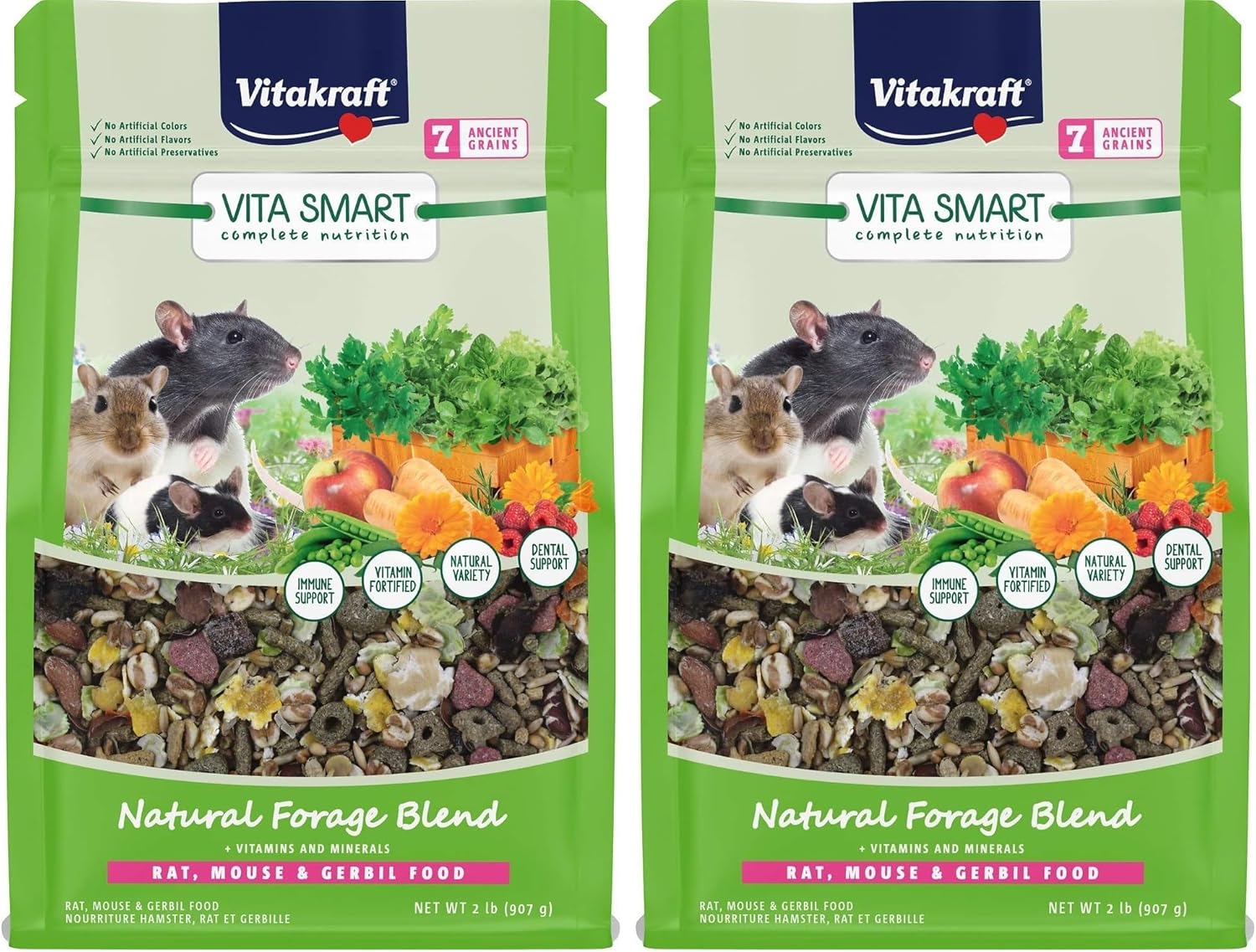
Complete Rat Nutrition Starter Kit
Includes organic whole grains, high-quality protein sources, essential vitamin supplements, and storage containers for creating balanced homemade rat food.
Check Amazon PriceEssential Ingredients for Rat Food
A balanced homemade rat diet should include ingredients from all these categories:
Protein Sources (12-16% of diet)
- Animal proteins: Cooked chicken, turkey, lean beef, fish (cooked, boneless), eggs (cooked), mealworms, crickets
- Plant proteins: Cooked lentils, chickpeas, black beans, tofu, tempeh
- Dairy (in moderation): Plain yogurt, cottage cheese, small amounts of hard cheese
Carbohydrate Sources (50-60% of diet)
- Whole grains: Brown rice, quinoa, oats, barley, whole wheat pasta, whole grain bread (small amounts)
- Vegetables: Sweet potatoes, carrots, peas, corn, broccoli, cauliflower, bell peppers
- Fruits (in moderation): Apples, bananas, berries, melons (remove seeds when necessary)
Healthy Fats (4-6% of diet)
- Nuts and seeds: Sunflower seeds, pumpkin seeds, flax seeds, walnuts, almonds (unsalted)
- Oils: Flaxseed oil, fish oil (small amounts added to food)
- Other: Avocado (small amounts, pit and skin removed)

5 Balanced Homemade Rat Food Recipes
Recipe 1: Basic Balanced Rat Mix
Ingredients:
- 1 cup cooked brown rice
- ½ cup cooked quinoa
- ¼ cup cooked chicken, shredded
- ¼ cup cooked peas and carrots
- 2 tablespoons cooked lentils
- 1 tablespoon sunflower seeds
- 1 teaspoon flax seeds
- ½ teaspoon calcium supplement (crushed eggshell or commercial supplement)
Instructions:
- Cook all grains separately according to package directions
- Cook chicken thoroughly (boil or bake without seasoning)
- Mix all ingredients in a large bowl
- Store in airtight container in refrigerator
- Serve 2-3 tablespoons per rat daily, adjusting based on weight and activity
Recipe Tip:
This basic mix can be customized with different proteins and vegetables. Rotate ingredients weekly to provide nutritional variety.
Recipe 2: High-Protein Growth Mix (for young, pregnant, or nursing rats)
Ingredients:
- ½ cup cooked quinoa
- ½ cup cooked whole wheat pasta
- ⅓ cup cooked lean ground turkey
- ¼ cup cooked egg, chopped
- ¼ cup cooked broccoli, chopped
- ¼ cup cooked sweet potato, mashed
- 2 tablespoons plain yogurt
- 1 tablespoon pumpkin seeds
- ½ teaspoon nutritional yeast (for B vitamins)
Instructions:
- Cook all ingredients separately without salt or seasoning
- Chop cooked proteins and vegetables into small, rat-sized pieces
- Mix all ingredients thoroughly
- Add yogurt just before serving (not during storage)
- Serve 3-4 tablespoons per rat daily
Recipe 3: Senior Rat Maintenance Mix (for rats over 18 months)
Ingredients:
- ¾ cup cooked oatmeal
- ¼ cup cooked chicken, finely shredded
- ¼ cup cooked butternut squash, mashed
- ¼ cup cooked green beans, chopped
- 2 tablespoons cooked lentils
- 1 tablespoon ground flax seeds
- 1 teaspoon fish oil (for joint health)
- ½ teaspoon turmeric (anti-inflammatory)
Instructions:
- Cook oatmeal with water (no milk, sugar, or salt)
- Cook chicken thoroughly and shred into tiny pieces
- Steam vegetables until soft
- Mix all ingredients while warm (helps with digestion)
- Add fish oil just before serving
- Serve 1-2 tablespoons per senior rat twice daily
Foods to Avoid: Toxic and Dangerous Items
NEVER Feed These Foods to Rats:
- Chocolate: Contains theobromine, toxic to rats
- Caffeine: Coffee, tea, soda - can cause heart issues
- Alcohol: Extremely toxic, even in small amounts
- Green potatoes and potato eyes: Contain solanine, a toxin
- Raw beans: Contain lectins, must be cooked thoroughly
- Raw sweet potato: Contains trypsin inhibitors, must be cooked
- Rhubarb: Contains oxalic acid, toxic to rats
- Citrus fruits (in large amounts): Can cause kidney damage in male rats
- Blue cheese and moldy foods: Can contain toxins
- Sugary or salty human junk food: Causes obesity and health issues
Safe Treats (in moderation):
Small pieces of cooked pasta, plain popcorn (no butter/salt), whole grain cereal (unsweetened), small amounts of banana, berries, or melon. Treats should not exceed 10% of total diet.
Healthy Rat Treats
Natural Ingredients
Organic Rat Treat Variety Pack
All-natural treats made with organic ingredients. Includes dried fruits, vegetables, and protein bites perfect for training or occasional treats.
Check Amazon PriceEssential Supplements for Balanced Nutrition
Even with a varied homemade diet, some supplements may be necessary to ensure complete nutrition:
| Supplement | Purpose | Dosage | Natural Sources |
|---|---|---|---|
| Calcium | Bone health, prevents hind leg degeneration | Small pinch daily | Crushed eggshell, dark leafy greens |
| Vitamin D | Calcium absorption, immune function | Natural sunlight or UVB light | Fish oil, egg yolk (cooked) |
| Omega-3 Fatty Acids | Coat health, brain function, anti-inflammatory | 1-2 drops 2x weekly | Flax seeds, fish oil, walnuts |
| B Vitamins | Energy metabolism, nervous system | Small pinch nutritional yeast | Nutritional yeast, whole grains |
| Probiotics | Digestive health, immune support | Small amount plain yogurt | Plain yogurt, kefir |
Important:
Consult with a veterinarian experienced with rats before adding supplements. Over-supplementation can be as harmful as deficiencies. Blood tests can identify specific needs.
Feeding Guide: Portions and Schedule
Proper feeding amounts depend on your rat's age, weight, and activity level:
2026 Rat Feeding Guidelines
| Rat Type | Daily Amount | Protein % | Feeding Schedule | Special Notes |
|---|---|---|---|---|
| Young (1-6 months) | 20-30g | 16-20% | 3x daily | Growing rats need frequent meals |
| Adult (6-18 months) | 15-25g | 12-16% | 2x daily | Monitor weight monthly |
| Senior (18+ months) | 10-20g | 12-14% | 2-3x daily (smaller meals) | Softer foods recommended |
| Pregnant/Nursing | 25-35g | 18-20% | Unlimited access | High calcium needed |
| Overweight | 12-18g | 14-16% | 2x daily, measured | Increase exercise, limit treats |
*Amounts are per rat. Adjust based on individual metabolism and activity level.
Main Meal
Offer 60% of daily food. Include protein source, grains, and vegetables. Remove uneaten food after 2 hours to prevent spoilage.
Fresh Vegetables
Offer a variety of fresh, washed vegetables. Rotate types daily for nutritional variety.
Evening Meal
Offer remaining 40% of daily food. Rats are naturally more active at night, so evening feeding aligns with their natural rhythms.

Transitioning to Homemade Food
Transition gradually over 7-10 days to prevent digestive upset:
25% New, 75% Old
Mix homemade food with current diet. Monitor stool consistency and appetite closely.
50% New, 50% Old
Equal parts new and old food. Watch for any signs of digestive distress or food rejection.
75% New, 25% Old
Mostly new food with small amount of old. Most rats adjust well by this stage.
100% Homemade
Complete transition. Continue monitoring weight and overall health.
Transition Tips:
- Start healthy rats: Don't transition sick or stressed rats
- Weigh weekly: Ensure they're maintaining proper weight
- Keep familiar items: Use same bowls and feeding locations
- Be patient with picky eaters: Some rats need longer transitions
- Consult a vet: If diarrhea or weight loss occurs, slow the transition
Proper Storage and Preparation
Dry Ingredient Storage
Store grains, seeds, and supplements in airtight containers in a cool, dark place. Use within 3-6 months for optimal freshness.
Prepared Food Storage
Store prepared meals in airtight containers in refrigerator for up to 4 days, or freeze in portion-sized containers for up to 3 months.
Preparation Safety
Wash hands before preparation. Use clean utensils and surfaces. Cook all meats and eggs thoroughly. Wash all fruits and vegetables.
Serving Temperature
Serve food at room temperature. Never serve hot food. Thaw frozen food in refrigerator overnight, not at room temperature.
Additional Resources
Final Thoughts on Homemade Rat Food
Creating homemade rat food requires commitment but offers significant benefits for your rat's health and wellbeing. Start with one recipe, monitor your rat's response, and gradually expand your repertoire. Remember that variety is key rotate ingredients and recipes to ensure balanced nutrition.
Always consult with a veterinarian experienced with rats, especially if you notice weight changes, digestive issues, or other health concerns. With proper planning and preparation, homemade rat food can be a rewarding way to provide optimal nutrition for your furry friends.