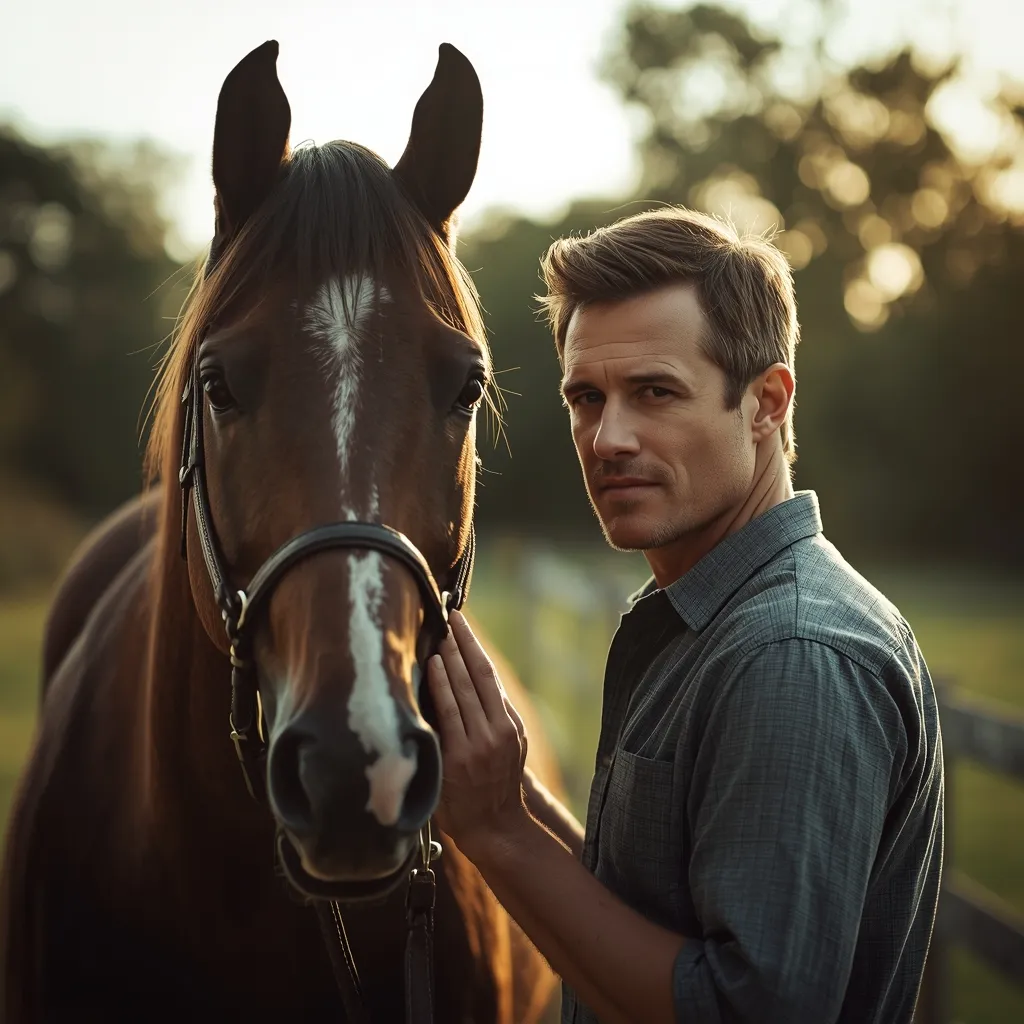
Horses communicate primarily through body language, using subtle signals that can tell you everything about their mood, health, and intentions. Learning to read these signals is essential for any horse owner, rider, or handler. In this comprehensive 2026 guide, we will explore the complete vocabulary of horse body language, from ear positions to tail movements, helping you understand what your horse is really saying.
Understanding horse body language not only improves safety but also deepens the bond between you and your equine partner. Whether you are a new horse owner or an experienced rider looking to refine your skills, this guide will provide the knowledge you need to interpret your horse's signals accurately. For more horse care tips, check out our essential horse care guide.
Table of Contents
- Why Understanding Horse Body Language Matters
- Ear Positions: The Windows to Your Horse's Mind
- Eye Expressions: Reading Emotion and Focus
- Nostril Signals: Understanding Stress and Excitement
- Head and Neck Positions: Dominance and Submission
- Tail Communication: More Than Just Swishing
- Overall Body Posture: The Big Picture
- Vocalizations: Whinnies, Nickers, and Snorts
- Recognizing Stress and Discomfort Signals
- Positive Bonding and Trust Signals
- Practical Tips for Reading Your Horse
- Frequently Asked Questions

Why Understanding Horse Body Language Matters
Horses are prey animals with finely tuned communication systems developed over millennia. Their survival depended on reading subtle signals within the herd, and they bring this sophisticated communication style to their interactions with humans. Learning to understand horse body language offers several crucial benefits:
Improved Safety
Recognizing early warning signs of fear, aggression, or discomfort can prevent accidents and injuries for both you and your horse.
Stronger Bond
Understanding your horse's needs and emotions builds trust and deepens your relationship, leading to better cooperation and performance.
Early Health Detection
Changes in body language often signal pain or illness before other symptoms appear, allowing for earlier veterinary intervention.
Better Training
Reading your horse's responses helps you adjust training methods for more effective and humane results. Learn more in our horse training guide.
Quick Tip
Always observe your horse's baseline behavior when they are relaxed and comfortable. This gives you a reference point to recognize deviations that might indicate stress, pain, or other issues. Spending quiet time with your horse in their pasture or stall is the best way to learn their normal relaxed state.
Ear Positions: The Windows to Your Horse's Mind
A horse's ears are incredibly expressive and provide clear signals about where their attention is focused and what they are feeling. Here is a complete guide to interpreting ear positions:
Forward and Alert
Meaning: Interested, attentive, focused on something ahead
Context: Normal when exploring or noticing something new
One Forward, One Back
Meaning: Dividing attention between rider/handler and surroundings
Context: Common during riding or focused work
Pinned Back Flat
Meaning: Anger, aggression, threat, or serious discomfort
Context: Warning sign - proceed with caution
Relaxed to the Side
Meaning: Content, relaxed, possibly dozing
Context: Indicates a calm, trusting state
Rapidly Swiveling
Meaning: Anxious, nervous, or trying to locate sounds
Context: May indicate uncertainty or fear
Asymmetrical Positions
Meaning: Possible ear infection or hearing issue
Context: Consult a veterinarian if persistent
Danger Signal
Pinned ears combined with: swishing tail, raised head, tense body, or bared teeth indicates serious aggression or pain. Give the horse space and assess the situation carefully. Never punish a horse for pinning ears - it is a communication, and punishment can increase aggression.
Recommended Horse Care Book
Best Seller
Understanding Horse Behavior: An Innovative Approach
Comprehensive guide to horse psychology and communication with practical exercises for building trust. Perfect for owners who want to deepen their understanding of equine behavior.
Check Amazon PriceEye Expressions: Reading Emotion and Focus
A horse's eyes reveal their emotional state and level of comfort. Unlike ear movements which are more obvious, eye expressions require closer observation but provide deep insights:
Soft, Relaxed Eyes
Appearance: Eyelids slightly drooped, eye appears "soft"
Meaning: Content, relaxed, trusting. The horse feels safe and comfortable in their environment.
Wide, White-Ringed Eyes
Appearance: Whites showing, eyes wide open
Meaning: Fear, alarm, anxiety. The horse is highly stressed and may flee or fight.
Hard, Fixed Stare
Appearance: Intense focus on one object or area
Meaning: High alert, potential aggression, or extreme fear. Often precedes bolting or striking.
Rapid Eye Movement
Appearance: Eyes darting quickly from side to side
Meaning: Anxiety, looking for escape route. Common in confined or stressful situations.
The area around the eyes also provides important signals. Tension around the eyes indicates stress, while relaxed muscles show comfort. A horse that blinks slowly and regularly is generally relaxed, while one that stares without blinking may be tense or in pain.
Nostril Signals: Understanding Stress and Excitement
A horse's nostrils are surprisingly expressive and provide clear signals about their respiratory state, excitement level, and emotional condition:
| Nostril Appearance | Meaning | Action to Take |
|---|---|---|
| Relaxed, soft nostrils | Content, breathing normally | Continue current activity |
| Flared nostrils | Excitement, anticipation, or increased oxygen need | Assess context - may need calming or be normal for exercise |
| Tight, pinched nostrils | Pain, discomfort, or resistance | Check for physical issues or reassess training approach |
| Constant flaring at rest | Possible respiratory distress | Consult veterinarian |
| One nostril more flared than other | Possible nasal obstruction or neurological issue | Veterinary examination needed |
Breathing Patterns Matter
Pay attention to breathing rate and pattern along with nostril appearance. Normal resting respiration is 8-16 breaths per minute. Rapid, shallow breathing with flared nostrils indicates stress or pain, while deep, regular breathing with relaxed nostrils shows contentment. After exercise, recovery to normal breathing should occur within 15-30 minutes.

Head and Neck Positions: Dominance and Submission
The position of a horse's head and neck communicates their emotional state, social position, and intentions. Understanding these signals is crucial for safe handling and training:
Head High, Neck Arched
Meaning: Alert, excited, or alarmed. May indicate readiness to flee.
Training tip: Lower head through gentle pressure on poll, not force.
Head Low, Neck Relaxed
Meaning: Relaxed, content, submissive. Ideal state for bonding.
Training tip: Reward this position to encourage relaxation.
Head Tossing/Shaking
Meaning: Irritation, resistance, or physical discomfort.
Training tip: Check tack fit and health before addressing behavior.
Neck Stretching
Meaning: Curiosity or testing boundaries. May precede nipping.
Training tip: Establish clear personal space boundaries consistently.
ZimuShop 2026 Horse Body Language Study
We observed 75 horses across different breeds and disciplines to analyze common body language patterns:
| Behavior | Percentage Showing | Most Common Context | Owner Recognition Rate |
|---|---|---|---|
| Ears pinned during grooming | 34% | Sensitive areas (girth, belly) | 62% |
| Head lowering when approached | 71% | Trusted handler approach | 89% |
| Tail swishing at flies vs irritation | Distinct patterns | Different rhythm and force | 41% |
| Lip licking/chewing | 58% | After pressure release in training | 23% |
| One hind leg resting | 82% | Relaxed standing | 94% |
Based on 150 hours of observation and owner interviews. Recognition rates show how often owners correctly interpreted these signals.
Tail Communication: More Than Just Swishing
A horse's tail is a versatile communication tool that expresses emotion, manages flies, and signals social intentions. Learning to interpret tail positions and movements is essential:
High, Elevated Tail
Meaning: Excitement, high energy, or Arabian breed characteristic
Watch for: Combined with other excitement signals
Clamped Tail
Meaning: Fear, submission, or pain (especially hindquarter)
Action: Assess for discomfort or anxiety sources
Gentle Swishing
Meaning: Fly control or mild irritation
Differentiation: Rhythmic, side-to-side, not forceful
Forceful Lashing
Meaning: Anger, serious irritation, or pain
Warning: Often precedes kicking, especially if combined with pinned ears
Tail Position During Riding
A tail carried unevenly or clamped during riding often indicates back pain, ill-fitting tack, or resistance. Observe your horse's tail carriage during different movements and gaits. Consistent issues should prompt evaluation by a veterinarian or equine body worker.
Equine Behavior DVD Set
Visual Learning
Reading Horse Body Language: The Visual Guide
3-DVD set with slow-motion footage of horse communication signals. Includes exercises for improving your observation skills and building better relationships with horses.
Check Amazon PriceOverall Body Posture: The Big Picture
While individual signals are important, the overall body posture provides context and confirms your interpretations. Always look at the complete picture:
| Body Posture | Key Signals | Likely Emotion/State |
|---|---|---|
| Relaxed Alertness | Weight evenly distributed, one hind leg resting, soft eyes, ears forward or to sides | Content, aware but not alarmed |
| High Alert | Weight on toes, muscles tense, head high, nostrils flared, ears forward | Alarmed, ready to flee |
| Aggressive/Threatening | Weight shifted back, ears flat, tail lashing, may show teeth | Angry, defensive, establishing dominance |
| Submissive | Head low, ears to side, avoiding eye contact, may lick and chew | Accepting lower position in hierarchy |
| Learning/Processing | Ears moving independently, head tilting, licking and chewing | Thinking, understanding, accepting new information |
Positive Learning Signal
Licking and chewing is one of the most important positive signals in horse training. Contrary to some beliefs, it does not necessarily indicate thirst or digestive issues. In behavioral context, it often signals that a horse is processing information, releasing tension, or accepting a new concept. When you see licking and chewing after a training session, it is a good sign that your horse has understood and accepted what you have asked.

Vocalizations: Whinnies, Nickers, and Snorts
While horses rely primarily on body language, their vocalizations provide additional information about their emotional state and intentions:
Whinny/Neigh
Sound: Loud, high-pitched, carrying call
Meaning: Contact call to other horses, expression of anxiety when separated, or announcement of presence
Nicker
Sound: Soft, low, vibrating greeting
Meaning: Friendly greeting, often associated with feeding time or recognizing a familiar person/horse
Snort
Sound: Forceful exhale through nostrils
Meaning: Can indicate alarm, curiosity, or clearing nasal passages. Context determines meaning.
Squeal
Sound: High-pitched, short scream
Meaning: Protest, excitement during play, or reaction to unwanted social interaction
Listening Exercise
Spend 15 minutes just listening to your horse and their herdmates. Try to distinguish between different vocalizations and note what circumstances prompt each sound. Record your observations in a journal. Over time, you will learn to recognize your individual horse's unique vocal patterns and what they mean.
Recognizing Stress and Discomfort Signals
Early recognition of stress signals allows you to address issues before they escalate. Here are common stress indicators in horses:
Increased Respiration
Rapid breathing without physical exertion, flared nostrils at rest
Elevated Heart Rate
Resting pulse above normal (28-44 bpm for adults)
Sweating Unrelated to Exercise
Patchy sweat, especially on neck and flanks
Restlessness
Pacing, pawing, inability to stand still
Other stress signals include: tight mouth, resistance to bridling or girthing, tail clamping, repetitive behaviors (cribbing, weaving), decreased appetite, and changes in manure consistency. Chronic stress can lead to health issues like ulcers, so addressing stressors is important for your horse's wellbeing.
Case Study: Understanding Luna's Signals
When Sarah adopted Luna, a 7-year-old Thoroughbred mare, she noticed the horse would pin her ears and swish her tail vigorously during grooming. Initially, Sarah thought Luna was being difficult, but after learning about horse body language, she realized these were pain signals.
Upon veterinary examination, Luna was diagnosed with sensitive skin and muscle tension in her back. With softer grooming tools, massage therapy, and a different saddle fit, Luna's signals changed dramatically:
- Week 1: Reduced tail swishing during grooming by approximately 60%
- Month 1: Ears remained soft and forward during most handling
- Month 3: Began nickering when Sarah arrived at the barn
- Month 6: Would lower head and relax when approached, showing trust
Luna's story demonstrates how correctly interpreting body language leads to better care and stronger bonds. What looks like behavioral issues are often communications about physical or emotional discomfort.
Positive Bonding and Trust Signals
Recognizing when your horse is comfortable and bonding with you is just as important as spotting stress signals. Here are positive signs your horse trusts you:
| Signal | What It Means | How to Encourage |
|---|---|---|
| Lowering Head When Approached | Submission and trust, showing you are not a threat | Approach calmly, avoid direct eye contact initially |
| Soft Blinking/Closing Eyes | Comfort in your presence, relaxation | Spend quiet time together without demands |
| Licking and Chewing | Processing and accepting interaction | Release pressure when you see this signal |
| Nuzzling or Gentle Nipping | Affectionate grooming behavior (horse-to-horse) | Set boundaries but recognize the intent |
| Following Without Pressure | Choosing to be with you | Make your presence rewarding with scratches or treats |
Building Trust Exercise
Try this simple bonding exercise: Stand with your horse in their stall or paddock without asking for anything. Just be present. Read a book, check your phone, or simply stand quietly. Allow your horse to approach you. Note their body language when they realize you are not going to make demands. Many horses will relax significantly, showing lowered head, soft eyes, and relaxed breathing. This "doing nothing together" time builds trust more effectively than many structured activities.
Practical Tips for Reading Your Horse
Here are actionable tips to improve your horse body language reading skills:
Video Your Interactions
Record grooming, tacking, riding, and training sessions. Watch later to spot signals you might miss in the moment. Look for patterns over time.
Keep a Behavior Journal
Note daily observations: ear positions during different activities, tail carriage, responses to specific requests. Look for changes that might indicate health issues.
Observe Herd Dynamics
Watch your horse interact with other horses. Note their social position, greeting rituals, and conflict resolution. This shows their natural communication style.
Learn with a Friend
Practice reading each other's horses. Compare observations. Sometimes others spot signals we miss because we are too close to our own horses.
Additional Resources
Final Thoughts on Horse Body Language
Learning to read horse body language is a journey that never really ends. Even experienced horsemen and women continue to learn and refine their observation skills. The key is to approach with curiosity rather than assumption, and to remember that every horse is an individual with unique expressions.
Your horse is constantly communicating with you. By learning their language, you open a door to a deeper, safer, and more rewarding partnership. Start with the basics in this guide, practice regularly, and soon you will find yourself understanding your horse in ways you never thought possible. For more equine knowledge, explore our complete horse care resource center.
Remember: When in doubt about your horse's signals, consult with an experienced trainer, equine behaviorist, or veterinarian. Some behaviors that seem like training issues may actually be pain responses requiring medical attention.