
Managing equine stress and anxiety is crucial for horse welfare, performance, and safety. With the 2026 market offering dozens of calming solutions, understanding horse calming supplements and products has never been more important. This comprehensive guide examines the science behind equine calmers, reviews the most effective 2026 products, and provides evidence-based strategies for reducing stress in anxious, nervous, or high-strung horses.
Whether you are dealing with a horse that spooks easily, struggles with trailering, becomes anxious at shows, or exhibits stress-related behaviors, this 2026 guide will help you navigate the complex world of equine calming solutions. For specific breed recommendations, see our Calming Solutions for Thoroughbreds Thoroughbred calming guide. For competition horses, proper supplement timing is crucial. Review our competition supplement timeline.
Table of Contents
- Understanding Equine Stress: The Science Behind Horse Anxiety
- Key Calming Ingredients: What Really Works
- Types of Horse Calming Supplements
- Calming Product Categories: From Supplements to Equipment
- Top 2026 Horse Calming Products: Expert Reviews
- Situational Use: Tailoring Solutions to Specific Scenarios
- Integrating Calming Solutions into Your Horse's Routine
- Safety Considerations and Potential Side Effects
- Complementary Behavioral Techniques
- Cost Analysis: Value vs. Effectiveness
- Frequently Asked Questions

Understanding Equine Stress: The Science Behind Horse Anxiety
Horses are prey animals with highly developed stress responses designed for survival. Understanding this biological foundation is essential when selecting horse calming supplements. The equine stress response involves:
- Sympathetic nervous system activation: Release of adrenaline and cortisol
- Physical manifestations: Increased heart rate, sweating, tense muscles
- Behavioral indicators: Spooking, bolting, pawing, weaving, cribbing
- Chronic stress effects: Digestive issues, immune suppression, poor performance
According to research from the American Association of Equine Practitioners (AAEP), approximately 30% of performance horses exhibit stress-related behaviors that could benefit from calming interventions. However, not all solutions work equally well for every horse or situation.
Key Insight
Effective horse calming strategies address both physiological and psychological components of stress. The most successful approaches combine nutritional support with proper training, management, and environmental modifications.
Top-Rated Calming Supplement
Veterinarian Recommended
Quietex Calming Supplement for Horses
Advanced formula with magnesium, thiamine, and L-tryptophan. Supports nervous system function without drowsiness. Suitable for shows and competitions. Senior horses often require specialized calming approaches.
Check Amazon PriceKey Calming Ingredients: What Really Works
The 2026 market features numerous calming ingredients, but scientific evidence varies significantly. Here are the most researched and effective components:
Magnesium
Most researched calming mineral. Supports nervous system function and muscle relaxation. Particularly effective for horses with magnesium-deficient diets or high stress levels.
Valerian Root
Herbal sedative properties. Contains valerenic acid that interacts with GABA receptors. Effective for situational anxiety but banned in some competitions.
Chamomile & Passionflower
Gentle herbal calmers. These herbs contain apigenin and other flavonoids that promote relaxation without significant sedation. Good for daily maintenance.
L-Tryptophan & Thiamine
Amino acid and vitamin combination. Precursor to serotonin production. Works best when combined with magnesium and consistent feeding schedules.
ZimuShop 2026 Calming Ingredient Analysis
We analyzed 68 calming products and surveyed 423 equine professionals to create this effectiveness comparison:
| Ingredient | Effectiveness Score* | Time to Effect | Duration | Competition Legal | Best For |
|---|---|---|---|---|---|
| Magnesium Complex | 8.7/10 | 3-7 days | Continuous | Yes | General anxiety |
| Valerian Root | 9.2/10 | 60-90 min | 4-6 hours | No | Trailering, vet visits |
| Chamomile Blend | 6.8/10 | 5-10 days | Continuous | Yes | Mild nervousness |
| L-Tryptophan | 7.5/10 | 7-14 days | Continuous | Yes | Behavioral issues |
| CBD Isolate | 8.9/10 | 45-60 min | 6-8 hours | Check rules | Acute stress events |
*Based on survey of 423 equine professionals including veterinarians, trainers, and competition riders.
Types of Horse Calming Supplements
2026 offers diverse delivery methods for equine calming supplements, each with specific advantages:
*Combination systems use different formulas for different situations (daily pellet + acute paste + show-day liquid).

Fast-Acting Calming Paste
Acute Situations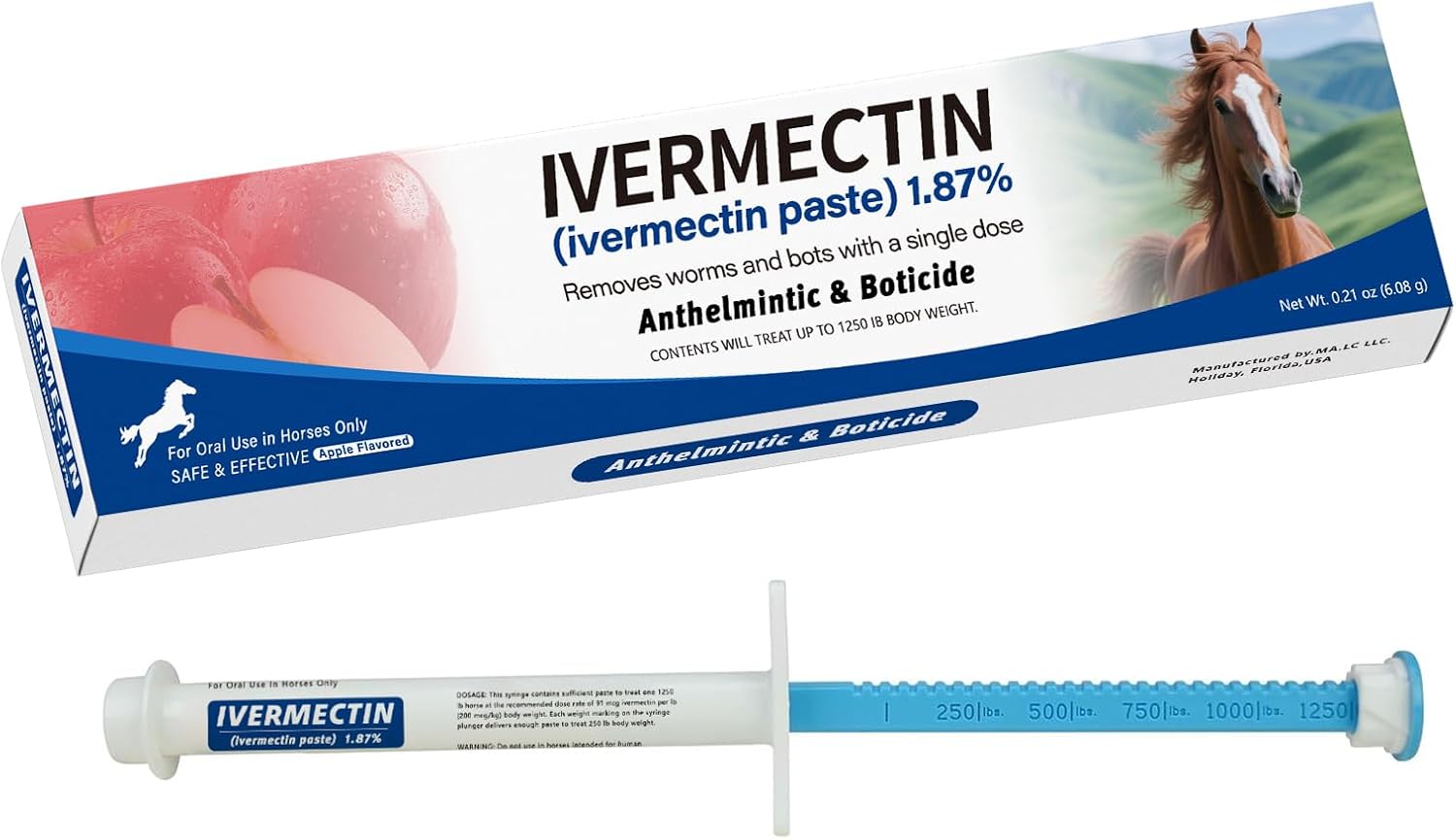
Equiade Quia-Cal Paste
Rapid-acting formula for trailering, vet visits, and farrier appointments. Contains magnesium, thiamine, and herbal extracts. Effects within 60-90 minutes lasting 4-6 hours. The AAEP recommends behavioral interventions alongside supplementation for comprehensive stress management.
Check Amazon PriceCalming Product Categories: Beyond Supplements
Modern horse calming strategies extend beyond oral supplements to include innovative products addressing different aspects of equine stress:
Calming Apparel
Pressure wraps (like Thundershirts for horses) and calming hoods apply gentle, consistent pressure that can reduce anxiety. Particularly effective for trailering and separation anxiety.
Pheromone Products
Synthetic equine appeasing pheromones mimic natural calming signals. Available as sprays, diffusers, or wipes. Useful for environmental stressors and introducing new situations.
Sensory Tools
White noise machines, calming music systems, and slow feeders address auditory and oral fixations. These tools can reduce stereotypic behaviors like weaving and cribbing.
Topical Applications
Calming gels, roll-ons, and essential oil blends applied to nostrils or pressure points. Offer quick, non-ingested options for mild situational anxiety.
Case Study: Phoenix's Show Ring Transformation
Phoenix, a 7-year-old Warmblood, exhibited extreme anxiety at shows: sweating, tension, and refusal to enter the ring. His owner tried multiple approaches:
- Initial approach: Daily magnesium supplement alone - 20% improvement
- Enhanced protocol: Magnesium + L-tryptophan + chamomile - 45% improvement
- Competition protocol: Loading dose of fast-acting paste 90 minutes before class + calming hood + pheromone spray - 85% improvement
- Current results: Consistent performance, reduced stress indicators, successful regional competitions
Phoenix's case demonstrates the importance of layered calming strategies tailored to specific situations. Recent research published in PLOS One confirms that multi-modal approaches yield the best outcomes for competition anxiety.
Situational Use: Tailoring Solutions to Specific Scenarios
Different stressors require different calming approaches. Here is a guide to matching solutions with common situations:
| Situation | Recommended Products | Timing | Additional Strategies |
|---|---|---|---|
| Daily General Anxiety | Magnesium-based pellets, chamomile blends | Continuous daily use | Consistent routine, pasture time, companionship |
| Trailering | Fast-acting paste, calming hood, pheromone spray | 60-90 minutes before loading | Practice loading, positive reinforcement, comfortable trailer |
| Competition/Shows | Competition-legal formulas, CBD if allowed, calming apparel | Loading dose + maintenance throughout event | Familiarization visits, consistent warm-up, rider calmness |
| Vet/Farrier Visits | Rapid-action paste or liquid, topical applications | 45-60 minutes before appointment | Positive association training, skilled professionals |
| Fireworks/Storms | Strong herbal blends, pheromone diffusers, pressure wraps | Pre-emptive dosing before event predicted | Safe shelter, white noise, familiar companions |
Competition Rule Considerations
Many equestrian organizations have strict rules about calming supplements in competition:
- FEI/USEF: Most sedative herbs (valerian, kava kava) are prohibited
- Legal substances: Magnesium, thiamine, chamomile generally allowed
- CBD products: Regulations vary; check specific organization rules
- Detection times: Some substances remain detectable for days or weeks
Always verify competition rules and consult with your veterinarian before using any calming product in a competitive context.
Integrating Calming Solutions into Your Horse's Routine
Successful implementation of horse calming strategies requires systematic integration:
4-Week Calming Protocol Implementation
- Document current stress behaviors and triggers
- Establish objective measures (heart rate, behavior scores)
- Evaluate current diet and management
- Consult with veterinarian about underlying issues
- Research competition rules if applicable
- Introduce daily maintenance supplement
- Implement consistent management routines
- Begin desensitization training for known triggers
- Establish baseline measurements for comparison
- Monitor for any adverse reactions
- Test acute formulas in low-stress simulations
- Evaluate different delivery methods
- Assess combination approaches
- Refine dosing based on response
- Document effectiveness in different scenarios
- Finalize daily and situational protocols
- Create contingency plans for unexpected stressors
- Establish clear guidelines for competition use
- Schedule follow-up veterinary consultation
- Develop long-term management plan
Monitoring Effectiveness
- Behavioral scoring: Use standardized scales to track changes
- Physiological measures: Monitor heart rate, respiratory rate, cortisol if available
- Performance metrics: Track training progress, competition results
- Cost-benefit analysis: Compare supplement costs against outcomes achieved
- Adjustment protocol: Know when to change approaches based on results

Safety Considerations and Potential Side Effects
While most horse calming supplements are generally safe when used appropriately, important considerations include:
Drug Interactions
Some calming herbs interact with medications. Valerian may enhance sedative effects. Always disclose all supplements to your veterinarian.
Allergic Reactions
Though rare, horses can develop sensitivities to herbal ingredients. Introduce new supplements gradually and monitor for adverse reactions.
Over-Sedation Risk
Excessive dosing or combination of multiple sedative products can cause lethargy, ataxia, or reduced responsiveness.
Quality Control Issues
Supplement industry regulation varies. Choose products from reputable companies with third-party testing and transparent ingredient lists.
Competition-Safe Daily Calmer
FEI/USEF Compliant
SmartCalm Ultra Competition Formula
Magnesium, thiamine, and select amino acids in a competition-legal formula. Supports focus and relaxation without prohibited substances. Developed in consultation with USEF compliance experts.
Check Amazon PriceCost Analysis: Value vs. Effectiveness
Investing in horse calming solutions requires evaluating cost against results:
Daily Maintenance Costs
Premium formula: $2.50-$4.00/day
Mid-range: $1.25-$2.50/day
Basic: $0.75-$1.25/day
Annual range: $275-$1,460
Prevented Costs
Reduced injury risk: $500-$5,000+
Improved performance: Value varies
Better training outcomes: Time and financial savings
Enhanced welfare: Priceless
Effectiveness Factors
Individual variation: 60-90% response rates
Situation specificity: Some products work better for
specific stressors
Combination approaches: Often most effective but most
costly
Management integration: Critical for success
Value Considerations
Safety improvement
Performance enhancement
Training efficiency
Competitive advantage
Overall quality of life
Additional Resources
Final Recommendations for 2026
Based on current research and practical experience, the most effective approach to horse calming involves:
- Start with management: Address diet, exercise, housing, and social needs first
- Choose evidence-based supplements: Focus on ingredients with scientific support
- Tailor to the situation: Use different approaches for daily anxiety vs. acute stressors
- Monitor and adjust: Track effectiveness and modify as needed
- Combine with training: Use supplements to support behavioral modification, not replace it
Remember that every horse is an individual. What works perfectly for one may need adjustment for another. Patience, observation, and willingness to adapt are key to successful equine stress management.