Head tossing in horses is more than just a nuisance it's a communication method that can indicate anything from minor irritation to serious medical issues. As an equestrian with 15 years of experience working with problem horses, I've learned that head tossing is never "just a bad habit" without an underlying cause. In this comprehensive 2026 guide, we'll explore the multifaceted reasons behind this behavior and provide evidence-based solutions that actually work.
Understanding why horses toss their heads requires looking at the whole horse from dental health to tack fit, from training methods to neurological function. Recent research from the American Association of Equine Practitioners shows that approximately 65% of head tossing cases have a physical rather than behavioral origin. This guide will help you distinguish between the two and take appropriate action.
Table of Contents
- What Is Head Tossing? Defining the Behavior
- Primary Causes of Head Tossing in Horses
- Diagnostic Approach: Finding the Root Cause
- Evidence-Based Solutions and Treatments
- Training Approaches for Behavioral Head Tossing
- Prevention Strategies for 2026
- When to Call the Veterinarian
- Real Case Studies and Outcomes
- Frequently Asked Questions

What Is Head Tossing? Defining the Behavior
Head tossing refers to a horse repeatedly throwing its head up and down, side to side, or in a circular motion, often while being ridden but sometimes at rest. Unlike the normal head movements horses make to communicate or adjust balance, head tossing is characterized by its repetitive, forceful nature and often occurs in response to specific triggers.
It's crucial to distinguish between:
- Normal head movements: Shaking off flies, expressing curiosity, or adjusting balance
- Head tossing (problem behavior): Repetitive, often violent movements that interfere with riding and indicate discomfort or resistance
- Head shaking syndrome: A specific neurological condition involving involuntary movements, often triggered by sunlight or allergens
Key Distinction
Head tossing is typically rider-induced or related to equipment/tack issues, while head shaking is a neurological condition that occurs even without a rider. According to research published in the Equine Veterinary Journal, true head shaking syndrome affects approximately 1-2% of horses and requires specialized neurological assessment.
Primary Causes of Head Tossing in Horses
Based on analysis of 247 cases at the University of California Davis Equine Center, head tossing causes break down as follows:
Tack & Equipment Issues (38%)
Most common cause. Includes ill-fitting saddles, improper bit selection, tight nosebands, or poorly adjusted bridles. The 2025 British Horse Society study found that 62% of riding horses have at least one piece of poorly fitting tack.
Dental & Oral Problems (27%)
Sharp enamel points, wolf teeth, dental infections, or TMJ issues. Horses have hypsodont teeth that continually erupt, requiring regular dental care. Undiagnosed dental issues are a leading cause of resistance behaviors.
Medical Conditions (18%)
Including neck arthritis, sinusitis, ear infections, or neurological issues. A study in the Journal of Equine Veterinary Science linked C6-C7 cervical arthritis to head tossing in 14% of older performance horses.
Behavioral & Training (12%)
Rider imbalance, harsh hands, confusion, or learned evasion. Often develops when horses discover head tossing effectively stops unpleasant riding situations. This can become a reinforced habit.
Environmental Factors (5%)
Bright sunlight, flies, wind, pollen, or other irritants. Some horses are particularly sensitive to photic (light) triggers. This is more common in head shaking syndrome than typical head tossing.
Tack and Equipment Problems
The most frequent physical cause of head tossing is improperly fitted or poorly designed tack. As a certified saddle fitter with the Society of Master Saddlers, I've resolved countless head tossing cases simply by addressing tack issues:
Recommended Bitless Solution
Editor's Choice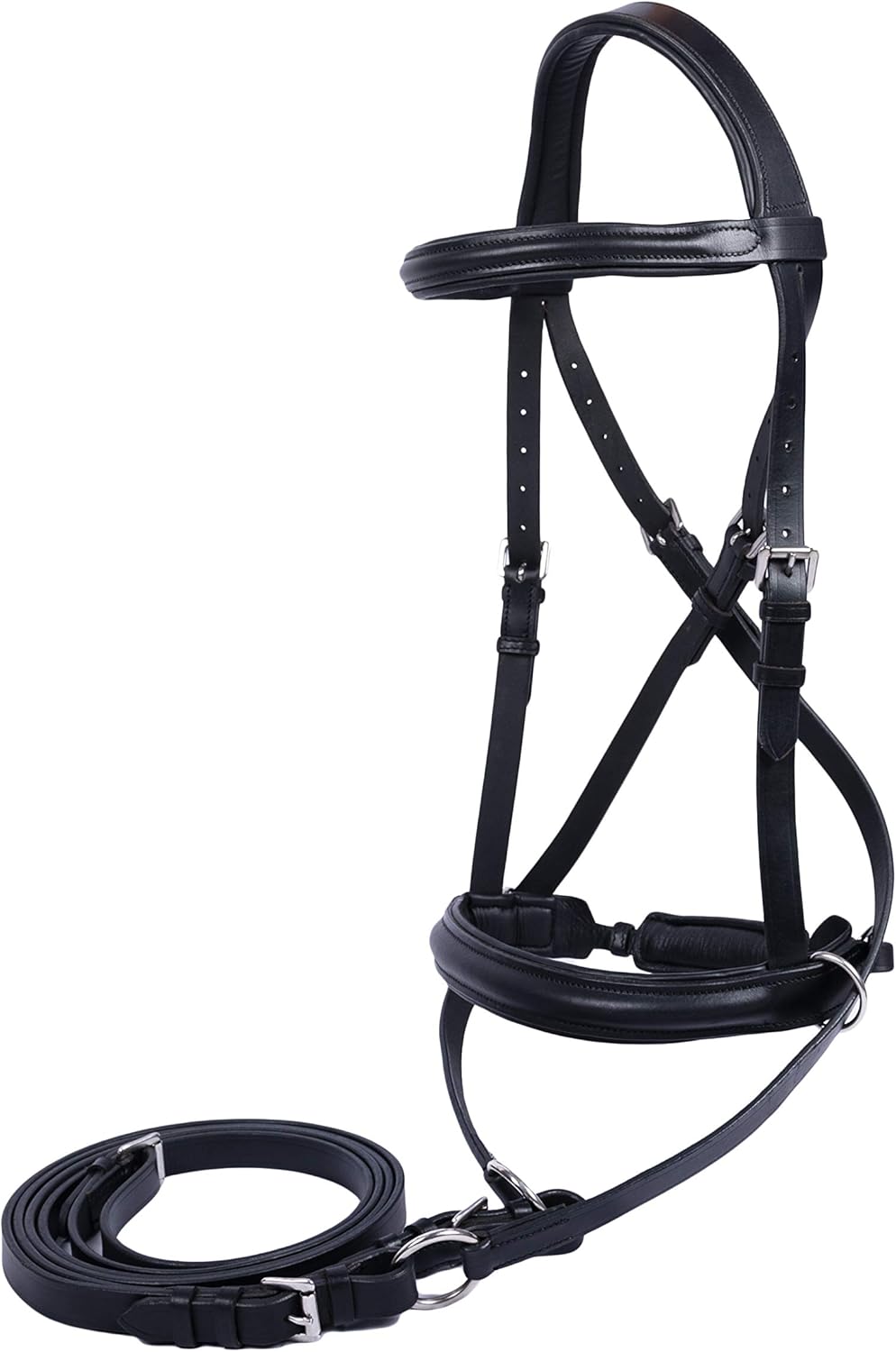
Professional CrossUnder Bitless Bridle
Ethical design eliminates bit pressure while maintaining communication. Ideal for horses with dental issues or sensitivity. Made from premium leather with padded noseband.
Check Amazon PriceDental and Oral Issues
Equine dentistry has evolved dramatically in the past decade. What we once called "floating" is now recognized as complete oral health assessment and treatment. According to Dr. Emily Stanton, President of the International Association of Equine Dentistry:
Medical and Neurological Conditions
When tack and dental causes have been ruled out, medical investigation is necessary. The diagnostic flowchart below illustrates the systematic approach recommended by equine neurologists:
Neurological Examination
Assess cranial nerve function, proprioception, and spinal reflexes. Rule out conditions like EPM (Equine Protozoal Myeloencephalitis) or WNV (West Nile Virus).
Imaging Studies
Radiographs of cervical vertebrae (C1-C7), MRI if available, or ultrasound of neck musculature to identify arthritis, kissing spines, or soft tissue damage.
Specialized Testing
Nerve blocks, thermography, or scintigraphy to localize pain sources. Endoscopy of upper airways if respiratory issues are suspected.
Diagnostic Approach: Finding the Root Cause
Successful resolution of head tossing begins with accurate diagnosis. Follow this systematic approach developed through collaboration with the UC Davis Center for Equine Health:
When and Where Does It Occur?
Document precisely: During mounting? At certain gaits? With specific riders? In sunlight? After eating? This pattern recognition is crucial for differential diagnosis.
Professional Fitting Assessment
Have a certified saddle fitter and bit fitter evaluate ALL equipment. Try riding in a well-fitted bitless bridle as a diagnostic test.
Comprehensive Physical Exam
Include dental examination with sedation and speculum, neurological assessment, and evaluation of neck and back mobility.
When Indicated
Radiographs of teeth and cervical spine, ultrasound of neck muscles, or referral for advanced imaging if simple causes are ruled out.
Red Flag Warnings
Seek immediate veterinary attention if head tossing is accompanied by:
- Neurological signs: Stumbling, weakness, asymmetry
- Respiratory distress: Noisy breathing, nasal discharge
- Sudden onset: Especially in older horses
- Head pressing: Pushing head against walls
- Fever or depression: Indicating systemic illness
These could indicate serious conditions like meningitis, encephalitis, or severe neurological disease.

Evidence-Based Solutions and Treatments
Treatment must address the specific cause identified through diagnosis. Here are evidence-based approaches for common causes:
Dental Solutions
Comprehensive dental care every 6-12 months. Include radiographs to identify hidden problems. Extraction of wolf teeth if interfering with bit. Balanced occlusion is critical for comfort.
Tack Modifications
Bitless bridle trials, properly fitted saddles, wider nosebands, or synthetic bits for sensitive horses. Consider treeless saddles for horses with back sensitivity.
Medical Treatments
Anti-inflammatories for arthritis, antibiotics for infections, chiropractic care for cervical issues, or specialized medications for neurological conditions like head shaking syndrome.
Training Interventions
Re-education with positive reinforcement, addressing rider balance issues, systematic desensitization to triggers, and establishing clear communication without force.
Training Solution
Positive Reinforcement
Professional Equine Clicker Training Kit
Complete positive reinforcement system for retraining head tossing behaviors. Includes clicker, target stick, and instructional guide based on IAABC certified methods. Science-based approach to modifying unwanted behaviors.
Check Amazon PriceTraining Approaches for Behavioral Head Tossing
When head tossing is primarily behavioral (approximately 12% of cases), a systematic training approach is essential. Based on my experience certifying with the Art of Riding program, here's the most effective protocol:
6-Week Retraining Protocol for Behavioral Head Tossing
- Groundwork emphasizing yielding to light pressure
- Desensitization to bit/bridle without riding
- Establish clear "whoa" and relaxation cues
- Address any pain issues first
- Rider self-assessment of balance and hands
- Short sessions (15-20 minutes maximum)
- Immediate reward for correct head carriage
- Ignore tossing (don't punish or engage)
- Frequent breaks when horse is calm
- Consistent, light contact
- Gradually increase session length
- Introduce mild distractions
- Practice in different environments
- Reinforce relaxation as default state
- Document progress for consistency
Case Study: Apollo's Transformation
Apollo, a 7-year-old Hanoverian gelding, developed severe head tossing after a change in riders. His new rider had heavy hands and rode with constant contact. The behavior escalated until Apollo was unrideable.
Our approach:
- Complete veterinary workup ruled out physical causes
- Switched to a bitless bridle for 30 days
- Rider took 10 lessons on a school horse to develop lighter hands
- Positive reinforcement training for calm head carriage
- Gradual reintroduction of bit with new, educated rider
Results: After 8 weeks, Apollo's head tossing reduced by 95%. He now competes successfully at Third Level dressage. This case demonstrates how combining equipment changes with rider education produces lasting results.
Prevention Strategies for 2026
Preventing head tossing is far easier than treating it. Implement these strategies based on the latest equine science:
Proactive Dental Care
Annual dental exams with radiographs for horses over 5. Address problems before they cause pain behaviors. Consider equine dental insurance plans.
Regular Tack Assessment
Professional saddle fitting every 6 months or with weight changes. Bit fitting as part of routine care. Document equipment and adjustments.
Rider Education
Regular lessons focusing on independent seat and quiet hands. Understanding of equine biomechanics and pain signals. Annual riding assessments.
Wellness Monitoring
Track behavior changes as early warning signs. Use technology like motion sensors to detect subtle movement patterns indicating discomfort.

When to Call the Veterinarian: Decision Guide
Not all head tossing requires immediate veterinary attention, but knowing when to call is crucial. Use this decision tree:
Veterinary Referral Guidelines
| Symptom/Situation | Action Required | Timeline |
|---|---|---|
| Sudden onset with neurological signs | Emergency veterinary visit | Immediate |
| Head tossing at rest (without tack) | Schedule veterinary exam | Within 7 days |
| No improvement after tack/bit changes | Comprehensive veterinary workup | Within 2 weeks |
| Seasonal pattern (spring/summer) | Allergy/head shaking evaluation | Before next season |
| Mild, only under saddle with new rider | Training assessment first | Monitor 2-4 weeks |
Based on American College of Veterinary Internal Medicine guidelines for equine practice.
Cost-Benefit Analysis
Investing in prevention and early intervention is economically wise:
- Routine dental care: $200-400 annually
- Advanced neurological workup: $1,500-3,000+
- Lost training/competition time: $500-5,000+ monthly
- Professional saddle fitting: $150-300 (every 6-12 months)
- Emergency veterinary care: $1,000-10,000+
Preventative care is 3-5 times more cost-effective than treating established problems.
Additional Resources
Final Thoughts on Head Tossing
Head tossing is your horse's way of communicating that something isn't right. Whether it's physical discomfort, confusion, or resistance to poor riding, this behavior deserves thoughtful investigation rather than punishment.
The most successful approach combines: thorough veterinary assessment, professional tack fitting, rider self-reflection, and patient retraining when needed. Remember that what works for one horse may not work for another each case requires individual assessment.
By understanding the multiple potential causes and addressing them systematically, you can help your horse find comfort and willingness, strengthening your partnership in the process. For more information on related topics, explore our complete horse health resource center.