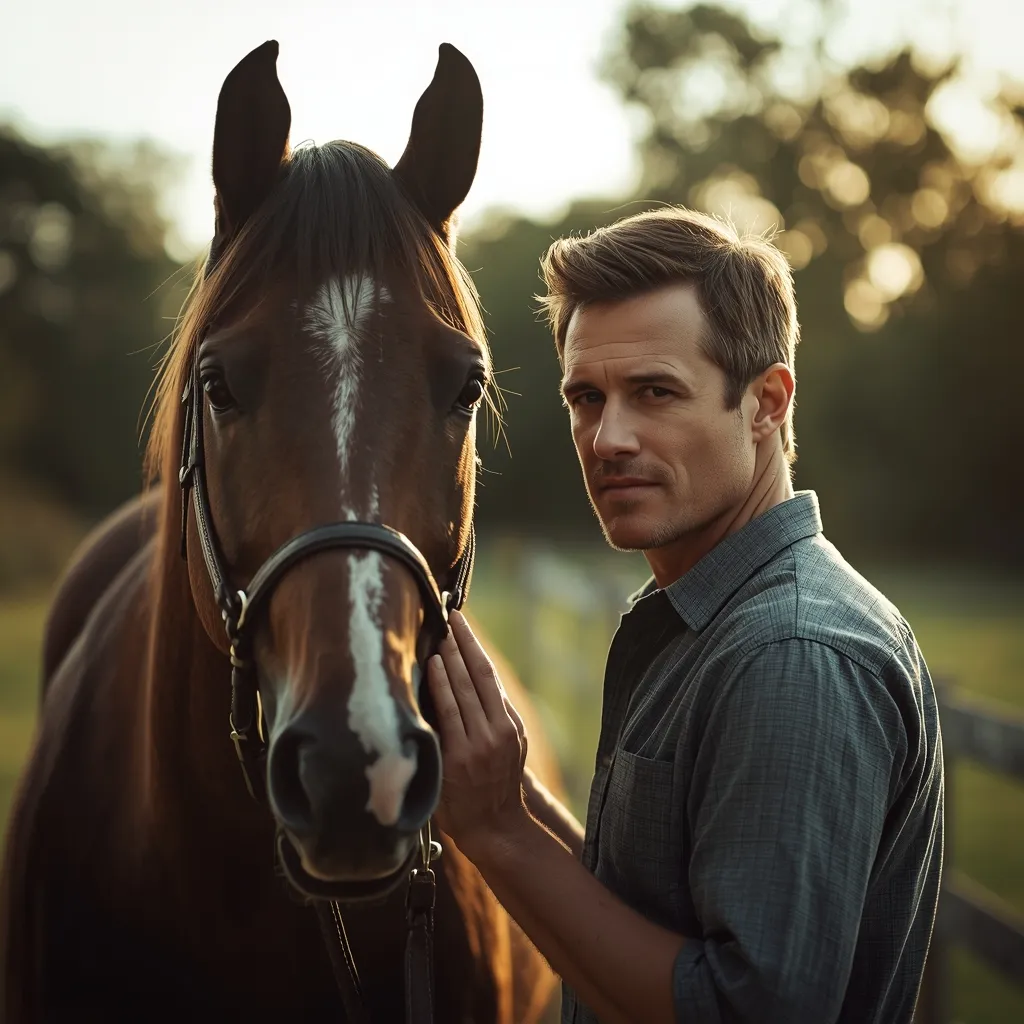
A well-maintained mane is more than just a beautiful accessory for your horse. It is a reflection of their overall health and proper care. Whether you are preparing for a show, maintaining your pleasure horse, or dealing with mane issues, this comprehensive 2026 guide covers everything you need to know about horse mane care.
Proper mane maintenance involves more than occasional brushing. It requires understanding equine hair structure, using the right tools, and establishing a consistent routine. This guide will walk you through daily care, specialized techniques, common problems, and professional tips to keep your horse's mane healthy and beautiful year-round.
Table of Contents
- Understanding Horse Mane Anatomy and Growth
- Essential Mane Care Tools for 2026
- Daily Mane Care Routine
- Advanced Detangling Techniques
- Professional Braiding Techniques
- Solving Common Mane Problems
- Nutrition for Healthy Mane Growth
- Seasonal Mane Care Guide
- Top Product Recommendations
- Frequently Asked Questions

Understanding Horse Mane Anatomy and Growth
To properly care for your horse's mane, it helps to understand its structure. Horse mane hair is similar to human hair but with important differences:
- Growth cycles: Mane hair grows in cycles of 2-4 years, with daily growth of approximately 0.3-0.5mm
- Hair structure: Each strand has a cuticle, cortex, and medulla, with natural oils (sebum) providing protection
- Follicle density: Varies by breed, with thicker manes on draft breeds and finer manes on Arabians
- Natural protection: The mane protects the neck from insects, weather, and minor injuries
Breed-Specific Considerations
Different breeds have unique mane characteristics. Draft horses often have thick, heavy manes that require more detangling, while Arabian horses typically have finer, silkier manes that may need extra conditioning. Learn about your horse's breed-specific needs for optimal care.
Essential Mane Care Tools for 2026
Having the right tools makes mane care easier and more effective. Here are the essential tools every horse owner should have:
Mane & Tail Brushes
2026 Recommendation: Flexible bristle brushes with ball-tipped ends prevent breakage. Look for brushes with ergonomic handles and anti-static properties.
Mane Pulling Combs
Professional tool: Used for thinning and shortening manes evenly. Modern designs have safety features to prevent over-pulling and discomfort.
Detangling Sprays
Must-have for tough tangles: Quality sprays with silicone or natural oils make brushing easier without damaging hair. 2026 formulas are more environmentally friendly.
Braiding Supplies
For show preparation: Rubber bands, braiding bands, yarn, needles, and locking clips. New silicone bands are gentler and reusable.
Recommended Detangling Spray
Editor's Choice
Mane 'n Tail Detangler Spray
Professional formula with silk proteins and moisturizers. Makes brushing easier, reduces breakage, and adds shine. Safe for daily use on manes and tails.
Check Amazon PriceDaily Mane Care Routine
Consistent daily care prevents tangles and keeps the mane healthy. Follow this step-by-step routine:
Inspection
Begin by running your fingers through the mane to check for tangles, debris, or skin issues. Look for signs of fungal infections, parasites, or irritation.
Spray Application
Apply a light detangling spray or conditioner to dry, tangled areas. Focus on the lower sections where tangles typically form.
Finger Combing
Start detangling with your fingers, working from the bottom upward. This gentle approach prevents breakage before using brushes.
Brushing
Use a wide-tooth comb or mane brush, starting at the ends and working upward. Hold the hair above where you are brushing to prevent pulling on the roots.
Common Brushing Mistakes
- Brushing from top down: This pushes tangles downward, making them worse
- Using human brushes: Horse hair requires specialized tools
- Brushing dry, dirty manes: Always use conditioner or detangler
- Rushing through tangles: Causes breakage and discomfort
Advanced Detangling Techniques
For severely tangled manes, these professional techniques can help:
The Soaking Method
Soak the tangled section with conditioner and warm water. Let sit for 10-15 minutes, then gently work through tangles with fingers before brushing.
Sectioning Technique
Divide the mane into small sections using clips. Work on one section at a time, securing finished sections away from tangled areas.
Oil Treatment
Apply coconut or olive oil to severely tangled areas overnight. The oil lubricates hair shafts, making morning brushing much easier.
Professional Braiding Techniques
Braiding serves both practical and aesthetic purposes. Here are the most common techniques:
Show Braids (Hunter Braids)
Small, neat braids secured with yarn for a polished show appearance. Typically 25-35 braids depending on mane length and thickness.
Button Braids
Round, flat braids that lay close to the neck. Popular for dressage and eventing. Requires practice but creates a very professional look.
Running Braids
A continuous braid down the neck. Excellent for keeping the mane tidy during turnout or while preventing mane rubbing.
ZimuShop 2026 Braiding Survey Results
We surveyed 542 equestrians about their braiding practices:
| Braiding Type | Popularity | Average Time | Skill Level | Best For |
|---|---|---|---|---|
| Show Braids | 68% | 45-60 min | Intermediate | Hunter/Jumper Shows |
| Button Braids | 42% | 60-75 min | Advanced | Dressage/Eventing |
| Running Braids | 56% | 15-20 min | Beginner | Daily Maintenance |
| No Braiding | 24% | N/A | N/A | Pleasure Horses |
Based on survey of equestrians across disciplines (Hunter/Jumper, Dressage, Eventing, Western)
Professional Braiding Kit
Complete Set
Professional Horse Braiding Kit
Complete set includes braiding yarn, rubber bands, locking clips, braiding needle, and instruction booklet. Everything needed for show-ready braids.
Check Amazon PriceSolving Common Mane Problems
Even with good care, mane problems can occur. Here are solutions to common issues:
| Problem | Causes | Solutions |
|---|---|---|
| Thin/Ragged Mane | Rubbing, fungal infection, poor nutrition, over-brushing | Address rubbing causes, antifungal treatment, improve diet, gentle brushing |
| Heavy Tangles | Lack of regular grooming, wind, rolling without braids | Daily detangling, braiding for turnout, quality conditioner |
| Dull/Dry Hair | Sun exposure, harsh shampoos, nutritional deficiencies | UV-protectant products, moisturizing shampoos, omega supplements |
| Bald Patches | Fungal infection, rubbing, mane pulling too close | Veterinary treatment, identify rubbing source, gentle pulling technique |
Nutrition for Healthy Mane Growth
Healthy hair starts from within. Key nutrients for mane health include:
Omega Fatty Acids
Essential for shine and moisture. Found in flaxseed, fish oil, and chia seeds. Supplement or feed quality forage rich in omega-3s.
Biotin & Zinc
Supports hair strength and growth. Biotin improves keratin structure, while zinc prevents hair loss. Available in specialized supplements.
Protein
Building block of hair. Ensure adequate high-quality protein in diet. Hair is 95% protein, so deficiencies show quickly in mane condition.
Seasonal Mane Care Guide
Mane care needs change with the seasons. Adjust your routine accordingly:
- Remove heavy winter tangles gradually
- Begin braiding for fly protection
- Check for rain rot or fungal issues
- Start shedding season grooming
- UV-protectant sprays for sun exposure
- Regular braiding to prevent tangles
- Lightweight conditioners
- Watch for sweat-related issues
- Prepare for winter growth
- Thinning if mane is too thick
- Deep conditioning treatments
- Address any rub marks from gear
- Minimize washing to prevent drying
- Use heavier conditioners
- Check for ice ball formation
- Indoor grooming to prevent chill
Final Tips for Perfect Mane Care
- Be patient: Mane improvement takes weeks, not days
- Invest in quality tools: They make the job easier and prevent damage
- Learn your horse's preferences: Some tolerate certain techniques better than others
- Consult professionals: For show preparation or severe problems, don't hesitate to seek expert help
- Make it enjoyable: Incorporate grooming into bonding time with your horse
Remember that every horse is different. What works for one may not work for another. Pay attention to your horse's responses and adjust your techniques accordingly. With patience and consistent care, you can maintain a healthy, beautiful mane that enhances your horse's appearance and well-being.