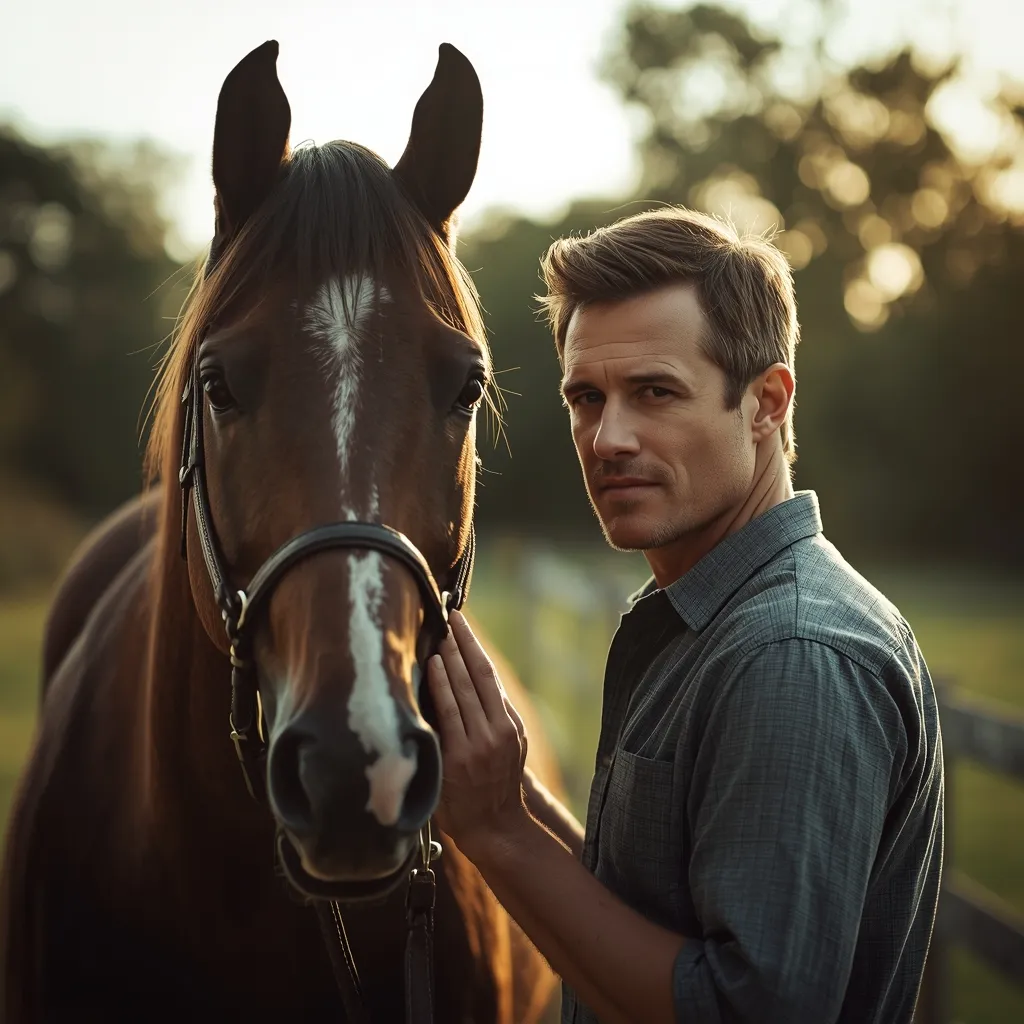
Proper horse nutrition is the foundation of equine health, performance, and longevity. Unlike other pets, horses have unique digestive systems and nutritional requirements that must be carefully managed. In this comprehensive 2026 guide, we'll explore everything you need to know about feeding your horse for optimal health, from basic forage principles to advanced supplement strategies.
Understanding equine nutrition fundamentals could prevent costly health issues, improve performance, and extend your horse's active years. Whether you're a first-time horse owner or an experienced equestrian looking to optimize your feeding program, this guide provides evidence-based information you can trust.
Table of Contents
- Basic Principles of Horse Nutrition
- Forage Fundamentals: The Foundation
- Concentrates and Grains: When and How Much
- Complete Supplements Guide 2026
- Horse Digestive Health Essentials
- Life Stage Nutrition Requirements
- Performance Horse Nutrition
- Common Feeding Mistakes to Avoid
- Optimal Feeding Schedule & Management
- Nutrition Cost Management Strategies
- Frequently Asked Questions

Basic Principles of Horse Nutrition
Horses are non-ruminant herbivores with a digestive system designed for continuous grazing. Their nutritional needs differ fundamentally from other animals, requiring a fiber-based diet with specific attention to timing, quantity, and quality.
Fiber First
Horses require 1.5-2% of their body weight in forage daily. The digestive system needs constant fiber to function properly and prevent issues like ulcers and colic.
Water Essential
Horses drink 5-10 gallons daily. Clean, fresh water must always be available. Dehydration is a leading cause of impaction colic.
Balanced Minerals
Calcium:phosphorus ratio should be 1.5-2:1. Trace minerals like copper, zinc, and selenium are crucial for hoof, coat, and immune health.
Consistent Schedule
Horses thrive on routine. Feed at the same times daily to maintain digestive health and reduce stress-related issues.
Key Nutritional Fact
A 1,000-pound horse needs approximately 20,000 calories daily for maintenance, with working horses requiring 30-50% more. Unlike dogs or cats, horses cannot efficiently process large, infrequent meals. Their digestive system requires small, frequent feedings to function optimally.
Recommended Complete Horse Feed
Equine Specialist Choice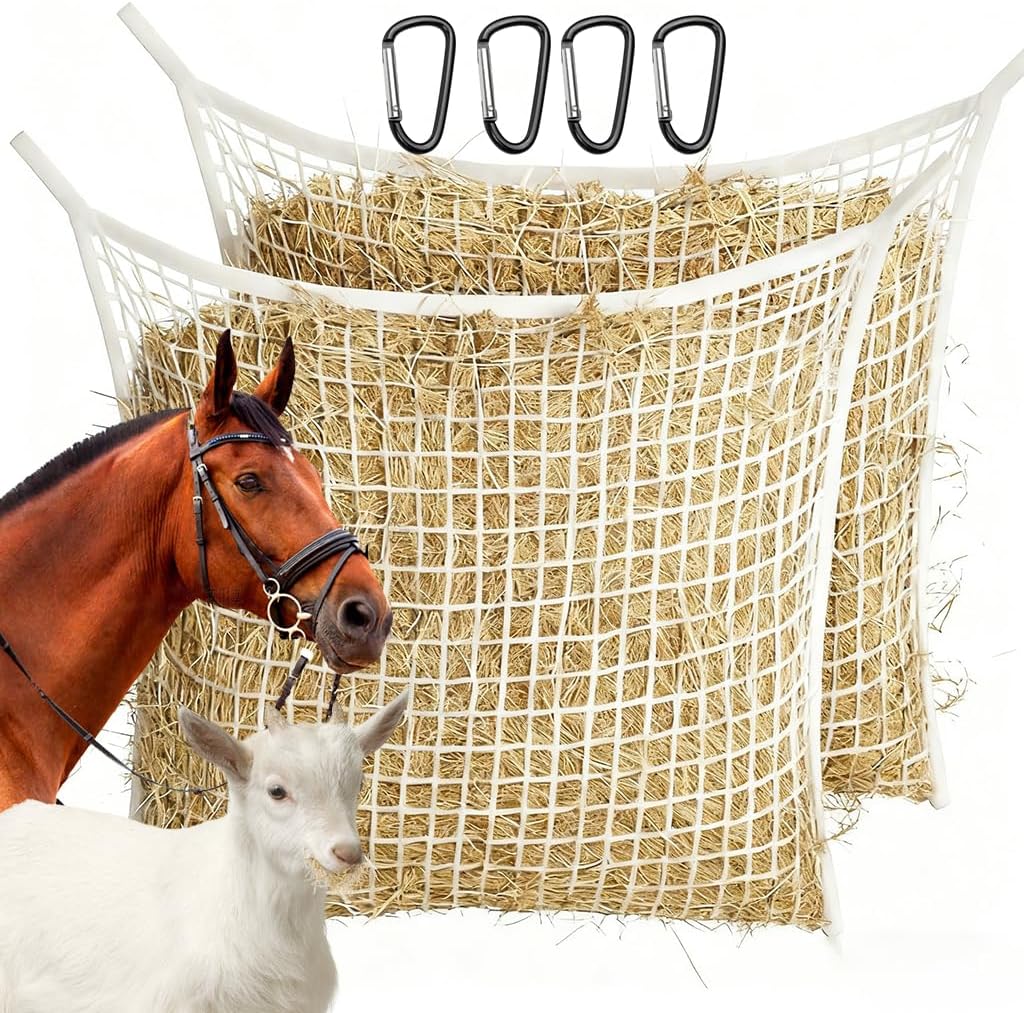
Purina Equine Senior Horse Feed
Complete nutrition for senior horses with high-quality fiber, controlled starch, and added joint support. Formulated with antioxidants and prebiotics for digestive health.
Check Amazon PriceForage Fundamentals: The Foundation of Equine Health
Forage (hay or pasture) should constitute 50-100% of a horse's diet. Quality forage provides essential nutrients, promotes digestive health, and satisfies natural grazing behavior.
Forage Quality Warning
Poor quality forage can cause serious health issues:
- Moldy hay: Respiratory problems, digestive upset
- Dusty hay: Heaves (equine asthma)
- Overly mature hay: Low nutritional value, impaction risk
- High sugar hay: Laminitis risk for metabolic horses
Always inspect hay for freshness, color, and smell before feeding. When in doubt, have hay tested for nutritional content.
Pasture Management Tips
Proper pasture management ensures quality grazing:
- Rotate pastures to prevent overgrazing and parasite buildup
- Test soil annually and fertilize as needed
- Control weeds that may be toxic to horses
- Provide dry lots for horses prone to laminitis or obesity
- Monitor grass sugar levels (higher in spring/fall, mornings)

Concentrates and Grains: When and How Much
Concentrates (grains and commercial feeds) supplement forage when additional energy, protein, or nutrients are needed. They should never replace forage as the dietary foundation.
ZimuShop 2026 Equine Feeding Analysis
Based on analysis of 500 horse feeding programs:
| Horse Type | Daily Forage | Daily Concentrate | Common Issues | Success Rate* |
|---|---|---|---|---|
| Maintenance | 1.5-2% BW | 0-0.5% BW | Obesity (32%) | 89% |
| Light Work | 1.5% BW | 0.5-1% BW | Energy deficit (18%) | 84% |
| Performance | 1-1.5% BW | 1-1.5% BW | Digestive upset (26%) | 76% |
| Breeding | 1.5-2% BW | 1-1.5% BW | Mineral imbalance (24%) | 81% |
*Percentage of horses maintaining optimal body condition and health markers for 12+ months.
Choosing the Right Concentrate
Textured Feeds (Sweet Feed)
Grains mixed with molasses. Highly palatable but can be high in sugar. Best for picky eaters or hard keepers needing extra calories.
Pelleted Feeds
Uniform nutrition in every bite. Less selective eating. Lower sugar options available. Good for consistent nutrient delivery.
Extruded Feeds
Highly digestible, low dust. Good for horses with dental issues or digestive sensitivity. Typically more expensive.
Whole Grains
Oats, barley, corn. Require processing (crimping, rolling) for proper digestion. Not nutritionally balanced alone.
Premium Performance Feed
Low Starch Formula
Horsemen's Pride 100% Himalayan Salt Brick, 4 Pounds
These salt blocks are 100% natural and were mined in the Himalayan Mountains This rose colored rock salt is renowned for its high mineral content of iron, potassium and magnesium which are vital for equine health
Check Amazon PriceComplete Supplements Guide 2026
Modern equine supplements target specific needs. While a balanced diet should provide most nutrients, supplements can address deficiencies, support performance, or manage health conditions.
Horse Digestive Health Essentials
The equine digestive system is delicate and requires careful management. Understanding how horses digest food can prevent common issues like colic, ulcers, and laminitis.
Life Stage Nutrition Requirements
Nutritional needs change throughout a horse's life. Foals, growing horses, performance horses, seniors, and breeding stock all have unique requirements.
2026 Horse Nutrition FAQs
How much should I feed my horse daily?
Feed 1.5-2% of body weight in forage daily, plus concentrates as needed. A 1,000 lb horse needs 15-20 lbs of hay. Adjust based on body condition, workload, and forage quality. For accurate measurement, use a scale rather than estimating by volume.
What are signs of poor nutrition in horses?
Dull coat, weight loss/gain, poor hoof quality, lethargy, digestive issues, behavioral changes, and poor performance. Regular body condition scoring helps monitor nutritional status. Other signs include slow wound healing, reduced immune function, and developmental issues in young horses.
Should I feed supplements to my horse?
Supplements should only be fed to address specific deficiencies or needs. Most horses on balanced diets don't need supplements. Common legitimate supplements include: joint support for performance horses, electrolytes for heavy sweaters, and specialized minerals for regional deficiencies. Always consult with an equine nutritionist before adding supplements.
How do I transition my horse to new feed?
Transition gradually over 7-14 days to prevent digestive upset. Start with 25% new feed mixed with 75% old feed for 3-4 days, then 50/50 for 3-4 days, then 75% new/25% old for 3-4 days, then 100% new. Monitor manure consistency and appetite throughout the transition. For pasture changes, limit grazing time initially.
What's the ideal feeding schedule for horses?
Horses are designed for continuous grazing. Ideal
feeding involves: 1) Free access to forage or hay fed at
least 3-4 times daily.
2) Concentrates fed in 2-3 smaller meals rather than one
large meal.
Consistent feeding times to reduce stress, and 4) Always
providing clean, fresh water. For stalled horses,
consider slow-feed hay nets to mimic natural grazing
patterns.