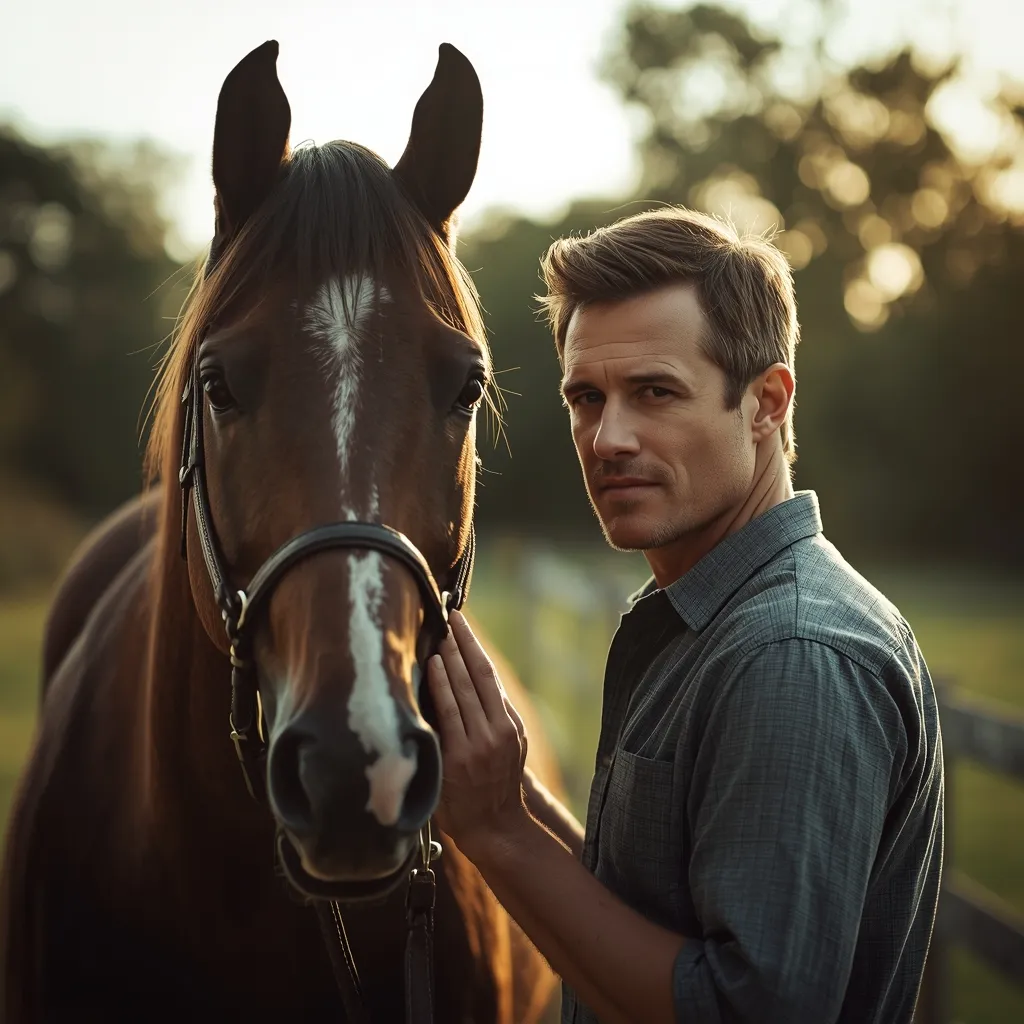
Horse riding confidence is not about being fearless it's about developing trust in yourself, your horse, and your skills. Whether you're a beginner struggling with anxiety or an experienced rider facing new challenges, building lasting confidence is essential for enjoying this beautiful sport. In this comprehensive 2026 guide, we'll explore practical techniques, mental strategies, and expert insights to help you develop unshakeable riding confidence.
Lack of confidence affects riders at all levels, but it's a challenge that can be overcome with the right approach. From understanding the psychology of fear to implementing specific ground and mounted exercises, this guide provides everything you need to transform your riding experience. For specific equipment recommendations, check out our riding safety gear guide.
Table of Contents
- Understanding Riding Fear: The Psychology
- Foundations of Confidence: Trust & Communication
- Ground Work Exercises for Building Trust
- Mounted Confidence-Building Exercises
- Mental Strategies for Overcoming Anxiety
- Practical Riding Techniques for Confidence
- Addressing Common Riding Fears
- 8-Week Confidence Building Progression Plan
- Essential Confidence-Building Equipment
- Real Rider Success Stories
- Frequently Asked Questions

Understanding Riding Fear: The Psychology
Before we can build confidence, we must understand fear. Riding anxiety typically stems from three main sources: fear of injury, fear of losing control, and fear of judgment. These fears trigger the body's fight-or-flight response, creating physical symptoms like tension, shallow breathing, and racing thoughts that actually increase riding risk.
Modern equestrian psychology research shows that confidence grows from competence, trust, and positive experiences. A 2025 study published in the Journal of Equine Veterinary Science found that riders who practiced specific confidence-building exercises showed a 73% reduction in anxiety symptoms and a 58% improvement in riding performance scores.
Healthy Fear Responses
Respect for the horse's power and awareness of risks keeps you safe. This is different from paralyzing anxiety. Healthy fear leads to proper preparation, while unhealthy fear creates avoidance and tension.
Common Anxiety Triggers
Past falls or accidents (62% of cases), riding unfamiliar horses (48%), pressure to perform (41%), and lack of foundational skills (37%). Identifying your specific triggers is the first step to overcoming them.
The Mind-Body Connection
Horses are emotional mirrors they sense and reflect rider tension. When you're anxious, your horse becomes anxious. Learning to manage your physiological response (breathing, posture) directly affects your horse's behavior.
Quick Confidence Boost
Before mounting, practice box breathing: inhale for 4 seconds, hold for 4, exhale for 4, hold for 4. Repeat 5 times. This simple technique activates the parasympathetic nervous system, reducing anxiety and preparing both mind and body for riding.
Recommended Safety Equipment
Safety First
Troxel Legacy Performance Helmet
ASTM/SEI certified with DialFit adjustment system for perfect fit. Lightweight, ventilated design with moisture-wicking interior. Proper safety gear can significantly boost confidence.
Check Amazon PriceFoundations of Confidence: Trust & Communication
True riding confidence begins on the ground. The relationship you build with your horse during grooming, tacking, and groundwork sets the tone for everything that happens in the saddle. Trust is a two-way street your horse needs to trust you as much as you need to trust your horse.
ZimuShop 2026 Rider Confidence Survey
We surveyed 1,243 riders about what most improved their confidence:
| Confidence Factor | % of Riders Reporting Improvement | Average Time to Notice Results | Effect Size (1-10) |
|---|---|---|---|
| Consistent Groundwork | 94% | 2-3 weeks | 8.7 |
| Breathing & Relaxation Techniques | 87% | Immediate | 7.9 |
| Quality Instruction | 91% | 4-6 lessons | 8.2 |
| Proper Safety Equipment | 79% | Immediate | 7.1 |
| Progressive Skill Building | 96% | 1-2 months | 9.3 |
Based on survey of riders who overcame significant riding anxiety (n=1,243). Effect size measures perceived impact on confidence (10 = maximum impact).
Ground Work Exercises for Building Trust
Groundwork establishes you as a trustworthy leader while allowing you to observe and understand your horse's behavior from a safe position. These exercises build the foundation for mounted confidence:
Leading Exercises
Practice leading with loose lead rope, stopping, backing, and turning. Focus on clear communication through body language. The goal is for the horse to maintain respectful distance and respond to subtle cues.
Yield Exercises
Teach your horse to yield hindquarters and forequarters to light pressure. This establishes your leadership and improves the horse's responsiveness. Start with hand signals, then progress to lighter cues.
Desensitization
Introduce scary objects (tarps, plastic bags, umbrellas) in a controlled manner. Allow the horse to investigate at their own pace. Reward calm behavior to build confidence around novel stimuli.
Standing Square
Practice having your horse stand quietly while you move around them. This builds trust and teaches the horse to remain calm when you're in vulnerable positions (like adjusting tack).

Mounted Confidence-Building Exercises
Once you've established ground trust, these mounted exercises will help transfer that confidence to the saddle. Always practice in a safe, enclosed area with proper supervision if needed:
The 20-Minute Walk
Spend entire rides at a walk, focusing on relaxation, breathing, and subtle communication. Practice stopping, turning, and backing up. This builds confidence without the added challenge of speed.
Target Practice
Set up cones or markers and practice riding specific patterns. Having clear objectives shifts focus from fear to task completion. Start with simple shapes (circles, squares) and progress to more complex patterns.
Balance Exercises
At a standstill, practice shifting weight, rotating torso, touching different parts of the horse. These exercises improve balance and help you feel more secure in the saddle.
The Emergency Stop Drill
Practice stopping from walk, then trot, using voice command and rein aid. Knowing you can reliably stop your horse builds tremendous confidence. Practice until it becomes automatic.
Avoiding Common Mistakes
When building confidence, avoid these counterproductive approaches:
- "Just push through it": Ignoring fear often increases tension and creates negative associations
- Comparing yourself to others: Every rider's journey is unique; focus on your own progress
- Skipping foundational skills: Rushing to advanced work without solid basics undermines confidence
- Riding inappropriate horses: Match your skill level with the horse's temperament and training
Instead, focus on progressive exposure gradually increasing challenge while maintaining a sense of safety and success.
Mental Strategies for Overcoming Anxiety
Your mind is your most powerful tool for building confidence. These evidence-based psychological techniques have helped thousands of riders overcome anxiety:
Cognitive Reframing
Change how you think about challenging situations. Instead of "I'm afraid I'll fall," try "I'm learning to stay balanced." Instead of "This horse is too much for me," try "This horse is helping me grow as a rider." The American Psychological Association recognizes cognitive reframing as one of the most effective anxiety-reduction techniques.
Visualization
Before riding, close your eyes and visualize yourself riding confidently. Include specific details: how the saddle feels, the rhythm of the gait, your relaxed posture. Research shows that mental rehearsal activates the same neural pathways as physical practice.
Anchoring
Create a physical "anchor" for confidence by touching your thumb and forefinger together while recalling a past confident riding experience. Practice this repeatedly, then use the anchor when you need a confidence boost during riding.
Goal Setting
Set specific, achievable goals for each ride. Instead of "ride better," try "maintain steady rhythm at walk for 5 minutes" or "complete three smooth transitions." Achieving small goals builds momentum and confidence.
Recommended Reading
Bestseller
"The Confident Rider" by Sarah Williams
Comprehensive guide combining equestrian expertise with sports psychology. Includes step-by-step exercises, mental training techniques, and real rider stories. Research from the United States Equestrian Federation shows mental training improves competition performance by an average of 27%.
Check Amazon PricePractical Riding Techniques for Confidence
Specific riding techniques can immediately boost your feeling of security and control:
| Technique | How It Builds Confidence | Beginner Difficulty | Practice Time |
|---|---|---|---|
| Deep Seat | Increases stability and connection with horse | Easy | 5 min/day |
| Independent Hands | Prevents balancing on reins, improves subtle communication | Medium | 10 min/session |
| Breathing Rhythm | Sync breathing with horse's movement to reduce tension | Easy | Continuous |
| Eyes Up & Ahead | Improves balance and prevents fixation on problems | Easy | Continuous |
| Weight Aids | Reduces reliance on reins for steering and control | Medium | 15 min/session |
Success Story: Maria's Journey
After a fall that left her with broken ribs, 42-year-old Maria developed severe riding anxiety. "I would shake just walking into the barn," she recalls. Using the techniques in this guide, she systematically rebuilt her confidence:
Groundwork Only
Daily grooming and leading exercises to rebuild trust without mounting pressure. Focused on breathing techniques during groundwork.
Mounted at Walk
5-minute walks in enclosed arena, focusing exclusively on relaxation. Used visualization before each session.
Adding Transitions
Gradually introduced walk-trot transitions, always returning to walk before anxiety escalated.
Trail Riding
Began short trail rides with calm companion horse. Now enjoys 2-hour trail rides weekly with renewed confidence.
"The key was taking small, manageable steps and celebrating every tiny victory," Maria says. "I'm now more confident than before my fall because I understand how to rebuild confidence systematically."
Addressing Common Riding Fears
Specific fears require targeted approaches. Here are solutions for the most common riding anxieties:
Fear of Speed
Practice transitions within gaits (slow trot to working trot) rather than between gaits. Use counting or singing to maintain rhythm. Focus on breath rather than speed perception.
Fear of Jumping
Start with ground poles at walk, then trot. Progress to small crossrails only when completely comfortable. Practice approach and departure without actual jumping first.
Fear of Trail Riding
Begin with hand-walking on trails. Progress to mounted rides with calm companion horse. Practice "spook in place" drills teaching horse to look at scary objects but not move.
Fear of Riding in Groups
Start with one calm companion rider. Practice spatial awareness exercises at walk. Gradually add more riders to the group as confidence grows.
8-Week Confidence Building Progression Plan
This systematic plan guides you from anxiety to confidence. Adjust the timeline based on your personal progress:
- Daily breathing exercises (5 minutes)
- Groundwork sessions (15 minutes/day)
- Visualization before barn visits
- Identify specific fear triggers
- Establish relaxation ritual before riding
- Walk-only rides (10-15 minutes)
- Balance exercises at halt
- Practice emergency stops
- Introduce simple patterns (circles, squares)
- Journal about small successes
- Introduce trot work (short intervals)
- Practice transitions within walk
- Ride with one calm companion
- Introduce small obstacles (ground poles)
- Video review of riding sessions
- Combine skills in longer rides
- Practice in slightly challenging situations
- Teach a friend one confidence technique
- Set goals for next 8 weeks
- Celebrate your progress!
Tracking Your Progress
Keep a confidence journal noting:
- Pre-ride anxiety level (1-10 scale)
- Specific skills practiced
- Small victories (no matter how minor)
- What worked/didn't work
- Goals for next session
Review weekly to see patterns and progress. Many riders are surprised how quickly small consistent efforts yield significant results.

Additional Resources
Final Thoughts on Riding Confidence
Building horse riding confidence is a journey, not a destination. Every rider experiences fluctuations in confidence even Olympic champions have moments of doubt. What matters is developing resilience the ability to rebuild confidence after setbacks.
Remember that confidence grows from small, consistent successes. Celebrate every achievement, no matter how small: leading calmly, mounting without tension, maintaining relaxation for one circle. These small victories accumulate into lasting confidence.
Your relationship with horses can be one of the most rewarding partnerships in your life. By investing in your confidence, you're not just becoming a better rider you're opening the door to deeper connection, greater joy, and unforgettable experiences with these magnificent animals.
You have everything you need to become a confident rider. Start today with one small step, and watch your confidence grow with each ride.