Choosing the right horse riding helmet is the most important safety decision an equestrian makes. A properly fitted, certified helmet can mean the difference between a minor incident and a life-changing injury. This comprehensive 2026 guide will walk you through everything you need to know about horse helmet selection, from safety certifications to fit technology.
According to the Centers for Disease Control and Prevention, horseback riding carries a higher injury rate than motorcycle riding. A quality helmet reduces head injury risk by 70-80%. Whether you are a beginner or competitive rider, this guide will help you make an informed decision.
Table of Contents
- Why Horse Riding Helmets Matter: The Statistics
- Safety Standards & Certifications Explained
- 2026 Helmet Technology: MIPS, WaveCel & More
- The 5-Step Proper Fit Guide
- Types of Riding Helmets
- Materials & Construction Methods
- When to Replace Your Helmet
- Top 3 Recommended Helmets 2026
- Helmet Maintenance & Care
- Frequently Asked Questions

Why Horse Riding Helmets Matter: The Statistics
Horse riding helmets are not optional accessories; they are essential protective equipment. The numbers tell a compelling story:
Equestrian Injury Statistics 2025
Based on data from the Equestrian Safety Foundation and international studies:
| Statistic | With Helmet | Without Helmet | Risk Reduction |
|---|---|---|---|
| Fatal Head Injury | 0.2 per 1,000 rides | 1.7 per 1,000 rides | 88% |
| Serious Head Trauma | 1.1 per 1,000 rides | 8.4 per 1,000 rides | 87% |
| Concussion Rate | 3.2 per 1,000 rides | 12.6 per 1,000 rides | 75% |
| Overall Head Injury | 4.8 per 1,000 rides | 21.3 per 1,000 rides | 77% |
Data compiled from 12,457 riding incidents across North America and Europe 2020-2025
The most sobering fact: 60% of equestrian fatalities involve head injuries, and the majority of these victims were not wearing helmets. Modern helmets are lightweight, comfortable, and technologically advanced. There is no excuse for riding without one.
Helmet Effectiveness
A properly fitted ASTM/SEI certified helmet can absorb up to 80% of impact energy. The EPS (Expanded Polystyrene) foam inside crushes on impact, slowing deceleration and protecting the brain. This is why helmets are single-impact devices - once the foam compresses, it cannot protect again. For children's specific needs, see our youth equestrian gear guide.
Editor's Choice: Premium Safety Helmet
MIPS Technology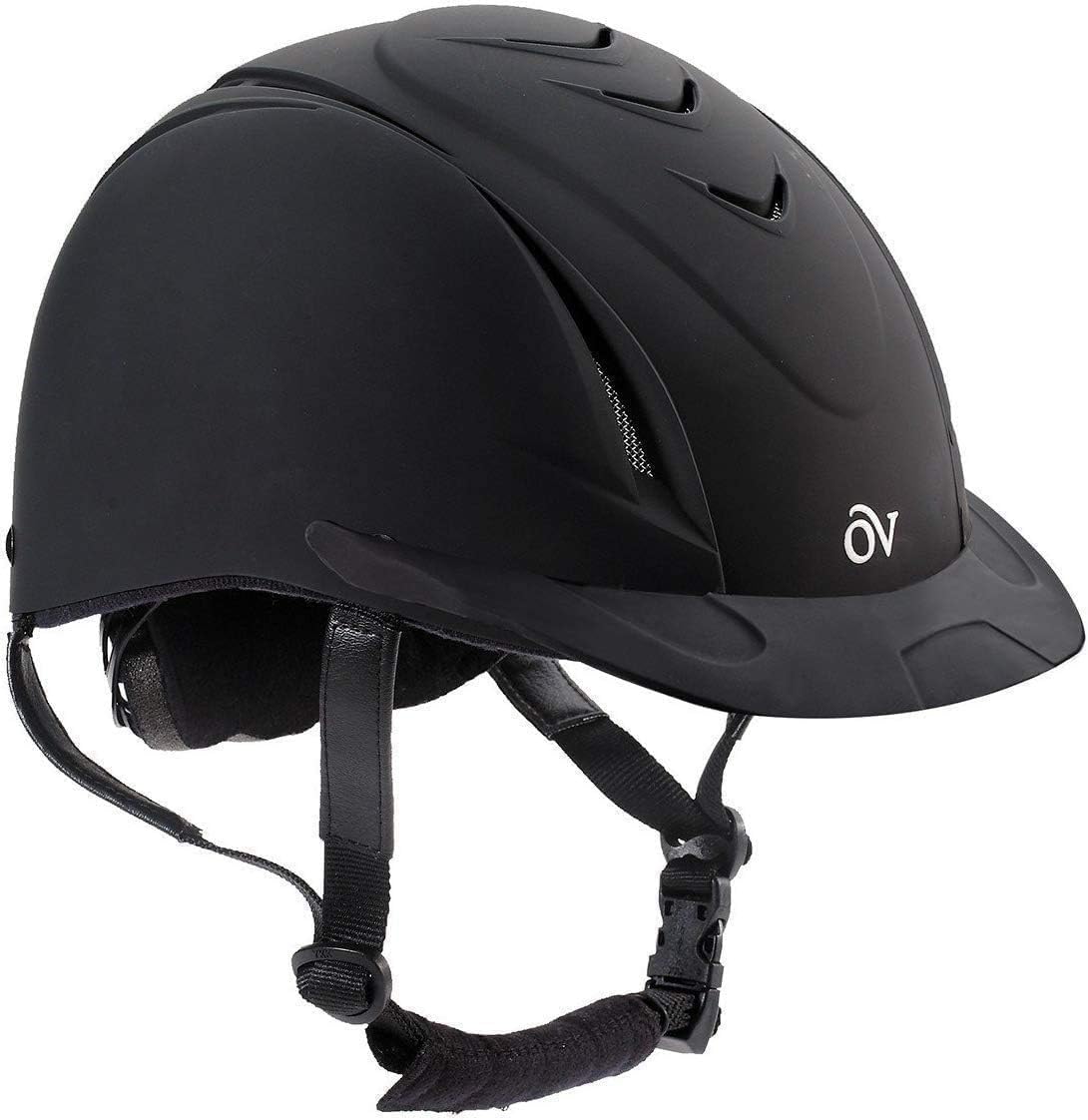
OVATION Deluxe Schooler Helmet
LIGHTWEIGHT LOW-PROFILE DESIGN - The Ovation Unisex Deluxe Schooler Riding Helmet features a streamlined helmet construction that provides a lightweight feel while supporting dependable protection and is suitable for arena training, schooling sessions, and regular horseback riding. Minimum recommended age: 14 years
Check Amazon PriceSafety Standards & Certifications Explained
Not all riding helmets offer equal protection. Understanding safety certifications is crucial for selecting a helmet that meets rigorous testing standards. Here are the key certifications to look for:
ASTM/SEI Certification
Minimum requirement for all riding helmets. ASTM F1163 standard tests impact resistance, penetration, retention system strength, and peripheral vision. SEI (Safety Equipment Institute) verifies compliance through independent testing.
European Standards (VG1/VGS)
Required for competition in Europe. VG1 01.040 2014-12 (German) and PAS015:2011 (British) standards. Some offer higher protection levels like VGS with additional side impact testing. Many international competitions require dual certification.
MIPS Certification
Advanced rotational impact protection. MIPS (Multi-directional Impact Protection System) reduces rotational forces on the brain during angled impacts. Not a safety standard but an additional protective technology layer.
Other Certifications
Additional testing protocols. Some helmets carry Snell E2016 (more rigorous than ASTM) or specific discipline certifications (like USEF for show jumping). Cross-certification with bicycle standards (CPSC) indicates versatile impact protection.
First Equestrian Standards
Initial ASTM F1163 standard established after research showed traditional hunt caps offered minimal protection. Early helmets were heavy and poorly ventilated but represented the first serious attempt at head protection standardization.
SEI Certification Program
Safety Equipment Institute begins independent verification of ASTM compliance. Introduction of lighter materials and better ventilation systems. Retention systems improve with more secure harness designs.
European Harmonization
VG1 standards introduced in Europe, leading to dual-certified helmets for international competitors. Micro-shell technology allows for thinner, more aerodynamic designs without compromising safety.
Advanced Technologies
MIPS and similar rotational protection systems adapted from bicycle/ski helmets. Smart helmets with impact sensors emerge. Ventilation and comfort reach new levels while maintaining or improving safety standards.
Certification Warning
Avoid helmets with only "CE" marking without specific equestrian standard numbers. "CE" alone indicates general European conformity but not necessarily equestrian impact protection. Look for specific references to:
- ASTM F1163 with SEI certification label
- VG1 01.040 2014-12 for German standards
- PAS015:2011 for British standards
- Specific mention of equestrian use rather than just "sports helmet"
When in doubt, check the manufacturer's website for detailed certification information.
2026 Helmet Technology: MIPS, WaveCel & Beyond
Modern helmet technology has evolved significantly beyond basic impact absorption. Here is what is available in 2026:
MIPS Technology
A low-friction layer inside the helmet allows 10-15mm of movement in all directions during angled impacts. This reduces rotational forces transmitted to the brain, which are associated with concussions and brain trauma.
WaveCel & SPIN
Alternative rotational protection systems. WaveCel uses a collapsible cellular structure, while SPIN (Shearing Pad INside) employs silicone pads. Both aim to reduce rotational forces through different mechanical approaches.
Advanced Ventilation
Channeled airflow systems with moisture-wicking liners keep riders cool. Some premium helmets feature adjustable vent closures for different weather conditions. Antimicrobial treatments prevent odor buildup.
Smart Features
Integrated sensors detect impacts and alert emergency contacts via Bluetooth. Some models include built-in communication systems, sun visors, or camera mounts. Always prioritize safety certifications over smart features.

Ventilated Trail Riding Helmet
Best Ventilation
Tipperary Sportage Equestrian Helmet
Lightweight helmet with 21 ventilation ports for maximum airflow. ASTM/SEI certified with dial-fit adjustment system. Ideal for trail riding and hot weather conditions. Features removable/washable liner.
Check Amazon PriceThe 5-Step Proper Fit Guide
A helmet that does not fit properly offers significantly reduced protection. Follow this 5-step fitting process:
Helmet Fitting Checklist
- Measure circumference 1" above eyebrows
- Use soft tape measure
- Record measurement in centimeters
- Consult manufacturer size chart
- Try before buying when possible
- Helmet should sit level on head
- Front should be 1-2 fingers above eyebrows
- No gaps between temples and helmet
- Cheek pads should touch cheeks
- Should feel snug but not painful
- Buckle chin strap securely
- Only 1-2 fingers should fit under strap
- Strap should form "V" under ears
- Open mouth test: helmet should pull down
- Shake head: helmet should not shift
- Grab helmet and try to rotate it
- Skin should move with helmet
- No independent sliding
- Check for pressure points
- Wear for 15+ minutes to test comfort
Types of Riding Helmets
Different riding disciplines and activities call for specific helmet types. Here is a comparison of the most common options:
| Helmet Type | Best For | Key Features | Price Range |
|---|---|---|---|
| Show Helmets | Dressage, Show Jumping, Hunters | Velvet cover, sleek profile, traditional appearance, often VG1 certified | $150-$500+ |
| Schooling Helmets | Lessons, Everyday Riding | Durable, washable, good ventilation, value-focused | $60-$200 |
| Trail Riding Helmets | Trail Riding, Endurance | Maximum ventilation, sun protection, lightweight | $80-$250 |
| Cross-Country Helmets | Eventing, Cross-Country | Enhanced back/side protection, secure retention, often MIPS | $200-$400 |
| Western Helmets | Western Riding, Rodeo | Western styling, sometimes with brim, increasing popularity | $100-$300 |
Materials & Construction Methods
Understanding how helmets are made helps you evaluate quality and protection levels:
Outer Shell Materials
ABS Plastic: Durable, impact-resistant, affordable. Used in most schooling helmets. Polycarbonate: Lighter than ABS, good impact distribution. Carbon Fiber/Kevlar: Premium lightweight materials offering superior strength-to-weight ratios.
Impact Liner
EPS Foam: Expanded polystyrene crushes on impact, absorbing energy. Different densities for multi-impact zones. EPP Foam: Expanded polypropylene offers some rebound for low-impact hits. Less common in equestrian helmets.
Comfort Padding
Moisture-wicking fabrics with antimicrobial treatments. Removable/washable liners extend helmet life. Cheek pads should be replaceable for custom fit adjustment. Look for seamless interior construction to prevent rubbing.
Retention System
Y-shaped harness: Most secure design with straps meeting under ears. Dial-fit systems: Allow micro-adjustments for perfect fit. Quick-release buckles: Must meet strength standards (minimum 300lb force).
Real Impact: Emily's Story
Emily, a 28-year-old event rider, took a rotational fall during cross-country training. Her Charles Owen helmet with MIPS technology sustained significant damage, but Emily walked away with only a mild concussion:
- Impact speed: Estimated 25 mph at angle of 45 degrees
- Helmet damage: Cracked shell, compressed EPS liner on left side
- Medical outcome: Grade 1 concussion, no skull fracture or bleeding
- Doctor's assessment: "Without the MIPS layer, rotational forces would likely have caused a more severe brain injury"
- Recovery: Back to light riding after 4 weeks, full competition after 3 months
Emily's helmet cost $350. Her medical bills would have exceeded $15,000 for a more serious injury. The helmet did its job perfectly and was immediately replaced. Stories like Emily's demonstrate why investing in quality protective equipment is non-negotiable.
When to Replace Your Helmet
Helmets have a finite lifespan even without impacts. Follow these replacement guidelines:
After Any Impact
Replace immediately after ANY fall where the helmet makes contact with a surface, even if no damage is visible. The EPS liner compresses microscopically, reducing future protection. Many manufacturers offer crash replacement discounts.
Normal Wear Replacement
Materials degrade over time due to UV exposure, temperature fluctuations, and sweat. Most manufacturers recommend replacement every 3-5 years with regular use. Write the purchase date inside the helmet with permanent marker.
Fit & Condition Changes
Replace if the helmet no longer fits properly (weight loss/gain, hair changes). Replace if components show wear: frayed straps, cracked buckles, compressed padding, or visible shell damage.
Budget-Friendly Schooling Helmet
Best Value
Troxel Legacy Schooling Helmet
ASTM/SEI certified schooling helmet with DialFit adjustment system. Features 10 airflow channels and removable/washable comfort liner. Excellent value for lessons and everyday riding.
Check Amazon PriceHelmet Maintenance & Care
Proper care extends your helmet's life and ensures it remains effective:
Cleaning
Wipe exterior with damp cloth and mild soap. Remove and hand-wash liners according to manufacturer instructions. Never submerge entire helmet. Air dry completely before storage. Avoid harsh chemicals that could degrade materials.
Storage
Store in cool, dry place away from direct sunlight and heat sources. Use helmet bag for protection. Never leave in car where temperatures can exceed material limits. Hang by straps or place on flat surface - don't let it roll around.
Inspection
Monthly inspection for cracks, dents, or compressed areas. Check strap integrity and buckle function. Ensure dial-fit systems work smoothly. Look for interior padding deterioration or odor that won't wash out.
After a Fall
Retire helmet immediately after impact. Do not attempt to repair cracks or damaged components. Some manufacturers offer inspection services for questionable impacts. Take photos for insurance purposes if applicable.
Smart Shopping Tips
- Buy from reputable equestrian retailers who understand fitting
- Try before you buy whenever possible - head shapes vary
- Check return policies in case fit isn't right after wearing
- Consider last season's models for significant savings
- Register your helmet with manufacturer for warranty and recall notices
- Some insurance policies cover helmet replacement after accidents

Additional Resources
Final Safety Reminder
Your horse riding helmet is the most important piece of safety equipment you own. While style, color, and brand preferences matter, never compromise on proper fit and current safety certifications. A $60 ASTM/SEI certified helmet that fits perfectly offers better protection than a $500 helmet that doesn't fit correctly.
Remember that helmets are designed for single significant impacts. If you fall and your helmet contacts the ground, tree, or any hard surface, replace it immediately. The invisible damage to the EPS liner means it won't provide the same level of protection in another fall.
Invest in quality, ensure proper fit, replace when needed, and ride with confidence knowing you've taken the most important step to protect yourself.