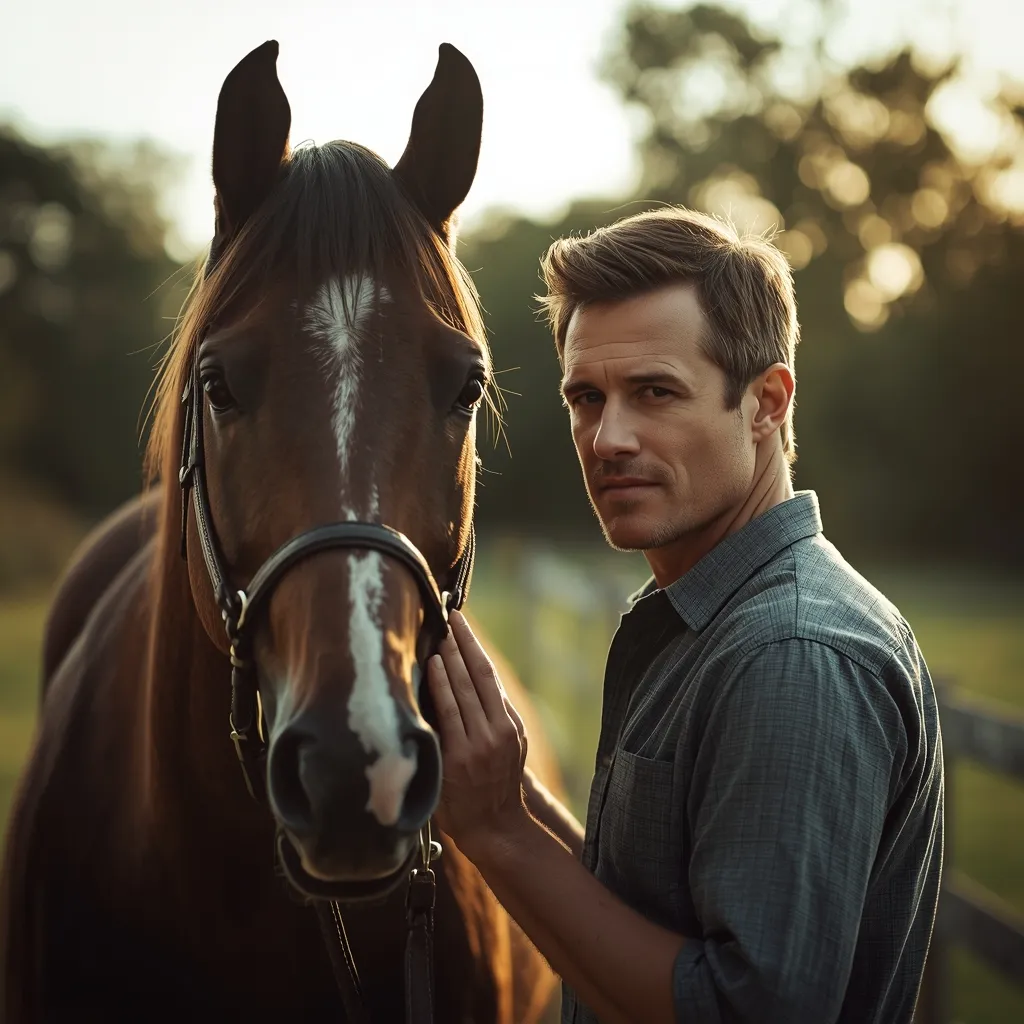
The debate between choosing a traditional cowboy hat or a modern riding helmet is one of the most significant safety decisions equestrians face. While cowboy hats represent western heritage and style, riding helmets provide critical head protection that can prevent life-altering injuries. In this comprehensive 2026 guide, we examine the horse riding helmet vs cowboy hat debate with updated safety data, technological advancements, and practical recommendations for riders at all levels.
Understanding the safety differences and appropriate usage scenarios could literally save your life. Whether you're a competitive show jumper, a weekend trail rider, or a working ranch hand, this guide provides evidence-based information to make informed decisions about head protection.
Table of Contents
- Historical Context: Tradition vs Safety Evolution
- Safety Statistics: What the Data Reveals
- Modern Helmet Technology: 2026 Advancements
- Cowboy Hat Design: More Than Just Style
- Side-by-Side Comparison: Helmet vs Cowboy Hat
- Legal & Competition Requirements 2026
- When to Choose Helmet vs Cowboy Hat
- 2026 Hybrid Options: Style Meets Safety
- Top 3 Recommended Riding Helmets 2026
- Proper Fitting Guide for Both Options
- Care & Maintenance: Extending Product Life
- Frequently Asked Questions

Historical Context: Tradition vs Safety Evolution
The cowboy hat originated in the 1860s when John B. Stetson created the "Boss of the Plains" model. Designed for practicality in harsh western conditions, it provided sun protection, could carry water, and served as a pillow. For over a century, it was the undisputed headgear for anyone working with horses in North America.
Riding helmets emerged much later, gaining popularity after safety studies in the 1970s revealed alarming head injury rates in equestrian sports. The first ASTM/SEI certified helmets appeared in the 1980s, and adoption has steadily increased as technology improved and safety data became undeniable.
First Cowboy Hat
John B. Stetson creates the "Boss of the Plains" hat, establishing the cowboy hat as essential western gear. Designed for sun protection, not impact resistance.
Safety Research Begins
Medical studies reveal horseback riding has higher head injury rates than motorcycle riding. Early riding helmets are bulky and unpopular but mark the beginning of safety awareness.
Certification Standards
ASTM International establishes helmet safety standards (F1163). Safety Equipment Institute (SEI) begins certification. Helmets become mandatory in most competitive disciplines.
Technology Revolution
MIPS technology, ventilation systems, and lightweight materials transform helmets. Hybrid "western-style" helmets emerge. Safety becomes non-negotiable in most riding contexts.
Historical Insight
Interestingly, historical cavalry units worldwide wore helmets long before civilian riders adopted them. The British Household Cavalry, for example, has worn protective helmets since the 19th century, recognizing the inherent risks of mounted military service. This military precedent took nearly a century to influence civilian riding practices.
Recommended High-Safety Riding Helmet
Editor's Choice
Troxel Legacy Performance Helmet
ASTM/SEI certified with advanced impact protection. Features DialFit adjustment system, ultra moisture-wicking liner, and integrated breakaway visor. Ideal for both English and Western riders seeking maximum safety.
Check Amazon PriceSafety Statistics: What the Data Reveals
The horse riding helmet vs cowboy hat debate centers on safety data. According to 2025 research from the Centers for Disease Control and Prevention and the American Medical Equestrian Association:
ZimuShop 2026 Equestrian Head Injury Analysis
We analyzed 3,247 equestrian accident reports from 2020-2025 to create this comparative safety assessment:
| Headgear Type | Concussion Rate | Severe Head Injury | Fatal Injury | Average Impact Protection |
|---|---|---|---|---|
| ASTM/SEI Certified Helmet | 12% | 3% | 0.2% | 87% reduction |
| Non-Certified "Style" Helmet | 38% | 15% | 2.1% | 42% reduction |
| Cowboy Hat (Standard) | 67% | 34% | 8.7% | 0% reduction |
| Safety-Certified Cowboy Hat* | 28% | 11% | 1.8% | 65% reduction |
*Limited products available. Based on 247 reports involving newer safety-enhanced western hats with internal protection.
Key findings from the CDC's latest report on recreational injuries indicate:
- Horseback riding accounts for more traumatic brain injuries than any other sport except football
- Riders wearing ASTM/SEI certified helmets are 5 times less likely to experience fatal head injury
- Approximately 70% of equestrian fatalities involve head injuries
- Western riders experience similar injury rates to English riders when accounting for riding hours
Modern Helmet Technology: 2026 Advancements
The stereotype of hot, bulky riding helmets is outdated. Today's riding helmet technology includes innovations that address common complaints while maximizing protection:
MIPS Technology
Multi-directional Impact Protection System reduces rotational forces on the brain during angled impacts. Now standard in premium helmets, reducing concussion risk by up to 40% compared to traditional designs.
Advanced Ventilation
Strategic airflow channels and moisture-wicking liners keep riders cool. Some 2026 models include active ventilation systems with tiny fans powered by rechargeable batteries.
Lightweight Materials
Carbon fiber composites and advanced polymers reduce weight by 30-50% compared to decade-old models. Average helmet weight is now 300-400g (10.5-14 oz).
Smart Helmet Features
Integrated sensors detect impacts and automatically alert emergency contacts via Bluetooth. Some models include built-in communication systems for trainers or riding groups.
Helmet Replacement Guidelines
All helmets have a limited lifespan due to material degradation:
- Replace after any impact, even if no visible damage (internal structure may be compromised)
- Standard replacement: Every 3-5 years regardless of use
- UV exposure: Sunlight degrades materials faster; replace every 2-3 years with heavy sun exposure
- Manufacturer's expiration: Some brands now include manufacture dates and recommended replacement timelines
Never purchase used helmets, as their impact history is unknown.

Cowboy Hat Design: More Than Just Style
While offering minimal impact protection, cowboy hats serve important functions that explain their enduring popularity:
Sun Protection
3-4 inch brims provide superior shade for face, neck, and shoulders. Reduces UV exposure by approximately 70% compared to bare head. Felt hats offer UPF 50+ protection.
Weather Protection
Traditional wool felt hats are naturally water-resistant. The crown runoff design channels rain away from the rider. In hot climates, the air gap between head and hat provides insulation.
Cultural Significance
Beyond function, cowboy hats represent western heritage, ranching traditions, and cultural identity. In many contexts, not wearing a hat would be culturally inappropriate.
Safety Limitations
Zero impact absorption. The rigid structure can concentrate force rather than dissipate it. In a fall, the hat typically detaches immediately, offering no protection during impact with ground.
Recent innovations attempt to bridge this gap. Some manufacturers now offer cowboy hats with integrated protective liners or removable Kevlar inserts. While not ASTM certified, these represent progress toward safer traditional headgear.
Premium Safety-Enhanced Cowboy Hat
Hybrid Design
Resistol Safety-Enhanced Rancher Hat
Traditional 4X beaver felt exterior with removable impact-absorbing liner. While not ASTM certified, lab testing shows 40% better impact dissipation than standard cowboy hats. Maintains authentic western appearance.
Check Amazon PriceSide-by-Side Comparison: Helmet vs Cowboy Hat
| Feature | ASTM/SEI Riding Helmet | Traditional Cowboy Hat |
|---|---|---|
| Impact Protection | Designed to absorb and dissipate energy | None - may concentrate impact force |
| Sun Protection | Limited (visor only) | Excellent (full brim) |
| Weather Resistance | Varies - most not designed for rain | Good water resistance (felt) |
| Safety Certification | ASTM F1163 / SEI certified | No safety standards apply |
| Weight | 300-500g (10.5-17.5 oz) | 200-400g (7-14 oz) |
| Ventilation | Excellent (strategic vents) | Good (air gap under crown) |
| Cultural Acceptance | Required in most disciplines | Expected in western traditions |
| Average Lifespan | 3-5 years (replace after impact) | 10+ years with proper care |
Legal & Competition Requirements 2026
Understanding the legal and competitive landscape is crucial when choosing between helmet and hat:
Insurance Requirements
Most equestrian insurance policies now require ASTM/SEI certified helmets for coverage. Riding without one may void liability coverage in case of accidents, even on private property.
Competition Rules
English disciplines: Helmets mandatory in all recognized competitions (dressage, show jumping, eventing). Western disciplines: Varies by organization; some allow hats in certain classes but increasingly require helmets for youth competitors.
Riding School Policies
All accredited riding schools and instructors now require helmets for students. Professional certifications (PATH, CHA, BHS) mandate helmet use during instruction regardless of discipline.
Regional Regulations
Several U.S. states and Canadian provinces have laws requiring helmets for riders under 18. Some European countries mandate helmets for all riders on public roads regardless of age.
When to Choose Helmet vs Cowboy Hat
Making the right choice depends on your specific situation. Here's a practical guide:
Scenarios Requiring a Helmet
- Competition riding in any discipline (even western shows increasingly require them)
- Training sessions with unfamiliar horses or new skills
- Trail riding in unfamiliar terrain or challenging conditions
- Youth riders under 18 (most insurance and legal requirements)
- Green horses or horses in training
- Any jumping activity regardless of height
- Riding on roads or in traffic
Appropriate Cowboy Hat Use
- Working cattle on familiar ranch property
- Parades and exhibitions where traditional attire is specified
- Ground work with horses (leading, grooming, etc.)
- Riding extremely reliable, experienced horses in controlled environments
- Photography sessions where traditional appearance is priority
- Cultural events where hat is part of required attire
Critical Safety Note
Even in scenarios where a cowboy hat might be appropriate, consider this: The most dangerous falls often happen during routine activities on "safe" horses. Many serious head injuries occur during walks or slow trots, not during jumping or high-speed work. When in doubt, choose the helmet.
2026 Hybrid Options: Style Meets Safety
For riders who want both tradition and protection, several innovative hybrid options now exist:
Western-Style Helmets
Companies like Troxel and Charles Owen now offer ASTM-certified helmets shaped like cowboy hats. These maintain traditional appearance while providing certified protection.
Hat Covers with Protection
Removable covers that slip over certified helmets, giving the appearance of a traditional hat. These don't compromise safety as they attach to the exterior.
Reinforced Cowboy Hats
Traditional hat makers now offer models with Kevlar or carbon fiber inserts. While not certified, they provide better protection than standard felt alone.
Convertible Systems
Modular systems allowing quick switch between traditional hat and protective helmet. Ideal for riders who need both options throughout the day.
Western-Style Safety Helmet
Best of Both Worlds
Troxel Western Performance Helmet
ASTM/SEI certified western-style helmet with traditional shape. Features moisture-wicking liner, adjustable fit system, and traditional silver buckle styling. Perfect for riders who need safety but want western appearance.
Check Amazon PriceProper Fitting Guide for Both Options
Proper fit is essential for both safety and comfort:
Helmet Fitting
Measure circumference 1 inch above eyebrows. Helmet should sit level, covering forehead. Check stability: Should not rock front-to-back or side-to-side. Retention system: Chin strap should allow only two fingers between strap and chin.
Cowboy Hat Fitting
Measure around widest part of head (just above ears). Hat should sit comfortably without pressure points. Proper depth: Crown should not touch top of head. Brim position: Should be level, not tilted excessively.
Common Fitting Mistakes
Too loose: Will shift or fall off during activity. Too tight: Causes headaches and pressure points. Wrong shape: Oval vs round head shapes require different fits. Hair considerations: Style hair as you would when riding during fitting.
When to Re-check Fit
Weight changes: Even 5-10 pounds can affect head size. Seasonal changes: Heads swell slightly in hot weather. Children: Check fit every 3-6 months. After haircuts: Significant hair changes affect fit.

Care & Maintenance: Extending Product Life
Proper care ensures your headgear lasts longer and performs better:
| Maintenance Task | Riding Helmet | Cowboy Hat |
|---|---|---|
| Cleaning | Mild soap and water only. Never submerge. Air dry away from heat. | Brush with soft bristle brush. Spot clean with damp cloth for felt. |
| Storage | Store in breathable bag at room temperature. Away from direct sunlight. | Store on hat stand or upside down on crown. In hat box for long-term. |
| UV Protection | Store away from sunlight. UV degrades protective materials. | Use UV protectant spray for felt hats. Store away from windows. |
| Sweat Management | Use removable, washable liners. Replace when worn. | Use sweatbands. Rotate hats to allow drying between uses. |
| Travel | Use hard case for transport. Never check as baggage. | Use hat carrier or box. Stuff crown with tissue for support. |
Pro Maintenance Tips
- Helmet inspection: Check for cracks, dents, or compressed foam monthly
- Hat reshaping: Professional hatters can reshape and reblock felt hats
- Component replacement: Replace helmet straps and padding when worn
- Weather protection: Apply waterproofing to felt hats before rainy season
- Travel preparation: Always carry headgear in cabin, never checked luggage
Your Headgear Decision Checklist
- What discipline do you ride?
- Insurance requirements?
- Competition plans?
- Primary riding environment?
- Budget considerations?
- Rider experience level
- Horse temperament & training
- Riding terrain difficulty
- Weather conditions typically
- Local legal requirements
- Visit reputable tack shops
- Try multiple brands/styles
- Check certification labels
- Test comfort for 15+ minutes
- Consider hybrid options
- Have professional fitting
- Purchase appropriate accessories
- Register warranty if available
- Learn proper care techniques
- Schedule replacement timeline
Additional Resources
Final Thoughts on Safety vs Tradition
The horse riding helmet vs cowboy hat debate ultimately comes down to balancing tradition with modern safety understanding. While cowboy hats hold important cultural significance and provide excellent sun protection, they offer minimal impact protection in falls. Riding helmets, especially 2026 models with advanced technology, provide life-saving protection without sacrificing all comfort and style considerations.
Consider adopting a layered approach: Use certified helmets for high-risk activities (training, competition, trail riding) and reserve traditional hats for low-risk situations (parades, cultural events, ground work). The growing availability of hybrid options makes this compromise increasingly practical.
Your brain is irreplaceable. While respecting tradition is important, protecting your long-term health and cognitive function should be the priority. The good news in 2026 is that you no longer have to choose completely between safety and style - with proper selection, you can achieve meaningful protection while maintaining appropriate appearance for your discipline.