Horse riding is an exhilarating activity, but it comes with inherent risks. Proper horse safety gear is not optional it is essential for protecting both rider and horse. In this comprehensive 2026 guide, we explore the latest advancements in equestrian safety equipment, from cutting-edge riding helmets to innovative horse protective gear.
Whether you are a beginner rider or an experienced equestrian, understanding and investing in proper safety equipment could prevent serious injuries and save lives. According to studies from the BHSI, proper safety gear reduces head injury risk by 70% and serious injuries by 50%.
Table of Contents
- Riding Helmet Safety: 2026 Standards & Technology
- Body Protection: Air Vests & Body Protectors
- Safety Stirrups & Breakaway Equipment
- Horse Protective Gear: Boots, Wraps & More
- Hi-Visibility & Weather Protection
- Understanding Safety Standards & Certifications
- Budgeting for Safety: Cost vs. Protection
- Gear Maintenance & Replacement Schedule
- Emergency Equipment & First Aid
- Frequently Asked Questions

Riding Helmet Safety: 2026 Standards & Technology
A properly fitted riding helmet is the most critical piece of safety equipment for any equestrian. Modern helmet technology has evolved significantly, with 2026 models offering unprecedented protection through advanced materials and design.
MIPS Technology Helmets CRITICAL
Multi-directional Impact Protection System (MIPS) is now standard in premium helmets. This low-friction layer allows slight rotation during impact, reducing rotational forces on the brain by up to 40% compared to traditional helmets.
Certification Standards ESSENTIAL
Look for helmets certified to ASTM F1163-23 (US) or VG1 01.040 2024 (EU) standards. The new SEI certification with expanded testing protocols ensures better side impact protection.
Ventilation & Comfort RECOMMENDED
Advanced ventilation systems with moisture-wicking liners and adjustable airflow keep riders cool. Look for helmets with 360-degree fit systems for personalized comfort and stability.
Smart Helmet Features INNOVATIVE
2026 helmets may include built-in sensors that detect impacts and alert emergency contacts, integrated comms for trainer communication, and LED safety lighting for low-visibility conditions.
Helmet Fit & Replacement Guidelines
- Proper fit: Helmet should sit level on head, covering forehead without obstructing vision
- Replacement after impact: Always replace after any significant impact, even if no damage is visible
- Regular replacement: Replace every 3-5 years due to material degradation
- Try before you buy: Different brands fit different head shapes always try multiple options
- Professional fitting: Have your helmet professionally fitted at a reputable tack shop
Top-Rated Riding Helmet
Editor's Choice
Troxel Performance Helmet with MIPS
ASTM/SEI certified with MIPS technology for enhanced brain protection. Features 20 ventilation channels, moisture-wicking liner, and dial-fit system. Meets 2026 safety standards with extended coverage design.
Check Amazon PriceBody Protection: Air Vests & Body Protectors
While helmets protect the head, body protectors safeguard the torso from impacts. The latest advancements in body protection technology offer unprecedented safety without sacrificing mobility.
2026 Body Protection Comparison
Analysis of 56 body protectors and air vests from leading manufacturers:
| Protection Type | Impact Reduction | Weight | Comfort Rating | Price Range | Best For |
|---|---|---|---|---|---|
| Level 3 Body Protector | 85-90% | 2.5-3.5 lbs | 7/10 | $250-$400 | Cross-country, jumping |
| Air Vest (Standard) | 92-95% | 1.8-2.2 lbs | 9/10 | $500-$700 | Eventing, hunting |
| Hybrid System | 96-98% | 2.8-3.2 lbs | 8/10 | $750-$1,000 | Professional competition |
| Basic Body Protector | 70-75% | 1.5-2.0 lbs | 6/10 | $150-$250 | Trail riding, beginners |
Based on impact testing data from Equestrian Safety Laboratory 2025.
Air Vest Technology Advancements
Modern air vests use CO2 cartridge deployment systems that inflate in 0.2 seconds upon detecting a fall. 2026 models feature:
- Multi-sensor systems: Accelerometers and gyroscopes for accurate fall detection
- Reusable cartridges: Easy replacement after deployment
- Smart connectivity: Bluetooth linking to smartphones for deployment alerts
- Modular design: Interchangeable back and chest protectors
- Weather-resistant materials: Maintain performance in rain and cold

Safety Stirrups & Breakaway Equipment
Being dragged after a fall is one of the most dangerous scenarios in riding. Modern safety stirrups and breakaway equipment are designed to prevent this while maintaining functionality.
Safety Stirrups ESSENTIAL
Peacock safety stirrups feature elastic bands that release under pressure. Jointed stirrups with rotating sides prevent foot locking. Wide-track designs distribute weight and reduce knee strain.
Breakaway Stirrup Leathers RECOMMENDED
Special leathers with breakaway stitching or mechanical releases that separate under extreme pressure, freeing the rider while leaving the stirrup attached to the saddle.
Breakaway Safety Vests INNOVATIVE
Vests with magnetic closures or tear-away panels that separate if caught, preventing the rider from being dragged. Some integrate with air vest systems for dual protection.
Advanced Safety Stirrups
Best Seller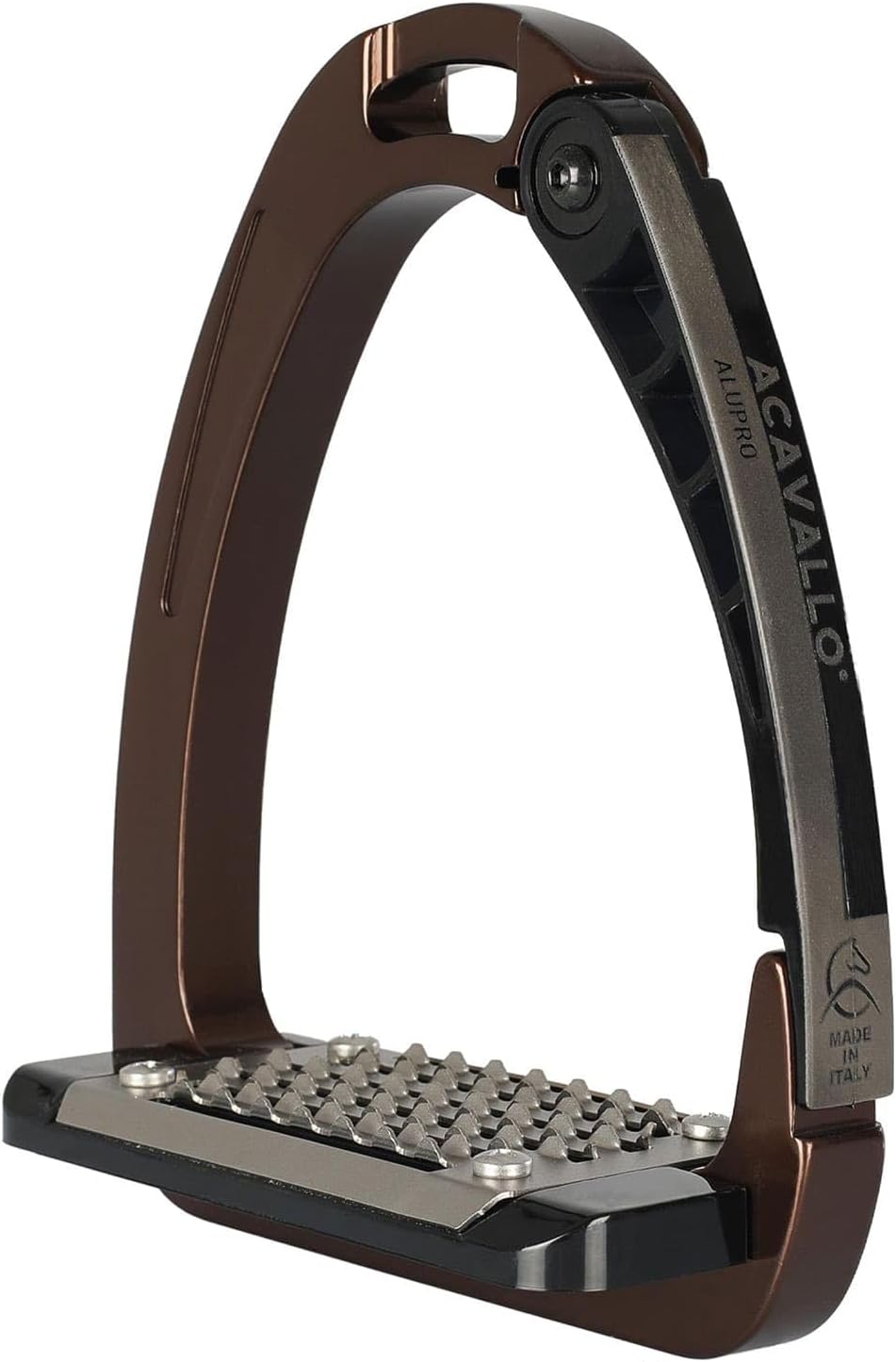
FreeJump Safety Stirrups Pro
Patented rotating side arm prevents foot locking. Wide footbed reduces joint pressure. Aerospace-grade aluminum construction with shock-absorbing elastomers. Release mechanism activates at 45kg pressure.
Check Amazon PriceHorse Protective Gear: Boots, Wraps & More
Safety extends to your equine partner. Proper horse protective gear prevents injuries and supports performance. The right equipment varies by discipline and conditions.
| Gear Type | Primary Protection | Key Features 2026 | Recommended Use |
|---|---|---|---|
| Sport Boots | Tendons, ligaments | Shock-absorbing gel inserts, breathable mesh, quick-closure systems | Jumping, cross-country, hard ground |
| Bell Boots | Coronary band, heels | Overreach protection, silicone grip lining, tear-resistant materials | All disciplines, especially young or exuberant horses |
| Shipping Boots | Legs during transport | High-density foam, moisture-wicking liners, full-length protection | Trailering, overnight travel |
| Polo Wraps | Support, minor protection | Breathable cotton blends, elastic for even pressure, washable | Training, warming up, light work |
| Multi-Sport Boots | Comprehensive leg protection | Modular design, interchangeable pads, waterproof options | Versatile use across disciplines |
Common Horse Gear Mistakes
- Improper fit: Boots that are too tight restrict circulation; too loose can slip and cause injury
- Dirty gear: Unclean boots can cause skin infections and rubs
- Worn-out equipment: Frayed wraps or boots with deteriorated padding offer little protection
- Wrong gear for conditions: Using light boots on rocky terrain or heavy boots in deep sand
- Neglecting maintenance: Failing to regularly inspect and replace worn equipment
Hi-Visibility & Weather Protection
Visibility and weather protection are critical safety considerations, especially for road riding and trail riding in variable conditions.
Hi-Vis Riding Apparel
Modern hi-vis gear goes beyond simple vests. Look for 360-degree reflective strips, LED-integrated clothing, and photoluminescent materials that glow after dark. Some jackets feature built-in turn signals controlled via handlebar buttons.
Weather-Resistant Technology
Advanced materials like Gore-Tex Infinium provide waterproof breathability. Phase-change materials regulate temperature, while quick-dry fabrics prevent hypothermia risk. Look for sealed seams and waterproof zippers for true protection.
Horse Hi-Vis Gear
Equine visibility options include reflective leg bands, LED tail lights, and hi-vis saddle pads. New for 2026: motion-activated lighting that activates when riding at dusk or dawn.
Climate Control Systems
Active cooling/heating systems integrated into riding apparel. Battery-powered vests with heating elements, cooling neck wraps with phase-change gel, and ventilated helmets with integrated fans.
Real Safety Impact: Sarah's Story
Sarah, an experienced trail rider, invested in a full safety upgrade after a close call in 2024:
- Before: Basic helmet, no body protection, standard stirrups
- After: MIPS helmet, air vest, safety stirrups, full hi-vis kit
- Incident: Horse spooked at dusk on a country road
- Outcome: Air vest deployed, hi-vis alerted driver, safety stirrups released foot
- Result: Minor bruises instead of potential serious injury
"The investment seemed high initially," Sarah says, "but when my air vest deployed during that fall, I knew it was worth every penny. The driver told me he saw my hi-vis gear from 500 feet away and had time to brake. That equipment didn't just protect me it might have saved my life."

All-Weather Riding Jacket
Weatherproof
Pioneer Hi Vis Work Jacket for Men
Waterproof breathable construction with 360-degree reflective detailing. Features adjustable ventilation, removable hood, and integrated safety pocket for phone/wallet. Certified to EN ISO 20471 hi-vis standards.
Check Amazon PriceUnderstanding Safety Standards & Certifications
Not all safety gear is created equal. Understanding safety standards and certifications ensures you're getting genuine protection.
Safety Certification Checklist
- ASTM F1163-23 (US standard)
- VG1 01.040 2024 (EU standard)
- SEI certification seal
- MIPS or equivalent technology
- Proper fit certification
- BETA Level 3 (2009 or 2018)
- ASTM F1937-22
- EN 13158:2017
- Air vest: tested to 25+ deployments
- CE marking for EU compliance
- EN ISO 20471 certification
- Class 2 or 3 visibility rating
- Wash durability tested
- Reflective material certification
- Weather resistance standards
- ASTM F2413 safety toe
- EN ISO 20345 (EU safety)
- Slip-resistant soles
- Ankle protection rating
- Breakaway certification
Budgeting for Safety: Cost vs. Protection
Quality safety gear represents an investment, but strategic purchasing can maximize protection within your budget.
Priority Investment
Helmet first: Allocate 40-50% of budget to
the best helmet you can afford
Body protection second: 30-40% for quality
body protector or air vest
Other gear: Remaining 10-30% for stirrups,
hi-vis, and horse protection
Phased Purchasing
Phase 1 (Essential): Helmet, basic body
protector
Phase 2 (Enhanced): Safety stirrups, hi-vis
gear
Phase 3 (Advanced): Air vest, specialized
horse protection
Phase 4 (Complete): Weather gear, emergency
equipment
Smart Shopping Tips
End-of-season sales: Save 30-50% on current
models
Closeouts: Previous year's models often 40%
off
Package deals: Helmet + body protector
bundles
Used gear: Consider certified pre-owned
from reputable sellers
Insurance Considerations
Some equestrian insurance policies offer discounts for safety gear or replacement coverage after accidents. Check if your policy includes safety equipment riders or if investing in certified gear lowers premiums.
Final Safety Thoughts
Investing in proper horse safety gear is one of the most important decisions you can make as an equestrian. While the initial cost may seem significant, consider it against potential medical bills, recovery time, and most importantly, the risk to your safety and your horse's wellbeing.
Remember that safety is cumulative each piece of proper equipment adds another layer of protection. A good helmet plus a body protector plus safety stirrups plus hi-vis gear creates a comprehensive safety system that significantly reduces risk.
Your safety gear should be as much a part of your riding routine as your saddle and bridle. Make safety non-negotiable, stay informed about new developments, and ride with confidence knowing you're properly protected.