Recipe Introduction
Tuna is a beloved treat for many cats, but it should be offered with caution. This homemade cat food with tuna is a simple, palatable recipe that can be used as an occasional reward or a short-term bland diet for cats with reduced appetite. Because tuna alone lacks essential nutrients like taurine and can contain higher mercury levels, this recipe is designed as a supplement to a balanced diet, not a complete meal replacement.
Made with canned tuna in water (never oil or brine), a small amount of rice for digestibility, and added taurine, this recipe gives your cat the taste they love while keeping safety in mind. Always consult your veterinarian before feeding tuna regularly, and limit servings to once or twice a week.
Table of Contents
Simple Tuna Cat Food
Occasional Treat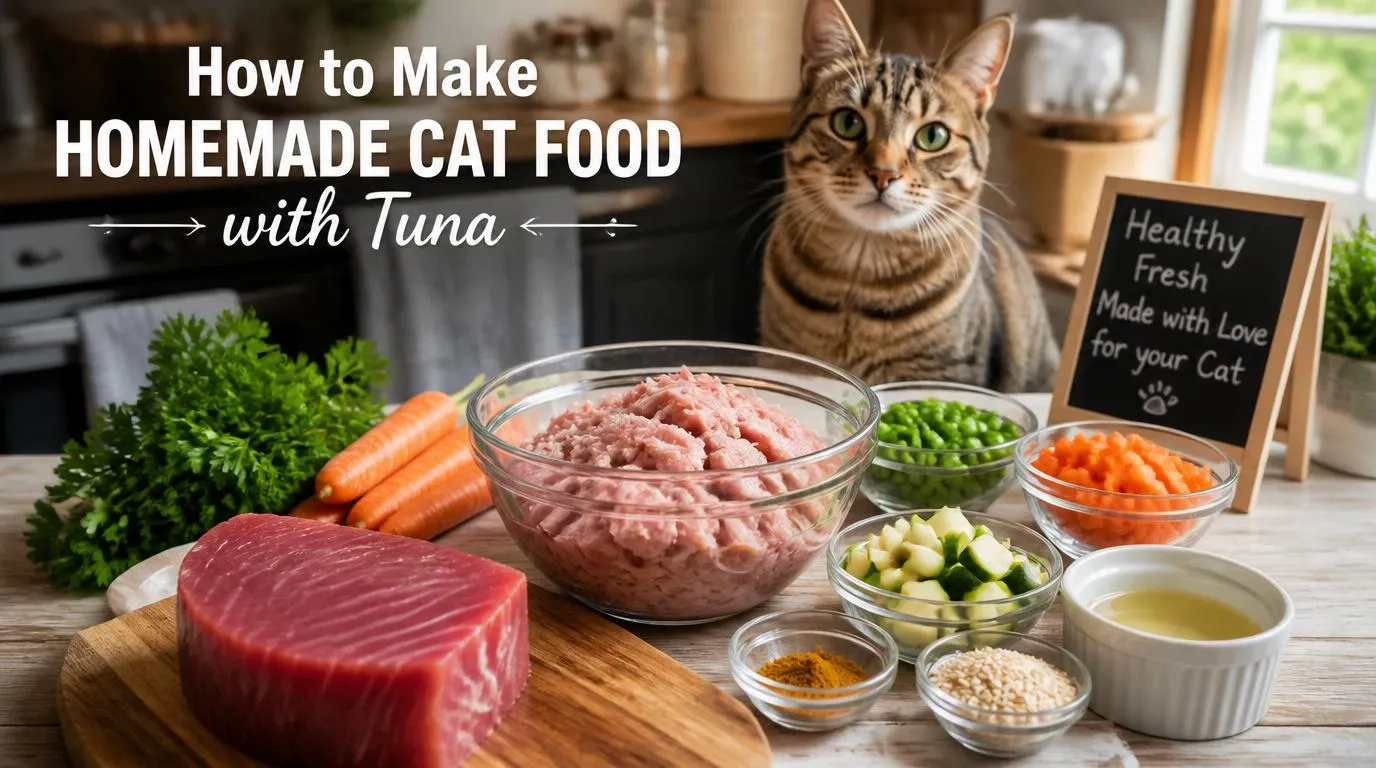
Ingredients
- Canned tuna (in water, no salt added) 5 oz (1 can)
- White rice (cooked) ¼ cup
- Taurine supplement as directed
- Fish oil (optional) ½ tsp
- Water or low‑sodium broth 2‑3 tbsp
Important: Use only tuna packed in spring water, never oil or brine. Tuna should be an occasional treat only (max once or twice a week). This recipe is not nutritionally complete for long-term feeding.
Approximate Nutritional Info (per serving)
Tuna is not a complete meal. Always add taurine and use only as a supplement to a balanced commercial or vet-approved diet.
Step-by-Step Instructions
- Cook rice (if needed): Prepare ¼ cup of cooked white rice according to package directions. Plain, unseasoned rice is best.
- Drain tuna: Open the can of tuna (in water) and drain the liquid completely. Reserve a small amount of the water if you want extra moisture.
- Flake tuna: In a bowl, flake the tuna with a fork into small, bite-sized pieces.
- Combine: Add the cooked rice to the tuna. Mix well. Add a little water or low‑sodium broth to reach a moist, soft consistency.
- Add taurine: Once the mixture has cooled to room temperature, stir in the recommended amount of taurine supplement. Add fish oil if desired for extra omega‑3s.
- Serve: Offer a small portion (about 2‑3 tablespoons for an average cat) as a treat or appetite stimulant. Refrigerate leftovers immediately.
Pros and Cons of Tuna Cat Food
Pros
- Highly palatable – great for picky eaters or cats with reduced appetite.
- Simple to prepare – minimal cooking required.
- Good source of protein – helps maintain muscle mass.
- Can be used as a topper – mix with regular food to encourage eating.
Cons
- Nutritionally incomplete – lacks taurine and other essential nutrients.
- Mercury concerns – limit to occasional feeding.
- May cause addiction – cats can become hooked on tuna and refuse balanced food.
- High sodium if not water-packed – always choose no‑salt-added versions.
Nutritional Tips – Tuna and Your Cat
Ingredient Considerations
- Canned tuna (water-packed): Provides lean protein but is low in taurine. Choose skipjack or light tuna (lower mercury) over albacore.
- White rice: Easily digestible carbohydrate; use sparingly as cats have minimal carb needs.
- Taurine: Essential amino acid; must be added when feeding any homemade food. Deficiency can cause heart and vision problems.
- Fish oil: Adds omega‑3 fatty acids that support skin, coat, and joint health.
Safety note: Never feed raw tuna to cats due to risk of bacteria and thiamine destruction. Always use cooked or canned.
Serving Suggestions & Frequency
Tuna should be considered a treat, not a staple. Follow these guidelines to keep your cat healthy:
- Occasional treat: Offer no more than once or twice a week, and in small portions (2‑3 tablespoons for an average cat).
- Appetite stimulant: A small amount of tuna water or flaked tuna can encourage a sick cat to eat, but always transition back to a balanced diet.
- Mix with regular food: Use a teaspoon of tuna mixed into your cat's usual wet or dry food to add variety.
- Not for kittens: Kittens have higher nutritional demands; avoid tuna except under veterinary guidance.
Recipe Variations
Try These Swaps
- Add pumpkin: 1 teaspoon of plain canned pumpkin (not pie filling) for extra fiber and digestive support.
- Use sardines: Canned sardines in water (no salt) are a safer, lower‑mercury alternative to tuna and contain natural taurine.
- Make it a topper: Instead of rice, simply flake tuna with a little water and sprinkle over your cat's regular meal.
- Chicken & tuna combo: Mix equal parts cooked shredded chicken and flaked tuna to reduce tuna intake while maintaining palatability.
Always introduce new foods gradually and watch for digestive upset.
Must‑Have Kitchen Items
Recommended Tools
- Can Opener – for safe opening of tuna cans. Check price on Amazon
- Small Mixing Bowl – to combine ingredients. Check price on Amazon
- Airtight Storage Containers – for leftovers. Check price on Amazon
- Measuring Spoons – for taurine and fish oil. Check price on Amazon
We participate in the Amazon Services LLC Associates Program, an affiliate advertising program designed to provide a means for us to earn fees by linking to Amazon.com and affiliated sites. As an Amazon Associate, we earn from qualifying purchases.
Storage and Safety Tips
Keep It Safe
- Refrigerator: Store in an airtight container for up to 3 days.
- Freezer: Portion and freeze for up to 2 months. Thaw in refrigerator before serving.
- Signs of spoilage: Sour smell, mold, or if left out more than 2 hours – discard immediately.
- Choose wisely: Always select tuna packed in spring water with no added salt or seasonings. Avoid tuna in oil or brine.
- Mercury awareness: Limit tuna to occasional use. Light tuna (skipjack) has lower mercury than albacore.
Conclusion
Homemade tuna cat food can be a delightful occasional treat that your cat will adore. However, it's important to remember that tuna should never replace a balanced, complete diet. Use this recipe sparingly, always add taurine, and consult your veterinarian if you plan to offer it regularly. By treating tuna as a special reward rather than a staple, you can keep your feline friend both happy and healthy.
Enjoy making this simple recipe and watching your cat's excitement at mealtime!
Frequently Asked Questions
Is tuna safe for cats?
Yes, in small amounts. Tuna is safe as an occasional treat, but it should not be a daily meal due to mercury concerns and nutritional deficiencies. Always use tuna packed in water with no salt.
How often can I give my cat tuna?
Limit tuna to once a week or less. Too much tuna can lead to mercury poisoning, picky eating habits, and taurine deficiency. Offer a small amount (2‑3 tablespoons) as a treat.
Can I feed my cat tuna every day?
No. Daily tuna feeding is not recommended because it lacks essential nutrients (especially taurine) and may contain mercury. A steady diet of tuna can cause serious health issues over time.
What kind of tuna is best for cats?
Choose light tuna (skipjack) packed in spring water with no added salt. Avoid albacore (higher mercury) and never use tuna in oil or brine. Drain the water before serving.
Can I use tuna juice for my cat?
Tuna juice (the water from the can) can be used in small amounts to entice a picky cat, but it should be low‑sodium. Too much can lead to excessive salt intake. It's best used as a flavor topper on regular food.
Do I need to add taurine to this recipe?
Yes. Tuna is naturally low in taurine, an essential amino acid for cats. If you are feeding this as more than a tiny treat, always add a taurine supplement to prevent deficiency.