Recipe Introduction
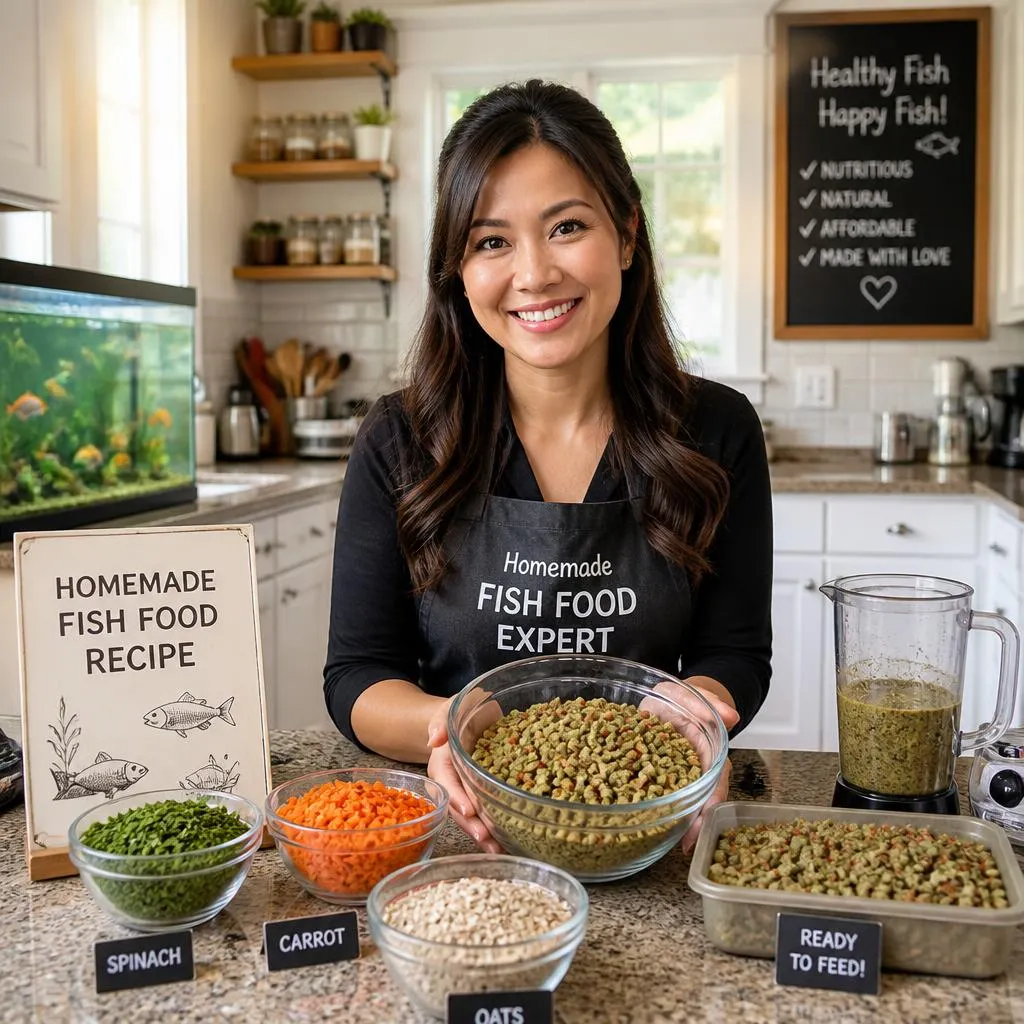
Tropical fish thrive on a varied, high‑protein diet that mimics what they would eat in the wild. This homemade fish food for tropical fish combines high‑quality seafood, color‑enhancing ingredients, and essential vegetables into a convenient gel formula. It's perfect for community tanks, cichlids, tetras, angelfish, and any omnivorous tropical species.
Commercial fish foods can be excellent, but making your own allows you to control freshness, avoid preservatives, and tailor the recipe to your fish's specific needs. This gel‑based food is easy to prepare, stays together in the water, and won't cloud your tank when fed correctly.
Table of Contents
Tropical Fish Color & Health Formula
Color Enhancing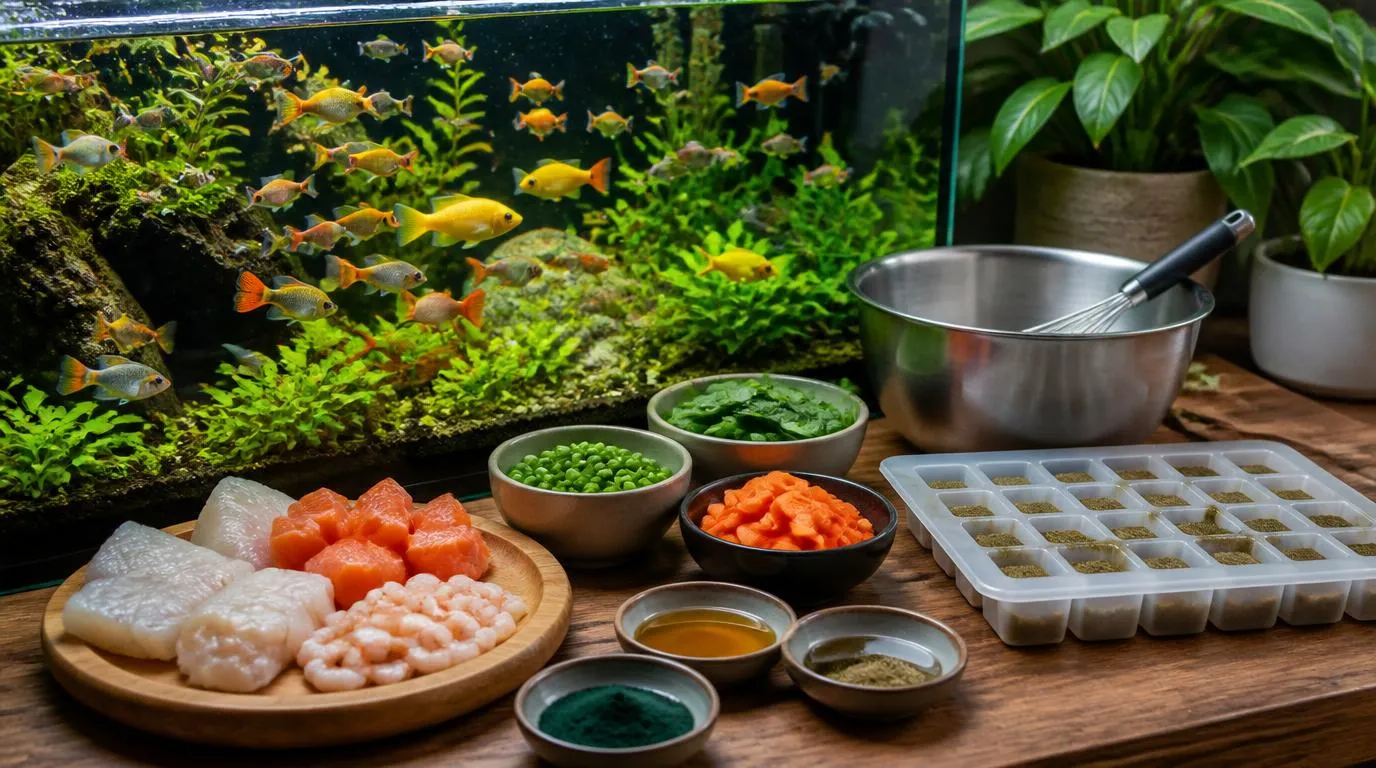
Ingredients
- Raw shrimp (or white fish like tilapia) ½ cup
- Peas (fresh or frozen, shelled) ¼ cup
- Carrot, finely grated ¼ cup
- Spinach (fresh or frozen) ¼ cup
- Spirulina powder (optional, for color) 1 tsp
- Unflavored gelatin (powder) 1 packet (7g)
- Water ½ cup
- Garlic (optional, immune boost) 1 clove, crushed
Optional additions: Paprika or astaxanthin for red color, fish oil for omega‑3s, crushed multivitamin.
Approximate Nutritional Profile (per teaspoon)
Values vary with ingredients. This recipe is a supplement to a varied diet; do not rely solely on homemade food without ensuring nutritional completeness.
Step-by-Step Cooking Instructions
- Prepare the seafood: If using shrimp, remove shells and devein. If using fish, ensure it is boneless and skinless. Rinse well.
- Blend the base: In a food processor or blender, combine shrimp/fish, peas, carrot, spinach, spirulina, and garlic. Pulse until you get a smooth paste. Add a tablespoon of water if needed.
- Prepare gelatin: In a small saucepan, sprinkle gelatin over ½ cup of cold water. Let sit for 2 minutes to bloom. Heat gently over low flame, stirring constantly, until gelatin dissolves (do not boil).
- Combine and heat: Add the seafood‑vegetable paste to the gelatin mixture. Stir well over low heat for 2‑3 minutes to combine and lightly cook. Remove from heat.
- Pour and set: Pour into a shallow dish or ice cube trays. Spread evenly to about ½‑inch thickness. Refrigerate for at least 2 hours until firm.
- Portion and store: Once set, cut into small cubes or score into bite‑sized pieces appropriate for your fish. Store in an airtight container in the refrigerator for up to 2 weeks, or freeze for longer.
- Feeding: Offer a small amount once or twice a day, removing any uneaten food after a few minutes to prevent water pollution.
Pros and Cons of Homemade Tropical Fish Food
Pros
- Fresh, high‑quality ingredients – no fillers or preservatives.
- Color enhancement – natural pigments from shrimp, spirulina, and vegetables.
- Better water quality – gel foods are less prone to clouding when fed properly.
- Customizable – adjust protein/vegetable ratio for different species.
- Cost‑effective – especially for larger tanks.
Cons
- Time‑consuming – requires preparation every few weeks.
- Risk of nutritional imbalance – must ensure variety.
- Shorter shelf life – must be refrigerated or frozen.
- Overfeeding can foul water – portion control is essential.
Nutritional Tips – Why These Ingredients Support Tropical Fish
Ingredient Benefits
- Shrimp/fish: High‑quality protein, essential amino acids, and natural astaxanthin for red/orange coloration.
- Peas: Fiber to aid digestion; helps prevent bloat in omnivorous fish.
- Carrot: Beta‑carotene (converted to vitamin A) for immune health and color.
- Spinach: Iron, calcium, and antioxidants.
- Spirulina: Rich in protein, vitamins, and natural blue‑green pigments; excellent for color and immunity.
- Garlic: Natural immune booster and appetite stimulant; may help deter parasites.
- Gelatin: Binds ingredients into a stable gel that slowly sinks, making it easy for fish to consume.
Feeding Guidelines for Tropical Fish
Feed only as much as your fish can consume in 2‑3 minutes. Overfeeding is the most common cause of poor water quality. Adjust amounts based on tank size and fish species.
- Small fish (tetras, rasboras, small barbs): Tiny crumbles or very small cubes, 1‑2 times daily.
- Medium fish (angelfish, gouramis, most cichlids): Small cubes or flakes, 1‑2 times daily.
- Large cichlids (oscars, severums): Larger cubes, 1‑2 times daily.
- Bottom feeders (corydoras, plecos): Ensure food reaches the bottom; you can let cubes sink or use a feeding clip.
Always remove uneaten food after a few minutes to prevent ammonia spikes. Introduce homemade food gradually, mixing with their regular diet at first.
Recipe Variations by Tropical Fish Species
Customize for Your Fish
- For carnivorous species (oscars, jaguar cichlids): Increase shrimp/fish content; add a small amount of beef heart or krill. Reduce vegetables.
- For herbivorous species (mbuna, some plecos): Increase spirulina and vegetable content; use agar‑agar instead of gelatin for a plant‑based binder.
- For color‑intensive fish (discus, angelfish, bettas): Add astaxanthin or paprika to the mix; use more shrimp for natural pigments.
- For fry (baby fish): Blend until extremely smooth and press through a fine sieve. Freeze in thin sheets and crumble into powder.
- For community tanks: Use a balanced recipe with moderate protein and vegetables; add garlic occasionally for immune support.
Always research the specific dietary needs of your fish species before altering the recipe.
Must‑Have Kitchen Items
Recommended Tools
- Food Processor or Blender – for creating a smooth paste. Check price on Amazon
- Small Saucepan – for dissolving gelatin. Check price on Amazon
- Sharp Knife – for portioning the gel. Check price on Amazon
- Ice Cube Trays or Silicone Molds – for easy portioning. Check price on Amazon
- Feeding Clip or Cone – for attaching gel foods to the tank wall. Check price on Amazon
We participate in the Amazon Services LLC Associates Program, an affiliate advertising program designed to provide a means for us to earn fees by linking to Amazon.com and affiliated sites. As an Amazon Associate, we earn from qualifying purchases.
Storage and Safety Tips
Keep It Fresh & Safe
- Refrigerator: Store in an airtight container for up to 2 weeks.
- Freezer: Portion into cubes and freeze for up to 6 months. Thaw only what you'll use within a few days.
- Thawing: Thaw frozen portions in the refrigerator or in a small cup of tank water.
- Water quality: Always remove uneaten food after 5‑10 minutes to avoid ammonia spikes.
- Hygiene: Wash all equipment thoroughly after handling raw seafood to prevent cross‑contamination.
- Observation: Monitor fish for any signs of digestive upset or refusal to eat when introducing new food.
Conclusion
Making your own tropical fish food is a rewarding way to provide superior nutrition and vibrant colors to your aquarium inhabitants. This gel‑based recipe is a versatile base that can be adapted for almost any omnivorous tropical species. The combination of fresh seafood, vegetables, and color‑enhancing ingredients like spirulina will help your fish thrive.
Remember that homemade food should be part of a varied diet. Continue to offer occasional commercial flakes, pellets, or live/frozen foods to ensure a full spectrum of nutrients. With careful portion control and observation, you'll enjoy healthier, more colorful fish and the satisfaction of knowing exactly what goes into their food.
Happy fish keeping!
Frequently Asked Questions
Can I use this recipe for all tropical fish?
This recipe is designed for omnivorous tropical fish. For strict herbivores (like mbuna), increase vegetable content and consider using agar‑agar instead of gelatin. For strict carnivores, increase protein sources like shrimp or fish.
How long does homemade fish food last in the fridge?
Properly stored in an airtight container, it lasts up to 2 weeks. For longer storage, freeze in portioned cubes for up to 6 months.
Will this food cloud my aquarium water?
Gel foods are generally less likely to cloud water than flake foods when fed correctly. However, overfeeding or leaving uneaten food will always cause water quality issues. Feed small amounts and remove leftovers after a few minutes.
Can I add vitamins or supplements?
Yes. You can crush a fish‑safe multivitamin or add liquid vitamins designed for aquarium fish. Spirulina powder is an excellent natural supplement. Always follow dosage instructions and avoid over‑supplementing.
My fish are not eating the homemade food – what should I do?
Start by mixing a small amount with their regular food. Gradually increase the proportion over a week. Some fish are hesitant about new textures; crushing the gel into smaller, flake‑like pieces can help. Garlic can also stimulate appetite.
Can I use this recipe for fry (baby fish)?
For fry, you need much finer particles. Blend the mixture until very smooth, then press it through a fine sieve or freeze in very thin sheets and crumble. Many breeders prefer live foods for fry, but this gel can work as a supplement.