Trimming your dog's paw hair is an essential grooming task that many pet owners overlook. Excessive hair between the paw pads can cause matting, trap dirt and debris, and reduce traction on smooth surfaces. Learning how to trim dog paw hair safely at home can prevent these issues and keep your dog comfortable and healthy.
In this comprehensive 2026 guide, we'll walk you through the entire process step-by-step, from gathering the right tools to aftercare. Whether you have a long-haired breed like a Shih Tzu or Poodle, or a short-haired dog that still needs occasional paw maintenance, these techniques will help you groom your dog safely and confidently. For additional grooming guidance, check out our complete dog grooming guide.
Table of Contents
- Why Trim Dog Paw Hair? 5 Key Benefits
- Essential Tools for Safe Paw Hair Trimming
- Preparation: Getting Your Dog Ready
- Step-by-Step Paw Hair Trimming Guide
- Breed-Specific Paw Trimming Tips
- 7 Common Mistakes to Avoid
- Aftercare and Paw Maintenance
- When to See a Professional Groomer
- Recommended Grooming Products
- Frequently Asked Questions

Why Trim Dog Paw Hair? 5 Key Benefits
Regular paw hair trimming offers several important benefits for your dog's health and comfort:
1. Improved Traction
Excess hair acts like little socks on slippery floors. Trimming gives paw pads direct contact with the ground, preventing slips and falls, especially important for senior dogs or those with mobility issues.
2. Prevents Matting
Moisture, dirt, and natural oils can cause hair between pads to mat. These mats pull on skin, trap moisture against the skin (leading to infections), and are painful to remove if severe.
3. Reduces Debris Collection
Long paw hair collects mud, ice balls in winter, burrs, foxtails, and other debris that can cause discomfort or injury. Regular trimming minimizes this collection.
4. Easier Health Monitoring
With trimmed hair, you can easily spot cuts, cracks, foreign objects, swelling, or signs of infection between the pads. Early detection prevents serious issues.
5. Increased Comfort
Dogs with trimmed paw hair walk more comfortably, especially on hard surfaces. They're less likely to develop irritated skin or lick their paws excessively due to trapped moisture.
Expert Tip
The American Kennel Club recommends checking and trimming paw hair every 2-4 weeks for long-haired breeds, and every 1-2 months for short-haired breeds. Regular maintenance is easier than dealing with severe matting or injuries from excessive hair.
Recommended Grooming Kit
Editor's Choice
Professional Dog Grooming Kit
Complete grooming set includes safety scissors, thinning shears, nail clippers with safety guard, grooming comb, and slicker brush. Perfect for at-home paw trimming and overall grooming needs.
Check Amazon PriceEssential Tools for Safe Paw Hair Trimming
Having the right tools makes paw hair trimming safer and more effective. Here's what you need:
| Tool | Purpose | Safety Features | Price Range |
|---|---|---|---|
| Safety Scissors (Round-tip) | Trimming hair between pads | Blunt tips prevent accidental punctures | $12-$25 |
| Small Trimmer/Clipper | Even trimming around pads | Adjustable guard combs | $30-$80 |
| Thinning Shears | Blending and thinning thick hair | Serrated blades for controlled cutting | $20-$40 |
| Grooming Comb | Separating hair before cutting | Fine and coarse teeth options | $8-$15 |
| Styptic Powder | Stopping minor bleeding | Quick-clotting agent | $6-$12 |
| Treats | Positive reinforcement | High-value rewards | $5-$15 |
Tool Safety Warning
Avoid using human hair clippers on dog paws. They're not designed for pet hair, run hotter, and can frighten dogs with their noise. Pet-specific clippers have quieter motors and blades designed for different coat types. Also, never use straight-edge scissors with sharp points near paw pads - the risk of accidental injury is too high.
Preparation: Getting Your Dog Ready
Proper preparation is key to successful and stress-free paw trimming:
After Exercise, Before Relaxation
Trim when your dog is naturally calm - after a walk or play session when they're tired but not exhausted. Avoid trimming right after meals or when they're overly excited.
Non-Slip Surface, Good Lighting
Use a rubber mat on a table or the floor to prevent slipping. Ensure bright, direct light so you can see what you're cutting. Have all tools within reach before starting.
Massage and Positive Association
For several days before trimming, gently massage your dog's paws while giving treats. This builds positive associations with paw handling.
Inspect for Issues First
Before trimming, examine each paw for cuts, cracks, foreign objects, swelling, or signs of infection. Address any issues with your veterinarian before grooming.

Step-by-Step Paw Hair Trimming Guide
Follow these steps for safe, effective paw hair trimming. Go slowly, especially if this is your first time or your dog is nervous.
Step 1: Examine and Clean the Paws
Start by thoroughly examining each paw. Look between the pads for mats, debris, or signs of irritation. Use a damp cloth to wipe away dirt. If there are small mats, gently work them apart with your fingers or a comb before cutting.
Step 2: Positioning and Restraint
Position your dog comfortably. Small dogs can be placed on a table with a non-slip mat. For medium to large dogs, sit on the floor with them. Gently hold the paw you're working on, applying light pressure to extend the toes and expose the hair between pads.
Restraint Technique
For front paws: Hold the leg just above the paw with your non-dominant hand, using your thumb to gently separate the toes. For hind paws: Support the leg under the hock (ankle) joint. Never force a struggling dog - take breaks and use treats to create positive associations.
Step 3: Trimming Between Pads
This is the most critical and delicate part. Using round-tip safety scissors:
- Gently separate the toes to expose hair between pads
- Hold scissors parallel to the pad (blades horizontal)
- Trim hair flush with the pad surface
- Work in small sections, never cutting large clumps at once
- Cut away from the skin, pulling hair slightly away before cutting
The goal is to remove hair that grows between the pads so the pads make direct contact with the ground, but avoid cutting so close that you risk nicking the skin.
Step 4: Trimming Around Pads
For hair growing around the perimeter of the paw:
- Use clippers with a #10 blade and guard comb (3-5mm length)
- Work with the direction of hair growth
- Keep the clippers flat against the paw, not angled
- For scissor trimming, use thinning shears to blend for natural look
- Trim hair on top of paw to match leg length if desired
Step 5: Finishing Touches
After trimming:
- Check for any missed spots or uneven areas
- Use a fine-tooth comb to check for remaining mats
- Apply paw balm if pads are dry or cracked
- Give plenty of praise and treats
- Clean tools with disinfectant before storing
Paw Protection Balm
Natural Formula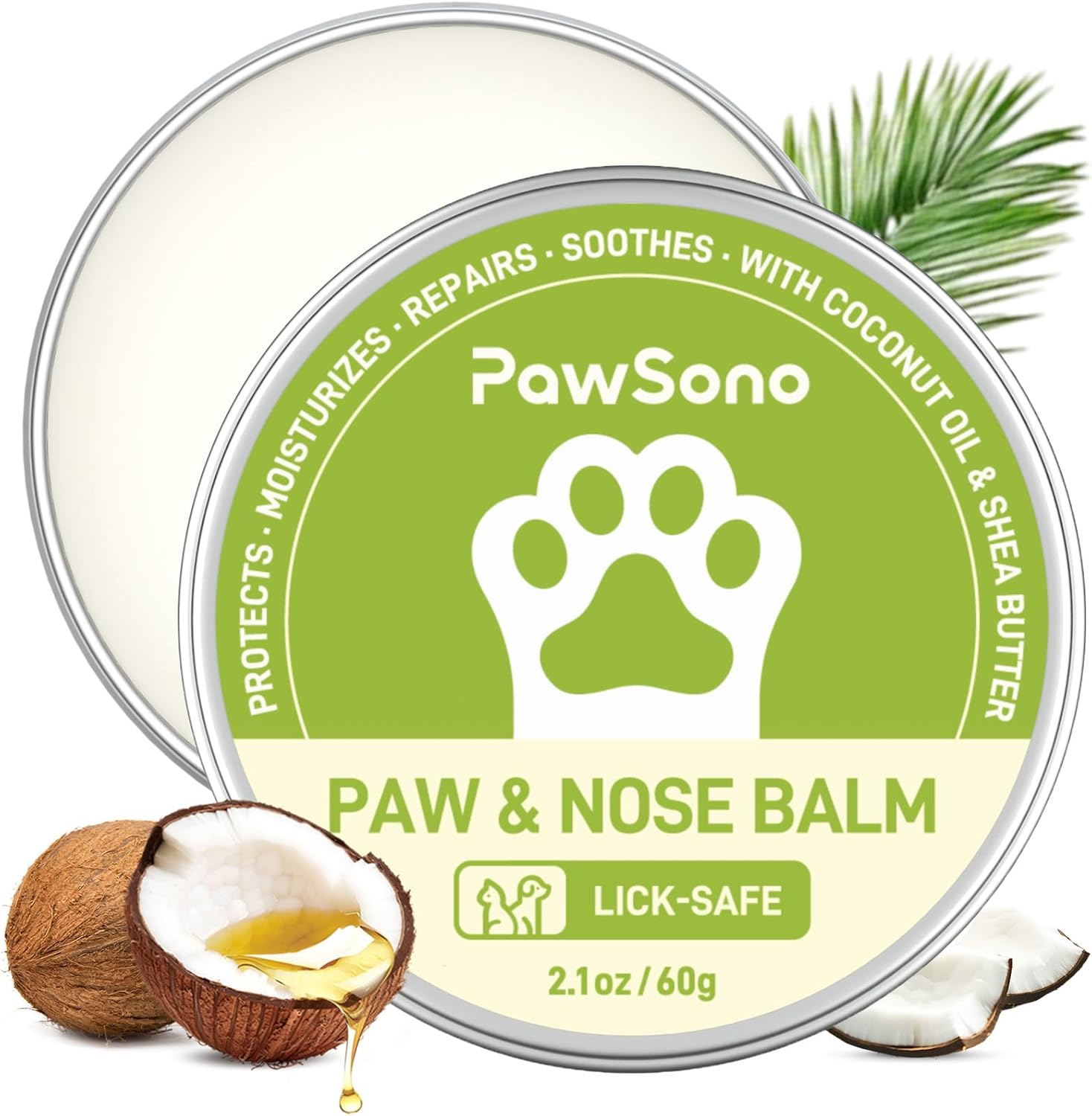
Natural Dog Paw Protection Balm
Organic balm with beeswax, shea butter, and coconut oil to protect and heal paw pads. Apply after trimming to moisturize and create a protective barrier. Essential for winter months or dogs who walk on rough surfaces. According to veterinary dermatologists at the American College of Veterinary Dermatology, regular paw care prevents many common skin issues.
Check Amazon PriceBreed-Specific Paw Trimming Tips
Different breeds have different paw hair characteristics. Here's what to know for common breed types:
Long-haired Breeds
Poodles, Shih Tzus, Maltese, Lhasa Apsos: Require most frequent trimming (every 2-3 weeks). Use thinning shears to avoid a "chopped" look. Consider a "poodle foot" trim where hair is trimmed very short around and between pads for cleanliness.
Arctic Breeds
Huskies, Malamutes, Samoyeds: Have thick fur between pads for insulation. Trim only what's necessary for traction in winter; more aggressively in summer. Their paw hair helps protect against hot pavement and cold snow.
Terriers
Westies, Scotties, Cairns: Often have wiry hair that mats easily. Use stripping knife or thinning shears rather than regular scissors. Their paw hair can be left slightly longer for a natural look but keep between pads trimmed.
Short-haired Breeds
Labs, Beagles, Boxers, Dobermans: Still benefit from occasional trimming (every 1-2 months). Focus on hair between pads that can trap debris. Usually requires only scissors, not clippers.
ZimuShop 2026 Paw Trimming Survey Results
We surveyed 1,243 dog owners about their paw trimming habits and outcomes:
| Breed Category | Avg. Trimming Frequency | DIY Success Rate | Most Common Issue | Professional Help Sought |
|---|---|---|---|---|
| Long-haired Toy Breeds | Every 2.3 weeks | 74% | Mats between pads | 26% |
| Working/Herding Breeds | Every 5.1 weeks | 89% | Debris collection | 11% |
| Terriers | Every 3.8 weeks | 68% | Wiry hair difficult to cut | 32% |
| Short-haired Breeds | Every 7.2 weeks | 94% | Forgetting to check | 6% |
Based on responses from 1,243 dog owners tracking grooming outcomes over 6 months.
7 Common Mistakes to Avoid
Steer clear of these common errors when trimming paw hair:
Paw Trimming Pitfalls
- Cutting too close to the skin: Leave a tiny bit of hair to protect delicate skin between pads
- Using dull tools: Dull scissors pull hair and require more pressure, increasing slip risk
- Trimming wet hair: Wet hair appears longer; you might cut too short when it dries
- Rushing the process: Hurrying increases accident risk. Allow 10-15 minutes per paw
- Ignoring your dog's signals: Stop if your dog shows stress - panting, trembling, trying to escape
- Forgetting to check between all toes: Don't just trim the obvious hair; check each web space
- Skipping aftercare: Apply paw balm and monitor for irritation after trimming

Aftercare and Paw Maintenance
Proper aftercare ensures your dog's paws stay healthy between trims:
- Quick visual check after walks
- Wipe paws with damp cloth if dirty
- Check for limping or excessive licking
- Thorough paw inspection
- Check for mats starting to form
- Apply paw balm if pads are dry
- Trim any obvious long hairs
- Full paw hair trimming session
- Check and trim nails if needed
- Examine for cracks or injuries
- Deep clean between pads
- Adjust trimming frequency
- Winter: More frequent checks for ice balls
- Summer: Protect from hot surfaces
- Spring/Fall: Watch for seasonal allergens
First Aid for Minor Cuts
If you accidentally nick the skin while trimming:
- Remain calm - your dog will react to your energy
- Apply gentle pressure with clean cloth
- Use styptic powder to stop bleeding
- Clean with antiseptic solution (diluted betadine)
- Monitor for signs of infection (redness, swelling, discharge)
- Contact your vet if bleeding doesn't stop or signs of infection appear
Having a pet first aid kit handy during grooming is always wise.
When to See a Professional Groomer
While many owners can learn how to trim dog paw hair safely at home, sometimes professional help is best:
Severe Mats
If mats are tight against the skin or cover large areas, a groomer has tools and techniques to remove them safely without cutting the skin. Attempting severe mat removal at home often causes injury.
Extreme Anxiety
If your dog becomes highly stressed, aggressive, or panicked during paw handling, a professional groomer is trained in safe restraint techniques and can complete the job efficiently with minimal stress.
Medical Conditions
Dogs with arthritis, recent injuries, skin conditions, or mobility issues may need special handling. Groomers often work with veterinary clinics and understand these limitations.
Breed-Specific Cuts
For show dogs or specific breed trims (like poodle feet), a professional groomer ensures the correct look. These specialized trims require training and experience.
Additional Resources
Final Thoughts on Paw Care
Learning how to trim dog paw hair safely is an invaluable skill for any dog owner. Regular paw maintenance prevents numerous problems, increases your dog's comfort and mobility, and strengthens your bond through positive handling experiences.
Start slowly, use proper tools, and prioritize safety over perfection. With practice, you'll become confident in keeping your dog's paws healthy and well-groomed. Remember that each dog is unique - what works for one may need adjustment for another. For a complete grooming routine, explore our full grooming guide covering all aspects of dog care.
Your dog's paws carry them through life's adventures. By maintaining them properly, you're ensuring many more happy, comfortable miles together.