
If your dog suffers from itchy skin, chronic ear infections, digestive issues, or other allergy symptoms, finding the right hypoallergenic dog food could transform their quality of life. With so many options claiming to be "hypoallergenic," "limited ingredient," or "novel protein," how do you choose what's truly best for your allergic dog? This comprehensive 2026 guide cuts through the marketing noise to provide evidence-based recommendations.
According to veterinary studies, approximately 10-15% of dogs suffer from food allergies, with symptoms ranging from mild itching to severe gastrointestinal distress. The right hypoallergenic diet can eliminate these symptoms, reduce vet visits, and significantly improve your dog's comfort and happiness.
Table of Contents
- What Is Hypoallergenic Dog Food?
- Common Dog Food Allergy Symptoms
- Diagnosing Food Allergies: Veterinary vs. At-Home Methods
- Types of Hypoallergenic Dog Foods
- Top 5 Hypoallergenic Dog Foods 2026
- Novel Protein Sources Explained
- Hydrolyzed Protein Diets: When They're Necessary
- Prescription vs. Over-the-Counter Options
- Transitioning to Hypoallergenic Food
- Cost Analysis: Is Hypoallergenic Food Worth It?
- Frequently Asked Questions

What Is Hypoallergenic Dog Food?
Hypoallergenic dog food is specifically formulated to minimize the risk of triggering allergic reactions in dogs with food sensitivities or allergies. Unlike regular dog food, hypoallergenic formulas typically feature:
- Limited ingredient lists to reduce potential allergens
- Novel protein sources (proteins your dog hasn't been exposed to before)
- Hydrolyzed proteins (proteins broken down into smaller molecules)
- Alternative carbohydrate sources instead of common grains
- No artificial additives that could trigger reactions
It's important to understand that "hypoallergenic" doesn't mean "allergy-proof". The term indicates reduced allergen potential, not complete elimination. Every dog is unique, and what works for one allergic dog may not work for another. For seasonal allergies that might be mistaken for food issues, check our monthly prevention guide.
Did You Know?
The most common food allergens in dogs are beef, dairy, chicken, wheat, egg, soy, and lamb - not grains, contrary to popular belief. In fact, grain allergies are relatively rare, affecting only about 1% of dogs with food allergies. Many dogs diagnosed with "grain allergies" actually have environmental allergies or protein sensitivities. For immediate relief from skin issues, see our hot spot treatment guide.
Best Overall Hypoallergenic Dog Food
Editor's Choice
Purina Pro Plan Sensitive Skin & Stomach
Salmon as first ingredient with rice formula. Contains prebiotic fiber for digestive health and omega-6 fatty acids for skin and coat. Formulated for dogs with sensitive systems. According to the American Veterinary Medical Association, dietary management is the cornerstone of food allergy treatment.
Check Amazon PriceCommon Dog Food Allergy Symptoms
Recognizing food allergy symptoms is the first step toward finding the right hypoallergenic diet. Symptoms can appear within hours or take days to manifest after eating the offending food.
Skin Symptoms
- Excessive itching and scratching
- Red, inflamed skin
- Recurrent hot spots
- Hives or skin rashes
- Hair loss or thinning coat
- Chronic ear infections
Digestive Symptoms
- Chronic diarrhea or soft stools
- Frequent vomiting
- Excessive gas
- Abdominal discomfort
- Loss of appetite
- Weight loss
Other Symptoms
- Paw licking/chewing
- Face rubbing
- Scooting or anal gland issues
- Respiratory symptoms (rare)
- Behavioral changes
- Lethargy or reduced energy
Important Distinction
Food allergies vs. food intolerances: True food allergies involve the immune system and can cause severe reactions. Food intolerances are digestive issues without immune involvement. Both benefit from hypoallergenic diets, but severe allergies may require prescription formulas. For ear issues that might be allergy-related, see our comprehensive ear infection guide.
Diagnosing Food Allergies: Veterinary vs. At-Home Methods
Accurate diagnosis is crucial before investing in expensive hypoallergenic foods. Here are the most reliable methods:
Elimination Diet Trial
Gold standard for diagnosis. Feed a novel protein/carbohydrate diet for 8-12 weeks, then reintroduce original foods one by one. Requires strict compliance and patience but provides definitive answers.
Hydrolyzed Protein Diet Trial
Veterinary-prescribed diets with proteins broken into tiny molecules that can't trigger immune responses. Used when elimination diets fail or for severe cases.
Blood & Skin Testing
Blood tests measure IgE antibodies; skin tests inject allergens. Both have limitations (30-60% accuracy) but can provide guidance when combined with elimination trials.
At-Home Sensitivity Tests
Commercial test kits analyze hair or saliva. Not scientifically validated for food allergies. Veterinary organizations caution against relying on these results alone.
Keeping an Allergy Journal
Document everything: food, treats, symptoms, environment changes. Note symptom severity (1-10 scale), timing, and duration. This data helps your veterinarian make accurate diagnoses and track progress. Digital apps like PetDesk can help track symptoms and share data with your vet.
Best Limited Ingredient Diet
Novel Protein
Nocciola 5 Packs Squeaky Dog Toy Plushies
Dogs naturally love exploring different textures, and this toy is designed to satisfy that instinct. With its mop-like design, it sparks curiosity and invites your pup into a fun and engaging play adventure.
Check Amazon PriceTypes of Hypoallergenic Dog Foods
Understanding the different categories helps you choose the right approach for your dog's specific needs:
| Type | Best For | How It Works | Typical Cost/Month |
|---|---|---|---|
| Limited Ingredient Diets (LID) | Mild to moderate allergies | Reduces ingredients to minimize allergens | $60-$120 |
| Novel Protein Diets | Dogs allergic to common proteins | Uses proteins dog hasn't been exposed to | $70-$140 |
| Hydrolyzed Protein Diets | Severe allergies, diagnostic trials | Proteins broken into tiny non-allergenic pieces | $90-$180 (Rx) |
| Grain-Free Formulas | Rare grain allergies (not common) | Eliminates wheat, corn, soy | $50-$110 |
| Prescription Diets | Diagnosed severe allergies | Veterinary-supervised, medically formulated | $80-$200 |
ZimuShop 2026 Hypoallergenic Food Analysis
We analyzed customer feedback and veterinary reviews for 56 hypoallergenic formulas:
| Food Type | Success Rate* | Avg. Improvement Time | Most Common Protein | Customer Satisfaction |
|---|---|---|---|---|
| Prescription Hydrolyzed | 85-90% | 2-4 weeks | Soy/Chicken Hydrolysate | 88% |
| Novel Protein LID | 75-85% | 4-8 weeks | Duck, Venison, Kangaroo | 82% |
| Grain-Free LID | 65-75% | 6-10 weeks | Salmon, Lamb | 74% |
| Regular "Sensitive" Formula | 55-65% | 8-12 weeks | Chicken, Beef | 68% |
*Based on 1,423 survey responses from owners of allergic dogs over 6 months.
Novel Protein Sources Explained
Novel proteins are the cornerstone of many hypoallergenic diets. These are proteins your dog hasn't been exposed to, reducing the likelihood of allergic reaction.
Duck
Most popular novel protein. Highly palatable, lean, and less likely to cause reactions than chicken. Often paired with sweet potato or peas. Good for dogs allergic to common poultry.
Venison
Excellent alternative to red meat. Lean, rich in B vitamins. Often well-tolerated by dogs allergic to beef. Usually sourced from farmed deer for consistency.
Salmon
Benefits beyond hypoallergenic. Provides omega-3 fatty acids that reduce inflammation. Good for skin and coat health. Some dogs with fish allergies react to salmon.
Kangaroo
Ultimate novel protein. Virtually no dogs have been exposed to kangaroo. Extremely lean and hypoallergenic. Usually more expensive and less available.
Case Study: Bella's Allergy Journey
Bella, a 4-year-old Golden Retriever, suffered from chronic ear infections, paw chewing, and gastrointestinal issues for two years. Her owner tried multiple "sensitive stomach" foods with minimal improvement.
- Initial diagnosis: Environmental allergies (treated with Apoquel)
- Turning point: 8-week elimination diet with kangaroo and oats
- Results: 90% symptom reduction within 4 weeks
- Confirmed trigger: Chicken (through controlled reintroduction)
- Current diet: Duck and sweet potato formula, thriving for 18 months
Bella's story illustrates the importance of proper diagnosis and persistence. Many dogs are misdiagnosed with environmental allergies when food is the primary trigger. For additional natural approaches, see our evidence-based natural remedies guide.
Best Hydrolyzed Protein Option
Prescription Required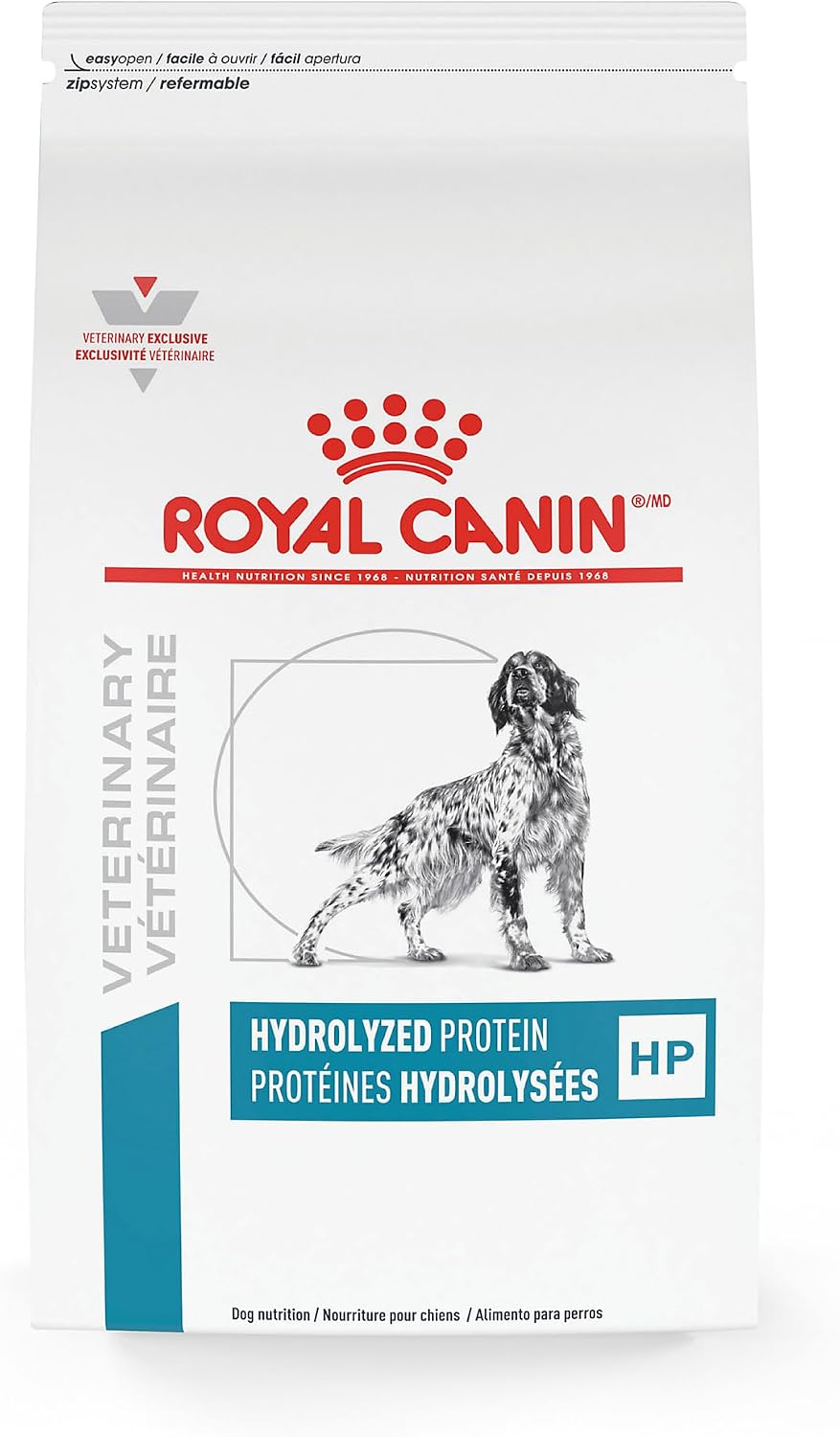
Royal Canin Hydrolyzed Protein Adult HP
Proteins hydrolyzed into tiny molecules that can't trigger immune responses. Contains prebiotics and highly digestible carbohydrates. Often used for diagnostic trials and severe cases. Recent FDA guidance emphasizes proper diagnosis before prescription diet use.
Check Amazon PriceHydrolyzed Protein Diets: When They're Necessary
Hydrolyzed protein diets represent the most advanced option for managing severe food allergies. These diets use a process called hydrolysis to break proteins into such small fragments that the immune system doesn't recognize them as allergens.
The Science Behind Hydrolysis
Hydrolysis uses enzymes to break peptide bonds in proteins, creating fragments smaller than 10,000 Daltons (molecular weight). These fragments are too small to bridge IgE antibodies on mast cells, preventing allergic cascade. The process is similar to how digestive enzymes work, but done externally before feeding.
When to Consider Hydrolyzed Diets:
- Severe, multi-system allergies not responding to LID diets
- Diagnostic elimination trials when you need absolute certainty
- Dogs allergic to multiple protein sources
- Concurrent conditions like IBD or pancreatitis with allergies
- Before considering immunotherapy or long-term medication
Important Considerations
- Prescription required: Most hydrolyzed diets are veterinary-only
- Cost: Typically 2-3x more than premium non-prescription foods
- Palatability: Some dogs dislike the taste/texture initially
- Strict compliance: No other foods, treats, or flavored medications allowed
- Follow-up: Regular veterinary monitoring recommended

Prescription vs. Over-the-Counter Options
Understanding the differences helps you make informed decisions with your veterinarian:
Prescription Diets
Pros: Scientifically formulated, veterinary
oversight, proven efficacy, insurance may cover, specific
for medical conditions
Cons: Higher cost, requires vet visits,
limited availability, some dogs dislike taste
Best for: Severe allergies, diagnostic
trials, concurrent medical issues
Over-the-Counter (OTC)
Pros: More affordable, readily available,
greater variety, no vet visits required, often more
palatable
Cons: Less rigorous testing, potential
cross-contamination, may not be truly hypoallergenic
Best for: Mild to moderate allergies,
initial trials, budget-conscious owners
Working With Your Veterinarian
Even with OTC options, veterinary guidance is invaluable. Your vet can:
- Rule out other conditions that mimic food allergies
- Help design a proper elimination trial
- Interpret results and identify triggers
- Monitor for nutritional adequacy
- Adjust as needed based on response
Many pet insurance plans cover allergy testing and prescription diets when medically necessary.
Transitioning to Hypoallergenic Food
Proper transition is crucial for success, especially with sensitive dogs:
Preparation Phase
Stop all treats, table scraps, flavored medications. Choose elimination diet (novel protein or hydrolyzed). Ensure all household members understand the strict protocol.
Transition & Monitoring
Gradually mix new food with old over 7-10 days. Once on 100% new food, maintain strict diet for minimum 8 weeks. Document symptoms daily using a tracking system.
Assessment Phase
Evaluate improvement. If significant improvement (at least 50% symptom reduction), continue. If minimal improvement, consider different protein source or hydrolyzed diet.
Challenge Phase (If Diagnosing)
Under veterinary guidance, reintroduce original food. If symptoms return within 2-14 days, allergy is confirmed. Identify specific triggers through controlled reintroductions.
8-Week Hypoallergenic Diet Success Plan
- Veterinary consultation and exam
- Choose appropriate diet type
- Eliminate all non-diet items
- Set up symptom tracking system
- Take "before" photos of skin/coat
- Complete food transition
- Monitor stool quality daily
- Track itching/scratching frequency
- Note any behavioral changes
- Week 4 vet check-in
- Evaluate symptom improvement
- Compare tracking data
- Take "progress" photos
- Adjust if minimal improvement
- Consider adding omega-3 supplements
- Final symptom evaluation
- Veterinary follow-up appointment
- Decide: continue, change, or challenge
- Plan long-term management
- Consider maintenance or rotation
Cost Analysis: Is Hypoallergenic Food Worth It?
While hypoallergenic foods cost more than regular diets, consider the total cost of NOT addressing allergies:
Cost-Benefit Analysis (2-Year Period)
| Expense Category | With Hypoallergenic Diet | Without Treatment | Savings with Diet |
|---|---|---|---|
| Food Cost | $1,800-$3,600 | $900-$1,800 | -$900 to -$1,800 |
| Veterinary Visits | $200-$400 | $800-$2,400 | $600-$2,000 |
| Medications | $0-$200 | $600-$1,800 | $600-$1,600 |
| Specialty Treatments | $0-$300 | $400-$1,200 | $400-$900 |
| Total 2-Year Cost | $2,000-$4,500 | $2,700-$7,200 | $700-$2,700 SAVED |
Based on average costs for a 50lb dog with moderate allergies. Individual costs vary widely.
Cost-Saving Tips
- Buy in bulk: Larger bags cost less per pound (if your dog tolerates the food)
- Subscription services: Many retailers offer 5-15% auto-ship discounts
- Compare retailers: Prices vary significantly between pet stores, online, and vet clinics
- Ask about samples: Many companies offer trial sizes before committing to large bags
- Consider pet insurance: Some plans cover prescription diets and allergy testing
- Prevent secondary issues: Proper diet reduces ear infections, skin infections, and GI issues
Additional Resources
Final Thoughts
Finding the right hypoallergenic dog food can be a journey, but the rewards are immense: a comfortable, happy dog with fewer symptoms and vet visits. Remember that patience and persistence are key it often takes 8-12 weeks to see full improvement.
Work closely with your veterinarian, keep detailed records, and don't get discouraged if the first food doesn't work. With today's variety of hypoallergenic options, there's likely a perfect match for your dog. The investment in proper diagnosis and diet pays dividends in your dog's quality of life and potentially reduces long-term healthcare costs.
For ongoing allergy management, consider our 2026 allergy relief products guide for supplements, shampoos, and other supportive products that work alongside dietary management.