Traveling internationally with pets has become increasingly common, but navigating the complex web of regulations, airline policies, and documentation requirements can be overwhelming. This comprehensive 2026 guide will walk you through every step of international pet travel, from initial planning to arrival at your destination. Whether you're relocating permanently or taking an extended vacation with your furry companion, proper preparation is essential for a smooth journey.
According to the USDA's Animal and Plant Health Inspection Service, over 2 million pets travel internationally each year, with numbers steadily increasing. However, improper preparation remains the leading cause of travel disruptions and pet stress. Our guide combines official regulations with practical tips from experienced pet travelers to ensure your journey is as stress-free as possible.
Table of Contents
- Your 6-Month Preparation Timeline
- Essential Documentation Checklist
- 2026 Airline Pet Policy Comparison
- Country-Specific Regulations
- Choosing the Right Travel Container
- Health Preparation & Veterinary Requirements
- Stress Reduction Strategies
- Cost Breakdown & Budgeting
- Emergency Planning & Contingencies
- Alternative Travel Options
- Arrival & Acclimation Tips
- Frequently Asked Questions

Your 6-Month International Pet Travel Timeline
Successful international pet travel requires careful planning months in advance. Rushing the process can lead to denied boarding, quarantine requirements, or unnecessary stress for your pet. Follow this comprehensive timeline to ensure nothing is overlooked:
Initial Research & Veterinary Consultation
Research destination country's import regulations through official government websites. Schedule a veterinary appointment to discuss travel feasibility, especially for older pets or those with health conditions.
Microchipping & Vaccination Updates
Ensure your pet has an ISO-compliant microchip (15-digit, 134.2 kHz). Many countries won't accept other types. Update all vaccinations, particularly rabies, which often requires a waiting period after administration. Some countries require rabies antibody titer tests that take months to process.
Booking & Documentation Start
Book flights early as airline pet spaces are limited. Obtain import permits from destination country if required. Begin acclimating your pet to their travel carrier with positive reinforcement training. Our carrier training guide offers step-by-step methods.
Final Health Checks & Paperwork
Schedule the mandatory veterinary health certificate examination (timing varies by country). Complete all required documentation and have it endorsed by USDA if traveling from the US. Confirm airline requirements and restrictions.
Final Preparations
Pack travel supplies including familiar items, necessary medications, and sufficient food. Make copies of all documentation. Confirm arrangements with arrival airport's animal reception center if required.
Last-Minute Checks & Travel Day
Final veterinary check if needed. Fast your pet according to airline guidelines (usually 4-6 hours before flight). Arrive at airport early to complete animal check-in procedures calmly.
Pro Tip: Start Even Earlier
For destinations with complex requirements (like Australia, New Zealand, or Hawaii), begin planning 9-12 months in advance. These locations often have mandatory quarantine periods and extensive testing requirements that cannot be rushed. The USDA Pet Travel website maintains updated country-specific requirement sheets.
Recommended Travel Carrier
Airline Approved
Sherpa Original Deluxe Pet Carrier
Airline-approved pet carrier with mesh ventilation, seatbelt straps, and comfortable fleece pad. Meets most airline requirements for in-cabin travel. According to IATA regulations, proper carrier sizing is crucial for pet safety during air travel.
Check Amazon PriceEssential Documentation Checklist
Paperwork is the most critical aspect of international pet travel. Missing or incorrect documentation can result in denied entry, quarantine, or even return shipment at your expense. This checklist covers essential documents for most destinations:
Mandatory Travel Documents
International Health Certificate
Issued by an accredited veterinarian within 10 days of travel (timing varies by country). Must be endorsed by USDA-APHIS for US-originating pets. Some countries require specific forms available on their agriculture department websites.
Rabies Vaccination Certificate
Proof of current rabies vaccination administered at least 21 days before travel but within validity period (1-3 years depending on vaccine type). Must include microchip number, vaccine manufacturer, lot number, and administration date.
Microchip Documentation
Proof of ISO 11784/11785 compliant 15-digit microchip. Bring the scanner if you have one, as not all airports have universal scanners. Ensure the microchip is registered with your current contact information.
Import Permit
Required by many countries, particularly for non-EU pets entering the EU or pets entering strict quarantine countries. Apply months in advance through the destination country's agricultural department.
Rabies Titer Test Results
Required for entry into rabies-free countries (UK, Australia, New Zealand, Japan, etc.). Blood sample must be sent to an approved laboratory (like Kansas State University) with results showing ≥0.5 IU/ml antibody level.
Airline-Specific Forms
Most airlines require their own health and acclimation certificates signed by your veterinarian. These often have specific time frames (48-72 hours before travel). Check your airline's website for required forms.
Documentation Pitfalls to Avoid
- Incorrect dates: Health certificates are often valid for only 10 days from issuance to arrival
- Missing endorsements: USDA endorsement is required for most international destinations
- Non-compliant microchip: Some countries only accept specific microchip types
- Vaccination timing: Rabies vaccines must be administered within specific windows
- Incomplete information: All forms must be completed without corrections or white-out
Make multiple copies of all documents and keep them in separate bags. Consider using a travel document organizer specifically designed for pet paperwork.
2026 Airline Pet Policy Comparison
Airline policies for pet travel vary significantly and change frequently. This comparison is based on 2026 policies and should be verified directly with airlines before booking:
| Airline | In-Cabin Pets | Cargo Pets | Breed Restrictions | Fees (One-Way) | Pet Friendliness Rating |
|---|---|---|---|---|---|
| Delta Airlines | Allowed | Allowed | Brachycephalic breeds restricted in cargo | $125-200 | |
| American Airlines | Allowed | Suspended* | Check breed-specific restrictions | $125 | |
| United Airlines | Allowed | Via PetSafe program | Brachycephalic restrictions apply | $125-250 | |
| Lufthansa | Allowed | Excellent program | Few restrictions | €50-200 | |
| Air France | Limited | Allowed | Temperature restrictions | €75-400 | |
| British Airways | Service animals only | Via IAG Cargo | Strict regulations | £60-300 |
*American Airlines cargo service suspended for pets but may offer exceptions for military travel. Always verify current policies directly with airlines.
Booking Strategy Tips
- Book early: Airlines limit the number of pets per flight (typically 2-4 in cabin)
- Direct flights: Always choose direct flights when possible to minimize stress and handling
- Temperature considerations: Avoid travel during extreme temperatures; many airlines have embargoes
- Verify at booking: Confirm pet policies when booking and again 72 hours before travel
- Consider pet-specific airlines: Services like PetAirways specialize in animal transport

Country-Specific Regulations Overview
Understanding destination country regulations is crucial for international pet travel. Requirements vary dramatically between countries and change frequently. Here's an overview of 2026 regulations for popular destinations:
European Union
No QuarantineRequirements: EU Pet Passport or third-country certificate, microchip, rabies vaccine, tapeworm treatment (dogs only). Rabies titer test for some member states.
Processing Time: 3-4 months with titer test
United Kingdom
No Quarantine*Requirements: Microchip, rabies vaccine, rabies titer test, tapeworm treatment 1-5 days before arrival, health certificate.
Note: *Post-Brexit rules differ from EU; requires animal health certificate
Australia
10 Days QuarantineRequirements: Import permit, microchip, rabies titer test, multiple other tests, external parasite treatment, internal parasite treatments.
Processing Time: 6-9 months minimum
Japan
0-12 HoursRequirements: Microchip, rabies vaccine (2 doses), rabies titer test, 180-day waiting period, health certificate, advance notification.
Processing Time: 7-8 months minimum
Canada
No QuarantineRequirements: Rabies vaccination certificate for dogs older than 8 months. Health certificate recommended. No microchip required but advised.
Processing Time: 1 month
New Zealand
10 Days QuarantineRequirements: Import permit, microchip, rabies titer test, comprehensive testing regimen, external/internal parasite treatments.
Processing Time: 6-10 months minimum
Critical Updates for 2026
Several important regulatory changes took effect in 2025-2026:
- EU: New digital pet passport system being phased in for easier verification
- UK: Post-Brexit transition period fully ended; new animal health certificates required
- Australia: Reduced quarantine from 10 to 5 days for pets from approved countries
- UAE: Stricter breed restrictions on "dangerous" dog breeds
- Global: Increased focus on ethical transport and animal welfare standards
Always check the USDA Pet Travel website or destination country's agricultural department for the most current requirements.
Pet Travel Health Kit
Vet Recommended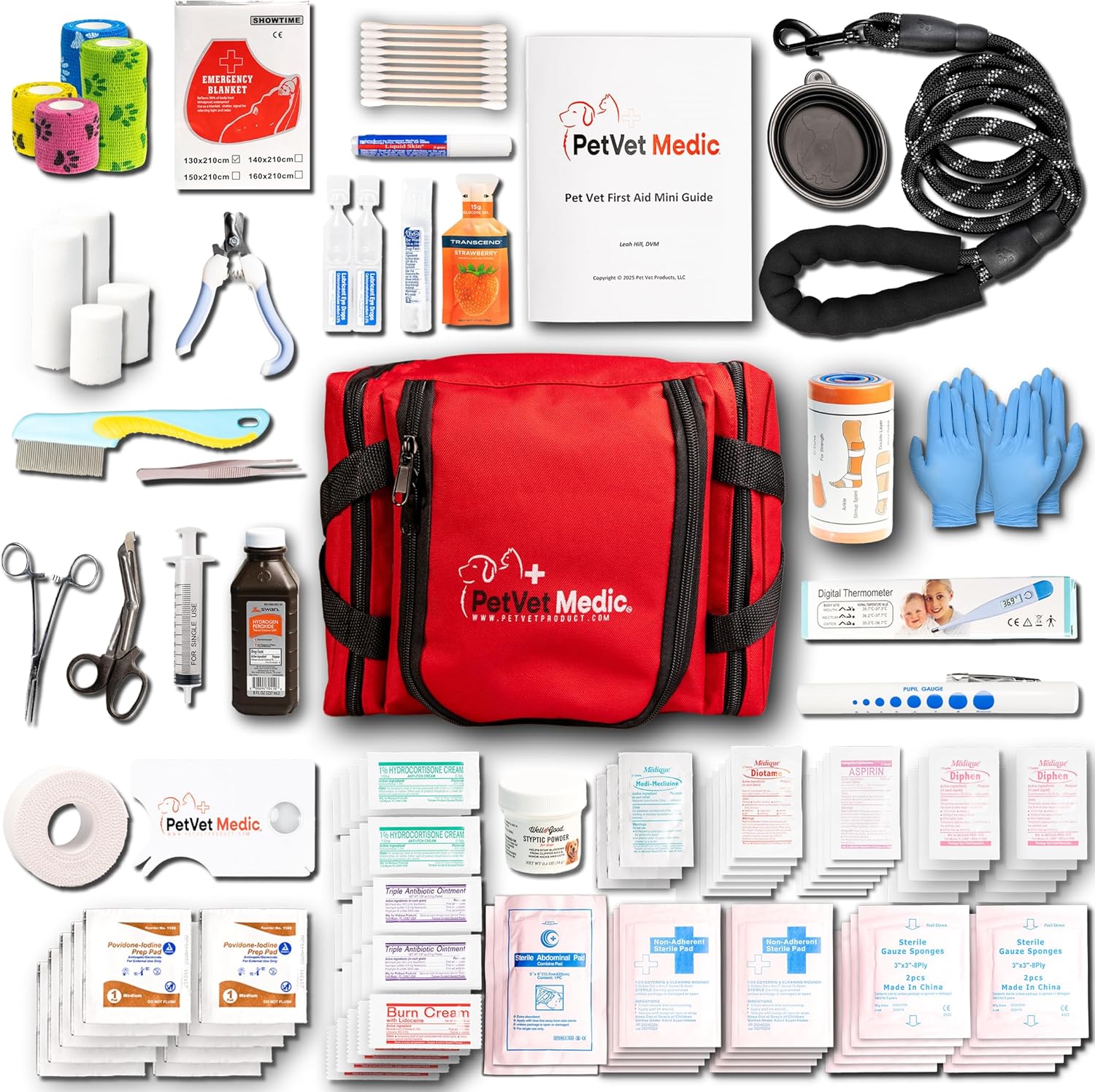
Comprehensive Pet Travel First Aid Kit
Includes emergency supplies, calming aids, disposable waste bags, portable water bowl, and essential medications. Approved by the American Veterinary Medical Association for travel safety.
Check Amazon PriceStress Reduction Strategies for Pet Travel
Travel can be stressful for pets, but proper preparation can minimize anxiety. According to a 2025 study published in the Journal of the American Veterinary Medical Association, pets experiencing travel stress have higher cortisol levels and slower recovery times. Implement these evidence-based strategies:
Proven Stress Reduction Techniques
Carrier Acclimation Training
Begin carrier training 2-3 months before travel. Make the carrier a positive space with treats, meals, and comfortable bedding inside. Gradually increase confinement time. Use pheromone sprays (Adaptil for dogs, Feliway for cats) in the carrier 30 minutes before travel.
Feeding & Hydration Strategy
Withhold food 4-6 hours before travel (consult your vet). Offer water until 2 hours before departure. Freeze water in the travel bowl to provide hydration without spills. Pack familiar food and treats to maintain routine.
Calming Supplements & Medications
Discuss anxiety management with your veterinarian. Options
include:
Natural: L-theanine, melatonin, calming
chews
Prescription: Trazodone, gabapentin
(require advance testing)
Important: Test any medication before
travel day to assess response.
Comfort Items & Familiar Scents
Include familiar items with home scents: unwashed t-shirt, favorite toy, blanket from their bed. These familiar scents can reduce anxiety by up to 40% according to canine behavior studies. Consider anxiety wraps (Thundershirt) which apply gentle pressure.
Travel Day Timeline
- Final meal (if permitted by airline)
- Potty break and short walk
- Administer any pre-travel medications
- Attach ID tags to collar and carrier
- Place comfort items in carrier
- Final water offering
- Apply pheromone spray to carrier
- Double-check all documentation
- Ensure carrier is properly labeled
- Take calming breaths (pets sense your anxiety)
- Use pet relief areas before check-in
- Remain calm during security screening
- Request private screening if available
- Speak calmly to your pet throughout
- Keep carrier secure during boarding
- Follow airline instructions precisely
- Do not open carrier during flight
- Use calming voice if pet becomes restless
- Notify flight attendants if concerned
- Stay hydrated yourself

Cost Breakdown & Budgeting for Pet Travel
International pet travel involves significant expenses beyond airline tickets. Understanding these costs helps with budgeting and prevents unexpected financial stress. Here's a detailed breakdown based on 2026 pricing:
Veterinary Costs
Includes health certificate, vaccinations, microchipping, titer tests, and any required treatments. Complex destinations (Australia, Japan) reach higher ends.
USDA Endorsement
Fee varies by number of pets and certificate type. Additional fees for expedited service or corrections.
Airline Fees
In-cabin: $125-$200 each way. Cargo: $200-$600+ depending on size, destination, and season.
Travel Gear
Airline-approved carrier, travel bowls, ID tags, documentation organizer, comfort items.
Import Permits
Varies by country. Some are free, others charge significant fees (particularly for commercial import).
Quarantine Fees
Only for countries requiring quarantine. Australia charges approximately $2,000 for 10-day stay.
Professional Services
Pet relocation companies handle everything from paperwork to transport. Highly recommended for complex moves.
Contingency Fund
For unexpected vet visits, flight changes, additional documentation, or emergency accommodations.
Cost-Saving Strategies
- DIY vs. Professional: Simple moves (US to Canada) can be DIY; complex ones (to Australia) benefit from professionals
- Veterinary Shopping: Some vets specialize in travel medicine and offer package pricing
- Airline Miles: Some airlines allow using miles for pet travel fees
- Military Discounts: Many airlines offer reduced pet travel fees for military personnel
- Off-Peak Travel: Some airlines have lower pet fees during non-peak seasons
- Tax Deductions: Pet relocation costs may be tax deductible if moving for work (consult a tax professional)
Emergency Planning & Contingencies
Despite meticulous planning, unexpected situations can arise during international pet travel. Having contingency plans reduces stress and ensures you can handle emergencies effectively. Essential emergency preparations include:
Flight Disruptions Plan
Research pet-friendly hotels at layover cities and destination. Book refundable options. Have contact information for local veterinarians at transit points. Know airline policies for pet care during extended delays.
Medical Emergency Kit
Carry pet first aid kit with vet contact information, medical records, and necessary medications. Include digital thermometer, bandages, antiseptic wipes, and your vet's emergency contact. Research emergency vet clinics at destination.
Documentation Backup
Keep original documents in waterproof folder in carry-on. Have digital copies on phone and cloud storage. Email copies to yourself and a trusted contact. Include embassy/consulate contact information for destination country.
Emergency Contact List
Create list including: your veterinarian, USDA APHIS office, airline pet desk, destination country's animal import authority, pet relocation service (if using), emergency contact person, and local embassy.
Prohibited Actions to Avoid
- Sedation: Most airlines prohibit sedation as it can cause respiratory issues at altitude
- False Documentation: Never falsify information; penalties include permanent import bans
- Hidden Pets: Never attempt to smuggle pets in luggage or disguise them
- Last-Minute Changes: Avoid changing flights, routes, or documentation at last minute
- Unapproved Carriers: Don't use non-compliant carriers; they may be rejected at check-in
Essential Resources
- USDA Pet Travel Website - Official requirements
- IATA Travel Regulations - International standards
- Pet Travel Safety Guide - Protection options
- U.S. State Department Travel Advisories
Final Travel Checklist
Before departing for the airport, verify:
- All documentation is complete, signed, and within validity periods
- Carrier meets airline and IATA requirements with proper labeling
- Pet has collar with ID tags (in addition to microchip)
- You have sufficient food, medications, and supplies for journey plus extra
- Emergency contact information is easily accessible
- You've confirmed flight and checked for any last-minute changes
- You know location of pet relief areas at departure and arrival airports
- Your pet has relieved themselves before entering the carrier
Safe travels! With proper preparation, international pet travel can be a smooth experience that opens up new adventures with your furry family member.