Kidney disease affects approximately 10-15% of dogs and 30-50% of cats over the age of 10. A properly formulated kidney diet is one of the most effective ways to manage renal disease, slow its progression, and improve your pet's quality of life. In this comprehensive 2026 guide, we'll explore everything you need to know about kidney diets for pets.
Understanding renal nutrition and learning how to implement a kidney-friendly diet could add meaningful time to your pet's life while reducing symptoms like nausea, poor appetite, and weight loss. Whether your pet has been recently diagnosed or you're looking to optimize an existing renal diet plan, this guide provides evidence-based information to help you make informed decisions.
Table of Contents
- Understanding Kidney Disease in Pets
- Key Principles of Kidney Diets
- Prescription Kidney Diets Explained
- Homemade Kidney Diet Options
- Essential Nutritional Components
- Supplements for Kidney Support
- The Critical Role of Hydration
- Monitoring Progress and Adjustments
- Cost Considerations and Options
- Frequently Asked Questions

Understanding Kidney Disease in Pets
The kidneys perform several vital functions including filtering waste from blood, regulating hydration, maintaining electrolyte balance, and producing certain hormones. When kidney function declines, toxins build up in the bloodstream, leading to a condition called uremia.
Common signs of kidney disease in pets include:
- Increased thirst and urination (early sign)
- Decreased appetite and weight loss
- Lethargy and weakness
- Vomiting and nausea
- Poor coat quality
- Bad breath with ammonia-like odor
Early Detection Is Key
Regular veterinary checkups with bloodwork and urinalysis can detect kidney disease in its early stages, often before symptoms appear. Early intervention with dietary management can significantly slow disease progression. The American Veterinary Medical Association recommends annual wellness exams for all pets, with more frequent monitoring for seniors.
Recommended Kidney Diet Food
Veterinary Recommended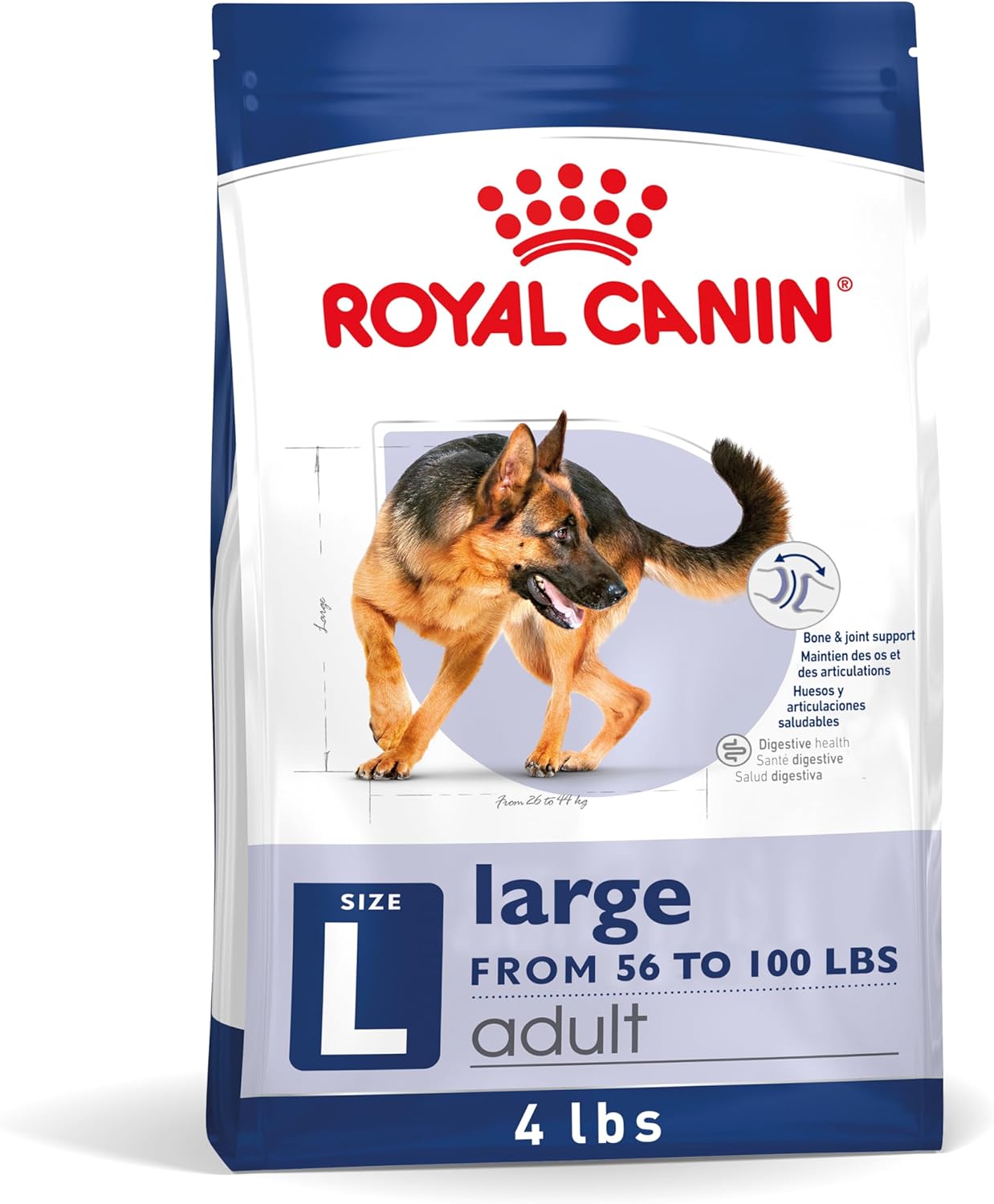
Royal Canin Renal Support Dry Dog Food
Formulated with restricted phosphorus and high-quality protein to support kidney function. Contains omega-3 fatty acids and antioxidants. Specifically designed for dogs with chronic kidney disease. Always consult with your veterinarian before starting any prescription diet.
Check Amazon PriceKey Principles of Kidney Diets
Kidney diets are specifically formulated to reduce the workload on damaged kidneys while providing optimal nutrition. The main principles include:
Reduced Phosphorus
Critical for slowing disease progression. High phosphorus levels accelerate kidney damage. Kidney diets contain 30-50% less phosphorus than maintenance foods.
High-Quality, Reduced Protein
Not no protein, but better protein. High biological value protein sources produce fewer waste products. Amount is reduced to decrease nitrogenous waste.
Increased Omega-3 Fatty Acids
Anti-inflammatory benefits. EPA and DHA from fish oil help reduce kidney inflammation and may slow disease progression.
Increased Antioxidants
Combats oxidative stress. Vitamins E and C, beta-carotene, and other antioxidants help protect remaining kidney cells from damage.
Important Warning
Never start a kidney diet without veterinary guidance. Pets with kidney disease often have other health issues that need consideration. Your veterinarian will determine the appropriate stage of kidney disease and recommend the right dietary approach. Sudden dietary changes can also cause problems.
Prescription Kidney Diets Explained
Prescription kidney diets are scientifically formulated foods available only through veterinarians. They represent the gold standard in renal nutrition management:
| Brand | Key Features | Available Forms | Best For |
|---|---|---|---|
| Hill's k/d | Enhanced appetite appeal, clinically proven to extend life | Dry, Wet, Stews | Pets with decreased appetite |
| Royal Canin Renal | Multiple formulas for different stages, precise nutrient control | Dry, Wet, Loaf | Stage-specific management |
| Purina NF | Restricted protein and phosphorus, added omega-3s | Dry, Wet | Budget-conscious owners |
| Rayne Clinical Nutrition | Limited ingredient, novel protein options | Dry, Wet | Pets with food sensitivities |

Homemade Kidney Diet Options
Some pet owners prefer homemade diets for better ingredient control. However, homemade kidney diets require careful formulation to avoid nutritional imbalances:
Basic Principles of Homemade Kidney Diets
- Eggs (high biological value)
- Skinless chicken breast
- Lean ground turkey
- Fresh fish (salmon, cod)
- Avoid organ meats (high phosphorus)
- White rice (low phosphorus)
- Pasta or couscous
- Potatoes (cooked, no skin)
- Low-phosphorus vegetables
- Avoid whole grains (high phosphorus)
- Fish oil supplements
- Kidney support supplements
- Calcium carbonate (binds phosphorus)
- B-complex vitamins
- Potassium if needed
- Dairy products
- Bones and bone meal
- Organ meats
- Whole grains
- High-phosphorus treats
Veterinary Nutritionist Consultation
If considering a homemade kidney diet, consult with a veterinary nutritionist. They can create a balanced recipe specifically for your pet's stage of kidney disease, weight, and other health conditions. The American College of Veterinary Nutrition maintains a directory of board-certified veterinary nutritionists.
Feline Kidney Diet Option
For Cats
Hill's Prescription Diet k/d Kidney Care
Specifically formulated for cats with kidney disease. Controlled levels of protein and phosphorus with added omega-3 fatty acids. Enhanced palatability encourages eating in cats with decreased appetite.
Check Amazon PriceEssential Nutritional Components in Kidney Diets
Understanding the specific nutritional adjustments in kidney diets helps explain why they're effective:
Nutritional Comparison: Regular vs. Kidney Diet
How kidney diets differ from regular maintenance foods (per 1000 kcal):
| Nutrient | Regular Food | Kidney Diet | Difference | Purpose |
|---|---|---|---|---|
| Protein (g) | 60-80 | 28-45 | -40% to -50% | Reduce nitrogenous waste |
| Phosphorus (mg) | 1500-2500 | 600-1200 | -50% to -70% | Slow disease progression |
| Sodium (mg) | 1000-2000 | 500-1000 | -50% | Control blood pressure |
| Omega-3 (mg) | 500-1000 | 2000-4000 | +300% to +400% | Reduce inflammation |
| Antioxidants (IU) | 100-200 | 300-600 | +200% to +300% | Protect kidney cells |
Based on analysis of leading prescription kidney diets. Actual values vary by brand and formula.
Supplements for Kidney Support
In addition to specialized diets, certain supplements can provide additional support for pets with kidney disease:
Omega-3 Fatty Acids
Fish oil (EPA/DHA) reduces kidney inflammation and may slow disease progression. Typical dose: 40 mg/kg combined EPA/DHA daily.
Phosphate Binders
Calcium carbonate or aluminum hydroxide bind dietary phosphorus when diet alone isn't enough to control blood phosphorus levels.
Potassium Supplement
Many kidney patients develop low potassium (hypokalemia). Potassium gluconate or citrate supplements help maintain muscle strength.
Probiotics
Specific probiotic strains may help reduce uremic toxins produced by gut bacteria. Look for strains studied in kidney disease.
Supplement Safety
Always consult your veterinarian before adding any supplements. Some supplements can interact with medications or worsen certain conditions. Dosage is critical what helps at one dose may harm at another. Your vet can recommend specific products and appropriate dosages for your pet's individual needs.
The Critical Role of Hydration
Pets with kidney disease often struggle to conserve water, making adequate hydration absolutely critical. Dehydration worsens kidney function and accelerates disease progression.
Multiple Strategies
Provide fresh water in multiple locations, use water fountains (many pets prefer moving water), add water or low-sodium broth to food, and offer ice cubes as treats.
Higher Moisture Content
Canned or pouched kidney diets provide 70-80% moisture compared to 6-10% in dry food. This significantly increases total water intake.
Home Administration
Many pets with advanced kidney disease benefit from subcutaneous fluid therapy administered at home. Your veterinarian can teach you this simple procedure.
Check Skin Turgor
Gently pinch the skin at the back of the neck. It should snap back immediately. Slow return indicates dehydration needing veterinary attention.

Monitoring Progress and Adjustments
Kidney disease management requires regular monitoring and adjustments. Key parameters to track include:
| Parameter | Monitoring Frequency | Target Goals | Action if Abnormal |
|---|---|---|---|
| Body Weight | Weekly at home | Maintain stable weight | Adjust calories, assess appetite |
| Blood Creatinine | Every 3-6 months | Stable or slow increase | Adjust diet, medications |
| Blood Phosphorus | Every 3-6 months | Within normal range | Add phosphate binders |
| Blood Pressure | Every 3-6 months | < 160 mmHg | Start antihypertensive medication |
| Urine Specific Gravity | Every 3-6 months | Monitor concentration | Adjust hydration strategies |
Success Story: Oliver's Journey
Oliver, a 12-year-old domestic shorthair cat, was diagnosed with Stage 2 kidney disease when his creatinine was 2.4 mg/dL. His owner implemented a comprehensive management plan:
- Month 1: Transitioned to prescription kidney diet, added fish oil supplement
- Month 3: Creatinine decreased to 2.1 mg/dL, appetite improved
- Month 6: Weight stabilized, coat quality improved significantly
- Year 1: Creatinine remains at 2.2 mg/dL minimal progression
- Year 2: Still thriving at age 14 with good quality of life
Oliver's story demonstrates how early intervention and consistent management can slow kidney disease progression and maintain quality of life for years.
Cost Considerations and Options
Prescription kidney diets and additional treatments represent a financial commitment. Here's what to expect:
Prescription Diet Costs
Dry food: $60-90 for 17-20lb bag (lasts 1-2
months for average dog)
Canned food: $2-3 per can (average dog
needs 2-3 cans daily)
Monthly cost: $100-250 depending on pet
size and food type
Supplement Costs
Fish oil: $20-40 monthly
Phosphate binders: $15-30 monthly
Potassium supplements: $10-25 monthly
Probiotics: $15-30 monthly
Veterinary Monitoring
Bloodwork (every 3-6 months):
$150-300
Urinalysis: $50-100
Blood pressure check: $30-60
Annual total: $500-1200
Cost-Saving Tips
Buy larger bags (cost per pound lower)
Use auto-ship discounts (5-15% off)
Ask about manufacturer rebates
Consider pet insurance that covers chronic conditions
Compare online pharmacy prices
Additional Resources
Final Thoughts on Kidney Diets for Pets
Managing kidney disease in pets requires commitment but offers meaningful rewards. A proper kidney diet, combined with veterinary care and attentive monitoring, can significantly slow disease progression, reduce symptoms, and maintain your pet's quality of life for months or years.
Remember that every pet is unique. What works perfectly for one may need adjustment for another. Regular communication with your veterinarian is essential for optimal management. While kidney disease is progressive, today's nutritional and medical interventions allow many pets to live comfortably with this condition for extended periods.
Your dedication to understanding and implementing proper renal nutrition demonstrates your commitment to your pet's wellbeing. That commitment, combined with veterinary partnership, provides the best possible outcome for pets facing kidney disease.