
Pet anxiety is more than just occasional nervousness it's a chronic condition that affects millions of dogs, cats, and other companion animals. While quick fixes might provide temporary relief, true long-term management requires a comprehensive, multi-faceted approach that addresses the root causes while building your pet's resilience over time.
This guide provides evidence-based strategies for managing pet anxiety over the long term, combining behavioral techniques, environmental modifications, natural remedies, and professional interventions. For understanding your pet's communication signals first, check out our guide to understanding dog communication.
Table of Contents
- Recognizing Pet Anxiety: 2026 Clinical Signs
- Primary Anxiety Disorders in Dogs & Cats
- Root Causes & Emerging Triggers (2026 data)
- Long-Term Management Strategies That Heal
- Veterinary & Specialist Support Pathways
- Nutraceuticals & Natural Calming Aids
- Best Anxiety-Relief Products (2026 Top Picks)
- 8-Week Evidence-Based Anxiety Reduction Protocol
- Frequently Asked Questions

🐕 Recognizing Pet Anxiety: 2026 Clinical Signs
Anxiety manifests differently across species. The latest veterinary behavior consensus highlights these red flags your pet may display daily: Dogs often show repetitive pacing, lip licking, whale eye, and destructive behavior directed at exits. Cats may overgroom to the point of bald spots, refuse to use the litter box, or become aggressive when restrained. Early identification allows for better long-term anxiety management for pets results.
- Dogs: restlessness, excessive vocalization, destructive chewing, hypervigilance, and even stress-induced diarrhea.
- Cats: hiding for extended periods, urine marking, excessive scratching, flattened ears, and reduced play behavior.
2026 Insight
According to the American College of Veterinary Behaviorists, consistent long-term management reduces anxiety-provoked aggression by 73% within 6 months.
Best Calming Wearable: Anxiety Wrap/ThunderShirt
Vet Recommended 2026
ThunderShirt Classic Dog Anxiety Jacket
Proven gentle hugging pressure calms 8 out of 10 anxious dogs. Ideal for storms, separation, and travel anxiety.
Check PricePrimary Anxiety Disorders in Dogs & Cats
Separation Anxiety
Panic when left alone, destructive behavior, excessive salivation. Often linked to changes in routine or past trauma.
Noise Aversion
Intense fear of fireworks, thunder, or vacuum cleaners. Leads to trembling, hiding, frantic escape attempts.
Generalized Anxiety
Persistent low-level fear, hyperarousal, inability to settle, exaggerated startle response.
Root Causes & Emerging Triggers (2026 data)
Post-pandemic lifestyle shifts, increased urban noise, and remote-work transitions affect pets deeply. New triggers include AI-assisted home devices (sudden beeps) and heightened isolation after owners return to office. Genetic predisposition and early socialization gaps also play a crucial role in long-term anxiety management for pets. Addressing underlying medical issues (chronic pain, thyroid disease) is the first step.
Critical Reminder
Always rule out physical illness: an arthritic cat or dog with undiagnosed pain may appear anxious. A full veterinary workup is mandatory before starting any anxiety protocol.
Long-Term Management Strategies That Heal
🧠 Behavior Modification & Desensitization 2.0
Modern counterconditioning uses low-stress triggers paired with high-value reinforcement. Smart technology (camera-based behavior tracking) allows owners to practice at a distance. Aim for 5-10 minute sessions daily.
🏡 Environmental Enrichment & Smart Tools
Interactive puzzle feeders, calming music playlists (through pet-specific apps), and pheromone diffusers create a predictable sanctuary. Research confirms that providing "safe zones" reduces cortisol by 34%.
| Enrichment Tool | Anti-Anxiety Benefit |
|---|---|
| Snuffle mats & lick mats | Induces parasympathetic response through licking/sniffing |
| Cat superhighways & shelves | Reduces inter-pet conflict, gives escape routes |
| Calming soundscapes (Through a Dog's Ear) | Lowers heart rate, masks unpredictable noise |
2026 Owner Survey: Most Effective Long-Term Tools
| Strategy | Effectiveness (owner-rated) | Typical onset |
|---|---|---|
| Counterconditioning + professional trainer | 91% | 6-8 weeks |
| Adaptil/Feliway Optimum diffusers | 79% | 1-2 weeks |
| Daily calming chews (L-theanine + colostrum) | 72% | 3 weeks |
| ThunderShirt + white noise machine | 85% | immediate relief |
Veterinary & Specialist Support Pathways
When home protocols aren't enough, board-certified veterinary behaviorists offer prescription medications (fluoxetine, sertraline, or situational use of trazodone). Combined with behavior modification, pharmacological support changes neuroplasticity for lasting improvement. Telehealth behavior consults are now widely available.
Top Pheromone Solution 2026
Gold Standard
Feliway Optimum Cat Calming Diffuser
Vet-recommended pheromone technology reduces scratching, spraying, and tension. Continuous 30-day relief.
See on AmazonNutraceuticals & Natural Calming Aids
Zylkene (Alpha-casozepine)
Milk protein hydrolysate, promotes relaxation naturally, non-sedating.
Magnolia & Phellodendron
Botanical blend reduces cortisol in stressed pets, shown in 2026 studies.
CBD + CBG Broad Spectrum
Third-party tested, full-spectrum hemp for dogs/cats: anti-inflammatory and anxiolytic effects.
8-Week Evidence-Based Anxiety Reduction Protocol
- Vet wellness exam + pain assessment
- Create fixed daily routine (feed/walk/sleep)
- Set up a covered crate/safe hideout
- Begin mild trigger exposure (low volume noises)
- Introduce pheromone diffuser
- Start puzzle feeding twice a day
- Add anxiety wrap/nosework sessions
- Teach “relaxation protocol” (sit on mat)
- Incorporate calming supplement
- Gradually generalize calm behavior to new environments
- Review progress with behavior log
- Establish long-term maintenance plan
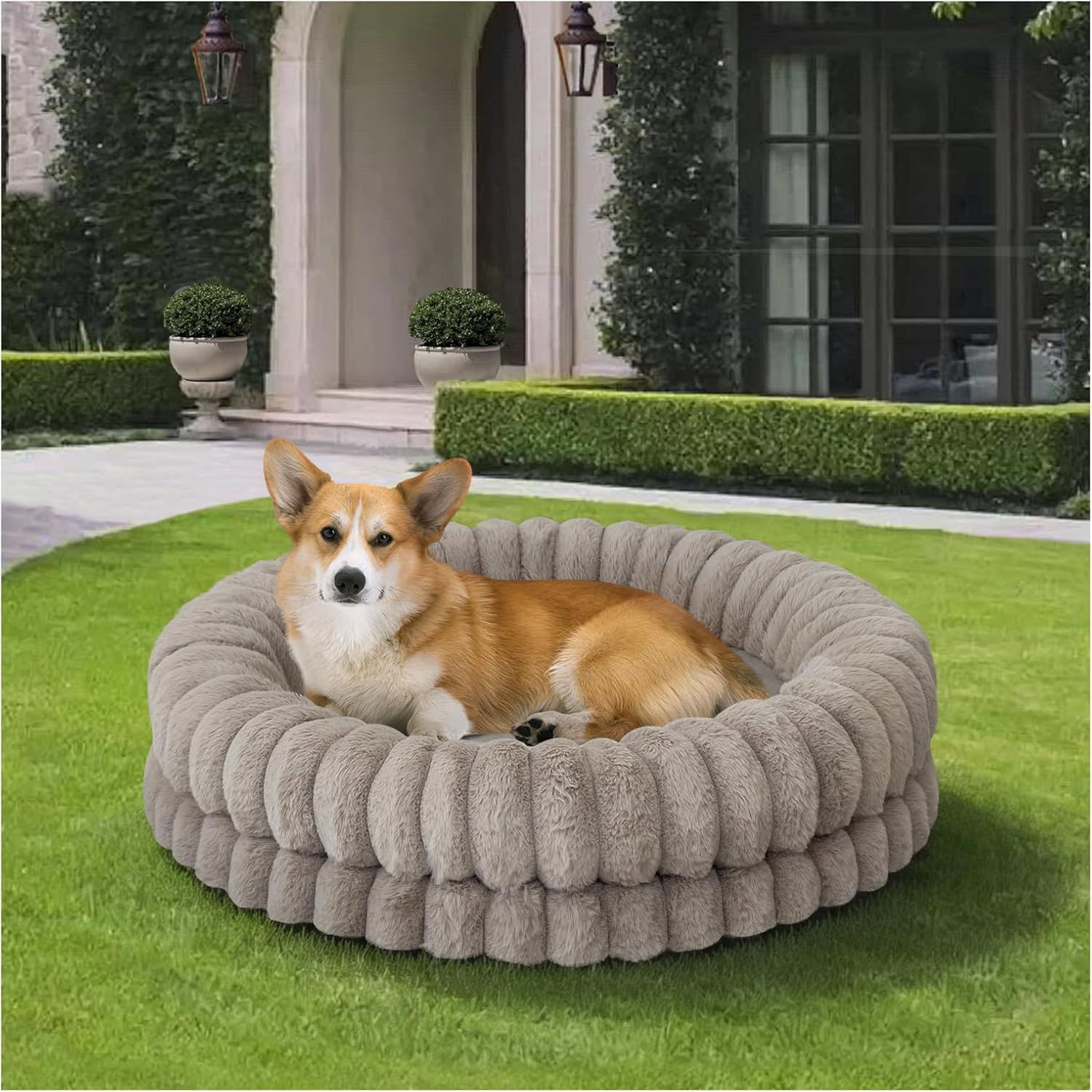
🐾 Best 2026 Anxiety-Relief Products


Long-Term Anxiety Management FAQs
How long does it take to see lasting results in anxious pets?
Consistent long-term anxiety management for pets typically shows noticeable improvement within 4-6 weeks, but deeper neural rewiring takes 3-6 months. Stick to the protocol.
Can I combine medication with natural calming chews?
Yes, but always consult your veterinarian to avoid interactions. Many pets benefit from a combined approach (prescription + L-theanine).
Is punishment ever helpful for anxious behavior?
Never. Punishment increases cortisol and worsens anxiety. Focus on positive reinforcement and environmental change.
What if my cat hides for days despite using diffusers?
Schedule a veterinary behaviorist visit. Severe anxiety may require advanced medication and a structured desensitization plan for felines.