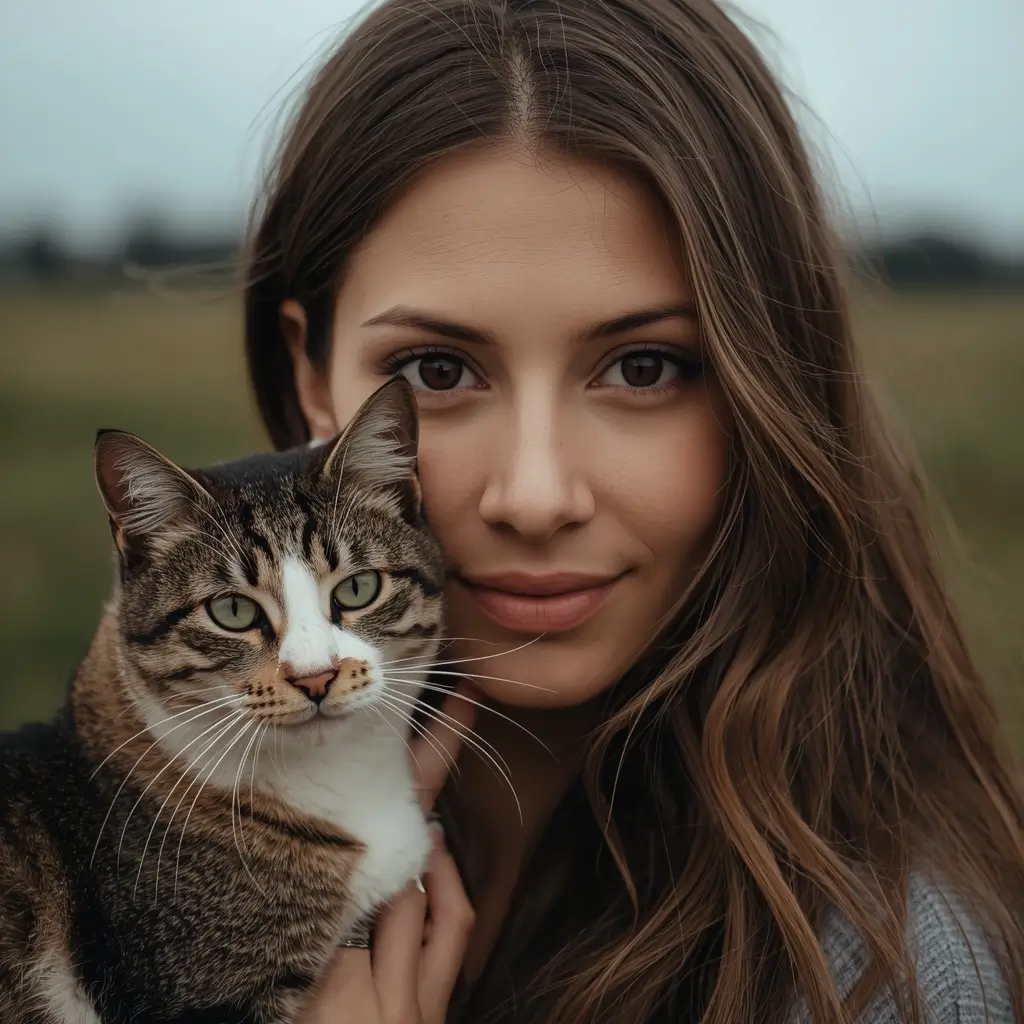
The Maine Coon is one of the oldest natural breeds in North America, adored for its massive size, tufted ears, and dog-like loyalty. This 2026 comprehensive guide covers everything from breed history to advanced care strategies, ensuring your gentle giant lives a long, healthy life.
Table of Contents

Breed Overview & History
Originating from Maine, these cats are known for their large bone structure, long water-repellent coat, and sociable nature. Adult males typically weigh 13–18 lbs (some up to 25 lbs), females 8–12 lbs. They mature slowly, reaching full size at 3–5 years. Their lifespan is 12–15 years.
Males up to 25 lbs
Heavy seasonal shedding
HCM, hip dysplasia
Temperament & Personality
Maine Coons are affectionate, intelligent, and often described as "dog-like". They follow you from room to room, enjoy playing fetch, and get along with children, dogs, and other cats. Their chirping trills and soft meows make them excellent communicators.
Gentle Giant Traits
- Highly trainable – can learn tricks and leash walking
- Love water – may splash in bowls or faucets
- Not overly clingy but crave proximity to family
Common Health Issues in Maine Coons
While generally robust, they are predisposed to Hypertrophic Cardiomyopathy (HCM), hip dysplasia, spinal muscular atrophy, and dental disease. Annual echocardiograms are recommended for early HCM detection.
| Condition | Screening | Prevention/Management |
|---|---|---|
| HCM (Heart) | Echocardiogram yearly | Medication, low-stress environment |
| Hip Dysplasia | X-rays, orthopedic exam | Weight control, joint supplements |
| Dental Disease | Oral exam | Regular brushing, dental treats |
Preventive Care Checklist
✔ Annual cardiac screening ✔ Maintain lean weight ✔ Provide joint supplements from age 7+ ✔ Brush teeth weekly
Recommended Joint Support
Vet approved
Cosequin for Cats
Glucosamine & chondroitin to support hip and joint health, ideal for large breed Maine Coons.
Check Amazon PriceGrooming & Coat Care
Their thick double coat requires weekly brushing (daily during shedding seasons). Use a stainless steel comb and slicker brush. Bathing every 2-3 months helps control matting. Nail trim every 2-3 weeks, ear cleaning monthly.
Essential Tools
Undercoat rake, deshedding tool, grooming gloves, cat-safe shampoo, microfiber towels.
Seasonal Tips
Spring/fall: brush 4x/week. Add omega-3 fatty acids for coat shine and reduced shedding.
Nutrition & Feeding for Large Breed Cats
High-quality protein (chicken, fish), moderate fat, controlled calories. Avoid overfeeding; obesity stresses joints. Raised bowls aid digestion. Wet food supports urinary health. Portion control is critical because Maine Coons love food.
Best Food for Maine Coons

Royal Canin Maine Coon Adult Dry Food
Specially designed large kibble shape encourages chewing and dental health. Tailored nutrients for coat and heart.
View on AmazonWeekly Grooming & Health Schedule
- Brush coat (15 min)
- Check ears
- Nail trim / dental wipe
- Play session (interactive toy)
- Full body brushing + comb
- Weight check
- Puzzle feeder enrichment
- Bathe if needed

Enrichment & Environment
Provide tall cat trees (minimum 6 ft), window perches, and puzzle feeders. Maine Coons are climbers and enjoy water – consider a cat water fountain. Daily interactive play sessions (10-15 mins twice daily) prevent boredom and destructive behavior.
Enrichment Ideas
- Harness training for outdoor exploration
- Hide treats in puzzle boxes
- Rotating toys weekly keeps interest high
Maine Coon Wellness Tracker
Monitor grooming, weight and play sessions to maintain optimal health.
Maine Coon FAQs
Are Maine Coon cats good with kids and dogs?
Absolutely! Their patient, gentle temperament makes them fantastic family pets. They adapt well to cat-friendly dogs.
How much grooming do they need?
Weekly brushing minimum; during heavy shedding (spring/fall) increase to 3-4 times per week to prevent mats.
Do Maine Coons have health problems?
Main concerns: Hypertrophic Cardiomyopathy and hip dysplasia. Reputable breeders screen for these.
Are Maine Coons vocal?
They are known for soft chirps, trills and quiet meows, not loud yowling. They "talk" when greeting you.