Pet anxiety affects millions of animals worldwide, causing distress for both pets and their owners. Whether triggered by thunderstorms, separation, travel, or changes in environment, anxiety can significantly impact your pet's quality of life. Fortunately, numerous natural solutions can help calm anxious pets without the side effects often associated with prescription medications.
This comprehensive guide explores evidence-based natural remedies, lifestyle adjustments, and innovative products designed to help your furry friend find peace. For more information on understanding pet anxiety, check out our complete guide to pet behavior.
Table of Contents

Understanding Pet Anxiety
Before exploring solutions, it's crucial to understand the signs and causes of pet anxiety. According to the American Veterinary Medical Association, anxiety manifests differently in each animal but often includes destructive behavior, excessive vocalization, pacing, trembling, and elimination issues.
Common Causes of Pet Anxiety
Separation Anxiety
One of the most common forms of anxiety in pets, especially dogs. Signs include destructive behavior when left alone, excessive barking or howling, and house soiling.
Natural Solutions:
- Adaptil pheromone diffusers
- Interactive puzzle toys
- Desensitization training
Noise Phobia
Fear of thunderstorms, fireworks, or loud noises. Pets may tremble, hide, pant excessively, or try to escape during noise events.
Natural Solutions:
- Calming supplements before events
- Safe hiding spaces
- White noise machines
Travel Anxiety
Many pets experience stress during car rides or vet visits. Symptoms include drooling, panting, whining, or refusing to enter the vehicle.
Natural Solutions:
- Calming treats 30 minutes before travel
- Familiar bedding in carrier
- Gradual desensitization
Environmental Changes
Moving homes, new family members, or changes in routine can trigger anxiety. Pets may become withdrawn, stop eating, or display avoidance behaviors.
Natural Solutions:
- Maintain consistent routines
- Create safe spaces
- Use calming pheromones
Important First Step
Always consult with your veterinarian before starting any new treatment for pet anxiety. They can rule out underlying medical conditions and help you choose the safest, most effective approach for your specific pet. For more guidance, check out our pet health resources.
CBD Oil for Pets: Science & Safety
CBD (cannabidiol) oil has gained significant attention as a natural anxiety remedy for pets. Derived from hemp plants, CBD interacts with the endocannabinoid system, which regulates mood, stress response, and overall balance in the body.

What Research Says About CBD for Pets
A 2019 study published in the Journal of the American Veterinary Medical Association found that CBD oil significantly reduced anxiety in dogs during stressful events. The research, conducted at Cornell University, showed measurable decreases in stress behaviors without adverse side effects.
Choosing Quality CBD Products
- Full-spectrum vs. isolate: Full-spectrum CBD contains additional beneficial compounds from hemp, creating an "entourage effect"
- Third-party testing: Always choose products with Certificate of Analysis (COA) from independent labs
- Proper dosing: Start with 1-2mg per 10 pounds of body weight, adjusting as needed
- THC content: Ensure products contain less than 0.3% THC (the psychoactive compound)
- Source quality: Look for organic, U.S.-grown hemp with clean extraction methods
Safety Considerations
While generally safe, CBD can interact with certain medications. Never use human CBD products for pets, as they may contain ingredients harmful to animals. Always consult your veterinarian, especially if your pet has liver issues or takes other medications. For more safety information, see our complete pet safety guide.
Natural Calming Treats & Supplements
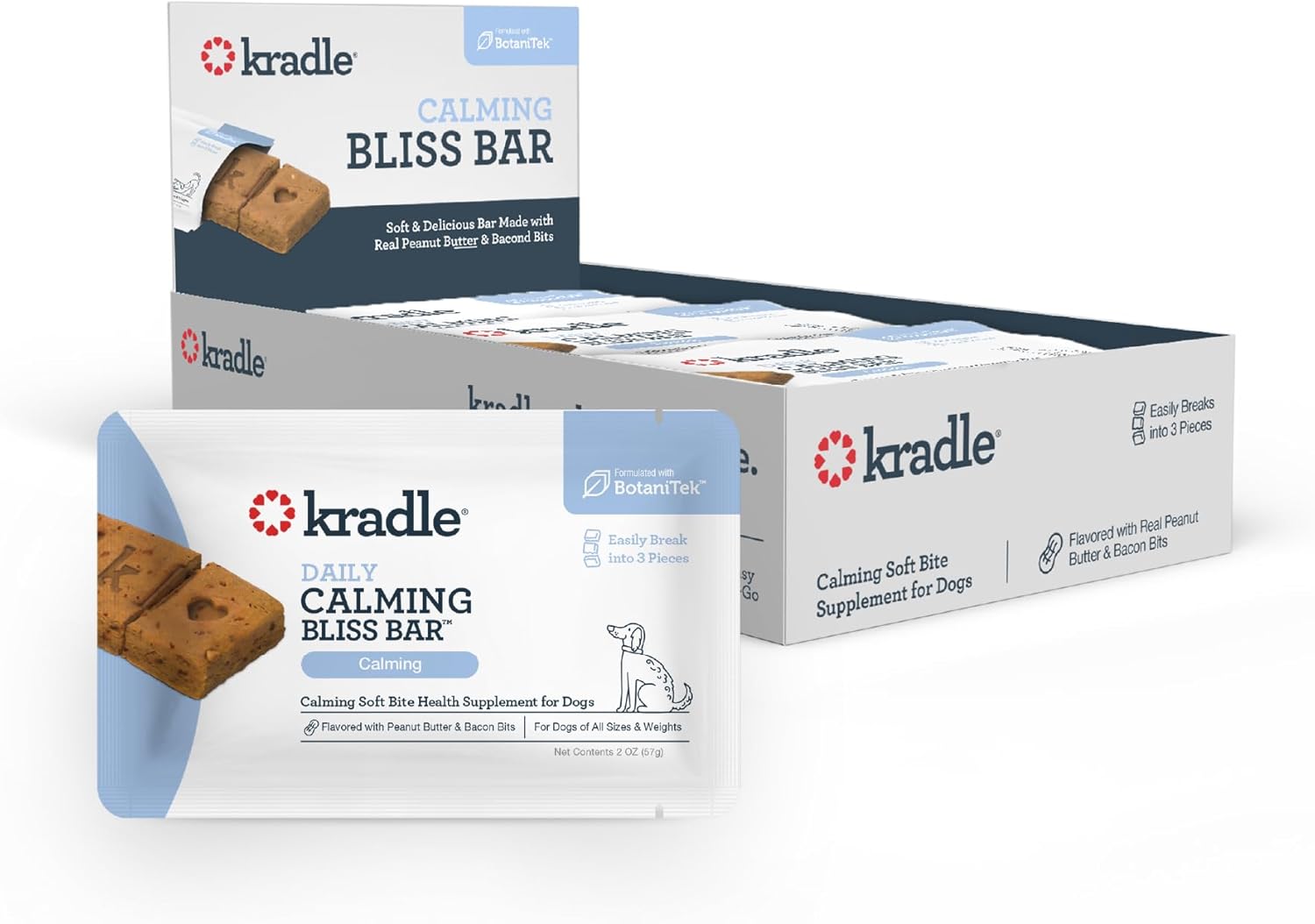
Beyond CBD, several natural ingredients have proven effective for reducing pet anxiety. These can be found in treats, chews, or supplement forms.
Key Natural Ingredients
- L-theanine: An amino acid found in green tea that promotes relaxation without sedation
- Chamomile: A gentle herb with natural calming properties
- Valerian root: Traditionally used to reduce nervousness and promote sleep
- Melatonin: A natural hormone that regulates sleep-wake cycles, helpful for nighttime anxiety
- Ginger: Can help settle stomach upset caused by anxiety
- Ashwagandha: An adaptogenic herb that helps the body manage stress
Pheromone Therapy
Pheromones are chemical signals animals use to communicate. Synthetic versions of calming pheromones can create a sense of security for anxious pets.
Types of Pheromone Products
Plug-in Diffusers
Cover rooms up to 700 square feet, ideal for general home anxiety or specific problem areas. Lasts 30 days per refill.
Sprays
Portable option for carriers, cars, bedding, or specific spots. Great for travel anxiety or temporary situations.
Calming Collars
Provide continuous pheromone release for up to 30 days. Ideal for separation anxiety or pets who move between locations.
According to a systematic review published in Frontiers in Veterinary Science, pheromone therapy shows significant effectiveness for reducing stress behaviors in dogs and cats, particularly for separation anxiety and fear of veterinary visits.
Herbal Remedies & Essential Oils
Certain herbs and essential oils can be beneficial for anxious pets when used correctly and safely.

Safe Herbs for Pets
- Passionflower: Natural sedative properties, often combined with other calming herbs
- Skullcap: Traditionally used for nervous tension and restlessness
- Lemon balm: Mild calming effects, safe for long-term use
- California poppy: Gentle nervine that promotes relaxation
Essential Oil Safety
Many essential oils are TOXIC to pets, especially cats. Never apply undiluted oils directly to pets or use diffusers without veterinary guidance. Tea tree, peppermint, citrus, and pine oils can be particularly dangerous. Always consult with a veterinarian trained in aromatherapy for pets.
Environmental & Lifestyle Changes
Often, simple changes to your pet's environment and routine can significantly reduce anxiety.
Creating a Calming Environment
Designated Safe Spaces
Create a quiet area with comfortable bedding, favorite toys, and pheromone diffusers. For cats, include high perches and hiding spots.
Sound Management
Use white noise machines, calming music, or TV to mask anxiety-triggering sounds. Specially designed pet relaxation music can be particularly effective.
Exercise & Mental Stimulation
A tired pet is a calm pet. Regular exercise, puzzle toys, and training sessions can significantly reduce anxiety by burning excess energy.
Consistent Routine
Pets thrive on predictability. Maintain consistent feeding, walking, and play schedules to reduce uncertainty-based anxiety.
Pro Tip
For separation anxiety, practice short departures and gradually increase time away. Leave interactive toys or food puzzles to create positive associations with your absence. Never make dramatic arrivals or departures keep comings and goings low-key. For more training tips, check our behavior modification guide.
Top Calming Products Reviewed
Based on customer reviews, veterinary recommendations, and effectiveness, here are our top-rated natural calming products for pets.
Final Thoughts
Every pet is unique, and what works for one may not work for another. Be patient and willing to try different combinations of natural solutions. Often, a multimodal approach combining environmental changes, supplements, and behavioral training yields the best results. Remember that severe anxiety may require veterinary intervention, including prescription medications when natural options aren't sufficient. Your pet's wellbeing is worth the investment of time and care.