Allowing cats outdoor access is one of the most debated topics among feline owners. While outdoor enrichment provides mental stimulation and exercise, it also exposes cats to significant risks. This comprehensive 2026 guide explores outdoor cat safety solutions that balance your cat's natural instincts with modern protection technology.
According to the American Veterinary Medical Association, indoor cats live significantly longer lives (12-15 years) compared to outdoor cats (2-5 years). However, with proper safety measures, you can give your cat the best of both worlds. This guide covers everything from catio designs to GPS tracking technology for 2026.
Table of Contents
- The Great Debate: Risks vs. Benefits of Outdoor Access
- Catio Solutions: Safe Outdoor Enclosures
- Harness Training: Supervised Outdoor Time
- 2026 Tracking Technology for Cats
- Predator Protection Strategies
- Common Outdoor Hazards & Prevention
- Essential Vaccination Protocol
- DIY Catio: Step-by-Step Guide
- Safe Transition Plan for Indoor Cats
- Recommended Safety Products
- Frequently Asked Questions

The Great Debate: Risks vs. Benefits of Outdoor Access
Understanding both sides of the outdoor cat debate is crucial for making informed decisions about your feline's safety and quality of life.
Significant Risks
- Traffic accidents: Leading cause of outdoor cat fatalities
- Predator attacks: Coyotes, birds of prey, dogs
- Disease exposure: Feline leukemia, FIV, rabies
- Parasites: Fleas, ticks, worms
- Getting lost: Especially during territorial disputes
- Human threats: Theft, cruelty, accidental poisoning
Potential Benefits
- Mental stimulation: Reduces boredom and stress
- Physical exercise: Helps maintain healthy weight
- Natural behaviors: Hunting, climbing, exploring
- Sunlight exposure: Vitamin D synthesis
- Reduced behavioral issues: Less aggression, spraying
- Improved wellbeing: For cats with strong outdoor instincts
Statistics & Research
According to a 2025 study published in the Journal of Feline Medicine and Surgery:
- Outdoor cats visit veterinarians 2.3x more frequently
- 62% of outdoor cats sustain at least one serious injury
- Safe outdoor access reduced stress markers by 41%
- Average lifespan difference: 14 years (indoor) vs. 5 years (unrestricted outdoor)
Expert Insight
"The key isn't keeping cats completely indoors or giving them unlimited freedom, but creating controlled outdoor access that satisfies their instincts while minimizing risks. Modern technology and design solutions make this more achievable than ever." - Dr. Sarah Chen, Veterinary Behaviorist
Catio Solutions: Safe Outdoor Enclosures
A catio (cat patio) is the safest way to give your cat outdoor access. These enclosed spaces allow cats to experience fresh air, sunlight, and nature while remaining protected from dangers.

Window Box Catio
Perfect for apartments. Attaches directly to windows with secure mesh panels.

Freestanding Backyard Catio
Larger structures with multiple levels, shelves, and climbing opportunities.
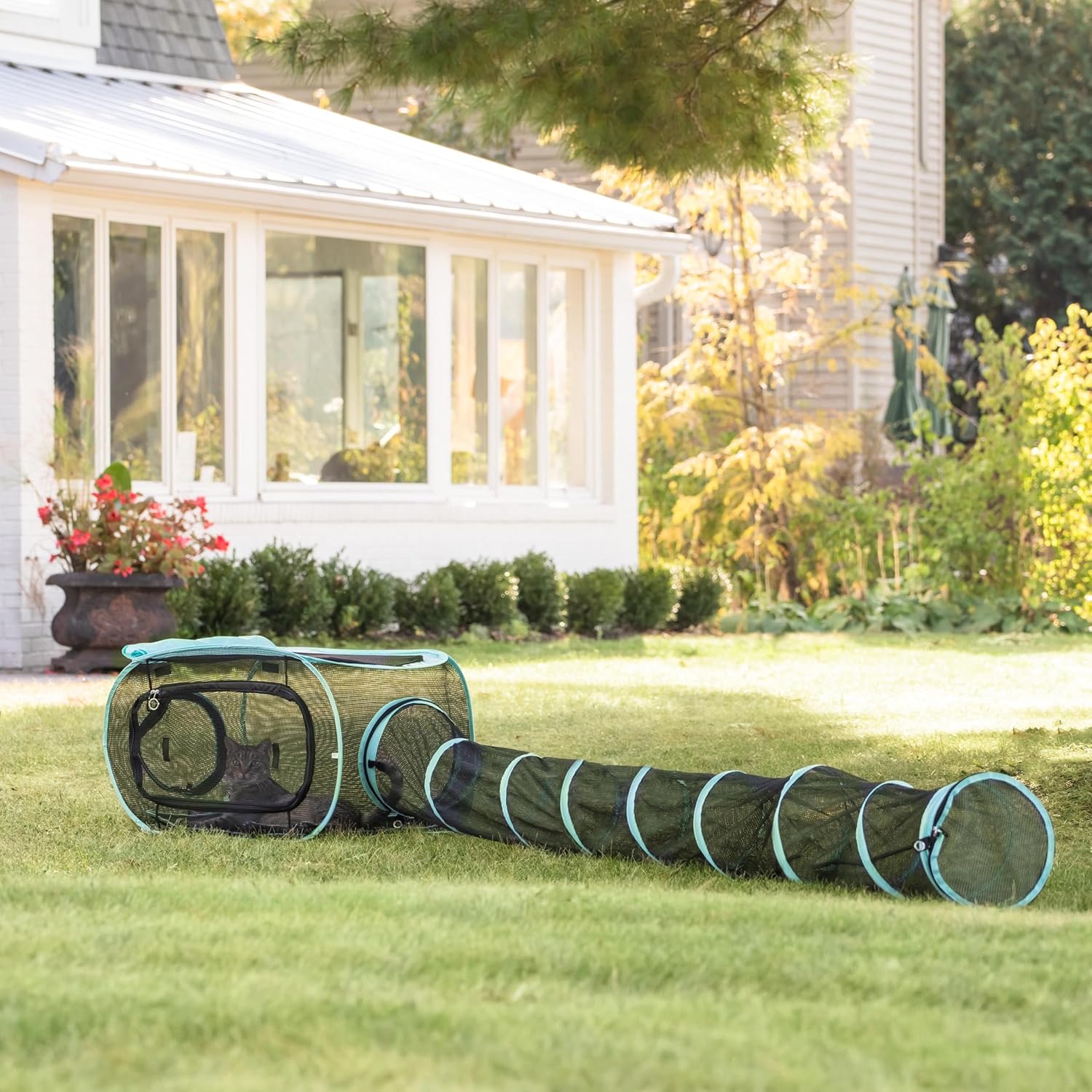
Walkway Tunnel System
CAT‑SIZED TUNNEL – 11” DIAMETER: Designed specifically for cats and small animals, this tunnel features an 11‑inch diameter opening for comfortable feline movement.
Recommended Catio Solution
Easy Assembly
Outback Jack Outdoor Cat Enclosure
Modular cat enclosure with weather-resistant fabric and steel frame. Includes multiple platforms, scratching posts, and secure zipper entry. Easy to assemble and expand. The Humane Society recommends supervised outdoor time or secure enclosures for feline safety.
Check Amazon PriceHarness Training: Supervised Outdoor Time
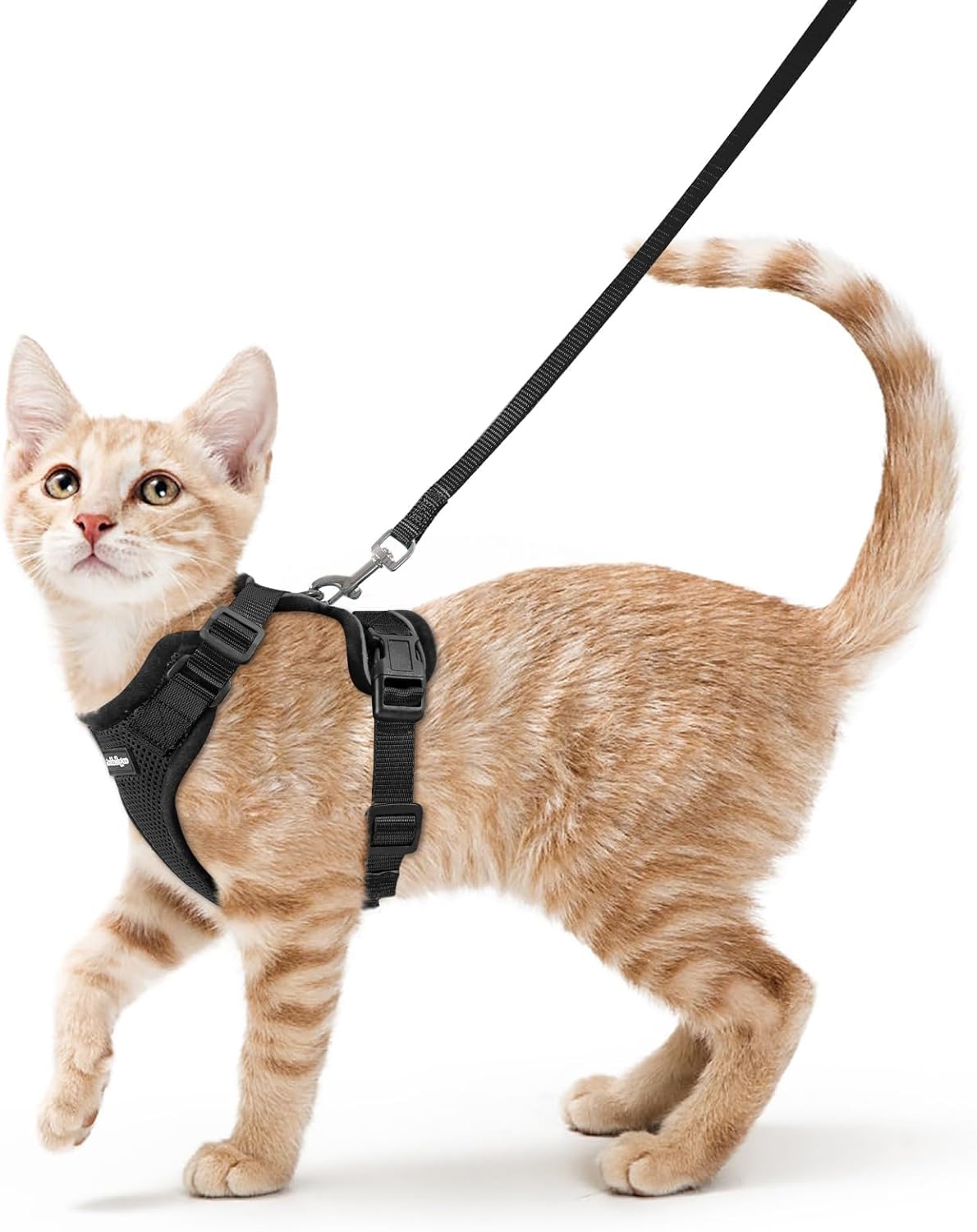
With patience and positive reinforcement, most cats can learn to walk on a harness. This allows for supervised outdoor exploration while maintaining control.
Harness Familiarization
Leave harness near cat's favorite spots. Reward any interaction with treats. Progress to placing harness on cat for short periods indoors while offering high-value treats.
Indoor Leash Practice
Attach leash to harness and let cat drag it indoors under supervision. Practice gentle guidance with treats as rewards. Never pull or force movement.
Secure Outdoor Introduction
Choose quiet time in secure backyard. Keep first session short (5-10 minutes). Let cat set the pace and explore at their comfort level.
Establishing Routine
Gradually increase outdoor time. Establish regular schedule. Always check for potential hazards before each outing.
Harness Safety Notes
- Use H-style harnesses only: Never use collars for leash walking
- Check fit regularly: Should fit snugly with two fingers space
- Never leave unattended: Even for a moment
- Watch for distress signals: Flattened ears, rapid breathing, trying to escape harness
- Carry cat to/from exit: Prevents door darting behavior
2026 Tracking Technology for Cats
Modern tracking technology has revolutionized outdoor cat safety. Here are the best options available in 2026:
| Technology Type | Best For | Range | Battery Life | Price Range |
|---|---|---|---|---|
| GPS + Cellular Trackers | Outdoor cats, escape artists | Unlimited (cellular coverage) | 3-7 days | $100-$200 + subscription |
| Bluetooth Trackers | Indoor/outdoor mix, nearby tracking | 100-400 ft | 6-12 months | $25-$50 |
| RFID Trackers | Identification if found | Scanning required | Permanent | $15-$40 |
| Smart Collars with GPS | All-in-one solution | Unlimited | 5-10 days | $150-$300 + subscription |
Common Outdoor Hazards Matrix
Understanding and preventing these common dangers is essential for outdoor cat safety:
| Hazard Type | Risk Level | Prevention Strategy | Emergency Response |
|---|---|---|---|
| Traffic/Vehicles | High | Secure enclosures, supervised only | Immediate vet care for any impact |
| Predators (Coyotes, Hawks) | High | Outdoor only during daylight, secure enclosures | Pressure on wounds, immediate vet |
| Toxic Plants | Medium | Remove lilies, azaleas, sago palms from yard | Identify plant, call animal poison control |
| Antifreeze Poisoning | High | Check for leaks, use pet-safe alternatives | Emergency vet within 1 hour |
| Flea/Tick Infestation | Medium | Monthly preventatives, regular checks | Vet-prescribed treatment |
Recommended GPS Tracker
Real-Time Tracking
Tractive GPS Cat Tracker
Waterproof GPS tracker with live tracking, virtual fence alerts, and activity monitoring. Lightweight design specifically for cats. According to the ASPCA, microchipping combined with visible ID tags gives lost pets the best chance of returning home.
Check Amazon PriceOutdoor Hazard Knowledge Quiz
Test your knowledge of common outdoor cat hazards:
1. Which plant is MOST toxic to cats?
Predator Protection Strategies
Depending on your location, outdoor cats may face threats from various predators. Implement these protection strategies:
Aerial Predators (Hawks, Eagles, Owls)
- Provide overhead cover in catios
- Add reflective objects that deter birds
- Supervise during dawn/dusk when birds hunt
- Keep cats indoors during nesting season
Ground Predators (Coyotes, Foxes)
- Secure enclosure with dig-proof flooring
- Install motion-activated lights
- Remove food sources that attract predators
- Use predator urine deterrents (commercial)
Domestic Animal Threats
- Know neighborhood dogs' schedules
- Create escape routes in your yard
- Use visual barriers between properties
- Talk to neighbors about cat safety
Common Outdoor Hazards & Prevention
Beyond predators, outdoor cats face numerous environmental hazards. Here's how to identify and prevent them:
Toxic Plants to Remove from Your Yard
Many common garden plants are toxic to cats. The ASPCA Animal Poison Control Center reports these as the most dangerous:
Highly Toxic - Remove Immediately
- Lilies (all types): Can cause kidney failure from just pollen contact
- Sago Palm: All parts toxic, especially seeds
- Azalea/Rhododendron: Causes vomiting, diarrhea, coma
- Oleander: Extremely toxic, affects heart function
- Castor Bean: Contains ricin, often fatal
Cat-Safe Planting Alternatives
Consider these non-toxic options: catnip, cat grass (wheatgrass), spider plants, Boston ferns, African violets, and most herbs (basil, thyme, rosemary). Create a cat-friendly garden section with these safe plants to redirect chewing behavior.
Vehicle Safety Measures
Cars pose multiple threats to outdoor cats beyond direct impacts:
- Check wheel wells and engines in cold weather before starting car
- Avoid antifreeze leaks - even small amounts can be fatal
- Create physical barriers between your yard and street
- Train cats to come when called to get them away from roads
- Use reflective collars to increase visibility to drivers
Essential Vaccination Protocol for Outdoor Cats
Outdoor cats require comprehensive vaccination protection. Consult your veterinarian for a personalized plan:
Core Vaccines (Essential)
- Rabies: Legally required, annual or 3-year
- FVRCP: Feline viral rhinotracheitis, calicivirus, panleukopenia
- FeLV: Feline leukemia virus (first year, then as needed)
Non-Core Vaccines (Based on Risk)
- FIV: Feline immunodeficiency virus
- Bordetella: For boarding or multi-cat households
- Chlamydophila: For cats in shelters or colonies
Parasite Prevention
- Monthly: Flea/tick prevention
- Monthly: Heartworm prevention
- 3-6 months: Deworming as needed
- Annual: Fecal exams
Critical Vaccination Timeline
Kittens starting outdoor access need: 6-8 weeks (first vaccines), 10-12 weeks (boosters), 14-16 weeks (final kitten vaccines), then annual boosters. Adult cats transitioning outdoors need current vaccinations PLUS FeLV vaccine if not previously administered. Never allow unvaccinated cats outdoor access.
DIY Catio: Simple Step-by-Step Guide
Building your own catio can be cost-effective and customized to your space. Here's a basic weekend project:
- Measure available space
- Choose location (window, patio, yard)
- Design with shelves and perches
- Purchase materials: wood, wire mesh, brackets
- Budget: $200-$600 for materials
- Build frame with 2x4 lumber
- Attach wire mesh (16-gauge minimum)
- Add roof (solid or mesh)
- Install shelves at different heights
- Secure to house or ground
- Test all joints for stability
- Ensure no sharp edges
- Check mesh gaps (1-2 inches max)
- Add lockable entry door
- Weatherproof if needed
- Add scratching posts
- Install bird feeders nearby
- Include hiding spots
- Place water bowl
- Add cat-safe plants
DIY Tips
Use galvanized wire mesh (not chicken wire) to prevent chewing escape. Include a double-door entry system to prevent escapes. Add shade cloth for sun protection. Consider modular design for future expansion. Always check local building codes before construction.
Safe Transition Plan for Indoor Cats
Transitioning an indoor cat to controlled outdoor access requires patience. Follow this 4-week plan:
Indoor Preparation
Ensure vaccinations are current. Microchip and update registration. Purchase safety gear (harness, ID tags). Begin harness training indoors. Cat-proof your yard (remove toxic plants, secure fencing).
First Outdoor Experiences
Use harness for 5-10 minute supervised sessions. Choose quiet times of day. Stay in secure, familiar area. Keep sessions positive with treats. Never force cat outside if reluctant.
Building Consistency
Establish regular outdoor schedule. Gradually increase time (15-20 minutes). Introduce catio if available. Practice recall with treats. Monitor for any stress signs.
Evaluate & Adjust
Assess cat's enjoyment and comfort. Adjust schedule based on weather/season. Consider permanent enclosure options. Update safety measures as needed. Schedule veterinary check-up to monitor health.
Signs to Stop or Slow Down
- Excessive hiding or fear: Cat shows persistent anxiety
- Aggression changes: Increased aggression toward people/pets
- Escape attempts: Trying to dash through doors
- Physical symptoms: Loss of appetite, vomiting, diarrhea
- Behavioral regression: Indoor marking, spraying, destruction
If any of these occur, return to previous step or consult with a veterinary behaviorist.

2026 Outdoor Cat Safety FAQs
What's the safest way to give my indoor cat outdoor access?
The safest method is a secure outdoor enclosure (catio) that prevents escape while allowing fresh air and stimulation. Second safest is harness training with supervision. Never allow unsupervised free roaming, which exposes cats to numerous dangers.
Are GPS trackers reliable for cats?
Modern GPS trackers are quite reliable but have limitations. Cellular-based trackers work anywhere with cell coverage but require subscriptions. Bluetooth trackers have limited range (100-400 ft) but longer battery life. For best results, use a GPS tracker with cellular backup and ensure your cat wears a breakaway collar with the tracker attached securely.
Should I microchip my outdoor cat?
Absolutely, 100% yes. Microchipping is essential for any cat with outdoor access. It's a permanent ID that can't be lost or removed like a collar. According to the AVMA, microchipped pets are over 20x more likely to be reunited with owners. Always keep your contact information updated in the microchip registry.
What vaccinations are essential for outdoor cats?
Outdoor cats require core vaccines plus additional protection: Rabies (legally required), FVRCP (feline viral rhinotracheitis, calicivirus, panleukopenia), FeLV (feline leukemia virus), and consider FIV vaccine in high-risk areas. Consult your veterinarian for a personalized vaccination plan based on your location and your cat's health status.
How can I make my yard escape-proof?
True escape-proofing is challenging. Best approaches include: Cat-proof fencing with inward-curving tops, enclosed cat runs, or fully covered catios. Regular yard maintenance is also crucial - trim tree branches near fences, block gaps under sheds, and ensure gates latch securely. Consider commercial cat containment systems like Purrfect Fence or Oscillot.
What time of day is safest for outdoor access?
Late morning to mid-afternoon is generally safest. Avoid dawn and dusk when predators are most active and visibility is reduced. Also avoid extreme temperatures - too hot can cause heatstroke, too cold can lead to hypothermia. Supervised access during daylight hours minimizes many risks while still providing enrichment.
Can I train my cat to come when called?
Yes! Most cats can learn recall with positive reinforcement. Start indoors with high-value treats. Use a consistent sound (clicker, whistle, or specific word). Practice daily. When outdoors, use long-line leash initially. Never punish for not coming - this destroys trust. According to feline behavior studies, cats with reliable recall have 40% fewer outdoor incidents.
How do I protect my cat from neighborhood dogs?
Create physical barriers (fences, catios). Know neighborhood dog walking schedules. Provide escape routes in your yard (trees, tall structures). Use motion-activated deterrents. Talk to neighbors about keeping dogs leashed. Always supervise outdoor time. Consider a brightly colored "caution" vest for your cat to increase visibility.
What should I do if my cat doesn't return home?
Immediately:
1) Search nearby hiding spots.
2) Contact microchip company.
3) Notify local shelters/vets.
4) Post on community social media.
5) Create flyers with recent photo. Most lost cats are
found within 500 meters of home. Search at dawn/dusk
when cats are most active. Leave familiar items outside
(bed, litter box). Never give up - cats have been found
months later.
Are some cat breeds better suited for outdoor access?
Some breeds have stronger instincts: Bengals, Abyssinians, Maine Coons often enjoy outdoor enrichment more. However, individual personality matters more than breed. Consider your cat's age, health, and temperament. Senior cats or those with health issues may not tolerate outdoor stress. Always prioritize safety over breed stereotypes.
Additional Resources
Final Thoughts on Outdoor Cat Safety
Balancing your cat's natural instincts with their safety requires thoughtful planning and modern solutions. The key takeaways for 2026 are: Supervision is non-negotiable, technology enhances safety, and controlled access beats unrestricted roaming. Whether through a catio, harness training, or other secure methods, you can provide enriching outdoor experiences while minimizing risks.
Remember that every cat is unique. What works for one may not suit another. Start slowly, observe your cat's responses, and adjust accordingly. Regular veterinary check-ups are essential for outdoor cats to monitor for parasites, injuries, or health changes. By implementing the strategies in this guide, you're investing in your cat's wellbeing while respecting their natural behaviors.
Your cat's safety is worth the investment in time, resources, and planning. The peace of mind knowing your feline friend can explore safely is priceless. Here's to many happy, safe outdoor adventures with your cat in 2026 and beyond!