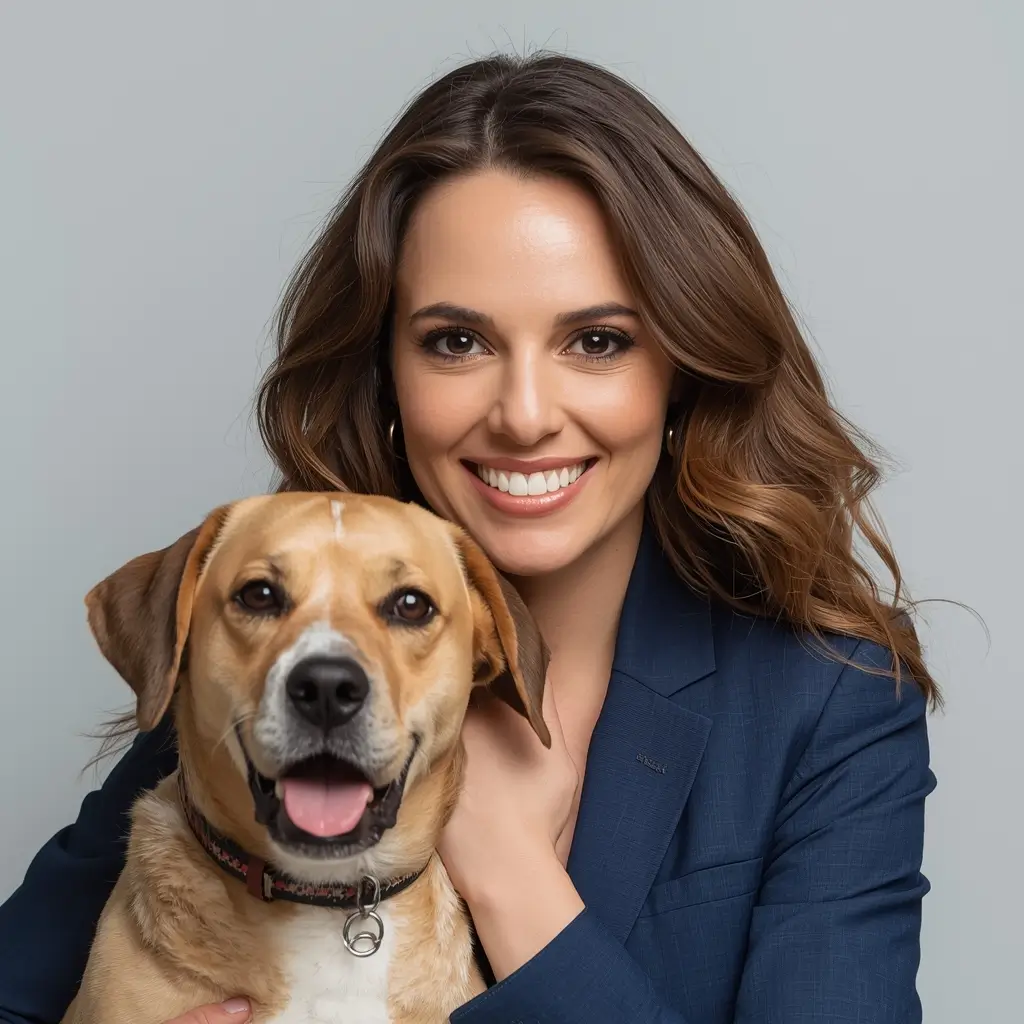
Your pets are constantly communicating with you, but are you listening? Every wag, purr, chirp, and tail flick carries meaning. Understanding pet body language is the key to building stronger bonds, preventing behavioral issues, and ensuring your furry, feathered, and scaled friends feel understood and safe.
In this comprehensive 2026 guide, we will decode the subtle and not-so-subtle signals that dogs, cats, and birds use to express their emotions, needs, and intentions. Whether you are a new pet owner or looking to deepen your understanding, this guide will transform how you interact with your animal companions.
Table of Contents
- Why Understanding Pet Body Language Matters
- Decoding Dog Body Language: Beyond the Tail Wag
- Cat Body Language: The Subtle Art of Feline Communication
- Bird Body Language: Understanding Feathered Friends
- Common Body Language Misunderstandings
- Body Language in Multi-Pet Households
- Recognizing Stress & Anxiety Signals
- Building Better Bonds Through Understanding
- Recommended Training & Observation Tools
- Frequently Asked Questions

Why Understanding Pet Body Language Matters
Pets cannot speak our language, but they communicate volumes through their body language. From the subtle flick of a cat's tail to the enthusiastic wag of a dog's tail, each movement carries specific meaning. Understanding these signals is crucial for:
Building Stronger Bonds
When you respond appropriately to your pet's signals, you build trust and deepen your relationship. Your pet learns that you understand them, creating a foundation for lifelong companionship.
Preventing Behavioral Issues
Many behavior problems arise from misunderstood communication. Recognizing early warning signs of stress or anxiety allows you to address issues before they escalate.
Ensuring Health & Safety
Body language changes can indicate health issues. Learning your pet's normal signals helps you recognize when something is wrong, potentially catching medical issues early.
Improving Multi-Pet Harmony
Understanding inter-pet communication helps you create a harmonious household where all pets feel safe and respected.
Expert Insight
"Pet body language is like learning a foreign language. The more fluent you become, the deeper your connection with your animal companion. In my 20 years as an animal behaviorist, I have seen countless relationships transformed simply by owners learning to 'listen' to what their pets are 'saying' through their bodies." - Dr. Sarah Chen, Certified Animal Behaviorist
Recommended Training Resource
Bestseller
The Language of Animals: 7 Steps to Communicating with Pets
Comprehensive guide to understanding pet body language across species. Includes practical exercises, photo guides, and step-by-step communication techniques.
Check Amazon PriceDecoding Dog Body Language: Beyond the Tail Wag
Dogs are expressive creatures, but their communication goes far beyond simple tail wagging. Understanding the nuances of dog body language requires observing multiple signals simultaneously.
Tail Position & Movement: What Different Wags Mean
Contrary to popular belief, a wagging tail does not always mean a happy dog. The position, speed, and direction of the wag all carry different meanings:
High & Fast Wag
Confidence & Excitement: Tail held high with rapid wagging usually indicates excitement or confidence. However, if combined with stiff body posture, it can signal aggression.
Medium Height, Loose Wag
Happy & Relaxed: The classic "happy wag" - tail at medium height with loose, sweeping movements. Usually accompanied by relaxed body posture and possibly a "play bow."
Low, Slow Wag
Uncertainty or Submission: Tail held low with slow wagging indicates uncertainty, submission, or possibly appeasement. The dog may be trying to avoid conflict.
Tucked Tail
Fear or Anxiety: Tail tucked between legs signals fear, anxiety, or submission. This is a clear "I'm scared" signal that should be respected.
Did You Know?
Research from the University of Bari in Italy found that dogs wag their tails slightly more to the right when they see someone they know and like, and more to the left when they see a dominant or unfamiliar dog. This lateralization of tail wagging provides insight into their emotional state!
Ear Positions: Windows to Canine Emotions
A dog's ears are highly mobile and can provide crucial information about their emotional state:
| Ear Position | Likely Emotion | Body Language Context |
|---|---|---|
| Ears forward & alert | Interest, curiosity, attention | Usually accompanied by focused gaze, possibly slight forward lean |
| Ears slightly back & relaxed | Contentment, relaxation | Often seen during petting or when resting comfortably |
| Ears pinned back flat | Fear, anxiety, submission | May be accompanied by crouching, lip licking, or avoiding eye contact |
| Ears stiff & forward | Alertness, possible aggression | Watch for stiff body posture, raised hackles, and direct staring |
| One ear forward, one back | Confusion, uncertainty | The dog is processing conflicting information or signals |
Facial Expressions: Reading the Canine Face
Dogs have remarkably expressive faces. Key facial signals to watch for include:
Showing the Whites of the Eyes
When a dog turns its head away but keeps its eyes on something (or someone), showing the whites of its eyes, this often indicates anxiety or discomfort. It is a common signal before a dog might snap if the stressor is not removed.
Calming Signals
Dogs often lick their lips or yawn when feeling stressed or anxious. These are calming signals meant to diffuse tension. They are not necessarily signs of hunger or tiredness in stressful situations.
Submissive Grin vs. Aggressive Snarl
Some dogs pull back their lips in what looks like a human smile. This submissive grin is usually accompanied by relaxed body language. Contrast this with an aggressive snarl, where lips are pulled forward, teeth are bared, and the body is tense.

Cat Body Language: The Subtle Art of Feline Communication
Cats are masters of subtle communication. Unlike dogs, their signals can be more nuanced and easily misunderstood. Learning cat body language requires paying attention to multiple body parts simultaneously.
Tail Movements: The Feline Emotional Barometer
A cat's tail is one of its most expressive features. Here is what different tail positions mean:
Tail Upright with Curved Tip
Happy & Confident: The classic "friendly greeting" tail. Your cat is saying hello and is happy to see you. Often accompanied by rubbing against your legs.
Tail Twitching at Tip
Focused Interest: Slight twitching at the tip indicates concentration, often seen when watching birds or preparing to pounce on a toy.
Tail Swishing Back & Forth
Irritation or Agitation: Unlike the happy dog wag, a cat swishing its tail from side to side is usually annoyed or overstimulated. Time to give them space.
Puffed Tail
Fear or Aggression: When a cat's tail puffs up like a bottle brush, they are frightened or feeling aggressive. This is a defensive posture meant to make them look bigger.
Ear Positions: Understanding Feline Mood
Cat ears are highly mobile and can rotate 180 degrees. Their position tells you exactly what your cat is thinking:
| Ear Position | Emotional State | What to Do |
|---|---|---|
| Ears forward & alert | Curious, interested, playful | Engage with toys or interaction if the cat seems receptive |
| Ears slightly to the side | Relaxed, content | Gentle petting if the cat approaches, otherwise let them be |
| Ears flattened sideways ("airplane ears") | Irritated, annoyed | Stop whatever you're doing and give the cat space |
| Ears flattened back against head | Fearful, defensive, aggressive | Back away slowly, avoid eye contact, remove stressor |
| Ears twitching independently | Listening to multiple sounds | Observe what has captured their attention |
Vocalizations & Purring: More Than Just "Meow"
Cats have a wide range of vocalizations, each with specific meanings:
General Communication
Adult cats rarely meow at each other - they reserve this sound primarily for humans. Different meows can mean different things: short meow = greeting, multiple meows = excited greeting, mid-pitch meow = request (usually food), low-pitch meow = complaint, high-pitch meow = anger or pain.
Not Always Happiness
While purring often indicates contentment, cats also purr when injured, frightened, or in pain. The frequency of a cat's purr (25-150 Hz) has been shown to promote healing and reduce pain. Context is crucial for interpretation.
Hunting Excitement
That strange chirping sound cats make when watching birds? It is thought to be frustration at not being able to reach prey or possibly mimicry of bird sounds. Either way, it indicates hunting excitement.
Clear Warning Signals
These are unambiguous signals of fear, aggression, or extreme discomfort. A hissing or growling cat needs space immediately. Do not try to comfort or pick up a cat displaying these behaviors.
Cat Behavior Camera
Observation Tool
Petcube Play 2 Pet Camera with Interactive Laser
Observe your pet's natural behaviors when you are not home. HD camera with night vision, two-way audio, and interactive laser toy. Perfect for studying natural body language patterns.
Check Amazon Price
Bird Body Language: Understanding Feathered Friends
Birds are highly intelligent and expressive creatures with their own complex body language. Understanding bird body language is essential for building trust and recognizing when your feathered friend is happy, stressed, or ill.
Feather Positions: Reading Avian Emotions
A bird's feather position provides crucial insights into their emotional state:
Sleek, Smooth Feathers
Content & Relaxed: When a bird's feathers lie smoothly against their body, they are generally content and relaxed. This is their normal resting state when feeling safe.
Fluffed Feathers
Multiple Meanings: Slightly fluffed feathers can indicate relaxation (like a cozy blanket). However, persistently fluffed feathers combined with lethargy may indicate illness.
Tail Fanning
Excitement or Aggression: Birds fan their tails when excited (during play or mating displays) or when feeling aggressive. Context and other body language clues determine which.
Ruffled, Standing Feathers
Fear or Illness: When feathers stand out from the body in a ruffled manner (different from relaxed fluffing), it can indicate fear, aggression, or serious illness requiring veterinary attention.
Bird Behavior Note
Bird body language varies significantly between species. Parrots have different signals than finches, and cockatiels communicate differently than canaries. Always research species-specific behaviors for your particular bird. For parrot owners, our species-specific parrot communication guide provides detailed information.
Eye Pinning: The Parrot's Emotional Indicator
Many birds, especially parrots, exhibit "eye pinning" - rapid dilation and constriction of their pupils. This can indicate:
- Excitement or interest: When seeing a favorite toy, person, or food
- Aggression or fear: When feeling threatened or territorial
- Curiosity: When exploring something new
- Overstimulation: When experiencing sensory overload
Context is crucial for interpreting eye pinning. A bird eye pinning while playing with a toy is likely excited, while the same behavior when you reach into their cage might indicate fear or aggression.
Vocalizations & Their Meanings
Birds use a wide range of sounds to communicate:
| Vocalization | Common Meaning | Species Examples |
|---|---|---|
| Contact Calls | "Where are you?" / "I'm here!" | Most species - maintains flock connection |
| Alarm Calls | Danger warning | Sharp, loud cries - universal across species |
| Contentment Sounds | Happy, relaxed | Soft chirps, grinding beak (parrots), gentle warbles |
| Begging Calls | Hunger or desire for attention | Baby birds, but adults may use when wanting treats |
| Mimicry | Bonding, attention-seeking, or practice | Parrots, mynah birds, some corvids |
Important Bird Warning
Sudden changes in a bird's normal vocal patterns can indicate health issues. A normally vocal bird becoming quiet, or a quiet bird becoming excessively noisy, warrants observation and possibly a veterinary check-up. Birds often hide illness until it becomes severe, so behavior changes are crucial early warning signs.

Common Body Language Misunderstandings
Many pet owners misinterpret their animal's signals. Here are the most common misunderstandings:
ZimuShop 2026 Pet Communication Survey
We surveyed 1,500 pet owners about common body language misunderstandings:
| Misunderstood Signal | Common Misinterpretation | Actual Meaning | % of Owners Who Misunderstood |
|---|---|---|---|
| Dog showing belly | "Wants belly rubs" | Often submission/appeasement, not invitation | 68% |
| Cat slowly blinking | "Sleepy or ignoring me" | Cat "kisses" - sign of trust & affection | 72% |
| Bird grinding beak | "Hungry or chewing" | Contentment & relaxation (like cat purring) | 81% |
| Dog yawning | "Tired or bored" | Often stress signal or calming behavior | 63% |
| Cat kneading | "Making biscuits" - just cute | Nursing behavior from kittenhood - comfort | 45% |
Based on 1,500 survey responses from dog, cat, and bird owners, January 2026.
Body Language in Multi-Pet Households
Understanding inter-species communication is crucial for harmonious multi-pet households. Pets use specific signals to communicate across species lines:
Dog-to-Cat Signals
Dogs often use play bows to invite cats to play. Cats may respond with tail-up greetings or ignore the invitation. Watch for stiff postures on either side as potential conflict signals.
Cat-to-Dog Signals
Cats may slow-blink at dogs to show they are not a threat. A cat with puffed tail and arched back is telling the dog to back off. Respect these signals to prevent conflicts.
Bird-to-Other-Pets
Birds often use alarm calls when other pets approach. Some birds may display aggressive postures (fanning feathers, lunging) to establish boundaries with other animals.
Creating Safe Spaces
Ensure all pets have escape routes and safe spaces. High perches for cats, separate rooms for feeding, and supervised interactions prevent misunderstandings from escalating.
Case Study: Integrating a New Cat into a Dog Household
When we introduced Luna, a 2-year-old rescue cat, to our home with Max, a 5-year-old Golden Retriever, careful observation of body language was crucial:
- Week 1: Kept separate, exchanged bedding to familiarize scents
- Week 2: Supervised visual contact through baby gate - watched for relaxed vs. tense postures
- Week 3: Controlled meetings with both on leash/harness - Max offered play bows, Luna responded with cautious interest
- Week 4: Gradual increase in unsupervised time together as both showed relaxed body language
- Month 2: Now coexist peacefully - Luna slow-blinks at Max, Max gives her space when her tail twitches
The key was respecting each animal's communication and never forcing interactions. By watching their body language closely, we ensured both felt safe throughout the process.
Recognizing Stress & Anxiety Signals
All pets exhibit specific signals when stressed or anxious. Recognizing these early can prevent behavioral issues and health problems:
Common Stress Signals - Dogs
Lip licking, yawning, panting (when not hot), trembling, avoiding eye contact, ears back, tail tucked, pacing, excessive shedding, whining.
Common Stress Signals - Cats
Hiding, excessive grooming, loss of appetite, dilated pupils, flattened ears, tail twitching/swishing, hissing/growling, avoiding interaction.
Common Stress Signals - Birds
Feather plucking, loss of appetite, excessive screaming, pacing, aggression, fear postures (crouching, ruffled feathers), change in droppings.
Reducing Pet Stress
Provide safe spaces, maintain routines, use pheromone diffusers (Feliway for cats, Adaptil for dogs), offer enrichment activities, consult with veterinarian or behaviorist if stress persists.
Your 4-Week Pet Body Language Learning Plan
- Spend 15 minutes daily just observing your pet
- Note their normal resting postures
- Document their greeting behaviors
- Identify their favorite relaxation spots
- Track their daily routine patterns
- Research your specific pet's breed/species signals
- Learn 5 key body language signals
- Practice identifying these in daily interactions
- Watch educational videos about your pet's communication
- Join a species-specific online community
- Try responding to identified signals appropriately
- Document your pet's responses to your new understanding
- Practice "conversations" using their language
- Introduce one new enrichment activity
- Note any positive behavior changes
- Confidently identify at least 10 body language signals
- Successfully prevent one potential conflict using signals
- Teach another family member to recognize key signals
- Create a "pet dictionary" of your animal's unique signals
- Share your learning journey with other pet owners
Building Better Bonds Through Understanding
When you understand your pet's body language, you build a foundation for a deeper, more trusting relationship. Here is how improved understanding strengthens your bond:
Your Pet Feels Understood
When you respond appropriately to your pet's signals, they learn that you understand them. This builds trust exponentially faster than training alone. A dog whose stress signals are respected will trust you more than one whose signals are ignored.
Preventing Misunderstandings
Most pet-owner conflicts arise from communication breakdowns. By understanding what your pet is "saying," you can address needs before they escalate into problems. This is especially important with cats, who may become defensive if their subtle warnings are ignored.
Meeting Emotional Needs
Pets have emotional needs just like humans. Understanding their body language helps you provide appropriate mental stimulation, social interaction, and environmental enrichment. A bird whose boredom signals are recognized will be happier than one left in a bare cage.
The Joy of Mutual Understanding
There is profound joy in truly understanding another being. When you and your pet "speak the same language," your relationship transforms from owner-pet to true companionship. This connection benefits both your mental health and your pet's well-being.
Pro Bonding Tip
Try "mirroring" your pet's relaxed body language. When your dog lies down relaxed, sit nearby in a similarly relaxed posture. When your cat slow-blinks at you, slow-blink back. This nonverbal "conversation" strengthens your bond by showing you're paying attention and respecting their communication style.
Interactive Enrichment Toy
Mental Stimulation
Outward Hound Hide-A-Squirrel Puzzle Toy
Interactive puzzle toy that stimulates natural foraging behaviors. Observing how your pet interacts with this toy provides insights into their problem-solving style and frustration tolerance.
Check Amazon PriceFurther Learning Resources
Final Thoughts on Pet Body Language
Learning your pet's unique language is one of the most rewarding journeys you can undertake as a pet owner. It transforms your relationship from caretaker to true companion and allows you to provide exactly what your animal friend needs to thrive.
Remember that every pet is an individual. While general guides provide a foundation, your specific dog, cat, or bird will have unique variations. The most important skill is observant listening - paying attention to what your pet is telling you through their body, and responding with understanding and respect.
Start small. Choose one signal to learn this week. Observe how your pet uses it. Respond appropriately. Notice how your relationship begins to change. Before long, you will find yourself having silent conversations with your pet that deepen your bond in ways words never could.