A pet collar is more than just a fashion accessory. It is an essential piece of equipment that serves as identification, safety device, and training tool for your furry friend. But with so many options available, how do you choose the perfect one? In this comprehensive 2026 guide, we will explore everything you need to know about pet collars, from basic safety considerations to the latest smart technology.
Understanding what makes a good pet collar and learning to distinguish between different types, materials, and features could prevent accidents and ensure your pet's comfort. Whether you are a new pet owner or looking to upgrade your current collar, this guide will provide the knowledge you need to make informed decisions.
Table of Contents
- Why Collars Matter: More Than Just Identification
- Types of Pet Collars: Finding the Right Fit
- Complete Sizing Guide: Getting the Perfect Fit
- Collar Materials Compared: Pros and Cons
- Safety First: Essential Considerations
- Breakaway Collars: Why They're Essential for Cats
- 2026 Collar Trends: Smart Technology & Innovation
- Top 5 Recommended Pet Collars
- Collar Maintenance and Care
- Frequently Asked Questions

Why Collars Matter: More Than Just Identification
Pet collars serve multiple critical functions beyond simple identification. They are a fundamental part of responsible pet ownership that contributes to your pet's safety, health, and wellbeing.
Modern collars provide:
- Identification: Carries ID tags with contact information in case your pet gets lost
- Safety: Breakaway features prevent choking, reflective strips improve visibility
- Control: Attachment points for leashes during walks and training
- Health Monitoring: Smart collars can track activity, location, and vital signs
- Legal Compliance: Many areas require dogs to wear identification tags
- Flea/Tick Prevention: Some collars deliver continuous pest protection
Did You Know?
According to the Humane Society, pets wearing collars with identification are significantly more likely to be returned home if they become lost. In fact, a study showed that dogs with ID tags have a 90% return rate compared to just 15% for those without identification.
Top-Rated Safety Collar
Breakaway Design
GoTags Personalized Breakaway Cat Collar
Safety breakaway buckle releases under pressure to prevent choking. Includes bell to alert wildlife and personalized name tag. Reflective stitching for nighttime visibility.
Check Amazon PriceTypes of Pet Collars: Finding the Right Fit
Understanding the different types of pet collars available is crucial for selecting the right one for your pet's needs, personality, and lifestyle.
Flat/Buckle Collars
Most common type. Standard collar with buckle or plastic snap closure. Best for: Dogs who don't pull heavily, identification, everyday wear. Not recommended for: Strong pullers, training purposes alone.
Martingale Collars
Limited-slip design. Tightens slightly when pulled but has a safety stop. Best for: Sighthounds (Greyhounds, Whippets), dogs who slip out of regular collars, gentle training.
Breakaway Collars
Safety release mechanism. Buckle opens under pressure to prevent choking. Best for: Cats, unsupervised pets, pets who climb or explore bushes. Essential for: All cats who wear collars.
Smart/GPS Collars
Technology integrated. Tracks location, activity, and health metrics. Best for: Escape artists, active pets, health monitoring. Considerations: Requires charging, subscription fees may apply.
Collars to Avoid
Some collar types can cause harm and should generally be avoided:
- Choke Chains: Can cause tracheal damage, bruising, and behavioral issues
- Prong/Spike Collars: Risk of puncture wounds and increased aggression
- Shock/E-Collars: Can cause fear, anxiety, and physical harm
- Excessively Tight Collars: Risk of choking, skin irritation, and restricted breathing
The American Veterinary Medical Association recommends positive reinforcement training methods over aversive tools.
Complete Sizing Guide: Getting the Perfect Fit
Proper collar sizing is essential for both safety and comfort. A collar that is too tight can cause injury, while one that is too loose may slip off.
How to Measure Your Pet's Neck
Follow these steps for accurate measurement:
- Use a soft measuring tape or a piece of string
- Measure the base of the neck where the collar will sit
- Add two fingers' width (about 1-2 inches) for comfort
- For growing puppies, check the fit weekly and adjust as needed
| Pet Size | Neck Measurement | Collar Width | Recommended Type |
|---|---|---|---|
| Small Dogs/Cats | 8-14 inches | ½ inch | Lightweight breakaway |
| Medium Dogs | 14-20 inches | ¾ - 1 inch | Standard flat or martingale |
| Large Dogs | 18-26 inches | 1 - 1½ inches | Wide flat or padded |
| Giant Breeds | 24-32+ inches | 1½ - 2 inches | Extra wide, heavy-duty |
Fitting Tip: You should be able to slip two fingers comfortably between the collar and your pet's neck. Check the fit regularly, especially for growing animals.

Collar Materials Compared: Pros and Cons
Choosing the right collar material affects durability, comfort, and maintenance requirements. Here is a comparison of popular materials:
| Material | Pros | Cons | Best For |
|---|---|---|---|
| Nylon | Affordable, durable, wide color selection, easy to clean | Can absorb odors, may fray over time | Everyday use, puppies, budget-conscious owners |
| Leather | Durable, ages well, comfortable, classic look | More expensive, requires maintenance, not waterproof | Adult dogs, formal occasions, traditional styling |
| Biothane | Waterproof, easy to clean, durable, odor-resistant | Limited styles, can be stiff initially | Active dogs, water sports, messy environments |
| Metal Chain | Extremely durable, easy to clean | Heavy, can be noisy, risk of pinching skin | Strong pullers (with proper training) |
| Neoprene | Soft, flexible, water-resistant, comfortable | Less durable than other materials | Dogs with sensitive skin, water activities |
GPS Smart Collar
Real-Time Tracking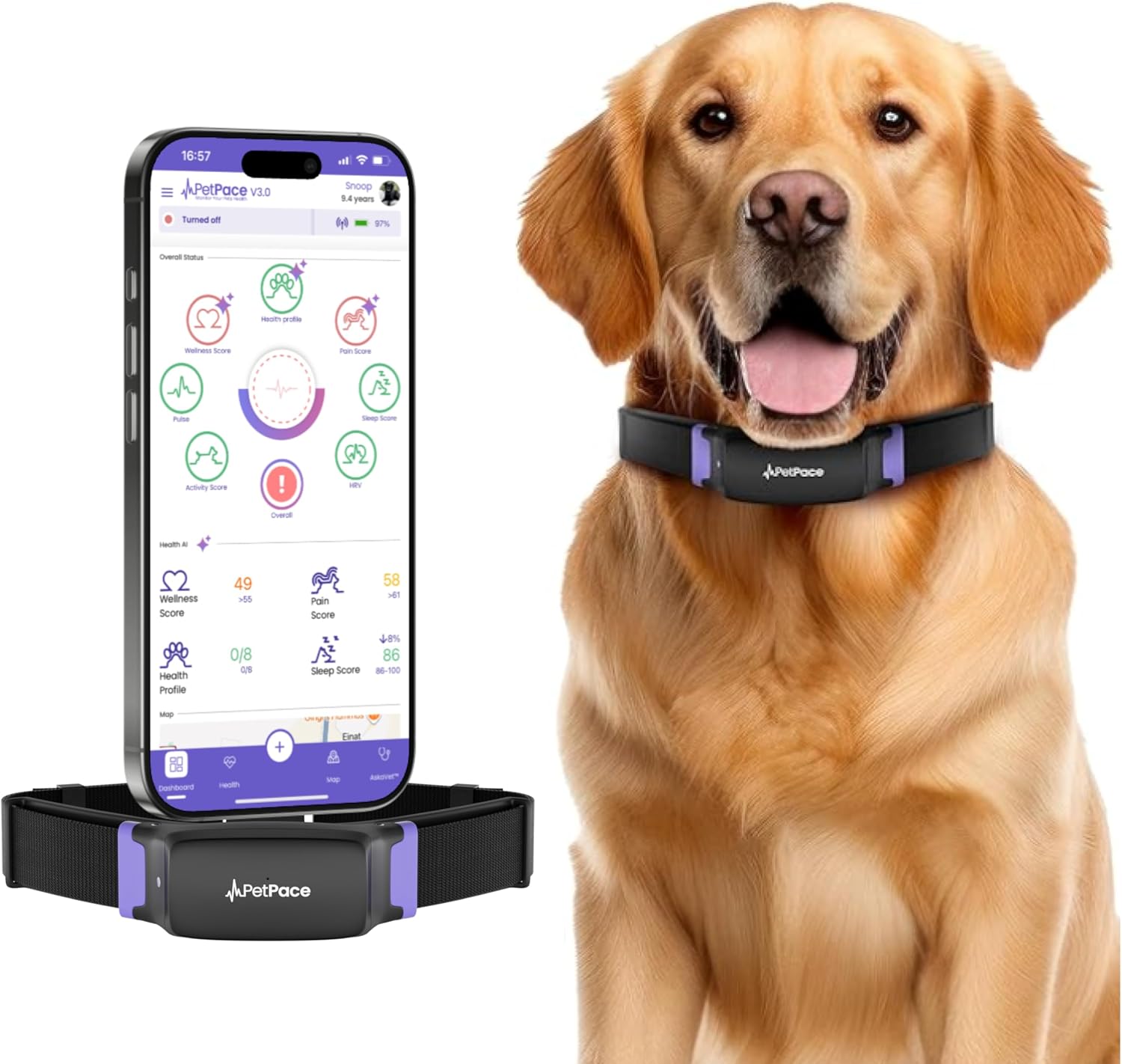
Fi Series 3 Smart Dog Collar
GPS tracking with cellular and Bluetooth connectivity. Tracks activity levels and sleep patterns. Battery lasts up to 3 months. Water-resistant design. Monthly subscription required for tracking features.
Check Amazon PriceSafety First: Essential Considerations
When choosing a pet collar, safety should always be the top priority. Here are critical safety considerations every pet owner should know:
Reflective Features
Essential for pets who go outside at dawn, dusk, or night. Reflective stitching or strips make your pet visible to drivers from up to 500 feet away.
Warning Bells
Helpful for cats who hunt birds and small wildlife. The bell gives prey a warning and can reduce hunting success by up to 50%.
Identification Tags
Should include: Pet's name, your phone number, and any critical medical information. Consider adding "Microchipped" if applicable.
Adjustable Fit
Look for collars with multiple adjustment points. This is especially important for growing puppies and seasonal weight changes.
A Life-Saving Safety Feature: Luna's Story
When my neighbor's cat Luna got her collar caught on a fence, the breakaway buckle saved her life. Here is what happened:
- The Situation: Luna was exploring our backyard when her collar snagged on a loose fence board
- The Safety Feature: Her breakaway collar released immediately under pressure
- The Alternative: A standard collar could have resulted in strangulation
- The Aftermath: Luna was unharmed aside from a small tuft of lost fur
This experience reinforced why breakaway collars are essential for cats. They're designed to release when approximately 5-7 pounds of pressure is applied, preventing life-threatening situations.
Breakaway Collars: Why They're Essential for Cats
Breakaway collars are specifically designed with a safety mechanism that releases when the collar gets caught on something. This feature is particularly important for cats, who are more likely to climb, explore tight spaces, and get into situations where a traditional collar could become dangerous.
Safety Release Mechanism
Breakaway collars use a special buckle that opens when sufficient pressure is applied (typically 5-7 pounds). This allows the collar to detach rather than choke the animal if it becomes snagged.
Climbing and Exploration Behavior
Cats naturally climb trees, fences, and furniture. Their collars can easily catch on branches, nails, or other protrusions. Breakaway collars prevent hanging accidents during these activities.
"My Cat Will Lose Their Collar"
While breakaway collars can detach, well-designed ones require significant force. Most cats keep their collars on through normal activity but are protected in emergency situations.
What to Look For
Quality breakaway collars have: Reliable buckle mechanism, adjustable fit, reflective elements, and a bell for wildlife protection. Test the buckle before use to ensure it releases properly.
Cat Collar Tips
- Always choose breakaway collars for cats - never use traditional dog collars
- Include a bell to reduce hunting success and protect local wildlife
- Ensure the collar is snug enough that the cat cannot get a paw stuck under it
- Check the fit weekly as cats can gain or lose weight
- Consider collar colors that complement your cat's fur for better visibility

2026 Collar Trends: Smart Technology & Innovation
The pet collar market is rapidly evolving with technological innovations. Based on research from the 2025 Global Pet Expo and interviews with industry leaders, here are the trends transforming pet collars:
Health Monitoring
Advanced sensors track heart rate, respiratory rate, temperature, and activity levels. Some models can detect early signs of illness and alert owners via smartphone app.
Solar-Powered Charging
Eliminates the need for frequent battery changes. Integrated solar panels provide continuous power for GPS and health tracking features, especially beneficial for outdoor pets.
Mesh Network Tracking
New tracking technology uses community networks of other pet owners' devices to locate lost pets even in areas without cellular coverage, increasing recovery chances significantly.
Sustainable Materials
Collars made from recycled ocean plastic, cork, bamboo fibers, and other eco-friendly materials. Biodegradable options now available for environmentally conscious pet owners.
Waterproof Adventure Collar
All-Weather
Ruffwear Chain Reaction Collar
Quick-adjust design for perfect fit. Reflective trim for low-light visibility. Made from high-strength webbing with welded D-ring. Ideal for active dogs and outdoor adventures.
Check Amazon PriceCollar Maintenance and Care
Proper collar maintenance extends the life of the collar and ensures your pet's comfort and safety. Different materials require different care approaches:
Collar Care Checklist
- Check for proper fit (two-finger rule)
- Inspect for wear, fraying, or damage
- Clean with damp cloth as needed
- Test buckle/closure mechanism
- Check ID tag information is legible
- Deep clean according to material type
- Condition leather collars if applicable
- Check and replace worn D-rings
- Inspect stitching integrity
- Update ID tag if information changes
- Replace collar if showing significant wear
- Adjust for seasonal weight changes
- Switch to reflective collar for winter
- Consider lighter material for summer
- Update emergency contact information
- Frayed or damaged material
- Buckle no longer functions properly
- Pet has outgrown current size
- Odors cannot be removed
- After any entanglement incident
Cleaning Tips by Material
- Nylon: Machine wash gentle cycle, air dry completely
- Leather: Wipe with damp cloth, use leather conditioner
- Biothane: Wash with soap and water, air dry
- Neoprene: Hand wash with mild soap, air dry away from direct heat
- Metal: Clean with vinegar solution to remove tarnish
Additional Resources
Final Thoughts on Choosing Pet Collars
Choosing the right pet collar involves balancing safety, comfort, functionality, and style. Remember that safety should always come first - a properly fitted, appropriate collar can literally save your pet's life.
Consider your pet's individual needs: An indoor cat requires a breakaway collar, an active dog benefits from reflective materials, and an escape artist might need GPS tracking. Don't forget the importance of identification - a collar with current contact information is your pet's ticket home if they become lost.
Regular maintenance and fit checks ensure your pet's collar continues to serve its purpose effectively. As your pet grows or their needs change, be prepared to upgrade their collar accordingly.
Your pet relies on you for their safety and wellbeing. By choosing and maintaining the right collar, you're taking an important step in responsible pet ownership that protects your furry friend for years to come.