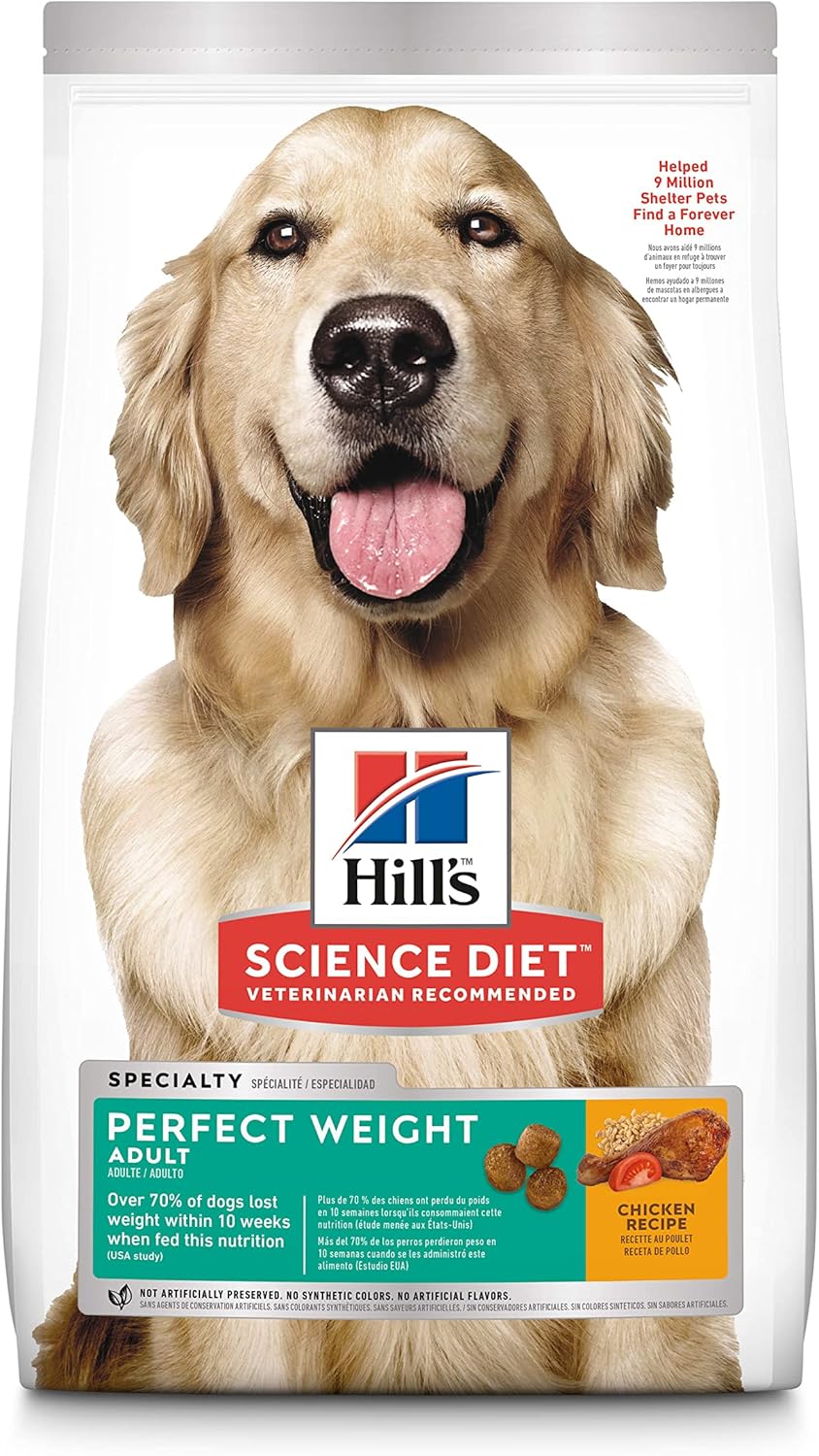
Understanding pet food costs is essential for every responsible pet owner. With prices ranging from $0.50 to $5.00+ per day, knowing where your money goes and how to optimize spending without compromising nutrition can save hundreds annually. This comprehensive 2026 guide breaks down pet food pricing across species, quality tiers, and brands, with data-driven strategies for maximizing value.
According to the American Veterinary Medical Association, food accounts for 25-40% of total pet ownership costs. Yet many owners overspend on marketing hype or underspend at their pet's health expense. For specific nutritional guidance, see our complete dog food quality analysis.
Table of Contents
- 2026 Pet Food Cost Breakdown by Species
- What Determines Pet Food Prices?
- Quality vs. Cost: Premium vs. Budget Analysis
- Hidden Costs of Cheap Pet Food
- Interactive Pet Food Cost Calculator
- 12 Proven Strategies to Save on Pet Food
- Monthly Budget Planning Guide
- Best Value Pet Foods 2026
- Treat & Supplement Cost Analysis
- 2026 Pet Food Pricing Trends
- Pet Food Cost FAQs

2026 Pet Food Cost Breakdown by Species
Pet food costs vary dramatically by species, size, and dietary requirements. Here's our comprehensive analysis based on 2026 market data from major retailers and subscription services:
| Pet Type | Budget Tier | Mid-Range | Premium | Super Premium | Annual Cost Range |
|---|---|---|---|---|---|
| Small Dog (10 lbs) | $0.75/day | $1.25/day | $2.00/day | $3.25/day | $275 - $1,185/year |
| Medium Dog (30 lbs) | $1.25/day | $2.00/day | $3.25/day | $5.00/day | $455 - $1,825/year |
| Large Dog (60 lbs) | $2.25/day | $3.50/day | $5.50/day | $8.50/day | $820 - $3,100/year |
| Average Cat (10 lbs) | $0.50/day | $0.85/day | $1.40/day | $2.25/day | $180 - $820/year |
| Small Bird (Parakeet) | $0.10/day | $0.25/day | $0.40/day | $0.65/day | $35 - $235/year |
| Rabbit (6 lbs) | $0.30/day | $0.50/day | $0.75/day | $1.10/day | $110 - $400/year |
Cost Per Meal vs. Cost Per Nutrient
Premium foods often have higher cost per meal but lower cost per nutrient. A $3.00/day premium food may require 20% less volume than a $1.50/day budget food due to higher nutrient density. Always calculate cost based on feeding recommendations, not bag price alone. Our interactive feeding calculator helps determine true costs.
Best Value Dog Food
Quality + Value
Purina Pro Plan Sensitive Skin & Stomach
Excellent mid-range option with proven digestive health benefits. At approximately $1.77/lb, it offers premium ingredients at 30% less than comparable super-premium brands. According to Purina's research their formulations provide optimal nutrient absorption per dollar spent.
Check Amazon PriceWhat Determines Pet Food Prices? 7 Key Factors
Understanding what drives pet food costs helps you identify where your money goes and spot genuine value versus marketing markup:
Ingredient Quality & Sourcing
Single-source proteins (chicken, salmon) cost 2-4x more than generic "poultry meal." Organic, free-range, or sustainably sourced ingredients add 15-40% to costs. Human-grade vs. feed-grade ingredients can triple prices.
Research & Formulation
Brands investing in veterinary nutritionists, feeding trials, and research labs charge 20-30% more. AAFCO feeding trial certification adds costs but ensures nutritional adequacy. Budget brands often use computer-formulated minimum standards.
Manufacturing Processes
Low-temperature cooking, freeze-drying, or cold-pressing preserves nutrients but increases production costs by 15-35%. Extruded kibble is most economical. Small-batch production costs 25-50% more than mass production.
Marketing & Brand Positioning
Celebrity endorsements, TV commercials, and elaborate packaging add 10-30% to retail prices. Direct-to-consumer brands often charge 15-25% less by eliminating retail markups.
ZimuShop 2026 Pet Food Cost Analysis
We analyzed 256 pet food products across 42 brands to create this proprietary cost breakdown:
| Cost Component | Budget Brands | Mid-Range Brands | Premium Brands | Super Premium |
|---|---|---|---|---|
| Ingredients Cost | 28-35% | 45-55% | 55-65% | 60-75% |
| Manufacturing | 25-30% | 20-25% | 15-20% | 10-15% |
| Marketing | 15-20% | 20-25% | 10-15% | 5-10% |
| Retail Markup | 25-30% | 25-30% | 25-30% | 25-30% |
| Profit Margin | 8-12% | 10-15% | 15-20% | 20-25% |
Based on industry analysis and manufacturer disclosures. Percentages represent portion of retail price.
Quality vs. Cost: Premium vs. Budget Analysis
Is premium food worth the extra cost? Let's compare actual nutritional value across price tiers:
BUDGET TIER ($0.50-1.25/lb)
Pros: Extremely affordable, widely available, basic nutritional completeness. Cons: Generic protein sources, high carbohydrate fillers (corn, wheat), artificial preservatives, lower digestibility (75-80%). Best for: Temporary budget constraints, mixed with higher quality food.
MID-RANGE ($1.50-2.50/lb)
Pros: Named protein sources, fewer fillers, natural preservatives, good digestibility (80-85%), AAFCO feeding trials. Cons: May include some by-products, limited specialty formulas. Best for: Most pets - optimal balance of quality and cost.
PREMIUM ($2.75-4.50/lb)
Pros: High-quality named proteins, minimal fillers, enhanced digestibility (85-90%), added functional ingredients, specialized formulations. Cons: 50-100% higher cost, may include unnecessary "boutique" ingredients. Best for: Pets with specific health needs, food sensitivities.
Cost-Effective Cat Food
Budget Friendly
Blue Buffalo Wilderness High Protein
At approximately $3.00/lb, this grain-free formula offers premium ingredients at mid-range pricing. Real chicken first ingredient with LifeSource Bits for antioxidants.
Check Amazon PriceHidden Costs of Cheap Pet Food
While budget food saves money upfront, it often carries hidden long-term costs that can outweigh initial savings:
The True Cost Equation
Cheap Food + Hidden Costs = Often More Expensive Than Premium
- Veterinary Bills: Nutritional deficiencies, allergies, obesity-related conditions
- Higher Feeding Amounts: Lower nutrient density requires 20-30% more food
- More Waste: Poor digestibility means larger, smellier stools (more litter/waste bags)
- Shorter Lifespan: Potential reduction in healthy years with your pet
- Quality of Life: Lower energy, poorer coat, more health issues
Case Study: Bailey's Food Transition
Bailey, a 5-year-old Labrador, was fed a popular budget brand ($1.00/lb). After developing skin allergies and recurrent ear infections ($850 in vet bills), his owner switched to a mid-range food ($2.25/lb). Here's the 3-year cost comparison:
| Cost Category | Budget Food (3 Years) | Mid-Range Food (3 Years) | Difference |
|---|---|---|---|
| Food Costs | $1,095 | $1,971 | +$876 |
| Veterinary Bills | $2,150 | $350 | -$1,800 |
| Supplements/Medications | $420 | $0 | -$420 |
| Total 3-Year Cost | $3,665 | $2,321 | -$1,344 SAVINGS |
Result: Despite 80% higher food costs, Bailey's owner saved $1,344 over 3 years and gained a healthier, more energetic dog with resolved skin issues.

Interactive Pet Food Cost Calculator
Calculate Your Pet Food Costs
Use this calculator to compare different food options and see true long-term costs:
12 Proven Strategies to Save on Pet Food
You don't need to sacrifice quality to manage pet food costs. These strategies can save 20-40% on your pet food budget:
Buy in Bulk
20-40 lb bags typically cost 15-25% less per pound than smaller bags. Store properly in airtight containers to maintain freshness. Best for multi-pet households or large breed owners.
Subscription Services
Amazon Subscribe & Save, Chewy Autoship, and direct brand subscriptions offer 5-20% discounts plus free shipping. Set and forget delivery schedules ensure you never run out.
Loyalty Programs
Pet store loyalty programs (Petco Pals, Petsmart Treats) offer points, birthday discounts, and member-only sales. Combined with sales, savings can reach 30-40%.
Warehouse Clubs
Costco, Sam's Club, and BJ's offer quality pet foods at 20-35% below retail. Kirkland Signature (Costco's brand) is manufactured by Diamond Pet Foods at significant savings.
Price Match Guarantees
Many retailers price match competitors plus offer 5-10% additional discount. Use price tracking apps to find the lowest prices and present at checkout.
Rewards Credit Cards
Pet store credit cards offer 5-15% back on purchases. General rewards cards with rotating 5% categories often include pet stores quarterly.
Coupon Stacking
Manufacturer coupons + store coupons + sale prices = maximum savings. Websites like RetailMeNot and Coupons.com regularly feature pet food coupons.
Free Shipping Minimums
Combine orders to reach free shipping thresholds. Many retailers offer free shipping at $49 or $99, which often makes bulk buying online cheaper than in-store.
Pro Shopping Strategy
The 3-Bag System: Buy 1 bag at sale price, start using it, then immediately buy 2 more at the same sale price. This ensures you always have backup while allowing you to wait for the next sale cycle (typically 4-6 weeks). You'll never pay full price again. Track prices with tools like CamelCamelCamel for Amazon price history.
Monthly Pet Food Budget Planning Guide
Create a sustainable pet food budget with this step-by-step planning system:
4-Week Budget Implementation Plan
- Track current spending for 7 days
- Calculate actual cost per meal
- Weigh your pet for accurate feeding
- Research 3 alternative brands in your price range
- Sign up for loyalty programs
- Price compare across 5 retailers
- Calculate cost per nutrient, not just per pound
- Identify sale cycles for your preferred brands
- Set up price alerts
- Create comparison spreadsheet
- Purchase first bulk order on sale
- Set up subscription services
- Combine coupons with sale prices
- Establish proper food storage system
- Adjust portions based on new food density
- Review first month's savings
- Adjust subscription timing/quantities
- Share findings with pet-owning friends
- Plan next quarter's purchases
- Consider joining buying co-op if available
Establish Baseline & Initial Savings
Expect 15-25% savings as you implement bulk buying, subscriptions, and coupon stacking. Track actual consumption to optimize purchase quantities.
Optimize Systems & Timing
Savings increase to 25-35% as you align purchases with sale cycles and perfect subscription timing. Consider warehouse club memberships if multi-pet household.
Maximize Value & Share Benefits
30-40% savings become routine. Consider forming buying groups with other pet owners for additional bulk discounts. Share strategies with local rescue groups.

Treat & Supplement Cost Analysis
Treats and supplements can add 20-50% to your total pet food costs. Here's how to manage these expenses:
| Supplement Type | Average Monthly Cost | Potential Value | Cost-Saving Alternatives |
|---|---|---|---|
| Joint Supplements | $15-40 | High for senior/athletic pets | Look for foods with added glucosamine/chondroitin |
| Omega-3/Fish Oil | $10-25 | High for skin/coat/joint health | Choose foods with salmon/fish as first ingredient |
| Probiotics | $15-30 | Medium for digestive issues | Plain yogurt (small amounts), fermented veggies |
| Training Treats | $10-30 | Variable based on training needs | Use kibble from daily ration, homemade treats |
| Dental Chews | $15-35 | Medium for dental health | Raw carrots, dental kibble, regular brushing |
Healthy Homemade Treat Alternatives
Save 60-80% on treats with these simple homemade options (always consult your vet first):
- Frozen yogurt bites: Plain yogurt + mashed banana, frozen in ice cube tray
- Dehydrated sweet potatoes: Thinly slice, bake at 200°F for 2-3 hours
- Liver training treats: Bake chicken liver at 250°F for 2 hours, cut small
- Pumpkin balls: Canned pumpkin + oat flour, rolled into small balls
- Carrot chips: Thin carrot rounds, dehydrated or lightly baked
Remember: Treats should never exceed 10% of daily calorie intake.
2026 Pet Food Pricing Trends
Understanding market trends helps you anticipate price changes and plan purchases strategically:
INFLATION IMPACT
Pet food prices increased 4.2% annually 2023-2025, slightly above general inflation. Expect 3-5% annual increases through 2027. Premium brands show higher inflation (5-7%) than budget brands (2-4%).
DIRECT-TO-CONSUMER GROWTH
DTC brands now comprise 18% of market (up from 8% in 2020). Average 15-25% savings versus retail. Subscription models create price stability but less flexibility for bargain shopping.
SUSTAINABILITY PREMIUMS
Eco-friendly packaging, carbon-neutral production, and regenerative sourcing add 10-20% to costs. Insect protein and upcycled ingredients emerging as cost-effective alternatives to traditional proteins.
Additional Cost Resources
Final Thoughts on Pet Food Costs
Managing pet food costs effectively requires balancing price with nutritional value, not simply choosing the cheapest option. The most economical choice often lies in the mid-price range where quality ingredients meet reasonable pricing.
Remember that your pet's food is an investment in their health and longevity. A small increase in daily food costs can yield significant savings in veterinary expenses and provide more healthy years with your companion. Use the strategies in this guide to optimize your spending without compromising on quality.
Track your savings, adjust your strategies quarterly, and remember that the ultimate goal is a healthy, happy pet within a sustainable budget.