
Proper pet food storage is just as important as choosing high-quality food. Even premium pet food can lose nutritional value, become contaminated, or spoil if stored incorrectly. This comprehensive 2026 guide covers everything you need to know about storing dog food, cat food, and other pet diets to maintain freshness, prevent waste, and protect your pet's health.
According to the FDA's pet food guidelines, improper storage can lead to nutrient degradation, bacterial growth, and contamination. Studies show that up to 30% of pet food nutrients can be lost within weeks if stored improperly. For comprehensive nutrition information, see our complete dog food guide.
Table of Contents
- Why Proper Pet Food Storage Matters
- Dry Food (Kibble) Storage Guide
- Wet/Canned Food Storage Guide
- Raw & Fresh Food Storage Guide
- Choosing the Right Storage Containers
- Pet Food Shelf Life & Expiration Dates
- Common Storage Mistakes to Avoid
- Best Locations for Pet Food Storage
- Travel & Portable Storage Solutions
- Frequently Asked Questions

Why Proper Pet Food Storage Matters
Pet food storage isn't just about convenience - it's about safety, nutrition, and cost-effectiveness. When pet food is stored improperly, several negative things can happen:
Nutrient Degradation
Exposure to air, light, and heat destroys vitamins, antioxidants, and healthy fats. Omega-3 fatty acids are particularly vulnerable to oxidation.
Bacterial Growth
Moisture allows mold, bacteria, and mycotoxins to grow. Salmonella and E. coli can contaminate improperly stored food.
Pest Infestation
Pet food attracts insects, rodents, and pantry pests. These pests can contaminate food and spread to other areas of your home.
Rancidity
Fats become rancid when exposed to oxygen, creating harmful free radicals and unpleasant odors/tastes that pets may reject.
The Financial Impact of Poor Storage
Improper storage wastes money through:
- Food waste: Spoiled food must be discarded
- Reduced nutritional value: You pay for nutrients your pet doesn't receive
- Veterinary costs: Foodborne illnesses from spoiled food
- Pest control: Infestations caused by accessible food sources
- Replacement costs: Damaged containers and contaminated storage areas
Proper storage can extend food freshness by 30-50%, saving significant money over time.
Recommended Storage Container
Airtight Design
IRIS USA Airtight Pet Food Storage Container
50-pound capacity airtight container with sealing lid and wheels. Includes airtight seal, freshness preservation, and wheels for easy movement. Ideal for large bags of kibble. According to the ASPCA, airtight containers prevent nutrient loss and pest access better than original bags.
Check Amazon PriceDry Food (Kibble) Storage Guide
Dry pet food requires specific storage techniques to maintain its quality. Follow these guidelines for optimal kibble storage:
Check and Record Dates
Always check the "best by" date before purchasing. Record this date on the container. Kibble typically has a shelf life of 12-18 months when unopened, but this varies by brand and formulation.
Transfer to Airtight Container
Do NOT store kibble in the original bag inside a container. The plastic bags are not airtight. Instead, pour the entire contents into a clean, food-grade, airtight container. If you must use the bag, seal it completely with a bag clip.
Minimize Air Exposure
Open the container only when necessary. Consider using smaller containers for daily feeding. Never leave the lid off for extended periods. Oxygen is the enemy of kibble freshness.
Environmental Control
Store in a cool, dry place away from heat sources, sunlight, and moisture. Ideal temperature: below 80°F (27°C). Humidity should be below 15%. Never store in garages, sheds, or vehicles where temperatures fluctuate.
The Bag-In-Container Myth
Many people store the original bag inside a container, thinking it provides double protection. However, this can actually trap moisture and create a humid environment perfect for mold growth. Always transfer kibble directly to the container and discard the bag. The exception is resealable bags with zip-lock closures - these can be stored as-is if used within 4-6 weeks.
Wet/Canned Food Storage Guide
Wet food requires different storage considerations due to its higher moisture content and perishability:
| Storage Situation | Proper Method | Maximum Time |
|---|---|---|
| Unopened Cans | Store in cool, dry pantry. Keep away from heat sources. Rotate stock (first in, first out). | 2-5 years (check expiration) |
| Opened Can - Refrigerated | Transfer to airtight container. Cover with lid or plastic wrap. Label with date opened. | 5-7 days |
| Opened Can - Room Temp | Never leave opened wet food at room temperature for more than 2 hours. Bacteria multiply rapidly. | 2 hours maximum |
| Portioned Servings | Divide into single servings using ice cube trays or small containers before freezing. | 2-3 months frozen |
Wet Food Safety Warnings
- Never feed directly from the can: This introduces bacteria from your pet's mouth into the remaining food
- Discard uneaten food: Remove and discard uneaten wet food within 30 minutes of serving
- Avoid rusted or dented cans: These may indicate compromised seals and bacterial contamination
- Check for swelling: Bulging cans may contain botulism toxin - discard immediately
- Wash bowls daily: Bacteria from wet food can contaminate bowls and cause illness

Raw & Fresh Food Storage Guide
Special Considerations for Raw Diets
Raw pet food requires the most careful handling due to bacterial risks. Follow these strict guidelines for raw food storage:
Temperature Control
Keep frozen at 0°F (-18°C) or below until ready to use. Thaw in refrigerator, never at room temperature. Never refreeze thawed raw food.
Time Limits
Use thawed raw food within 2-3 days. Discard uneaten raw food after 30 minutes. Never leave raw food at room temperature.
Cross-Contamination
Store raw food separately from human food. Use dedicated utensils and containers. Clean all surfaces with pet-safe disinfectant.
Packaging
Keep in original packaging until use. Use leak-proof containers for thawed food. Label with contents and dates clearly.
Raw Food Storage Timeline
- Purchase/Receipt: Immediately place in freezer if not using within 24 hours
- Thawing: Transfer to refrigerator 24-48 hours before feeding
- Preparation: Prepare in clean area with dedicated utensils
- Serving: Serve immediately, discard uneaten portions after 30 minutes
- Storage: Return unused thawed portions to refrigerator immediately
- Cleanup: Disinfect all surfaces, utensils, and pet's eating area
Portion Control Containers
Freshness + Convenience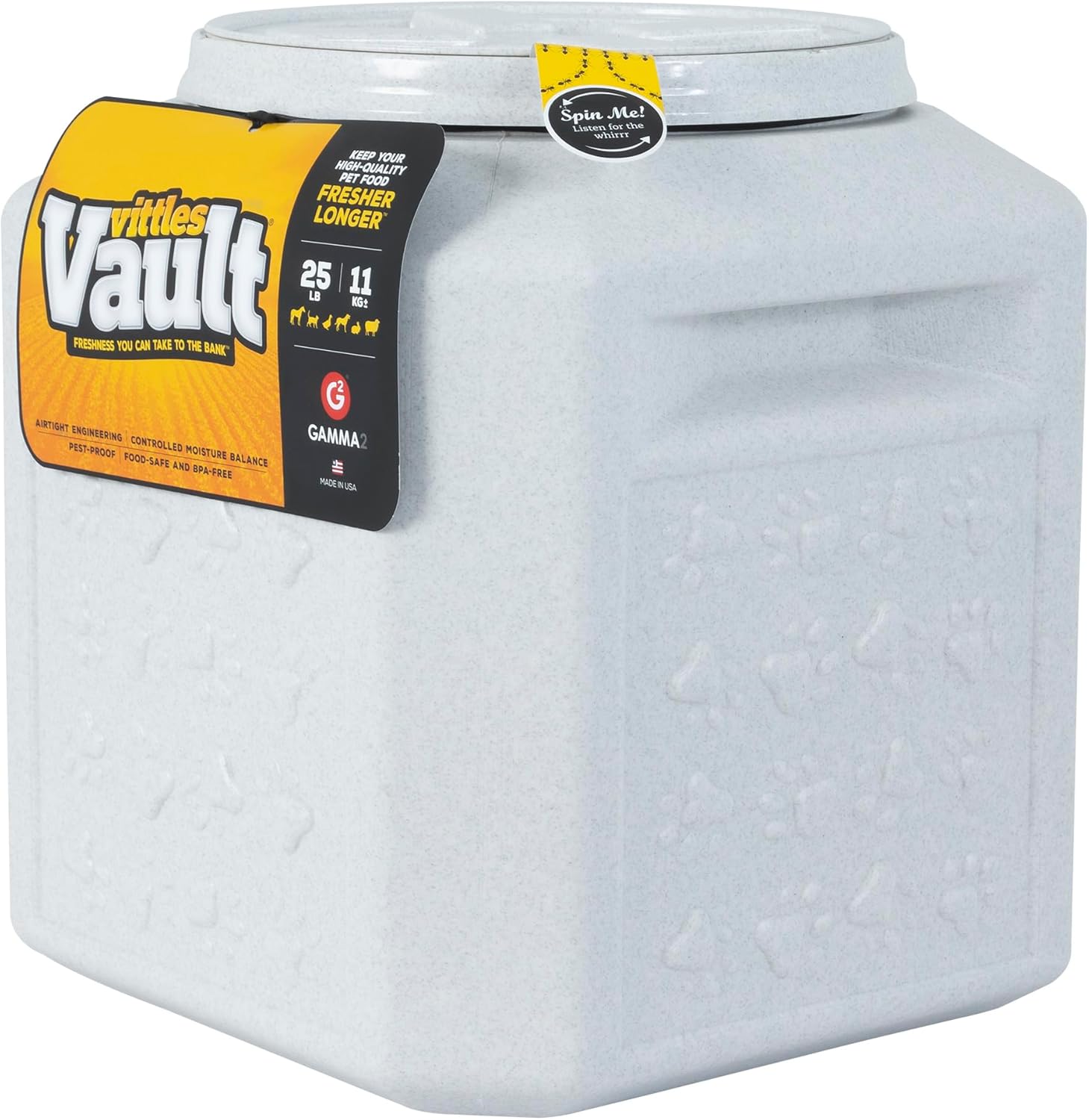
Prepworks by Progressive Pet Food Container
5-container set with measuring cup and date dials. Each container holds approximately 1 cup of kibble. Perfect for portion control, freshness, and daily feeding organization. According to AAFCO guidelines, proper portioning helps maintain food freshness and prevents overfeeding.
Check Amazon PriceChoosing the Right Storage Containers
Not all containers are created equal for pet food storage. Here's what to look for:
Airtight Seal
Look for containers with silicone or rubber gaskets that create an airtight seal. This prevents oxygen exposure and pest entry.
Moisture Barrier
Containers should be completely waterproof to prevent humidity absorption. Plastic should be food-grade and BPA-free.
UV Protection
Opaque or dark-colored containers block light that degrades nutrients. Clear containers should be stored in dark cabinets.
Appropriate Size
Choose containers that hold 1-2 weeks of food. Larger containers expose more food to air each time you open them.
Easy Access
Wide mouths for easy scooping, lightweight when empty, and easy-to-clean surfaces. Wheels for large containers.
Measurement Marks
Built-in measuring cups or volume markings help with portion control and tracking food usage.
| Container Type | Best For | Pros | Cons |
|---|---|---|---|
| Plastic with Airtight Lid | Kibble storage | Lightweight, affordable, widely available | Can retain odors, may scratch over time |
| Stainless Steel | All food types | Durable, easy to clean, doesn't retain odors | More expensive, heavier, not transparent |
| Glass Jars | Small amounts, treats | Non-porous, easy to clean, visible contents | Heavy, breakable, usually small capacity |
| Vacuum-Sealed Bags | Long-term storage, bulk buying | Excellent freshness preservation, space-saving | Requires special equipment, single-use |
Container Maintenance Tips
- Clean monthly: Wash containers with mild soap and hot water, rinse thoroughly, dry completely before refilling
- Deodorize: Use baking soda or white vinegar to remove odors between uses
- Inspect seals: Check silicone gaskets regularly for cracks or wear
- Label clearly: Mark containers with food type, purchase date, and expiration date
- Replace when needed: Containers with cracks, stains, or damaged seals should be replaced
Pet Food Shelf Life & Expiration Dates
Understanding Pet Food Dates
Pet food labels can be confusing. Here's what different dates mean:
"Best By" Date
Most common date on pet food. Indicates when product is at peak quality. Food may still be safe after this date but nutritional value declines.
"Use By" Date
More strict than "best by." Indicates last date recommended for use while at peak quality. Common on perishable foods like refrigerated or frozen diets.
"Expiration" Date
Most restrictive date. Indicates last day product should be consumed. After this date, safety cannot be guaranteed. Never use expired pet food.
Manufacturing Date
When the food was made. Use this to calculate freshness if no "best by" date is provided. Most kibble should be used within 12-18 months of manufacture.
General Shelf Life Guidelines
Unopened Packages:
- Dry kibble: 12-18 months from manufacture date
- Canned wet food: 2-5 years (check can for specific date)
- Semi-moist food: 12-15 months
- Freeze-dried raw: 18-24 months
- Frozen raw: 6-12 months at 0°F (-18°C)
After Opening:
- Dry kibble: 4-6 weeks (in airtight container)
- Canned wet food: 5-7 days refrigerated
- Semi-moist food: 2-3 weeks
- Freeze-dried rehydrated: 2-3 days refrigerated
- Thawed raw food: 2-3 days refrigerated
Food Freshness Preserver
Oxygen Absorber
Oxygen Absorber Packets (100 Pack)
Food-grade oxygen absorber packets that remove oxygen from sealed containers. Extends shelf life, prevents rancidity, and inhibits mold/bacterial growth. Each packet absorbs 20x its volume in oxygen. According to food storage research from USDA, oxygen removal is the most effective way to preserve dry food quality.
Check Amazon PriceCommon Storage Mistakes to Avoid
Even well-intentioned pet owners make storage errors. Avoid these common mistakes:
Garage/Outdoor Storage
Temperature fluctuations, humidity, and pests make garages and sheds terrible storage locations. Food can spoil rapidly in these environments.
Overfilling Containers
Leaving too much air space in containers exposes food to oxygen. Fill containers appropriately - not too full, not too empty.
Mixing Old & New Food
Pouring new food on top of old food causes the old food to never get used, potentially spoiling at the bottom. Always use up old food first.
Ignoring Cleanliness
Dirty containers, scoops, and bowls introduce bacteria. Wash all feeding and storage equipment regularly with hot, soapy water.

Pet Food Storage FAQs
Should I store pet food in the refrigerator or freezer?
Dry kibble: No, refrigeration introduces moisture. Store in cool, dry pantry. Opened wet food: Yes, refrigerate in airtight container for 5-7 days. Raw food: Keep frozen until 24 hours before feeding, then refrigerate. Freezing kibble: Can extend shelf life but isn't necessary for normal use. Thaw completely before feeding to prevent moisture absorption.
How can I tell if pet food has gone bad?
Signs of spoilage: Unusual odor (rancid, sour, musty), discoloration, visible mold, insect infestation, oily or sticky texture, clumping (in dry food), swollen cans (wet food). Behavioral signs: Your pet refusing food they normally eat, digestive upset after eating. When in doubt, throw it out. The FDA recommends reporting suspected spoiled food to the manufacturer.
Is it safe to buy pet food in bulk to save money?
Buying in bulk can save money but requires proper storage. Only buy what you can use within the shelf life. For dry food, divide large bags into smaller airtight containers. Consider vacuum-sealing portions for long-term storage. Calculate your pet's consumption rate - don't buy more than 3-4 months' supply unless you have excellent storage conditions. Check expiration dates on bulk purchases carefully.
How often should I clean pet food storage containers?
Empty containers: Wash with hot, soapy water and dry thoroughly before refilling (monthly). Scoops and measuring cups: Wash after each use or at least weekly. Bowls: Wash daily with hot, soapy water. Deep cleaning: Use vinegar or baking soda to remove odors. Sanitize with pet-safe disinfectant. Always ensure containers are completely dry before adding new food.
Can I store different types of pet food in the same container?
No, never mix different foods in the same container. Flavors can transfer, and if one food spoils, it contaminates the other. Use separate containers for different foods. If you must reuse a container, clean it thoroughly between different foods. This is especially important for pets with food allergies - even trace amounts of previous food can cause reactions.
What's the best way to store pet treats?
Treats often have shorter shelf lives than regular food. Dry treats: Store in original packaging inside airtight container. Moist/soft treats: Refrigerate after opening, use within 2-3 weeks. Homemade treats: Refrigerate (1-2 weeks) or freeze (2-3 months). Freeze-dried treats: Keep in airtight container with oxygen absorber. Always check treat expiration dates - they often expire sooner than regular food.
How does climate affect pet food storage?
Hot/humid climates: Accelerate spoilage and nutrient loss. Use air conditioning, dehumidifiers, and smaller containers you can use quickly. Consider refrigerator storage for dry food in extreme heat. Cold/dry climates: Less problematic but watch for condensation when bringing food from cold to warm areas. Never store food near heat sources regardless of climate. Ideal conditions: below 80°F (27°C), below 15% humidity.
Should I worry about pantry moths in pet food?
Yes, Indian meal moths and other pantry pests love pet food. Prevention: Airtight containers, regular cleaning, inspecting new food before storing. Signs: Webbing, larvae, small moths in pantry. If infested: Discard all affected food, clean pantry thoroughly with vinegar, use pheromone traps. Store new food in sealed containers. Freeze new food for 4-7 days before storing to kill any eggs.
Can I use food storage containers meant for human food?
Yes, food-grade containers for human food are safe for pet food. Look for BPA-free plastics or stainless steel. Important: Dedicate containers to pet food only - don't switch between human and pet food. Pet food has stronger odors that can transfer. Containers with airtight seals work well for both. Glass jars are excellent but ensure they have tight-fitting lids.
How long can I keep an opened bag of dry food?
In original bag (resealed): 4-6 weeks maximum. In airtight container: 6-8 weeks. Factors affecting longevity: Fat content (higher fat spoils faster), natural preservatives (shorter shelf life), storage conditions. Write the opening date on the container. If you can't use it within 6 weeks, buy smaller bags or divide into portions and freeze some.
What's the safest way to store homemade pet food?
Homemade food spoils fastest. Refrigeration: Store in airtight containers, use within 3-4 days. Freezing: Portion into daily servings, freeze immediately, use within 2-3 months. Thawing: In refrigerator, never at room temperature. Safety: Follow human food safety standards - clean preparation area, cook meats thoroughly, avoid unsafe ingredients. Consult your vet for balanced recipes and storage guidelines.
Are there any foods that shouldn't be stored together?
Yes, certain foods should be separated: 1. Medicated vs regular food: Keep completely separate to avoid accidental mixing. 2. Different protein sources: For allergy testing or sensitive pets. 3. Treats vs regular food: Treats often have stronger odors. 4. Raw vs dry food: Always store separately to prevent cross-contamination. Use different colored containers or clear labeling for different foods.
Quick Storage Checklist
- ✓ Check expiration dates before purchasing
- ✓ Transfer dry food to airtight containers immediately
- ✓ Store in cool, dry place away from sunlight
- ✓ Refrigerate opened wet food in airtight containers
- ✓ Keep raw food frozen until ready to use
- ✓ Clean containers and scoops regularly
- ✓ Use oldest food first (first in, first out)
- ✓ Discard uneaten wet food after 30 minutes
- ✓ Never mix old and new food together
- ✓ Label containers with contents and dates