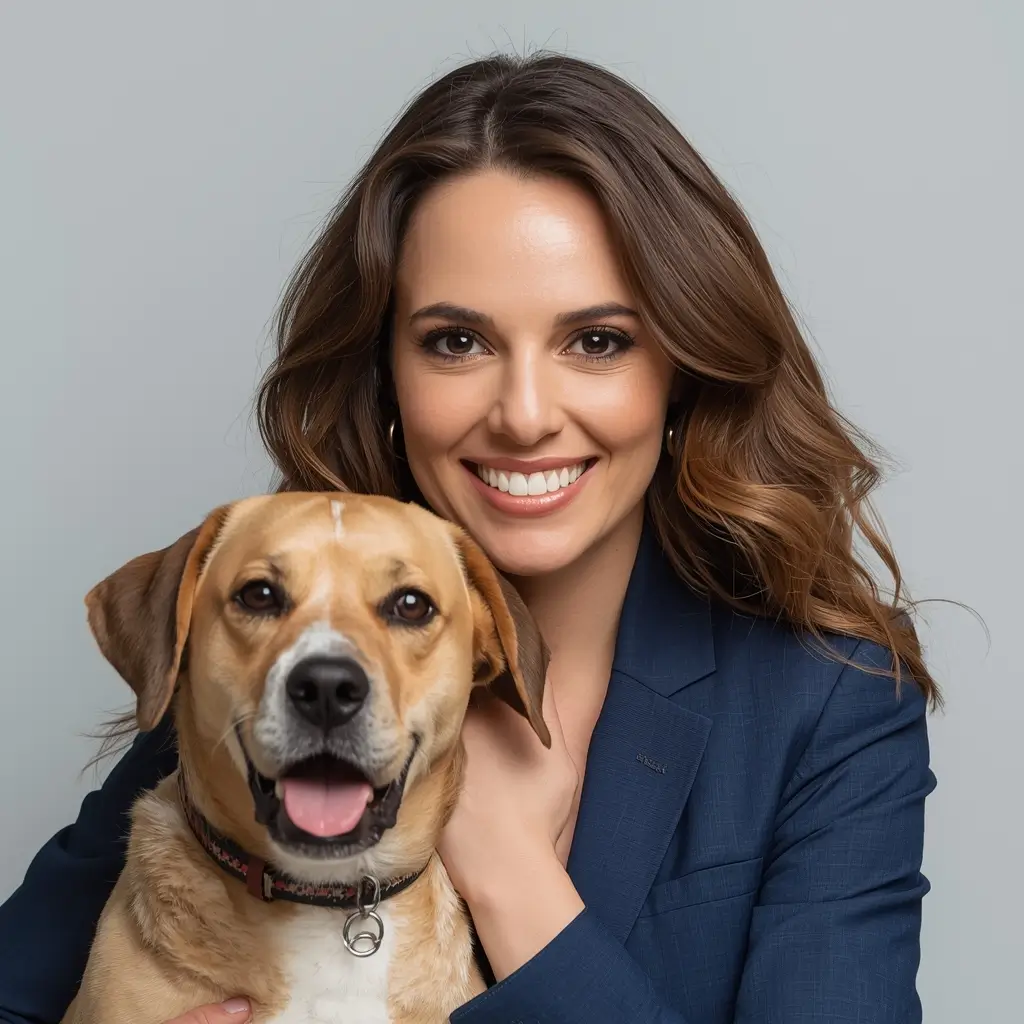
Pet grooming is more than just keeping your furry friend looking good. It is an essential aspect of pet care that impacts health, comfort, and overall well-being. In this comprehensive 2026 guide, we will explore everything you need to know about pet grooming, from basic techniques to professional tools and the latest best practices.
Whether you are grooming at home or seeking professional services, understanding proper grooming techniques can prevent health issues, strengthen your bond with your pet, and save money on veterinary bills. For breed-specific advice, check our dog grooming schedule.
Table of Contents
- Why Pet Grooming Matters: Health Benefits
- Essential Grooming Tools for 2026
- How Often Should You Groom Your Pet?
- Step-by-Step Grooming Guide
- Breed-Specific Grooming Considerations
- Professional vs. Home Grooming
- Common Grooming Mistakes to Avoid
- 2026 Grooming Trends & Innovations
- Top 3 Recommended Grooming Products
- Emergency Care & First Aid
- Frequently Asked Questions

Why Pet Grooming Matters: Health Benefits
Pet grooming is not just about aesthetics. Regular grooming provides numerous health benefits:
Early Problem Detection
Regular grooming allows you to spot potential health issues early: lumps, bumps, skin infections, parasites, ear infections, and dental problems before they become serious.
Reduced Shedding & Allergens
Regular brushing removes loose hair, reduces shedding around your home, and minimizes allergens. This is especially important for families with allergy sufferers.
Improved Skin & Coat Health
Brushing distributes natural oils throughout the coat, promoting healthy skin and a shiny coat. It also prevents painful matting and tangles.
Bonding & Behavioral Benefits
Grooming sessions strengthen the bond between you and your pet. Regular handling helps pets become more comfortable with being touched, reducing anxiety during veterinary visits.
Did You Know?
According to the American Veterinary Medical Association, regular grooming can reduce the risk of certain health issues by up to 40%. Pets that receive regular grooming tend to have fewer skin infections, ear problems, and dental issues.
Recommended Grooming Kit
Editor's Choice
Professional Pet Grooming Kit
Complete 12-piece grooming kit includes clippers, brushes, nail trimmers, and grooming scissors. Suitable for dogs and cats of all sizes.
Check Amazon PriceEssential Grooming Tools for 2026
Having the right tools makes grooming easier and more effective. Here is what you need for a complete home grooming setup:
| Tool | Purpose | Recommended For | Price Range |
|---|---|---|---|
| Slicker Brush | Removes tangles, mats, and loose hair | All coat types, especially medium to long hair | $15-$35 |
| Undercoat Rake | Removes dead undercoat from double-coated breeds | Huskies, German Shepherds, Golden Retrievers | $20-$40 |
| Grooming Clippers | Trimming hair, especially for summer cuts | All breeds requiring haircuts | $40-$150 |
| Nail Clippers/Grinder | Trimming nails to proper length | All dogs and cats | $15-$50 |
| Ear Cleaning Solution | Cleans ears and prevents infections | All pets, especially floppy-eared breeds | $10-$25 |
| Toothbrush & Pet Toothpaste | Maintains dental health | All dogs and cats | $8-$20 |
Tool Safety Warning
Always use pet-specific grooming tools. Human tools can injure pets. Clippers should have safety guards, and nail trimmers should be sharp to avoid crushing nails. Never use human toothpaste on pets – it contains xylitol which is toxic to animals.
How Often Should You Groom Your Pet?
Grooming frequency depends on several factors:
Short-Haired Breeds
Examples: Labrador, Beagle, Boxer
Brushing: 1-2 times per week
Bathing: Every 4-6 weeks
Special: Minimal coat maintenance needed
Medium/Long-Haired Breeds
Examples: Golden Retriever, Collie,
Pomeranian
Brushing: Daily to prevent matting
Bathing: Every 3-4 weeks
Special: Regular trimming required
Double-Coated Breeds
Examples: Husky, German Shepherd, Chow
Chow
Brushing: 2-3 times per week (daily during
shedding season)
Bathing: Every 6-8 weeks
Special: Never shave – it damages the coat
Cats
Short-haired: Brush 1-2 times per week
Long-haired: Brush daily
Bathing: Rarely needed (unless dirty or
medical need)
Special: Regular nail trimming essential

Step-by-Step Grooming Guide
1. Brushing & Coat Care
Proper brushing technique depends on your pet's coat type:
Choose the Right Brush
Select brush based on coat type: slicker for tangles, bristle for short hair, pin for medium hair, undercoat rake for double coats. Check out our brush selection guide for detailed recommendations.
Brush in Sections
Start at the head and work backward. Brush in the direction of hair growth. For mats, use detangling spray and work from the ends toward the skin. Never pull through severe mats.
Regular Maintenance
Short sessions more frequently are better than infrequent long sessions. End each session with praise and treats to create positive associations.
2. Bathing Techniques
Bathing Best Practices
- Use lukewarm water: Test on your wrist first
- Protect ears: Place cotton balls to prevent water entry
- Use pet-specific shampoo: Human shampoo strips natural oils
- Rinse thoroughly: Soap residue causes skin irritation
- Dry completely: Use towels and low-heat dryer if tolerated
Hypoallergenic Shampoo
Veterinarian Recommended
Earthbath Hypoallergenic Shampoo
Gentle, soap-free formula for sensitive skin. Contains oatmeal and aloe vera to soothe irritation. pH balanced for pets. Research from the Cornell University College of Veterinary Medicine shows proper pH balance is crucial for skin health.
Check Amazon Price3. Nail Trimming
The most feared but essential grooming task:
ZimuShop 2026 Nail Trimming Survey
We surveyed 1,500 pet owners about nail trimming:
| Frequency | % of Pet Owners | Common Issues | Preferred Method |
|---|---|---|---|
| Weekly | 12% | Quick cutting | Grinder (58%) |
| Every 2-3 weeks | 34% | Pet anxiety | Clippers (32%) |
| Monthly | 28% | Irregular schedule | Professional (10%) |
| Rarely/Never | 26% | Fear of hurting pet | Avoids entirely |
Based on responses from dog and cat owners tracking grooming habits over 6 months.
4. Ear Cleaning
Ear care prevents painful infections:
Ear Cleaning Do's and Don'ts
DO: Use vet-approved ear cleaner, clean only
the visible parts, dry ears thoroughly, check for redness or
odor weekly
DON'T: Use cotton swabs deep in the ear
canal, use alcohol or hydrogen peroxide, ignore signs of
infection (head shaking, scratching, odor)
5. Dental Care
Dental disease affects 80% of pets by age 3. Regular care is essential:
- Daily brushing: Use pet toothpaste and soft brush
- Dental chews: Help reduce plaque buildup
- Water additives: Can help reduce bacteria
- Professional cleanings: As recommended by your vet

Breed-Specific Grooming Considerations
Different breeds have unique grooming needs:
| Breed Type | Special Considerations | Tools Needed | Common Mistakes |
|---|---|---|---|
| Poodles & Doodles | Hair grows continuously, needs regular clipping every 4-6 weeks | Clippers, grooming scissors, slicker brush | Shaving too short, not brushing between grooming |
| German Shepherds & Huskies | Heavy shedders, double coat should never be shaved | Undercoat rake, deshedding tool, slicker brush | Shaving (destroys coat insulation), infrequent brushing |
| Persian Cats | Long hair mats easily, requires daily brushing | Wide-tooth comb, detangling spray, grooming scissors | Bathing too frequently, pulling through mats |
| Bulldogs & Pugs | Skin folds need daily cleaning to prevent infections | Wrinkle wipes, medicated shampoo, soft cloth | Neglecting skin folds, using harsh products |
Professional vs. Home Grooming
Home Grooming Advantages
- Cost-effective: Saves $50-$100 per session
- Bonding time: Strengthens your relationship
- Convenience: No appointment needed
- Less stress: For pets anxious about strangers
Professional Grooming Advantages
- Expertise: Trained for complex cuts
- Equipment: Professional-grade tools
- Time-saving: Frees up your schedule
- Health checks: Professionals spot issues early
Hybrid Approach Recommendation
Most pet owners benefit from a hybrid approach: regular home maintenance (brushing, ear cleaning, nail trimming) combined with professional grooming every 2-3 months for haircuts, anal gland expression, and deep cleaning. This balances cost, convenience, and professional expertise.
Complete Home Grooming Station
Best Value
Furminator Deluxe Grooming Station
Includes adjustable grooming table, arm, loop, storage, and basic tools. Makes home grooming safer and more efficient. According to the ASPCA, proper restraint during grooming prevents accidents and reduces stress.
Check Amazon PriceCommon Grooming Mistakes to Avoid
Top 5 Grooming Mistakes
- Shaving double-coated breeds: Destroys temperature regulation
- Using human products: Wrong pH can cause skin issues
- Neglecting dental care: Leads to expensive dental disease
- Cutting nails too short: Causes pain and bleeding
- Bathing too frequently: Strips natural oils, causes dry skin
2026 Grooming Trends & Innovations
The grooming industry is evolving with new technologies and approaches:
Smart Grooming Tools
AI-powered clippers that adjust speed based on coat density, temperature-controlled dryers, and app-connected brushes that track grooming history and health metrics.
Sustainable Products
Biodegradable wipes, refillable shampoo systems, and tools made from recycled materials. Waterless grooming options gaining popularity for water conservation.
Wellness-Integrated Grooming
Grooming sessions now include health screenings: temperature checks, weight monitoring, and early detection scans for skin conditions and abnormalities.
Anxiety-Reducing Techniques
Calming pheromone diffusers in salons, pressure wraps for anxious pets, and virtual reality distractions during grooming sessions.
Success Story: Overcoming Grooming Anxiety
Charlie, a 3-year-old rescue dog with severe grooming anxiety, would panic at the sight of brushes. Through our desensitization program, we transformed his experience:
- Week 1: Simply placed brush near food bowl during meals
- Week 2: Lightly touched back with brush for 5 seconds, followed by high-value treats
- Week 3: One brush stroke per session, gradually increasing
- Month 2: Full brushing session without anxiety
Charlie's story demonstrates that with patience and positive reinforcement, even severe grooming anxiety can be overcome. The American Kennel Club offers excellent resources on positive reinforcement training techniques.
Emergency Care & First Aid
Despite precautions, accidents can happen. Be prepared:
Grooming First Aid Kit
- Styptic powder (for nail quick bleeding)
- Gauze pads and medical tape
- Cornstarch (alternative to styptic powder)
- Direct pressure technique knowledge
- Hydrocortisone cream (vet-approved)
- Antiseptic wipes
- Aloe vera gel (pet-safe)
- Cold pack for swelling
- Sterile saline eye wash
- Ear cleaning solution
- Soft cloths for gentle cleaning
- Veterinarian contact information
- Primary veterinarian phone
- Emergency vet clinic address
- Animal poison control: (888) 426-4435
- Local groomer for advice
Additional Resources
Final Thoughts on Pet Grooming
Pet grooming is an essential component of responsible pet ownership that goes far beyond appearance. Regular grooming maintains health, prevents problems, and strengthens the bond between you and your pet. Whether you choose professional services, home grooming, or a combination, consistency is key.
Remember that every pet is unique. What works for one may not work for another. Pay attention to your pet's signals, be patient during training, and always prioritize safety and comfort over perfection. With the right tools, techniques, and mindset, grooming can become a positive experience for both you and your furry companion.
Start with small steps, celebrate progress, and don't hesitate to seek professional help when needed. Your pet's health and happiness are worth the investment in proper grooming care.