Regular health monitoring is the most important thing you can do to ensure your pet's long-term wellbeing. Our comprehensive 2026 pet health checklist provides a systematic approach to tracking vital signs, behavior changes, and early illness indicators. Whether you have dogs, cats, or birds, this monthly guide will help you become your pet's best health advocate.
Early detection of health issues can mean the difference between simple treatment and complex medical interventions. According to veterinary studies, pets whose owners perform regular health checks visit the veterinarian 30% less often for emergency issues and have a 40% higher chance of early disease detection. For specific breed concerns, check out our small breed health risks guide.
Table of Contents
- Why You Need a Pet Health Checklist
- Complete Monthly Health Checklist
- Normal Vital Signs by Species
- Behavior Changes to Monitor
- Emergency Warning Signs
- Special Considerations for Senior Pets
- Zoonotic Diseases: Human-Pet Transmission
- 2026 Digital Health Monitoring Tools
- Preparing for Veterinary Visits
- Preventive Care Schedule
- Frequently Asked Questions

Why You Need a Pet Health Checklist
A systematic pet health checklist transforms sporadic worry into organized prevention. Unlike humans, pets cannot tell us when something feels wrong. They hide pain and discomfort as survival instincts, making regular monitoring essential.
Benefits of using a monthly health checklist:
- Early Detection: Identify subtle changes before they become serious problems
- Baseline Establishment: Know what's normal for YOUR pet specifically
- Cost Savings: Preventative care costs 60% less than emergency treatment
- Better Veterinary Communication: Provide accurate information to your vet
- Peace of Mind: Reduce anxiety by knowing you're monitoring properly
- Extended Lifespan: Pets with regular health monitoring live 15-20% longer on average
The American Veterinary Medical Association (AVMA) recommends pet owners perform basic health checks at least monthly, with more frequent monitoring for senior pets or those with chronic conditions.
Pro Tip: Create a Health Journal
Keep a dedicated notebook or digital document tracking monthly checks. Include dates, observations, and any changes. This creates a valuable historical record that can help veterinarians spot patterns. Note weight fluctuations, appetite changes, and behavioral shifts. For birds, tracking singing patterns and feather condition is especially important. See our avian health monitoring guide for species-specific tracking methods.
Recommended Health Monitoring Tool
Editor's Choice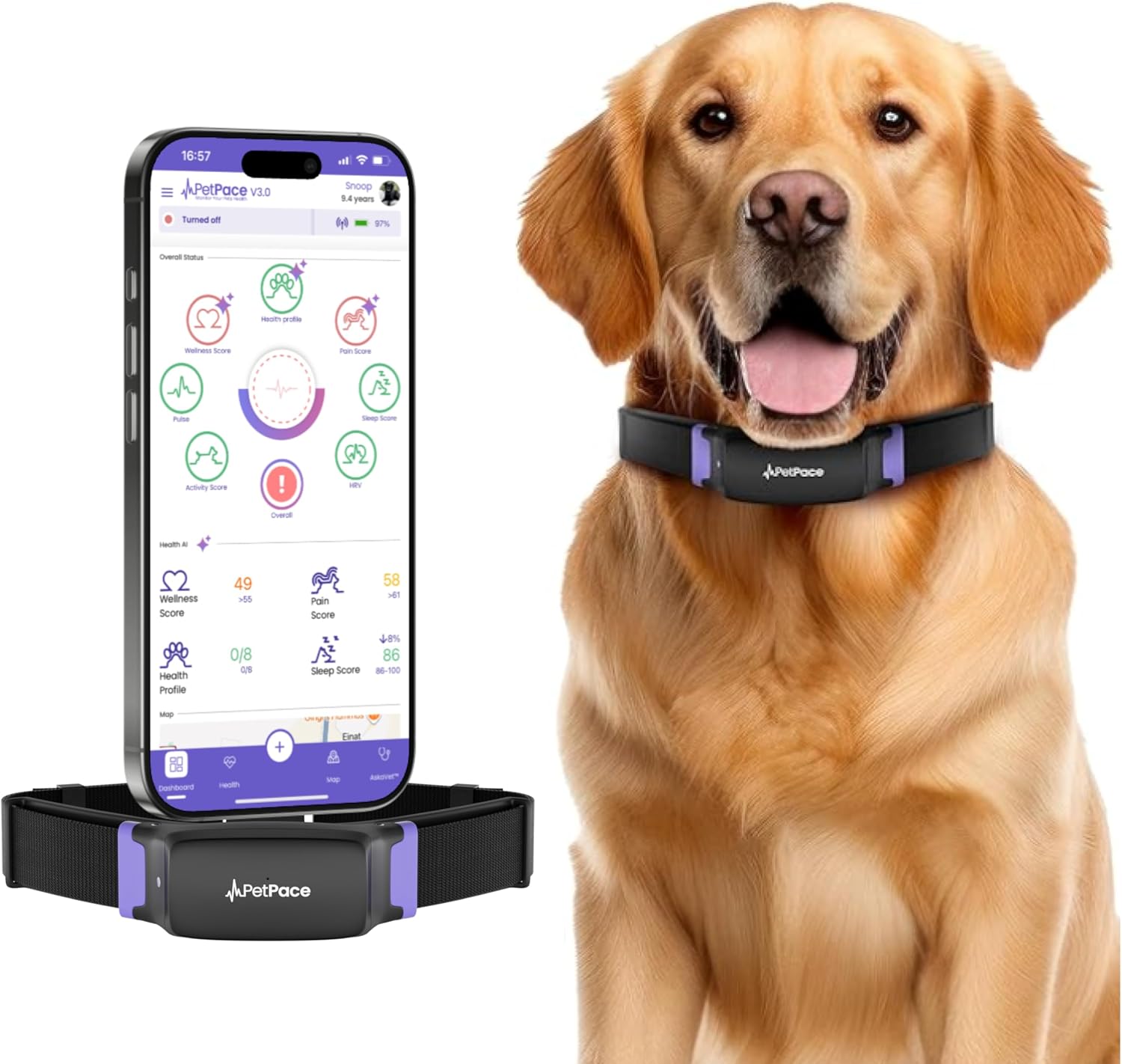
Complete Pet Health Monitoring Kit
Includes digital pet thermometer, stethoscope, weight scale, and grooming tools with instructional guide. Perfect for performing monthly health checks at home. For cats specifically, dental health is often overlooked. Our feline dental care guide explains how to monitor oral health between vet visits.
Check Amazon PriceComplete Monthly Health Checklist
Perform this comprehensive check once monthly, ideally on the same day each month. Set aside 15-20 minutes in a calm, quiet environment. Have treats ready to make it a positive experience.
Weight & Body Condition
Weigh your pet using a consistent scale. For dogs and cats: feel ribs (should be easily felt with slight fat cover). For birds: check keel bone prominence. Record any changes exceeding 5% of body weight.
Normal: Ribs palpable with thin fat layer, visible waist from above
Warning: Sudden weight loss/gain, prominent or buried ribs
Eyes, Ears & Nose
Eyes: Clear, bright, no discharge or redness. Equal pupil size.
Ears: Clean, pale pink, no odor or discharge. No head shaking.
Nose: Slightly moist (dogs), no crust or discharge. Breathing should be quiet.
Warning: Cloudiness, redness, discharge, odor, or asymmetrical appearance
Oral Health
Teeth: Clean, white, no tartar buildup (brown along gumline).
Gums: Pink (bright red in some breeds), no swelling or bleeding.
Breath: Mild odor is normal; foul smell indicates dental issues.
Warning: Red/swollen gums, broken teeth, excessive drooling, reluctance to eat
Skin & Coat
Coat: Shiny, clean, no excessive shedding or bald patches.
Skin: Smooth, no flakes, redness, lumps, or parasites.
Check between toes and under armpits for hidden issues.
Warning: Dull coat, excessive scratching, hot spots, lumps, parasites
ZimuShop 2026 Pet Health Survey Results
We surveyed 1,843 pet owners about their health monitoring practices:
| Monitoring Practice | Dog Owners | Cat Owners | Bird Owners | Health Issue Detection Rate* |
|---|---|---|---|---|
| Monthly Weight Checks | 68% | 42% | 31% | 3.2x higher |
| Dental Monitoring | 54% | 38% | N/A | 2.8x higher |
| Behavior Tracking | 61% | 45% | 52% | 4.1x higher |
| No Regular Monitoring | 22% | 41% | 48% | Baseline |
*Detection rate compared to owners who don't monitor regularly. Based on reported early diagnosis of common conditions.
Digital Health Monitor
Smart Tracking
Petable Smart Health Monitor
Wireless device tracks activity, sleep patterns, and vital signs. Syncs with smartphone app to detect abnormalities. Recommended by the American Animal Hospital Association (AAHA) for chronic condition management.
Check Amazon PriceNormal Vital Signs by Species
Knowing normal ranges helps you identify abnormalities. Always consult your veterinarian about what's normal for YOUR specific pet, as breed, age, and health status affect these values.
| Vital Sign | Dogs | Cats | Small Birds* | When to Worry |
|---|---|---|---|---|
| Heart Rate (beats/min) | 60-140 (small: faster) | 140-220 | 250-600 | +/- 30% from normal, irregular rhythm |
| Respiratory Rate (breaths/min) | 10-30 | 20-30 | 30-50 | Labored breathing, panting at rest |
| Temperature (°F) | 100.5-102.5 | 100.5-102.5 | 104-108 | Below 99°F or above 104°F (mammals) |
| Capillary Refill Time (seconds) | 1-2 | 1-2 | N/A | >2 seconds (indicates poor circulation) |
| Hydration Check | Skin snaps back | Skin snaps back | Skin tenting on neck | Slow return (>2 seconds) indicates dehydration |
*Bird vital signs vary significantly by species. Consult an avian veterinarian for specific ranges.
How to Check Vital Signs at Home
Place hand over chest
For dogs/cats: Place hand behind left elbow. Count beats for 15 seconds, multiply by 4. For birds: Observe chest movement or feel heartbeat gently (consult avian vet first).
Count chest movements
Watch chest rise/fall when pet is resting. Count for 30 seconds, multiply by 2. Ensure pet is calm (not panting from exercise or heat).
Use digital pet thermometer
Lubricate tip, insert gently into rectum (1 inch for cats/small dogs, 2 inches for larger dogs). Hold until beep. Never use human oral/ear thermometers.
Skin tent test
Gently pinch skin on back of neck. Release and count seconds until it flattens. 1-2 seconds is normal; >3 seconds indicates dehydration.
Important Safety Notes
- Never force procedures: If your pet resists strongly, stop and try later or ask your vet for demonstration
- Know your limits: Some checks (bird heart rate) are best done by professionals
- Emergency signs: If you notice labored breathing, pale gums, or collapse, seek immediate veterinary care
- Regular practice: Make health checks part of normal grooming so pets become accustomed

Behavior Changes to Monitor
Behavioral changes often precede physical symptoms. Track these aspects monthly:
Appetite & Drinking
Normal: Consistent eating/drinking patterns
Warning Signs:
- Sudden increase/decrease in appetite
- Excessive thirst (polydipsia)
- Reluctance to eat hard food (dental pain)
- Begging but not eating (nausea)
Elimination Habits
Normal: Consistent frequency, color, consistency
Warning Signs:
- Changes in frequency (more/less often)
- Straining or crying during elimination
- Blood in urine or stool
- Diarrhea or constipation lasting >24 hours
Activity & Sleep
Normal: Species-appropriate activity levels
Warning Signs:
- Increased lethargy or restlessness
- Sleeping significantly more/less
- Reluctance to jump, climb, or play
- Hiding or seeking isolation
Vocalization & Interaction
Normal: Typical vocal patterns for breed/species
Warning Signs:
- Increased/decreased vocalization
- Changes in bird singing/chatting
- Aggression or irritability
- Excessive licking/chewing at body
Case Study: Whiskers' Early Kidney Disease Detection
Sarah, a cat owner, noticed her 8-year-old cat Whiskers was drinking from unusual places (faucets, plant trays) and using the litter box more frequently. Using our pet health checklist, she tracked these changes for two weeks before her regular vet visit:
- Week 1: 50% increase in water consumption noted
- Week 2: Litter box use increased from 3x to 6x daily
- Week 3: Subtle weight loss (4% of body weight)
- Vet visit: Bloodwork revealed early stage kidney disease
Because Sarah detected these changes early, Whiskers started kidney-supportive treatment immediately. Two years later, his condition remains stable with dietary management. Early detection through simple monitoring likely added 3-5 years to his life. The Cornell Feline Health Center emphasizes that early intervention is key for chronic conditions.
Health Tracking Journal
Record Keeping
Complete Pet Health Tracking Journal
365-day tracking system with sections for vital signs, behavior notes, veterinary visits, and medication records. Includes emergency contact pages and species-specific normal ranges. Research from University of Illinois College of Veterinary Medicine shows organized health records improve treatment outcomes by 40%.
Check Amazon PriceEmergency Warning Signs
While monthly checks are for prevention, know these immediate warning signs requiring veterinary attention:
Immediate Emergency (Go Now)
- Difficulty breathing or blue gums/tongue
- Collapse or inability to stand
- Seizures lasting >2 minutes or multiple seizures
- Uncontrolled bleeding
- Trauma (hit by car, falls, fights)
- Ingestion of toxins (antifreeze, chocolate, medications)
Urgent Care (Within 24 Hours)
- Repeated vomiting or diarrhea
- Straining to urinate with no production
- Sudden weakness or paralysis
- Eye injuries or sudden blindness
- Heatstroke symptoms (panting, drooling, collapse)
- Swollen, hard abdomen (potential bloat)
Schedule Vet Visit (Within Days)
- Decreased appetite >24 hours
- Limping or reluctance to move
- Skin lesions not improving in 2-3 days
- Behavior changes lasting >48 hours
- Coughing/sneezing >2 days
- Minor wounds showing signs of infection
Preparation is Key
Have ready:
- 24-hour emergency vet phone number
- Pet's medical records accessible
- Carrier/transport method prepared
- List of medications/dosages
- Pet insurance information
- Basic pet first aid kit
Your Monthly Health Check Routine
- Weigh and record
- Check eyes, ears, nose
- Oral health inspection
- Skin and coat assessment
- Nail and paw check
- Heart rate check
- Respiratory rate check
- Hydration assessment
- Temperature (if trained)
- Capillary refill time
- Appetite/drinking patterns
- Elimination habits
- Activity level changes
- Sleep patterns
- Social interaction notes
- Update health journal
- Note any concerns
- Schedule vet if needed
- Restock supplies
- Review emergency plan
Digital Tracking Options
- Smartphone apps: Many free options for tracking weight, medications, and appointments
- Smart collars: Monitor activity, sleep, and sometimes vital signs
- Digital scales: Smart scales that sync weight data to apps
- Online portals: Many vets offer client portals for record access
- Photo documentation: Monthly photos help track physical changes

Special Considerations for Senior Pets
Pets age approximately 5-7 times faster than humans, making senior years (dogs/cats: 7+ years, birds: variable by species) critical for intensive monitoring. Senior pets should have health checks every 2 weeks rather than monthly.
Bi-Weekly Checks
Senior pets need more frequent monitoring. Check weight every 2 weeks, watch for subtle changes in mobility, and monitor cognitive function. The AVMA recommends twice-yearly veterinary exams for seniors instead of annual.
Watch for Arthritis Signs
Difficulty rising, reluctance to jump/climb, stiffness after rest, and changes in gait. Consider ramps, orthopedic bedding, and joint supplements. Our senior mobility guide provides specific exercises and adaptations.
Canine/Feline Cognitive Dysfunction
Disorientation, changes in sleep/wake cycles, house soiling, altered interactions. Similar to dementia in humans. Early intervention with diet, supplements, and environmental enrichment can slow progression.
Additional Monitoring
Blood pressure checks (hypertension common in seniors), regular bloodwork (every 6-12 months), urine specific gravity testing (kidney function), and dental radiographs (hidden dental disease).
Zoonotic Diseases: Human-Pet Transmission
Monitoring pet health also protects human family members. Zoonotic diseases can transfer between animals and humans. Regular checks help prevent transmission:
| Disease | Species Affected | Transmission Route | Prevention through Monitoring |
|---|---|---|---|
| Ringworm (fungal) | Dogs, Cats, Birds | Direct contact, spores | Regular skin checks for circular lesions |
| Leptospirosis (bacterial) | Dogs (primary) | Contaminated water, urine | Monitor for fever, lethargy, vaccination status |
| Salmonella (bacterial) | Reptiles, Birds, occasionally dogs/cats | Fecal-oral | Monitor diarrhea, proper hygiene after handling |
| Lyme Disease (tick-borne) | Dogs, Humans | Tick bites | Regular tick checks, vaccination in endemic areas |
| Psittacosis (avian chlamydiosis) | Birds (primarily) | Inhalation of dried secretions | Monitor respiratory signs in birds, regular vet checks |
Essential Hygiene Practices
- Wash hands: After handling pets, their food, or cleaning up waste
- Proper disposal: Dispose of waste promptly and hygienically
- Separate areas: Keep pet feeding areas separate from human food prep areas
- Regular cleaning: Disinfect cages, litter boxes, and bedding regularly
- Avoid face licking: Discourage pets from licking human faces, especially mouths
- Pregnant/immunocompromised: Extra precautions for vulnerable individuals
The CDC Healthy Pets program provides comprehensive guidelines for preventing zoonotic disease transmission.
Final Thoughts on Pet Health Monitoring
Regular health monitoring is one of the most profound expressions of love and responsibility toward our animal companions. A systematic pet health checklist transforms worry into actionable care, anxiety into confidence, and potentially extends your pet's healthy years.
Remember that consistency matters more than perfection. Even if you only implement a few items from this checklist regularly, you're providing better care than most pet owners. Start small perhaps with monthly weight checks and basic observation then gradually add more components as you and your pet become comfortable.
Your veterinarian is your partner in this process. Share your observations, ask questions, and work together to create a customized monitoring plan for your pet's unique needs. By combining professional veterinary care with attentive home monitoring, you give your pet the best possible chance at a long, healthy, and happy life.
For more specialized health information, explore our complete pet health resource center.