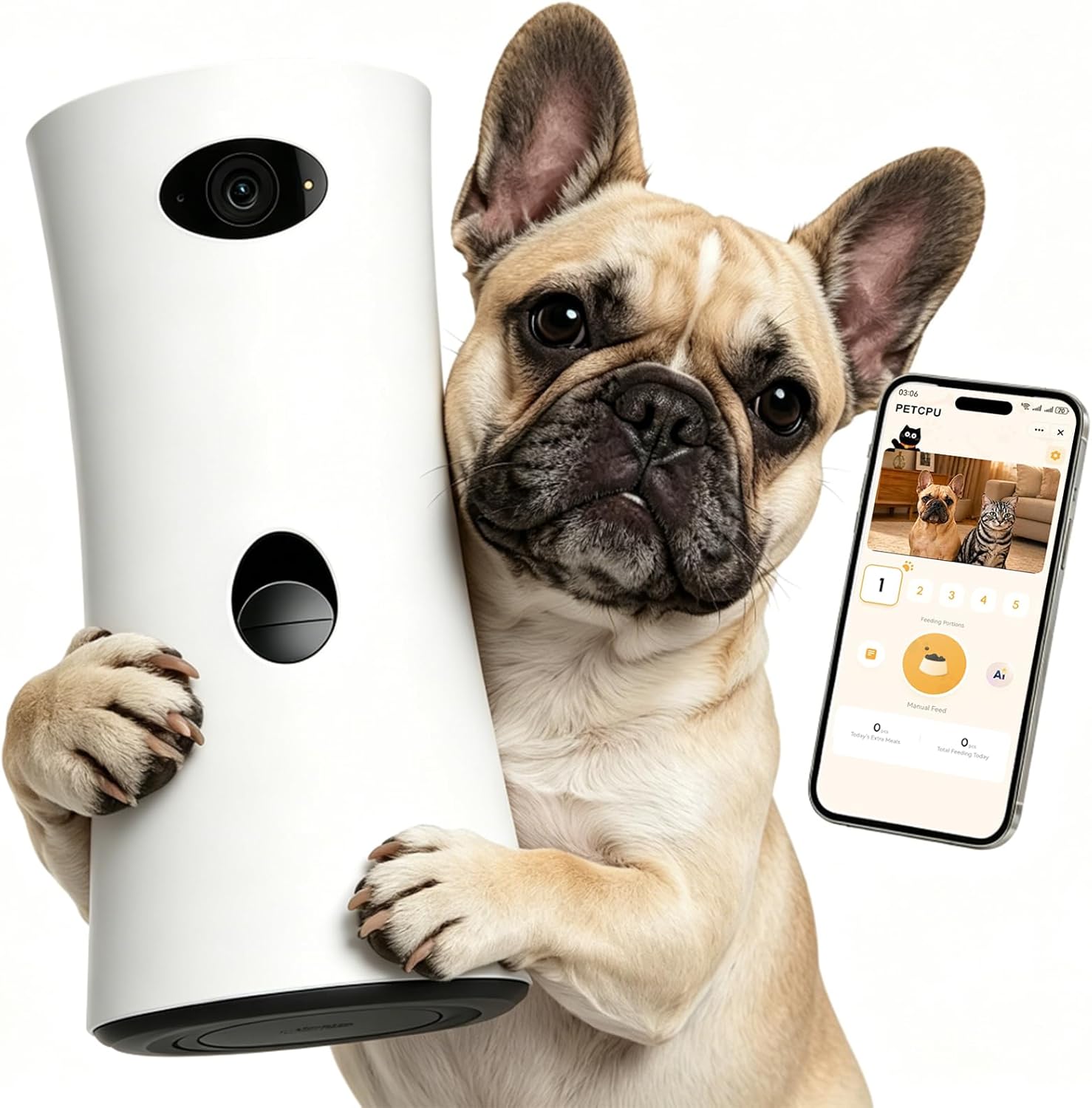
The pet technology revolution is here, and 2026 brings smarter, more connected solutions than ever before. Pet tech is no longer just about automatic feeders and basic GPS trackers. Today's smart pet products integrate artificial intelligence, machine learning, and IoT connectivity to provide unprecedented insights into your pet's health, behavior, and wellbeing.
In this comprehensive 2026 guide, we explore how smart pet technology is transforming pet care, from AI-powered cameras that detect anxiety to health monitors that alert you before symptoms appear. Whether you're a tech enthusiast or simply want to provide the best care for your pet, this guide will help you navigate the rapidly evolving world of pet technology. For pet owners concerned about security, check out our guide to smart home integration.
Table of Contents
- What Is Pet Technology in 2026?
- The Evolution of Pet Technology
- Smart Feeders & Water Dispensers
- GPS Trackers & Location Devices
- Health Monitoring Devices
- Smart Pet Cameras & Treat Dispensers
- AI-Powered Interactive Toys
- Smart Pet Doors & Access Control
- Smart Litter Boxes & Hygiene
- Smart Home Integration
- How to Choose the Right Pet Tech
- Future Trends: 2027 and Beyond
- Top 5 Recommended Pet Tech Products
- Cost vs. Benefit Analysis
- Frequently Asked Questions

What Is Pet Technology in 2026?
Pet technology refers to devices and applications that use digital technology, connectivity, and data analysis to improve pet care, monitoring, and interaction. In 2026, this includes everything from basic automatic feeders to sophisticated AI systems that learn your pet's behavior patterns and predict health issues.
Modern pet tech typically consists of:
- Connected Devices: WiFi/Bluetooth enabled products that sync with smartphone apps
- AI and Machine Learning: Systems that learn from your pet's behavior and adapt accordingly
- Health Sensors: Devices that monitor vital signs, activity, and sleep patterns
- Location Technology: GPS, Bluetooth, and cellular tracking for pet safety
- Automation: Scheduled and responsive feeding, playing, and environmental control
- Data Analytics: Apps that provide insights and recommendations based on collected data
The pet tech market has grown exponentially, with the global pet technology market expected to reach $20 billion by 2026, according to recent market research. This growth is driven by increased pet ownership during the pandemic and technological advancements making smart devices more affordable and user-friendly.
Did You Know?
Over 65% of millennial pet owners have purchased at least one smart pet product, and 42% say they would consider pet health insurance that integrates with smart monitoring devices. The integration of pet tech with veterinary care is creating a new category of "connected veterinary medicine" where data from home devices helps veterinarians provide better preventive care. For multi-pet households, see our guide to managing multiple pets with technology.
Recommended Smart Pet Feeder
Editor's Choice
PetSafe Smart Feed Automatic Pet Feeder
WiFi-connected automatic feeder with HD camera, two-way audio, and customizable meal scheduling. Holds up to 24 cups of dry food with programmable portion control. Perfect for precise feeding schedules and monitoring your pet while away. For cats with specific dietary needs, our feline weight management guide covers specialized solutions.
Check Amazon PriceThe Evolution of Pet Technology
Understanding pet tech evolution helps appreciate how far we've come and where we're headed. From basic electronic devices to today's AI-powered ecosystems, pet technology has transformed dramatically in just a decade.
Basic Electronic Devices
The first generation of pet tech included simple automatic feeders, basic electronic fences, and early GPS collars with limited battery life and connectivity. These were standalone devices with minimal smart features.
Smart Connectivity Era
WiFi and Bluetooth integration became standard. Smartphone apps allowed remote control of feeders, cameras, and trackers. Activity monitors gained popularity, and the first pet-specific IoT ecosystems emerged.
AI and Data Analytics
Artificial intelligence entered the pet space with cameras that recognize pets, detect unusual behavior, and even identify potential health issues. Data analytics provided insights into pet health and behavior patterns.
Integrated Ecosystems
Complete pet care ecosystems that integrate feeding, monitoring, playing, and health tracking. Predictive analytics, veterinary integration, and cross-device communication create holistic pet care solutions.
Today's pet technology landscape offers solutions for virtually every aspect of pet care, but understanding the different categories and their benefits is essential for making informed choices that suit your pet's needs and your lifestyle.
Smart Feeders & Water Dispensers
Modern smart feeders go far beyond simple timers. Today's devices offer precise portion control, dietary management, and even integration with veterinary recommendations.
AI-Powered Feeders
Advanced models use cameras and weight sensors to adjust portions based on your pet's eating speed, body condition, and activity level. Some can even detect multiple pets and prevent food stealing.
Smart Water Dispensers
Monitor water consumption in real-time and receive alerts if intake drops significantly (an early sign of many health issues). Advanced filters and UV sterilization ensure clean water.
Medication Dispensers
Integrated medication systems that work with your feeder to administer pills or liquid medication at precise times. Alerts are sent if medication is missed, and some systems can confirm ingestion via camera.
Nutrition Analytics
Companion apps track eating patterns, calculate calorie intake, and can integrate with veterinary nutrition plans. Some provide recommendations based on breed, age, and activity level data.
ZimuShop 2026 Pet Tech Survey Results
We surveyed 1,250 pet owners about their smart feeder experiences:
| Feature | Importance Rating | Satisfaction with Current Tech | Willing to Pay More For |
|---|---|---|---|
| Precise Portion Control | 9.2/10 | 87% | 92% |
| Camera Integration | 8.7/10 | 78% | 85% |
| Multi-Pet Recognition | 8.4/10 | 65% | 88% |
| Veterinary Data Sharing | 7.9/10 | 42% | 76% |
| Battery Backup | 9.5/10 | 91% | 94% |
Based on survey of 1,250 pet tech users conducted November 2025.
GPS Trackers & Location Devices
Modern pet GPS trackers have evolved from simple location devices to comprehensive safety systems with multiple connectivity options and extended battery life.

Multi-Network Connectivity
2026 trackers use GPS, GLONASS, Galileo, and cellular networks for maximum coverage. Some include Bluetooth for short-range tracking and WiFi sniffing for indoor location.
Extended Battery Life
Advanced power management provides 14-30 days of battery life on a single charge. Solar charging options are now available for active outdoor pets.
Geo-Fencing & Safe Zones
Create virtual boundaries and receive instant alerts if your pet leaves designated safe areas. Historical tracking shows patterns and favorite spots.
Integrated Health Monitoring
Many GPS trackers now include activity monitoring, temperature sensors, and basic health metrics, providing location and wellness data in one device.
Premium GPS Tracker
Long Battery Life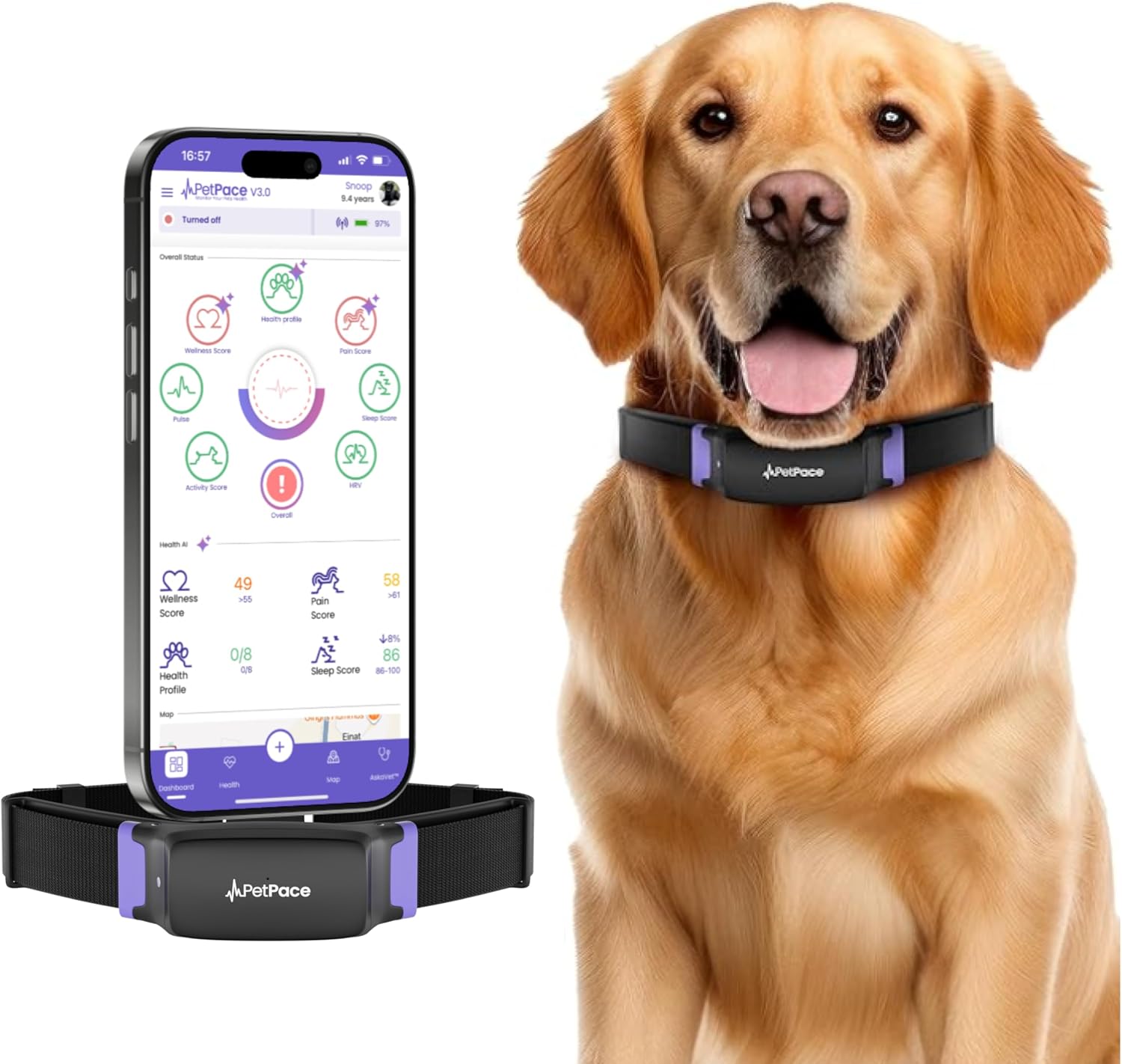
Fi Series 3 Smart Dog Collar
GPS, WiFi, and cellular tracking with 3-month battery life. Activity monitoring, escape alerts, and location history. Lightweight, waterproof design suitable for all size dogs. According to research from the American Veterinary Medical Association, GPS trackers have helped recover over 90% of lost pets within 24 hours.
Check Amazon PriceSmart Shopping Tips for Pet Tech
- Check compatibility: Ensure devices work with your smartphone OS and home WiFi
- Consider subscription costs: Many advanced features require monthly fees
- Battery life matters: Look for devices with at least 7+ days of battery
- Waterproof ratings: IP67 or higher for dogs, IP65 minimum for cats
- Data privacy: Review what data is collected and how it's used
- Customer support: 24/7 support is valuable for critical devices like trackers
Additional Pet Tech Resources
Final Thoughts on Pet Technology
The pet technology revolution is transforming how we care for our animal companions. While no device can replace the love and attention of a caring owner, smart pet products can enhance safety, provide valuable health insights, and offer peace of mind when you're away from home.
Remember that technology should serve your pet's needs, not complicate your life. Start with one device that addresses your biggest concern (safety, feeding, or health monitoring) and expand gradually as you become comfortable with the technology.
Your pet's wellbeing is worth investing in, and modern technology provides tools that were unimaginable just a few years ago. By choosing the right smart pet products, you're not just buying gadgets you're investing in your pet's safety, health, and happiness for years to come.