Bringing home a new puppy is an exciting experience, but it also comes with significant responsibility. Your puppy's first year shapes their health, behavior, and happiness for life. This comprehensive 2026 guide covers everything from essential supplies and nutrition basics to training techniques and healthcare milestones.
Proper puppy care requires understanding their unique developmental stages and needs. Whether you're a first-time puppy parent or experienced dog owner, this guide provides evidence-based information and practical tips for raising a well-adjusted canine companion.
Table of Contents
- Before Bringing Your Puppy Home
- The Critical First Week
- Puppy Nutrition: 2026 Guidelines
- Essential Puppy Training
- Socialization: The Golden Window
- Puppy Health & Veterinary Care
- Puppy Development Stages
- Essential Puppy Supplies 2026
- Solving Common Puppy Problems
- 2026 Puppy Care Trends
- Top Recommended Puppy Products
- Puppy Cost Guide: First Year Expenses
- Frequently Asked Questions

Before Bringing Your Puppy Home
Preparation is key to a smooth transition. Before your puppy arrives, complete these essential tasks:
Puppy-Proof Your Home
Secure electrical cords, remove toxic plants, install baby gates, and store chemicals safely. Puppies explore with their mouths and can get into trouble quickly.
Essential Supplies
Purchase quality food, bowls, crate, bed, collar, leash, ID tags, toys, grooming tools, and cleaning supplies. Having everything ready reduces stress.
Veterinary Preparation
Research and choose a veterinarian, schedule first check-up, and locate emergency veterinary services. Ask about vaccination schedules and insurance options.
Family Preparation
Assign care responsibilities, establish house rules, and discuss training consistency. Everyone should use the same commands and reinforcement methods.
Pro Tip: The First Night
Prepare for the first night by setting up the crate near your bed with a warm blanket and quiet toy. Expect whining this is normal. Consider a heartbeat simulator toy or shirt with your scent to comfort your puppy. According to the American Kennel Club, crate training from day one establishes good habits and provides security.
Essential Puppy Starter Kit
New Puppy Must-Have
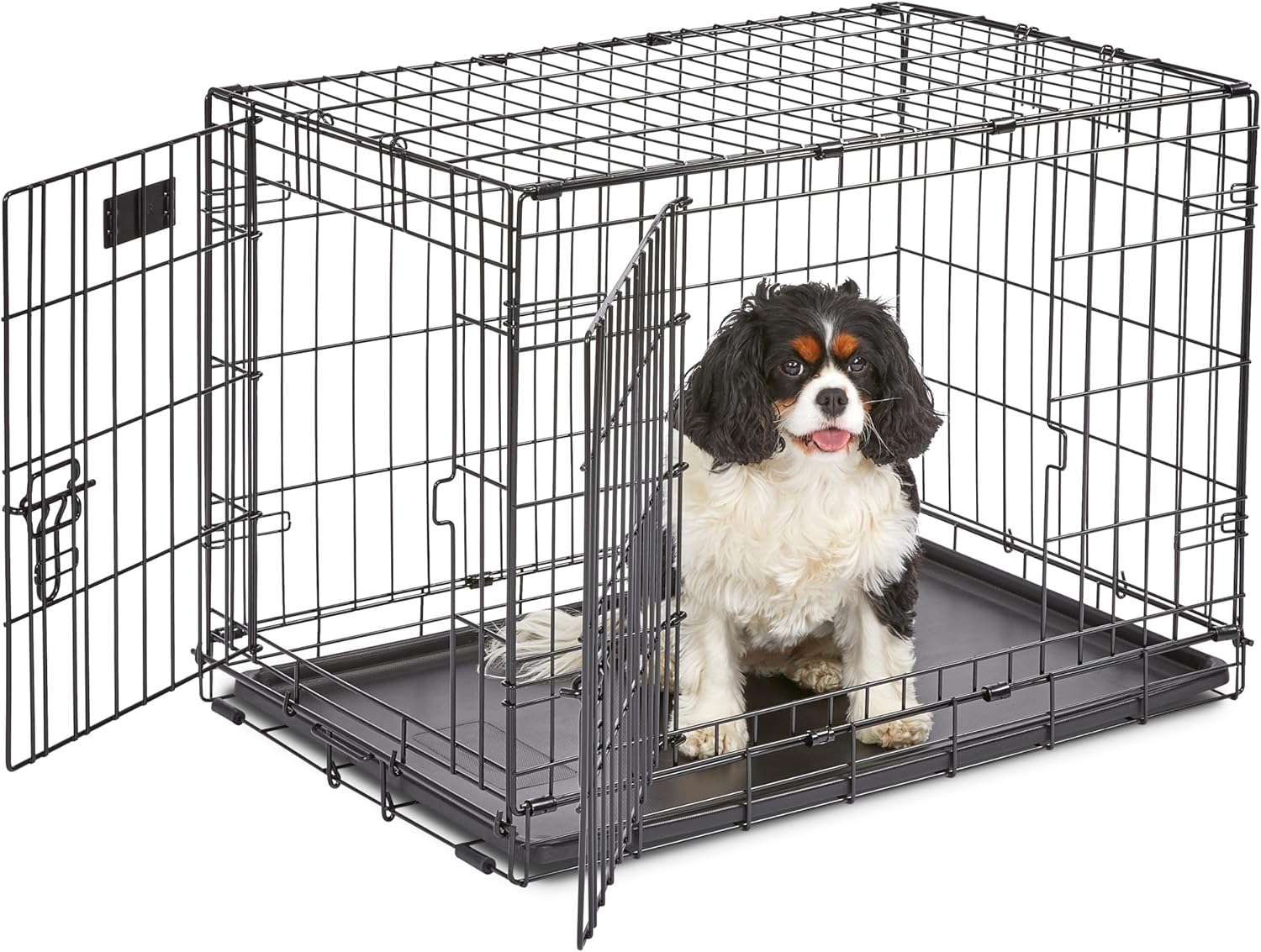
MidWest Homes for Pets Puppy Starter Kit
Complete kit includes single-door crate, divider panel, bed, bowls, puppy pad, and training guide. Perfect for puppies up to 25 lbs. For potty training essentials, our step-by-step housebreaking guide provides proven techniques for success.
Check Amazon PriceThe Critical First Week: Setting the Foundation
The first week establishes routines and builds trust. Follow this timeline for success:
Arrival and Adjustment
Keep things calm and quiet. Show your puppy their designated potty area, introduce the crate gently, and establish feeding schedule. Limit visitors to prevent overwhelm.
Routine Establishment
Begin consistent potty breaks (every 2 hours), feeding times, and short training sessions. Introduce name recognition and simple commands like "sit" using positive reinforcement.
Bonding and Exploration
Gradually introduce new rooms and safe outdoor areas. Start gentle handling exercises (touching paws, ears, mouth) to prepare for grooming and veterinary exams.
Common First Week Mistakes
- Overwhelming with too many people: Limit visitors initially
- Inconsistent routines: Puppies thrive on predictability
- Punishing accidents: This creates fear, not learning
- Missing early socialization signs: Positive experiences now prevent fear later
- Neglecting sleep needs: Puppies need 18-20 hours of sleep daily
Patience and consistency during this critical period set the stage for a well-adjusted adult dog.

Puppy Nutrition: 2026 Guidelines
Proper nutrition supports rapid growth and development. Follow these evidence-based guidelines:
Choosing the Right Food
Select puppy-specific formulas that meet AAFCO standards for growth. Large breed puppies need specialized formulas to prevent rapid growth issues. Look for:
- High-quality animal protein as first ingredient (minimum 22% protein)
- DHA for brain development (from fish oil or other sources)
- Appropriate calcium:phosphorus ratio (1.2:1 to 1.4:1 for proper bone development)
- No artificial colors or preservatives
Feeding Schedule & Portions
| Age | Meals Per Day | Portion Guidance | Special Considerations |
|---|---|---|---|
| 8-12 weeks | 4 meals | Follow package guidelines based on expected adult weight | Soak dry food in warm water for easier chewing |
| 3-6 months | 3 meals | Monitor body condition, adjust as needed | Large breeds: controlled growth formulas essential |
| 6-12 months | 2-3 meals | Transition to adult food begins around 12 months | Small breeds may transition earlier (9-12 months) |
Premium Puppy Food
Veterinarian Recommended
Royal Canin Puppy Dry Dog Food
Specifically formulated for puppies up to 15 months with antioxidants, vitamins, and tailored mineral content. Supports immune system development and digestive health.
Check Amazon PriceEssential Puppy Training: 2026 Methods
Modern puppy training emphasizes positive reinforcement and understanding canine psychology. Key areas to focus on:
Potty Training
Consistency is key: Take puppy out after waking, eating, drinking, and playing. Use crate training effectively, reward successes immediately, and never punish accidents.
Bite Inhibition
Teach gentle mouthing through yelping when bites hurt and redirecting to appropriate toys. This critical skill prevents problems when your puppy is larger and stronger.
Crate Training
Create positive associations with treats and meals in the crate. Start with short periods and gradually increase. The crate should be a safe haven, not punishment.
Basic Commands
Start with "sit," "come," "stay," and "leave it." Use high-value treats, keep sessions short (5 minutes), and end on a positive note. According to the APDT, consistency and timing are more important than duration.
ZimuShop 2026 Puppy Training Survey
We surveyed 1,542 puppy owners about their training experiences:
| Training Area | Average Time to Mastery | Success Rate with Consistent Training | Most Common Challenge |
|---|---|---|---|
| Potty Training | 4-6 months | 94% | Nighttime accidents |
| Basic Commands | 2-4 weeks per command | 89% | Distractions in new environments |
| Crate Training | 2-3 weeks | 91% | Initial resistance/whining |
| Leash Walking | 1-3 months | 82% | Pulling and lunging |
| Bite Inhibition | 3-5 months | 87% | Teething phase intensity |
Based on responses from 1,542 puppy owners tracking progress over 12 months.

Socialization: The Critical Golden Window
The socialization period (approximately 3-14 weeks) is when puppies form lifelong impressions. Proper socialization prevents fear and aggression later in life.
What to Socialize Your Puppy With
People
Different ages, genders, ethnicities, and appearances (hats, glasses, uniforms). Include people using mobility aids (wheelchairs, canes) and children (with supervision).
Other Animals
Vaccinated, friendly dogs of various sizes and breeds. Also cats and other household pets if applicable. Always supervise interactions and ensure positive experiences.
Environments
Different surfaces (grass, pavement, gravel), car rides, elevators, stairs, urban settings, parks, and veterinary clinics (visit for treats, not just exams).
Sounds & Experiences
Household noises (vacuum, doorbell), traffic, construction, fireworks recordings (played softly), grooming handling, and gentle restraint.
Socialization Safety First
Until vaccinations are complete (around 16 weeks), avoid:
- Dog parks: Unknown vaccination status and potential aggression
- Public areas with high dog traffic: Risk of disease transmission
- Unsupervised interactions: Always monitor body language
- Overwhelming situations: Watch for stress signals (yelting, hiding, trembling)
Instead, arrange playdates with known vaccinated dogs and carry your puppy in public places.
Puppy Training & Socialization Kit
Complete Solution
Puppy Culture Early Socialization Program
Complete program including socialization checklist, sound desensitization CD, handling exercises, early training protocols, and problem prevention techniques. Developed by veterinary behaviorists. The AVSAB emphasizes early positive socialization for behavioral health.
Check Amazon PricePuppy Health & Veterinary Care Timeline
Regular veterinary care prevents diseases and catches issues early. Follow this healthcare schedule:
First Veterinary Visit
Comprehensive physical exam, first vaccinations (DHPP), deworming, flea/tick prevention discussion, nutrition counseling, and microchipping discussion.
Vaccination Series Completion
Second DHPP vaccination, rabies vaccine (as required by law), additional deworming if needed, discussion of spay/neuter timing, and behavioral assessment.
Adolescent Check-Up
Final puppy vaccinations, discuss spay/neuter if not already performed, dental assessment, and behavior/training progress review.
Adult Transition Visit
Transition to adult food discussion, annual vaccinations, heartworm testing, dental cleaning if needed, and wellness plan establishment.
Puppy First Aid Essentials
Prepare for emergencies with these supplies:
- Digital thermometer (normal puppy temp: 99.5-102.5°F)
- Pet-safe antiseptic wipes and ointment
- Hydrogen peroxide (3%) for inducing vomiting (only if directed by vet)
- Gauze, non-stick pads, and self-adhering bandage
- Emergency vet contact information
- Pet poison control hotline number (888-426-4435)
Take a pet first aid course for confidence in emergencies.
Puppy Development Stages: What to Expect
Understanding developmental stages helps you provide appropriate care and training:
| Age Range | Developmental Stage | Key Characteristics | Care Focus |
|---|---|---|---|
| 0-2 weeks | Neonatal | Eyes/ears closed, completely dependent on mother | Breeder responsibility: warmth, nutrition, stimulation |
| 2-4 weeks | Transitional | Eyes/ears open, beginning to walk, first teeth emerge | Early human handling, introduction to soft food |
| 3-12 weeks | Socialization | Rapid learning, fear periods, critical social development | Positive experiences, basic training, socialization |
| 3-6 months | Ranking | Testing boundaries, teething, house training progress | Consistent rules, chew toy management, continued training |
| 6-18 months | Adolescence | Sexual maturity, independence testing, energy peaks | Continued training, exercise management, patience |
Luna's Development Journey
When we brought home Luna, an 8-week-old Labrador, we documented her development:
- Week 10: First fear period - startled by trash bags
- Month 3: Teething began - provided frozen toys for relief
- Month 4: House training mastered with consistent schedule
- Month 5: Adolescence testing - selective hearing emerged
- Month 7: Energy peak - increased exercise needs
- Month 12: Calmer adult behavior emerging
Understanding these normal developmental stages prevented frustration and helped us provide appropriate support at each phase.
Essential Puppy Supplies 2026
Quality supplies make puppy care easier and safer. Here's what you need:
Feeding Essentials
Stainless steel or ceramic bowls (avoid plastic), slow-feeder if puppy eats too fast, measuring cup, and high-quality puppy food. Consider puzzle feeders for mental stimulation.
Sleep & Comfort
Appropriately sized crate with divider, comfortable bed, blanket with mother/litter scent (available from breeder), and safe chew toys for crate.
Safety & Training
Properly fitted collar/harness, leash (4-6 feet), ID tags, baby gates, puppy-proofing supplies, and training treats (small, soft, high-value).
Grooming & Health
Puppy-safe shampoo, brush appropriate for coat type, nail clippers, toothbrush/toothpaste, ear cleaner, and pet-safe cleaning supplies for accidents.
Solving Common Puppy Problems
Every puppy presents challenges. Here are solutions to common issues:
| Problem | Cause | Solution |
|---|---|---|
| Excessive Chewing | Teething, boredom, exploration | Provide appropriate chew toys, puppy-proof environment, use bitter apple spray on forbidden items |
| Nighttime Whining | Loneliness, need to eliminate, adjustment | Crate near your bed, last potty break right before bed, ignore attention-seeking whining |
| Jumping Up | Excitement, attention-seeking | Turn away when jumping, reward four-on-floor, teach alternative greeting behavior |
| Puppy Biting | Teething, play, exploration | Yelp when bites hurt, redirect to toys, provide appropriate chew items, avoid rough play |
| Leash Pulling | Excitement, lack of training | Stop moving when pulling, reward loose leash walking, use front-clip harness initially |
Your Puppy's First Year: Monthly Milestones
- Vaccination series begins
- Socialization critical period
- House training foundation
- Basic command introduction
- Crate training establishment
- Teething peaks
- Training consistency essential
- Spay/neuter consideration
- Socialization continues
- Adult teeth coming in
- Adolescence testing boundaries
- Increased exercise needs
- Advanced training possible
- Adult coat developing
- Final puppy vaccinations
- Transition to adult food
- Calmer behavior emerging
- Annual veterinary visit
- Adult size nearly reached
- Lifelong habits established
2026 Puppy Care Trends & Innovations
The puppy care landscape is evolving with new research and technology:
Genetic Testing Integration
DNA tests now predict adult size, potential health risks, and optimal nutrition plans. Breed identification helps tailor training and anticipate behavioral traits.
Tech-Enhanced Training
App-based training programs with personalized schedules, remote trainer consultations, and smart toys that track development and provide appropriate challenges.
Preventive Health Focus
Early screening for common breed-specific issues, customized vaccination protocols based on lifestyle risk assessment, and microbiome testing for optimal nutrition.
Enrichment Revolution
Focus on mental stimulation through puzzle feeders, scent work, and structured play to prevent behavioral issues and support cognitive development.
Final Thoughts on Puppy Care
Raising a puppy is a rewarding journey that requires patience, consistency, and knowledge. The first year establishes the foundation for your dog's entire life investing time and effort now pays dividends for years to come.
Remember that every puppy is unique what works for one may not work for another. Stay flexible, observe your puppy's individual needs and personality, and don't hesitate to seek professional guidance when needed.
Your puppy will make mistakes, test boundaries, and occasionally frustrate you, but they will also bring immense joy, companionship, and love. Enjoy each stage of their development, document their growth, and build the strong bond that will last a lifetime.