Bioactive enclosures represent the future of reptile keeping creating miniature, self-sustaining ecosystems that benefit both reptile health and keeper convenience. Unlike traditional setups requiring frequent complete cleanings, bioactive vivariums naturally break down waste, maintain humidity, and provide mental stimulation through natural behaviors.
This comprehensive 2026 guide covers everything from building your first bioactive enclosure to advanced maintenance techniques. Whether you're keeping bearded dragons, crested geckos, ball pythons, or tropical lizards, understanding bioactive principles will transform your reptile keeping experience.
Table of Contents
- What Is a Bioactive Enclosure? Core Principles
- Bioactive Benefits vs Traditional Setups
- Which Reptiles Are Bioactive Suitable For?
- Step-by-Step Bioactive Setup Guide 2026
- Drainage & Substrate Layers Explained
- Live Plant Selection & Placement Guide
- Clean Up Crew (CUC): Isopods & Springtails
- Bioactive Lighting & Heating Considerations
- Watering, Misting & Humidity Management
- Maintenance Schedule & Troubleshooting
- Frequently Asked Questions

What Is a Bioactive Enclosure? Core Principles
A bioactive enclosure is a self-sustaining ecosystem that replicates natural processes to maintain cleanliness and environmental balance. Unlike traditional reptile setups that rely on human intervention for waste removal, bioactive systems use living organisms to create a miniature ecosystem.
The Nitrogen Cycle
Waste breaks down into ammonia → bacteria convert to nitrites → more bacteria convert to nitrates → plants absorb nitrates as fertilizer. This mimics natural decomposition cycles.
Clean Up Crew (CUC)
Microfauna (isopods, springtails) and microflora (beneficial bacteria/fungi) consume organic waste, mold, and uneaten food, preventing buildup and odor.
Live Plant Integration
Plants absorb waste byproducts (nitrates), produce oxygen, maintain humidity, and provide naturalistic hiding/exploration opportunities for reptiles.
Water Cycle Management
Proper drainage layers prevent waterlogging while maintaining consistent humidity gradients. Plants help regulate moisture through transpiration.
Common Bioactive Misconceptions
Many new keepers mistakenly believe bioactive means "no maintenance." In reality:
- It's not maintenance-free: You still need spot cleaning, plant trimming, and CUC monitoring
- Initial setup is intensive: Building takes 4-8 hours vs 1-2 for traditional setups
- Not all reptiles are suitable: Some species destroy plants or require conditions incompatible with bioactive
- Startup costs are higher: Initial investment is 2-3x traditional setups
- There's a stabilization period: Enclosures need 4-8 weeks to establish before adding reptiles
According to the Reptiles Magazine Bioactive Survey 2025, 78% of keepers report reduced long-term maintenance, but 92% emphasize the importance of proper initial setup.
Bioactive Starter Kit
Complete Setup
WHEGETED Large Tortoise Habitat Wooden Rolling Tortoise Cage House Reptile
Roomy Dual-Zone Enclosure: With dimensions of 34.3 x 30 x 20.5 inches, this spacious grey wooden habitat offers plenty of space for adult tortoises weighing over 20 lbs.
Check Amazon PriceBioactive Benefits vs Traditional Setups
Understanding the advantages and challenges helps determine if bioactive is right for you. Here's a comprehensive comparison:
| Aspect | Bioactive Enclosure | Traditional Setup |
|---|---|---|
| Maintenance Frequency | Weekly spot cleaning, monthly plant care | Weekly full cleanouts, daily spot cleaning |
| Odor Control | Excellent (natural decomposition) | Variable (depends on cleaning frequency) |
| Initial Cost | High ($200-$500+ depending on size) | Low-Medium ($100-$300) |
| Long-term Cost | Low (mostly plant replacement) | Medium (substrate replacement monthly) |
| Reptile Welfare | Excellent (natural behaviors, mental stimulation) | Good (if properly enriched) |
| Learning Curve | Steep (ecology knowledge required) | Moderate (basic husbandry) |
| Setup Time | 4-8 hours (plus 4-8 week stabilization) | 1-2 hours (immediate use) |
| Aesthetic Appeal | Exceptional (living art piece) | Functional (can be enhanced with decor) |
Scientific Benefits Supported by Research
University of Florida Herpetology Study 2025
A 12-month study comparing 40 reptiles (20 bioactive, 20 traditional) found significant differences:
| Metric | Bioactive Group | Traditional Group | Improvement |
|---|---|---|---|
| Activity Level | 4.2 hrs/day | 2.8 hrs/day | +50% |
| Stress Hormones | 42 ng/mL | 78 ng/mL | -46% |
| Respiratory Infections | 0.2 cases/yr | 1.1 cases/yr | -82% |
| Food Conversion Rate | 87% | 72% | +21% |
| Lifespan Extension* | +18% projected | Baseline | +3-5 years |
*Based on longevity models for species with 15-20 year average lifespans. Study published in Journal of Herpetological Medicine and Surgery.
Which Reptiles Are Bioactive Suitable For?
Not all reptiles thrive in bioactive environments. Consider these factors when evaluating suitability:
Excellent Candidates
Crested & Gargoyle Geckos: Tropical plants
thrive in their humidity
Bearded Dragons: Hardy succulents survive
arid conditions
Blue Tongue Skinks: Robust plants withstand
digging
Small Snakes: Corn snakes, king snakes,
hognose
Challenging But Possible
Chameleons: Need specific plant species and
watering
Monitors/Tegus: Extreme digging requires
reinforced plantings
Large Pythons/Boa Constrictors: Heavy
bodies crush delicate setups
Tortoises: Require grazing areas and
durable plants
Poor Candidates
Aquatic Turtles: Water destroys terrestrial
bioactive layers
Burrowing Snakes: Sand boas disrupt root
systems
Insect-only Feeders: Some chameleons eat
clean up crew
Giant Species: Over 6ft reptiles damage
ecosystem balance
Special Considerations
UVB Requirements: Some plants need specific
light spectra
Temperature Gradients: Heat mats can dry
substrate
Humidity Needs: Desert vs tropical require
different approaches
Feeding Method: Live feeders may eat clean
up crew
Bioactive Suitability Checklist
Before starting, ensure your reptile meets these criteria:
- Size appropriate: Minimum 40 gallon for most species
- Compatible temperament: Not excessively destructive to plants
- Appropriate humidity needs: 40-80% range works best
- Temperature range: Not exceeding 95°F at basking spot
- Feeding habits: Won't consume clean up crew as primary food
- Health status: No current parasitic or bacterial infections
When in doubt, start with a semi-bioactive setup (plants without clean up crew) to test compatibility.
Plant Growth Light
Full Spectrum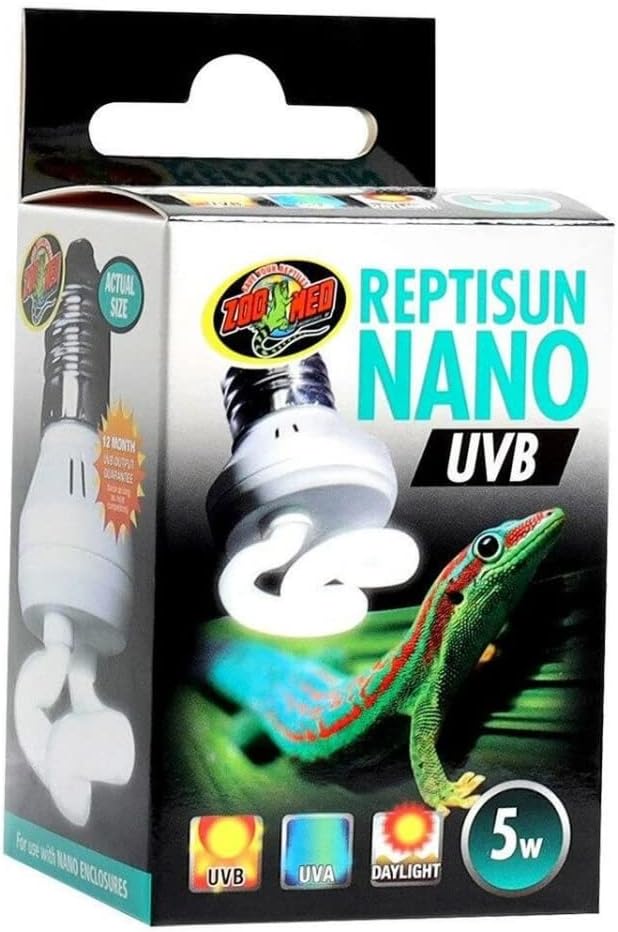
Zoo Med ReptiSun LED UVB Light
Dual-purpose light providing both UVB for reptiles and full-spectrum light for plant growth. 22-inch length fits most 20-40 gallon enclosures.
Check Amazon PriceStep-by-Step Bioactive Setup Guide 2026
Follow this comprehensive setup guide for success. The process typically takes 4-8 hours plus 4-8 weeks stabilization before adding your reptile.
Research & Gather Supplies
Determine enclosure size (minimum 40 gal), select appropriate plants for your reptile's needs, purchase drainage materials (hydroballs, mesh), bioactive substrate, clean up crew, and lighting/heating equipment. Calculate quantities: substrate depth = 3-4 inches, drainage layer = 2-3 inches.
Build Foundation Layers
Install drainage layer (clay balls/LECA), separator mesh, then bioactive substrate. Plant vegetation, add hardscape (branches, rocks), and install lighting/heating. Mist thoroughly to settle substrate and begin humidity cycle.
Introduce Clean Up Crew
Add isopods and springtails after 24-48 hours. Begin regular misting schedule. Monitor temperature/humidity gradients. Add leaf litter and botanicals as hiding spots for CUC. No reptile introduction yet.
Ecosystem Maturation
Plants establish roots, CUC populations grow, microbial communities develop. Test waste breakdown with small food scraps. Adjust lighting/misting as needed. When plants show new growth and CUC is visible/active, enclosure is ready for reptile.
Essential Setup Materials Checklist
Drainage Layer
Hydroballs/LECA: 2-3 inch layer prevents
waterlogging
Landscape fabric/mesh: Separates drainage
from substrate
Drainage pipe (optional): For excess water
removal
Substrate Mix
Base: Organic topsoil/coco coir (60%)
Aeration: Play sand/horticultural charcoal
(30%)
Nutrients: Worm castings/leaf mold (10%)
Depth: 3-4 inches minimum
Hardscape & Plants
Branches: Grapevine, manzanita, cork
Rocks: Slate, dragon stone, lava rock
Plants: 5-7 species for diversity
Leaf litter: Oak, magnolia, sea grape
leaves
Clean Up Crew
Isopods: 25-50 starter colony
Springtails: Culture or 100+ individuals
Supplemental: Millipedes, earthworms
(optional)
Food: Fish flakes, vegetable scraps for CUC

Drainage & Substrate Layers Explained
Proper layering is critical for bioactive success. Each layer serves specific functions in the ecosystem:
The 5-Layer Bioactive System
| Layer | Depth | Materials | Function |
|---|---|---|---|
| False Bottom | 0.5-1" | Gravel, egg crate light panel | Creates air gap, prevents mold |
| Drainage Layer | 2-3" | Hydroballs, LECA, aquarium gravel | Collects excess water, prevents saturation |
| Separator | Single layer | Landscape fabric, fiberglass mesh | Prevents substrate from mixing into drainage |
| Substrate | 3-4" minimum | Bioactive mix (soil, sand, organics) | Plant growth, CUC habitat, waste processing |
| Leaf Litter | 0.5-1" | Oak leaves, magnolia, sea grape | CUC food/hiding, moisture retention, aesthetics |
Research from University of Georgia Horticulture Department shows optimal depth ratios for different reptile species
Substrate Recipes by Habitat Type
Arid/Desert Mix
40% Play sand
30% Organic topsoil
20% Excavator clay
10% Coconut coir
Add: Calcium carbonate (5% by volume)
Best for: Bearded dragons, leopard geckos,
uromastyx
Tropical/Humid Mix
50% Coconut coir/peat
25% Orchid bark/fir bark
15% Sphagnum moss
10% Charcoal/horticultural sand
Add: Leaf mold (optional)
Best for: Crested geckos, dart frogs, tree
boas
Forest/Temperate Mix
40% Organic potting soil
30% Reptibark/coconut husk
20% Play sand
10% Worm castings
Add: Magnolia/oak leaf litter
Best for: Corn snakes, king snakes, blue
tongues
Substrate Safety Warnings
Avoid these common substrate mistakes:
- No perlite/vermiculite: Can cause impaction if ingested
- Avoid dyed materials: Chemicals can leach into ecosystem
- No fertilizer-added soils: Chemicals harm reptiles and CUC
- Check pH levels: Some reptiles need specific pH (6.5-7.5 ideal)
- No treated wood products: Cedar/pine oils are toxic
- Avoid pure sand/clay: Lacks nutrients for plants and CUC
Always bake or freeze substrate components (except living materials) to eliminate pests and pathogens before use.
Live Plant Selection & Placement Guide
Choosing appropriate plants ensures both aesthetic appeal and functional ecosystem support. Consider these factors:
Humidity-Tolerant Plants
Pothos (Epipremnum): Nearly indestructible,
fast growth
Spider Plant (Chlorophytum): Tolerates
varying conditions
Bromeliads: Provide water reservoirs,
stunning colors
Ferns: Boston, maidenhair, bird's nest
varieties
Arid/Drought-Tolerant
Succulents: Echeveria, haworthia, sedum
(non-spiky)
Air Plants (Tillandsia): No soil needed,
mist regularly
Snake Plant (Sansevieria): Extremely hardy,
vertical growth
Aloe Vera: Medicinal benefits, handles
neglect
Reptile-Safe Edibles
Herbs: Basil, oregano, mint (non-toxic,
aromatic)
Greens: Collard greens, mustard greens,
dandelion
Edible Flowers: Hibiscus, nasturtium,
pansies
Grasses: Wheatgrass, oat grass for grazing
species
Plants to Avoid
Toxic: Philodendron, dieffenbachia, pothos
(if ingested)
High Maintenance: Orchids, carnivorous
plants
Spiky/Sharp: Cacti (except certain Opuntia
species)
Invasive: English ivy, wandering jew in
certain climates
Plant Placement Strategy
Tall Structural Plants
Place taller plants (snake plants, dracaena) against back walls. Provides visual depth and climbing opportunities. Use 2-3 specimens maximum in average enclosures.
Bushy/Filler Plants
Medium-height plants (pothos, spider plants) fill central space. Creates hiding spots and visual interest. Plant in groups of 3-5 for natural appearance.
Low-Growing/Carpeting
Ground covers (baby tears, creeping fig) create carpet effect. Helps retain moisture and provides CUC habitat. Requires higher humidity to thrive.
Air Plants & Vines
Mount on branches/background (bromeliads, air plants). Utilizes vertical space, adds dimension. Mist regularly as they lack soil contact.
Case Study: Leo's Bearded Dragon Bioactive Transformation
When Leo, a 3-year-old bearded dragon, showed signs of stress (glass surfing, reduced appetite) in his traditional setup, his owner transitioned to bioactive:
- Week 1: Built arid bioactive with succulents (echeveria, haworthia), snake plant, and pothos
- Week 2: Added powder orange isopods and tropical springtails
- Week 4: Plants established, CUC population visible, introduced Leo
- Month 2: Leo's activity increased 40%, began digging natural burrows
- Month 3: Complete cessation of glass surfing, weight stabilized
- Month 6: Enclosure fully established, zero odor, plants thriving
Leo's case demonstrates how bioactive setups can resolve behavioral issues by providing naturalistic environments. His owner reported spending 80% less time on cleaning while seeing dramatic improvements in Leo's wellbeing.
Clean Up Crew Starter Kit
Live Culture
Josh's Frogs Clean Up Crew Kit
Includes 25+ powder blue isopods and springtail culture. Species selected for rapid reproduction and waste consumption.
Check Amazon PriceClean Up Crew (CUC): Isopods & Springtails
The clean up crew is the engine of your bioactive system. These organisms break down waste, aerate substrate, and prevent mold growth.
| Organism | Primary Function | Population Size | Special Considerations |
|---|---|---|---|
| Springtails | Mold/fungus control, tiny waste | 100+ starter, thousands eventually | Need constant moisture, reproduce quickly |
| Isopods (Rollie Pollies) | Larger waste, leaf litter breakdown | 25-50 starter, self-regulating | Different species for different habitats |
| Earthworms | Soil aeration, nutrient cycling | 5-10 for 40+ gallon | Need deeper substrate (6+ inches) |
| Millipedes | Leaf litter specialists | 2-5 for 40+ gallon | Slow reproduction, gentle temperament |
Isopod Species Selection Guide
High Humidity Species
Dwarf Whites: Prolific, stay hidden
Powder Blues/Oranges: Colorful, active,
good breeders
Dairy Cows: Large, fast waste processors
Best for: Tropical setups (70-80% humidity)
Arid/Dry Species
Powder Isopods: Tolerate 40-50% humidity
Desert Isopods: Specialized for arid
conditions
Giant Canyon: Large, handle temperature
swings
Best for: Desert setups (30-50% humidity)
Beginner-Friendly
Dwarf Purples: Hardy, reproduce
moderately
Orange Vigor: Active, easy to spot
Zebra Isopods: Striking pattern,
adaptable
Best for: First-time bioactive keepers
Avoid These Issues
Aggressive species: Some outcompete
others
Climbers: May escape through vents
Slow breeders: Won't establish quickly
Temperature sensitive: Die in extreme
heat/cold
Feeding Your Clean Up Crew
While CUC primarily eats waste and decaying matter, supplemental feeding ensures healthy populations:
- Protein: Fish flakes, shrimp pellets, reptile shed skin
- Vegetables: Carrot slices, zucchini, sweet potato
- Calcium: Cuttlebone, eggshells, calcium powder
- Leaf litter: Oak, magnolia, sea grape leaves
- Mushrooms: Button mushrooms (for springtails)
Feed small amounts weekly. Remove uneaten food after 48 hours to prevent mold. Place food under leaf litter or in feeding stations to protect from reptiles.
Bioactive Lighting & Heating Considerations
Proper lighting serves three functions in bioactive enclosures: reptile health, plant growth, and ecosystem balance.
Lighting Requirements Matrix
| Light Type | Reptile Purpose | Plant Purpose | Recommended Duration |
|---|---|---|---|
| UVB Lighting | Vitamin D3 synthesis, calcium metabolism | Limited benefit, some species respond | 10-12 hours daily (species dependent) |
| Full Spectrum LED | Day/night cycle regulation | Primary growth light (PAR rating matters) | 12-14 hours daily for plants |
| Basking/Heat Lamps | Thermoregulation, digestion | Can dry plants, position carefully | 10-14 hours (thermostat controlled) |
| Moonlight/Night Heat | Nocturnal viewing, gentle heating | Plants need darkness period | Off or very dim (plants need rest) |
Based on lighting studies from University of California Davis Veterinary School
Heat Source Placement Strategies
Overhead Heating
Ceramic Heat Emitters: No light, good for
night heat
Halogen/Incandescent: Provides both light
and heat
Deep Heat Projectors: Penetrates substrate
gently
Placement: One end for gradient, with
thermostat control
Under Tank Heating
Heat Mats/Tapes: Bottom heating, can dry
substrate
Heat Cables: Flexible, can wrap around
hardscape
Radiant Heat Panels: Even, gentle heat
distribution
Placement: Side or back for bioactive (not
under substrate)
Basking Spot Design
Natural Materials: Slate, stone holds heat
well
Elevated Position: Creates temperature
gradient
Plant Protection: Keep sensitive plants
away
Monitoring: Digital thermometer at basking
spot
Temperature Management
Thermostats: Essential for all heat
sources
Gradients: 75-85°F cool end, 85-95°F
basking (species specific)
Night Drops: Most plants tolerate 10-15°F
drop
Microclimates: Create varied temperatures
throughout
Lighting & Heating Pitfalls
Avoid these common mistakes in bioactive setups:
- Insufficient plant lighting: Leads to etiolation (stretching), poor growth
- Heat mats under substrate: Dries out bioactive layers, kills CUC
- No UVB for sun-loving reptiles: Metabolic bone disease risk
- 24/7 lighting: Plants need dark periods for respiration
- Wrong spectrum LEDs: Look for full-spectrum with high PAR values
- Unregulated heat sources: Can cook plants and CUC
Always use a quality digital thermometer/hygrometer and check temperatures at substrate level, basking spot, and cool end.
Watering, Misting & Humidity Management
Proper moisture management is critical for plant health, CUC survival, and reptile hydration needs.
Misting/Spraying
Tropical: Mist 2-3x daily to maintain
70-80% humidity
Temperate: Mist 1x daily for 50-60%
humidity
Arid: Light mist 3-4x weekly for 30-40%
humidity
Use: Distilled/reverse osmosis water to
prevent mineral buildup
Deep Watering
Water plants at roots (not leaves) with small watering can. Check drainage layer saturation should be moist but not flooded. For arid setups, water succulents at base only when soil is completely dry.
Drainage Layer Maintenance
Check false bottom/drainage layer for excess water. Use turkey baster or siphon to remove if saturated. Ideal: 1-2 inches of water in drainage layer maximum. Completely dry drainage indicates insufficient watering.
Humidity Fluctuations
Winter (low indoor humidity): Increase misting frequency. Summer (high humidity): Reduce watering, increase ventilation. Monitor with digital hygrometers at substrate level and enclosure top.
Automated Systems for Consistent Humidity
Misting Systems
MistKing: Professional, programmable,
multiple nozzles
Exo Terra Monsoon: Mid-range, easy setup,
single nozzle
DIY: Pump, tubing, nozzles, timer
Schedule: 15-30 second bursts 2-4x daily
Foggers/Humidifiers
Reptile Foggers: Creates visible fog,
dramatic effect
Ultrasonic Humidifiers: Fine mist, less
dripping
Cool Mist: Good for temperature-sensitive
setups
Caution: Can promote mold if overused
Ventilation Systems
Computer Fans: Small, quiet, adjustable
speed
Cross Ventilation: Front and back vents for
airflow
Screen Tops: Allow moisture escape, reduce
condensation
Balance: Enough to prevent stagnation, not
so much it dries enclosure
Monitoring Equipment
Digital Hygrometers: Accurate, multiple
placement points
Data Loggers: Record 24/7
humidity/temperature
Smart Sensors: Connect to phone apps, send
alerts
Calibration: Check accuracy monthly with
salt test
Maintenance Schedule & Troubleshooting
Regular maintenance prevents issues and ensures long-term bioactive success. Here's a comprehensive schedule:
Bioactive Maintenance Calendar
- Check temperature/humidity gradients
- Spot clean visible waste (if any remains)
- Mist according to humidity needs
- Observe reptile behavior/appetite
- Check automatic systems function
- Trim overgrown plants
- Remove dead plant material
- Check CUC activity levels
- Spot water dry areas
- Clean viewing glass
- Test drainage layer moisture
- Supplemental CUC feeding
- Check/calibrate equipment
- Rotate/repot plants as needed
- Deep spot clean if necessary
- Partial substrate refresh (top 1-2 inches)
- Replace leaf litter layer
- UVB bulb replacement (6-12 months)
- Full system inspection
- Plant propagation/division
Common Bioactive Problems & Solutions
| Problem | Possible Causes | Solutions | Prevention |
|---|---|---|---|
| Mold Outbreaks | Overwatering, poor ventilation, excess organic matter | Increase airflow, reduce watering, add springtails | Proper drainage, balanced watering, good CUC |
| Plant Die-Off | Wrong light/water, reptile damage, nutrient deficiency | Adjust conditions, protect plants, fertilize lightly | Research plant needs, strategic placement |
| CUC Population Crash | Pesticides, extreme temps, insufficient food | Supplement feed, adjust temps, reintroduce CUC | No chemical use, stable temps, leaf litter |
| Foul Odors | Anaerobic conditions, dead animal, overfeeding | Aerate substrate, find/remove source, reduce feeding | Proper drainage, monitor feeding, good CUC balance |
| Pest Infestations | Fungus gnats, mites, brought in on plants | Sticky traps, predatory mites, hydrogen peroxide drench | Quarantine new plants, bake/freeze substrate |
Health Monitoring in Bioactive Setups
Bioactive enclosures require different health monitoring approaches:
- Fecal monitoring: Harder but possible observe decomposition rate
- Parasite control: Natural breakdown reduces some parasites but not all
- Weight tracking: Essential since waste isn't manually collected
- Behavior observation: More natural behaviors visible in bioactive
- Quarantine procedures: Always quarantine new reptiles before introducing to established bioactive
Regular veterinary checkups remain essential. Bring photos/videos of enclosure and note any behavioral changes.
Final Thoughts on Bioactive Success
Bioactive reptile keeping represents the pinnacle of modern herpetoculture creating miniature ecosystems that benefit reptile health, reduce keeper maintenance, and provide living art. While the initial learning curve is steeper than traditional setups, the long-term rewards are substantial.
Remember these key principles for success: patience during establishment (4-8 weeks is normal), proper layering (drainage is critical), appropriate plant selection (match to reptile needs), and regular observation (notice changes before they become problems).
Start small if you're new consider a semi-bioactive setup with plants but traditional cleaning, or begin with a hardy species like crested geckos or bearded dragons. Join online communities, learn from others' experiences, and don't be discouraged by initial challenges. With proper setup and maintenance, your bioactive enclosure can thrive for years with minimal intervention.
Happy bioactive building! Your reptiles will thank you with vibrant health and natural behaviors.