As a certified pet nutritionist and seasonal cooking specialist with over a decade of experience, I've discovered that aligning your pet's diet with nature's rhythms creates remarkable health benefits. This comprehensive 2026 seasonal pet food guide provides recipes and strategies for creating homemade seasonal meals that support your pet's changing needs throughout the year. From spring detox recipes to winter warming meals, learn to use seasonal ingredients for optimal pet wellness.
Just as humans benefit from eating seasonally, our pets thrive when their diets reflect seasonal changes. Seasonal homemade pet food offers fresher ingredients, better nutrition, and cost savings while supporting your pet's natural biological rhythms. This guide covers everything from seasonal ingredient selection to recipe adaptation for different climates, providing a complete year-round nutritional strategy for both dogs and cats.
Table of Contents

Why Seasonal Pet Food Matters: The Science Behind Seasonal Nutrition
Seasonal eating isn't just a human nutrition trend it's a fundamental principle of animal health. When we align our pets' diets with seasonal changes, we work with their natural biological rhythms rather than against them.
The Science of Seasonal Pet Nutrition
Enhanced Nutrient Density
Seasonal produce harvested at peak ripeness contains 20-40% more nutrients than out-of-season counterparts. This means more vitamins, minerals, and antioxidants in every bite for your pet.
Cost-Effective Feeding
Seasonal ingredients are typically 30-50% less expensive due to abundant supply and reduced transportation costs. This makes premium homemade pet food more affordable year-round.
Natural Biological Alignment
Pets' nutritional needs change with seasons: higher hydration in summer, more warming foods in winter, and detox support in spring. Seasonal eating naturally addresses these needs.
Environmental Sustainability
Choosing seasonal, local ingredients reduces food miles by up to 90%, significantly lowering your pet food's carbon footprint while supporting local farmers.
My Seasonal Cooking Philosophy
After years of creating seasonal pet meals, I've found that the most successful approach combines seasonal availability with nutritional needs. For example, in spring when pets naturally shed winter coats, I incorporate ingredients rich in omega-3s and antioxidants to support skin health and detoxification. In winter, I focus on warming, calorie-dense foods that support immune function. This natural alignment creates meals that feel intuitively right for pets.
Quick Navigation: Seasonal Recipes
Spring
Renewal & Detox
Mar - MaySummer
Cooling & Hydration
Jun - AugFall
Harvest & Preparation
Sep - NovWinter
Warming & Immunity
Dec - FebSeasonal Ingredient Guide: What's Fresh When
Understanding seasonal ingredient availability is key to creating nutritious, cost-effective pet meals. This guide highlights the best ingredients for each season.
Monthly Seasonal Ingredient Calendar
Winter squash, kale, carrots
Beets, cabbage, sweet potatoes
Spinach, peas, asparagus
Artichokes, radishes, greens
Strawberries, zucchini, mint
Blueberries, cucumber, basil
Tomatoes, corn, green beans
Peaches, bell peppers, eggplant
Apples, pumpkin, broccoli
Pears, cauliflower, Brussels sprouts
Sweet potatoes, cranberries, kale
Winter squash, carrots, beets
Tip: This calendar represents Northern Hemisphere seasons. Adjust timing based on your local climate and growing conditions.
Spring Renewal Recipes: Detox & Energy Boost
Spring is nature's renewal season, making it the perfect time for detoxifying pet recipes that support liver function, shed winter weight, and boost energy. These recipes feature spring greens and lean proteins.
Spring Detox Chicken & Greens Bowl for Dogs
Spring Special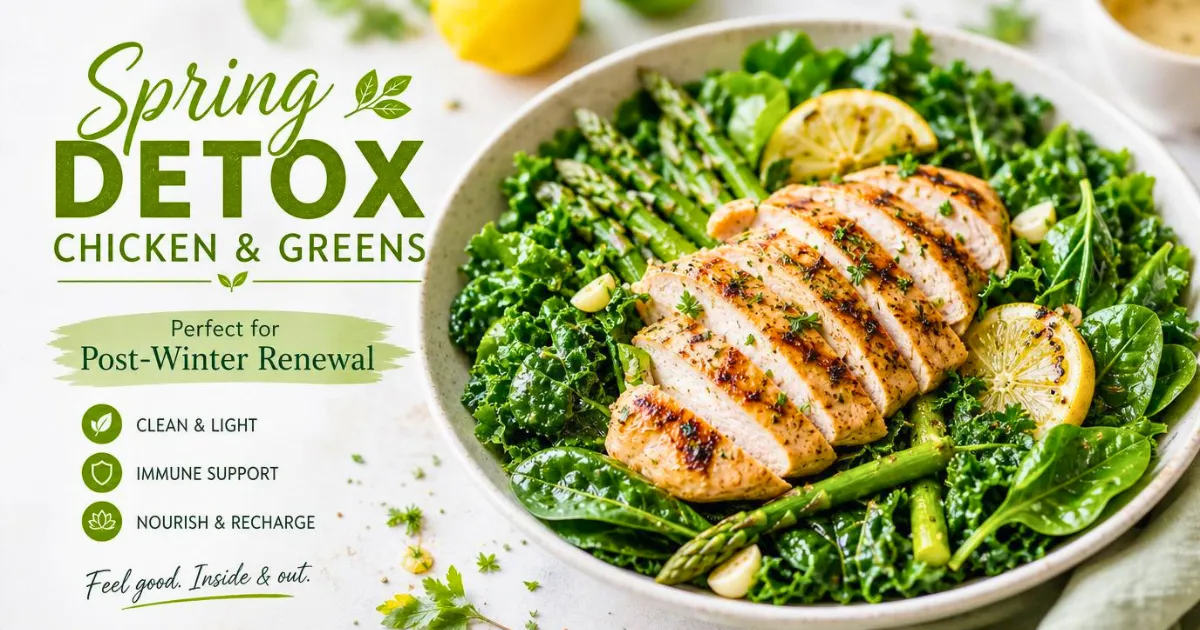
Spring Detox Chicken & Greens - Perfect for Post-Winter Renewal
Features spring greens like spinach and asparagus that support natural detoxification and help pets shed winter weight while boosting energy for increased spring activity.
Ingredients
- Ground chicken breast 1 lb (450g)
- Fresh spinach, chopped 2 cups
- Asparagus, trimmed & chopped 1 cup
- Cooked quinoa 1 cup
- Fresh peas ½ cup
- Fresh parsley, chopped ¼ cup
- Low-sodium chicken broth 2 cups
- Milk thistle tincture* ½ tsp
- Complete dog supplement As directed
*Milk thistle supports liver detoxification. Consult your vet before adding supplements.
Instructions
- In a large skillet, cook ground chicken over medium heat until no longer pink (8-10 minutes).
- Add chopped asparagus and cook for 5 minutes until slightly tender.
- Pour in chicken broth and bring to a simmer. Add spinach and peas, cooking for 3-4 minutes until spinach wilts.
- Remove from heat and stir in cooked quinoa and fresh parsley.
- Allow to cool completely to room temperature.
- Once cooled, mix in milk thistle (if using) and complete dog supplement.
- Portion into meals based on your dog's weight and activity level.
- Store in refrigerator for up to 3 days or freeze individual portions.
Spring Benefits (per cup serving)
Spring Salmon & Asparagus Pâté for Cats
Feline Favorite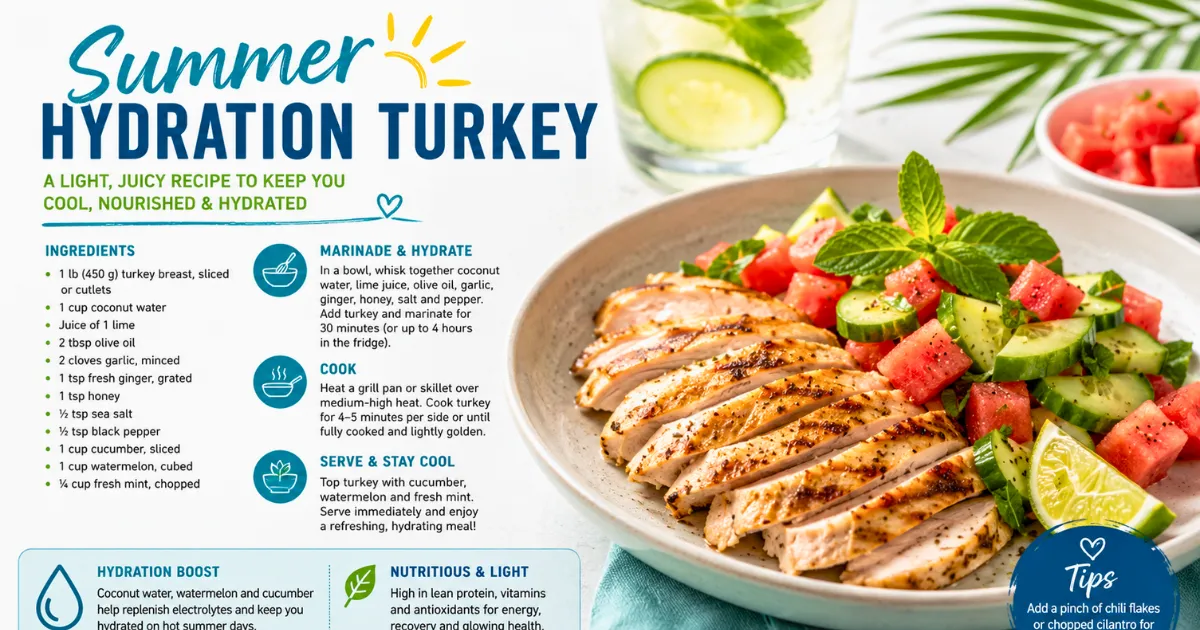
Spring Salmon & Asparagus Pâté - Light & Nutritious
Light spring recipe featuring salmon and asparagus that provides essential omega-3s for skin/coat health while supporting natural detoxification processes in cats.
Ingredients
- Fresh salmon fillet ½ lb (225g)
- Asparagus, steamed & pureed ½ cup
- Chicken liver, cooked ¼ cup
- Egg yolk, cooked 1
- Fish oil (with DHA) 1 tsp
- Taurine supplement As directed
- Water or fish broth ½ cup
- Complete cat supplement As directed
Instructions
- Steam salmon fillet until flaky (about 10-12 minutes). Remove skin and bones.
- Steam asparagus until tender (5-7 minutes) and puree in food processor.
- Cook chicken liver in a small pan until no longer pink (about 8 minutes).
- In food processor, combine flaked salmon, pureed asparagus, chicken liver, and cooked egg yolk.
- Pulse until smooth, adding water or broth to reach desired pâté consistency.
- Allow mixture to cool completely to room temperature.
- Once cooled, mix in fish oil, taurine supplement, and complete cat supplement.
- Portion into small containers (1-2 tablespoons per serving for cats).
- Refrigerate for up to 3 days or freeze in ice cube trays.
Spring Benefits (per tablespoon)
Summer Cooling Recipes: Hydration & Heat Management
Summer brings heat and increased activity, requiring hydrating, cooling recipes that prevent overheating and support energy needs. These recipes feature high-moisture ingredients and cooling herbs.
Summer Hydration Turkey & Cucumber Salad for Dogs
Cooling Recipe
Summer Hydration Turkey & Cucumber Salad - Beat the Heat
High-moisture summer recipe featuring hydrating cucumber and watermelon that helps dogs stay cool and hydrated during hot weather while providing balanced nutrition.
Ingredients
- Ground turkey (lean) 1 lb (450g)
- Cucumber, seeded & chopped 2 cups
- Watermelon, seeded & cubed 1 cup
- Plain yogurt (unsweetened) ½ cup
- Fresh mint, chopped 2 tbsp
- Cooked brown rice, cooled 1 cup
- Coconut water (unsweetened) 1 cup
- Complete dog supplement As directed
Instructions
- Cook ground turkey in a skillet until no longer pink. Drain any excess fat and allow to cool.
- In a large bowl, combine chopped cucumber, watermelon cubes, and fresh mint.
- Add cooled cooked turkey and brown rice to the vegetable mixture.
- In a separate small bowl, mix yogurt with coconut water until smooth.
- Pour yogurt mixture over the turkey and vegetable mixture. Toss gently to combine.
- Allow to chill in refrigerator for at least 30 minutes before serving.
- Just before serving, mix in complete dog supplement.
- Serve chilled. Store leftovers in refrigerator for up to 2 days.
Summer Benefits (per cup serving)
Summer Hydration Tips
- Freeze portions for cooling summer treats
- Add ice cubes to water bowls on hot days
- Feed during cooler hours - morning and evening
- Monitor for heat stress - excessive panting, lethargy
- Always provide fresh water with meals
Fall Harvest Recipes: Immune Support & Preparation
Fall brings abundant harvests and cooling temperatures, perfect for immune-boosting recipes that prepare pets for winter. These recipes feature pumpkin, squash, and antioxidant-rich ingredients.
Fall Pumpkin & Turkey Stew for Dogs
Immune Support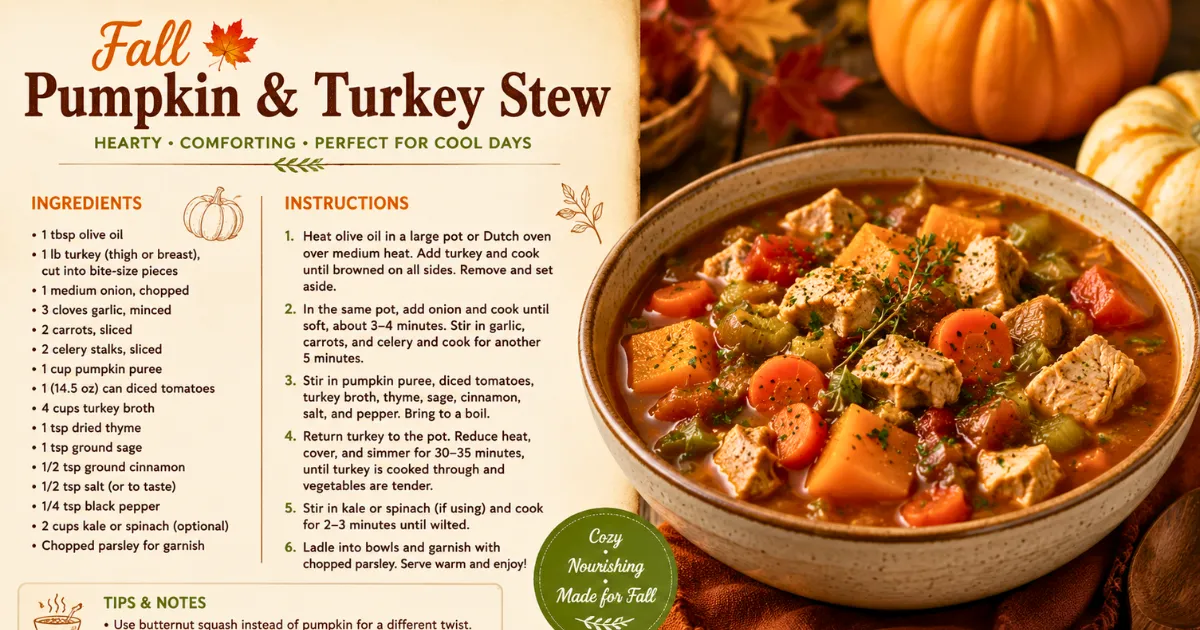
Fall Pumpkin & Turkey Stew - Seasonal Immune Support
Heart fall stew featuring pumpkin and antioxidant-rich berries that support immune function and provide warming nutrition as temperatures drop.
Ingredients
- Ground turkey 1.5 lbs (680g)
- Pumpkin puree (unsweetened) 2 cups
- Sweet potatoes, diced 2 cups
- Carrots, chopped 1 cup
- Cranberries, fresh or frozen ½ cup
- Low-sodium turkey broth 4 cups
- Cooked barley or oats 1 cup
- Turmeric powder ½ tsp
- Complete dog supplement As directed
Instructions
- In a large pot, cook ground turkey over medium heat until no longer pink. Drain excess fat.
- Add diced sweet potatoes, chopped carrots, and turkey broth to the pot.
- Bring to a boil, then reduce heat and simmer for 15 minutes.
- Add pumpkin puree and cranberries. Continue simmering for another 10-15 minutes until vegetables are tender.
- Remove from heat and stir in cooked barley/oats and turmeric powder.
- Allow to cool completely to room temperature.
- Once cooled, mix in complete dog supplement.
- Portion into meals. Store in refrigerator for up to 4 days or freeze individual portions.
Fall Benefits (per cup serving)
Winter Warming Recipes: Comfort & Immune Defense
Winter requires warming, calorie-dense recipes that support immune function and provide comfort during cold weather. These recipes feature warming spices and hearty ingredients.
Winter Warming Beef & Root Vegetable Stew for Dogs
Comfort Food
Winter Warming Beef & Root Vegetable Stew - Hearty Comfort Food
Hearty winter stew featuring beef and root vegetables that provides warming nutrition, supports joint health, and boosts immune function during cold weather.
Ingredients
- Beef stew meat, cubed 2 lbs (900g)
- Potatoes, diced 2 cups
- Carrots, chopped 2 cups
- Parsnips, chopped 1 cup
- Beef bone broth (low-sodium) 6 cups
- Green beans, chopped 1 cup
- Ginger, grated 1 tsp
- Cinnamon (small pinch) ¼ tsp
- Complete dog supplement As directed
Instructions
- In a large pot, brown beef cubes over medium-high heat (about 10 minutes).
- Add bone broth and bring to a boil. Reduce heat, cover, and simmer for 30 minutes.
- Add diced potatoes, chopped carrots, and parsnips. Continue simmering for 20 minutes.
- Add green beans, grated ginger, and cinnamon. Simmer for another 10 minutes.
- Remove from heat and allow to cool slightly (still warm but not hot).
- Using a slotted spoon, remove about half the solids and chop into smaller pieces for easier eating.
- Return chopped solids to the pot and mix well.
- Allow to cool completely to room temperature before adding supplement.
- Once cooled, mix in complete dog supplement. Portion and store.
Winter Benefits (per cup serving)
Winter Feeding Tips
- Serve slightly warmed - enhances aroma and comfort
- Increase portion sizes slightly for outdoor dogs (consult your vet)
- Monitor water intake - pets drink less in winter but still need hydration
- Consider joint supplements for older pets in cold weather
- Maintain regular feeding schedule - consistency supports metabolism
Holiday & Special Occasion Pet Treats
Create safe, festive treats for your pets during holidays and special occasions. These recipes avoid harmful ingredients commonly found in human holiday foods.
Pumpkin Pupcakes
Birthday-safe cupcakes with pumpkin and yogurt frosting
Christmas Cookies
Festive bone-shaped cookies with cranberry and mint
Birthday Cake
Grain-free cake with sweet potato and carob frosting
Frozen Yogurt Bites
Cooling summer treats with berries and coconut
Holiday Food Safety Warning
Never feed pets these holiday foods: chocolate, grapes/raisins, onions/garlic, xylitol (in sugar-free products), alcohol, rich/fatty meats, bones (especially cooked), nuts (especially macadamia), caffeine, yeast dough. Keep pets away from holiday buffets and secure trash cans. If you suspect your pet has eaten something toxic, contact your veterinarian or ASPCA Animal Poison Control immediately.
Seasonal Transition Guide: Changing Diets Safely
Transitioning between seasonal recipes should be gradual to prevent digestive upset. Follow this 7-10 day transition plan when introducing new seasonal ingredients.
25% New Seasonal Food
Mix new seasonal recipe with current food at 1:3 ratio. This allows digestive enzymes to adjust to new ingredients while monitoring for any adverse reactions.
50% New Seasonal Food
Equal parts old and new food. Watch for changes in energy, coat quality, and stool consistency. Adjust transition speed if needed.
75% New Seasonal Food
Three parts new seasonal food to one part old. Continue monitoring. Most pets adjust well by this stage if transitioned gradually.
100% Seasonal Diet
Complete transition to new seasonal recipes. Continue rotating ingredients within the season for nutritional variety and to prevent food sensitivities.
My Seasonal Transition Tips
Based on years of helping pets transition between seasonal diets, I recommend these strategies:
- Overlap seasons - Start introducing spring ingredients in late winter, etc.
- Maintain protein consistency - Keep primary protein source similar when possible
- Monitor closely - Keep a food journal to track reactions to new ingredients
- Use probiotics - Especially helpful during dietary transitions
- Be patient - Some pets need 2-3 weeks for full transition, especially sensitive individuals
Remember that seasonal eating is flexible. If a particular seasonal ingredient doesn't agree with your pet, substitute with another in-season option.
Seasonal Pet Food FAQs
How do I adjust seasonal recipes for different climates?
Climate adaptation is key to successful seasonal pet feeding. Here's my approach:
- Hot climates: Emphasize cooling ingredients year-round (cucumber, watermelon, mint) and increase hydration
- Cold climates: Focus on warming foods (root vegetables, bone broth, warming spices) even in "cooler" seasons
- Humid climates: Include ingredients that support skin health (omega-3s, zinc) and avoid excessively rich foods
- Dry climates: Prioritize hydration and moisture-rich ingredients in all seasons
- Variable climates: Adjust recipes based on current weather rather than calendar season
The key is observing your pet's response. If they seem too warm or cold, adjust ingredients accordingly. Resources from local agricultural extensions (usda.gov) provide regional growing calendars.
Can I use frozen or canned seasonal ingredients?
Absolutely! Frozen and canned ingredients can be excellent options for seasonal cooking:
- Frozen vegetables/fruits: Often frozen at peak ripeness, retaining 90-95% of nutrients. Ideal for out-of-season months. Choose plain frozen items without added salt, sugar, or sauces.
- Canned pumpkin: Ensure it's 100% pumpkin, not pumpkin pie filling. Rich in fiber and beta-carotene year-round.
- Canned fish: Look for packed in water with no added salt. Excellent source of omega-3s.
- Canned vegetables: Choose low-sodium or no-salt-added varieties. Rinse before using to reduce sodium further.
- Preservation methods: Consider home freezing, canning, or dehydrating seasonal produce for year-round use.
My general rule: Fresh when in season, frozen or canned when not. This maintains nutritional variety while being practical and cost-effective.
How do seasonal needs differ for dogs vs. cats?
Dogs and cats have different seasonal needs due to their biological differences:
- Hydration: Cats have lower thirst drives year-round, so summer recipes should be extra moisture-rich for felines
- Protein requirements: Cats are obligate carnivores needing consistent high protein in all seasons
- Temperature tolerance: Most dogs tolerate cold better than cats; winter recipes for cats should be especially warming
- Metabolic changes: Dogs often show more pronounced seasonal metabolic shifts than cats
- Supplement needs: Cats require taurine year-round, while dogs synthesize their own
- Texture preferences: Cats often prefer pâté consistency in all seasons, while dogs accept more variety
Despite these differences, both species benefit from seasonal eating. The key is adapting recipes to meet each species' specific nutritional requirements while incorporating seasonal ingredients.
What if my pet has food allergies or sensitivities?
Seasonal cooking can actually benefit pets with food sensitivities through careful ingredient selection:
- Identify safe seasonal alternatives: If allergic to common proteins (chicken, beef), try seasonal options like rabbit, venison, or fish when available
- Rotate within tolerance: Many pets tolerate rotation of 3-4 different protein sources, reducing sensitivity development
- Novel protein seasons: Spring and fall often offer more unusual protein options at farmers markets
- Vegetable substitutions: If sensitive to common vegetables, each season offers alternatives (example: replace carrots with parsnips in winter)
- Work with your vet: Create a seasonal ingredient safe list based on allergy testing or elimination diets
- Preparation methods: Some pets tolerate cooked but not raw versions of certain ingredients
Seasonal eating's variety can help prevent developing new sensitivities by regularly changing ingredients, but always introduce new foods gradually and monitor for reactions.
How do I store seasonal pet food safely?
Proper storage is crucial for seasonal pet food safety:
- Refrigeration: Store prepared seasonal food in airtight containers for 3-4 days
- Freezing: Portion into seasonal meal sizes and freeze for 2-3 months. Label with date and season.
- Seasonal batch cooking: Prepare larger batches when ingredients are abundant and affordable, then freeze
- Thawing: Always thaw in refrigerator overnight, never at room temperature
- Seasonal preservation: Consider freezing, canning, or dehydrating seasonal produce for year-round use
- Summer precautions: In hot weather, don't leave food out >30 minutes. Consider smaller, more frequent meals.
- Winter considerations: In cold climates, you may need to warm refrigerated food slightly before serving
I recommend having a seasonal meal prep day each week or month when seasonal ingredients are at their peak and most affordable.
How much do seasonal changes affect portion sizes?
Seasonal activity changes often warrant portion adjustments:
- Summer: May need fewer calories if less active due to heat, but maintain protein for muscle preservation
- Winter: Outdoor pets may need 10-20% more calories to maintain body temperature
- Spring/Fall: Typically peak activity seasons - may need increased portions
- Monitoring method: Use Body Condition Score (BCS) monthly rather than fixed portions
- Indoor pets: Less affected by temperature but still experience seasonal metabolic changes
- Senior pets: May need seasonal adjustments to joint supplements (more in cold months)
- Working dogs: Significant seasonal variation based on work schedule and conditions
The best approach: Weigh your pet monthly and adjust portions to maintain ideal body condition. Seasonal recipes naturally help with this - summer recipes are often lower in calories, winter recipes more calorie-dense.