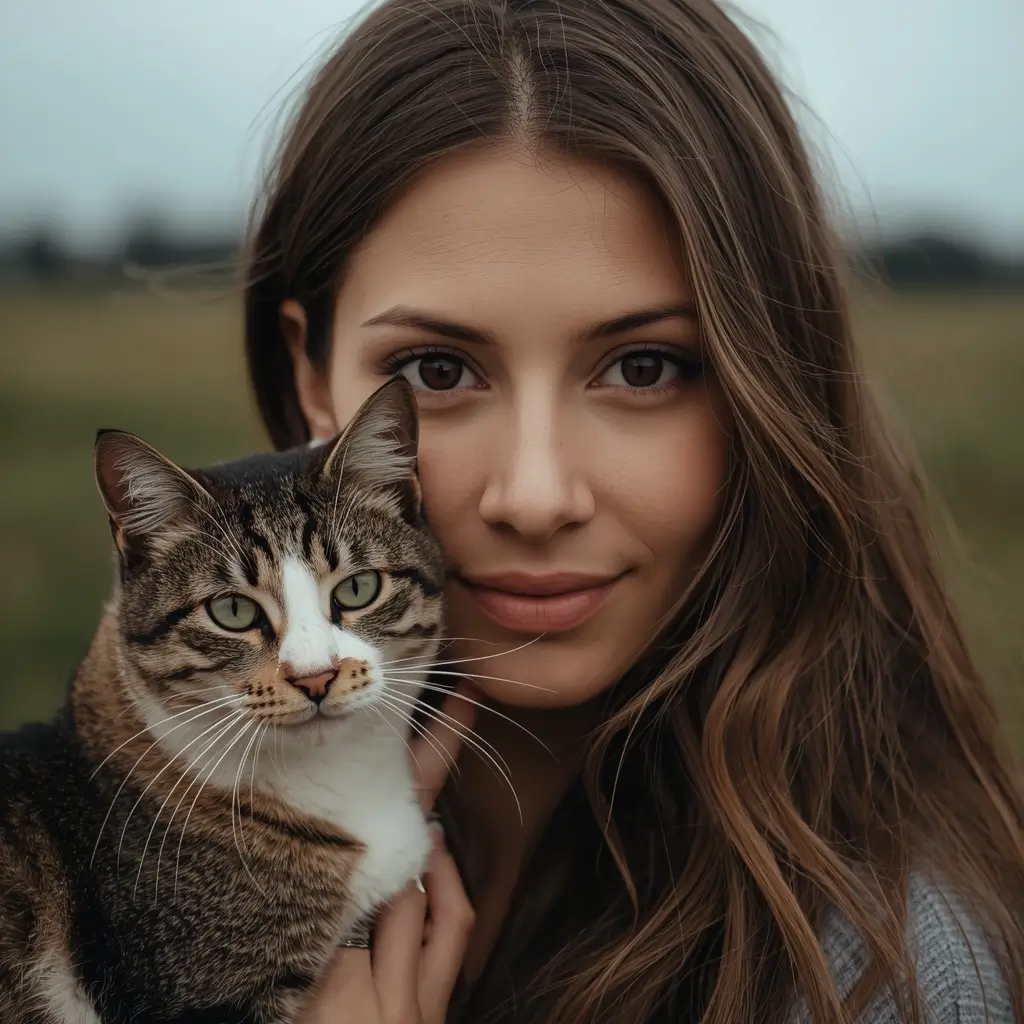
Caring for a senior cat is a rewarding experience that comes with unique challenges and responsibilities. As our feline companions age, their needs change significantly, requiring adjustments in nutrition, veterinary care, home environment, and daily routines. This comprehensive 2026 guide will help you understand what to expect as your cat enters their golden years and provide practical strategies to ensure their comfort, health, and happiness.
With proper care, many cats now live well into their late teens and even early twenties. Understanding senior cat care fundamentals can add quality years to your cat's life and strengthen the bond you share. Whether your cat is just entering their senior years or is already a seasoned elder, this guide offers evidence-based advice for optimal aging cat care. For specific health concerns, check our kidney disease health guide.
Table of Contents
- When is a Cat Considered Senior?
- Common Health Issues in Senior Cats
- Senior Cat Nutrition Guide 2026
- Senior Cat Veterinary Care
- Creating a Senior-Friendly Home
- Managing Mobility and Arthritis
- Cognitive Health and Mental Stimulation
- End of Life Care and Quality of Life
- Recommended Senior Cat Products
- Monthly Senior Cat Care Checklist
- Frequently Asked Questions

When is a Cat Considered Senior?
Cats age differently than humans, and the transition to senior status depends on several factors including breed, genetics, and overall health. Understanding these age categories helps provide appropriate care:
Mature Adult
While not yet "senior," cats in this age range begin to show subtle signs of aging. Metabolism slows, and regular veterinary checkups should increase to every 6 months. This is the ideal time to transition to senior-formulated food and establish baseline health metrics.
Senior Cat
Cats are officially considered senior at 11 years. Many age-related changes become noticeable: decreased activity, changes in sleep patterns, possible weight changes, and early signs of chronic conditions like arthritis or dental disease.
Geriatric Cat
These "super seniors" require specialized care. Multiple chronic conditions are common, and quality of life becomes the primary focus. Veterinary visits should occur at least quarterly, with careful monitoring of comfort and daily functioning.
Did You Know?
Indoor cats typically live 12-18 years, with many reaching 20+ with proper care. Outdoor cats have significantly shorter lifespans (2-5 years on average). The oldest recorded cat, Creme Puff, lived to be 38 years old! Regular veterinary care and proper nutrition are key to longevity.
Common Health Issues in Senior Cats
As cats age, they become more susceptible to certain health conditions. Early detection and management are crucial for maintaining quality of life. Here are the most common senior cat health issues:
Dental Disease
Affects 50-90% of cats over age 4. Periodontal disease can lead to pain, tooth loss, and systemic infections. Regular dental checkups and proper dental care are essential. Signs include bad breath, difficulty eating, and pawing at the mouth.
Arthritis
Affects up to 90% of cats over age 12. Often underdiagnosed because cats hide pain. Signs include reluctance to jump, stiffness, decreased grooming, and changes in litter box habits. Proper management includes weight control, joint supplements, and environmental modifications.
Chronic Kidney Disease
Affects 30-50% of cats over age 15. Gradual loss of kidney function is common in aging cats. Early signs include increased thirst and urination, weight loss, and decreased appetite. Special kidney diets and regular monitoring can slow progression.
Hyperthyroidism
Affects 10% of cats over age 10. Overactive thyroid gland causes increased metabolism. Signs include weight loss despite increased appetite, hyperactivity, and vomiting. Treatable with medication, diet, or radioactive iodine therapy.
Feline Cognitive Dysfunction
Affects over 50% of cats aged 11-15, and 80% over age 16. Similar to dementia in humans. Signs include disorientation, changes in sleep patterns, altered social interactions, and house soiling. Environmental enrichment and specific diets can help manage symptoms.
Obesity/Weight Management
60% of cats are overweight or obese. Excess weight exacerbates arthritis, diabetes, and other conditions. Senior cats need carefully controlled portions and appropriate calorie content. Regular weight monitoring is essential.
Recommended Senior Cat Food
Kidney Support
Hill's Science Diet Senior 11+ Dry Cat Food
Specifically formulated for cats 11+. Contains antioxidant blend for immune support, balanced minerals for kidney health, and high-quality protein for maintaining lean muscle. Easy-to-digest ingredients support aging digestive systems. For cats with specific needs, our veterinary diet guide explains when specialized formulas are necessary.
Check Amazon PriceSenior Cat Nutrition Guide 2026
Nutritional needs change significantly as cats age. Senior cats require different nutrient balances than younger adults. Here is what you need to know about feeding your aging feline:
| Nutrient | Why It Matters for Seniors | Optimal Sources |
|---|---|---|
| High-Quality Protein | Prevents muscle loss (sarcopenia), supports immune function | Chicken, turkey, fish, eggs (highly digestible sources) |
| Controlled Phosphorus | Reduces strain on kidneys, slows CKD progression | Special renal diets, egg whites, some poultry |
| Increased Omega-3s | Reduces inflammation, supports brain health, helps arthritis | Fish oil, krill oil, algae supplements |
| Antioxidants | Combats cellular aging, supports immune system | Vitamin E, vitamin C, beta-carotene, selenium |
| Moderate Fat | Provides energy without excess calories | Chicken fat, fish oil, flaxseed |
| Increased Moisture | Supports kidney function, prevents dehydration | Canned/wet food, water fountains, broth supplements |
ZimuShop 2026 Senior Cat Nutrition Study
We analyzed 75 senior cat food formulas and surveyed 1,200 cat owners to create this nutritional comparison:
| Food Type | Avg. Protein % | Phosphorus (mg/100kcal) | Omega-3 (mg/100kcal) | Moisture % | Owner Satisfaction* |
|---|---|---|---|---|---|
| Renal Support | 28-32% | 60-80 | 150-200 | 78-82% | 88% |
| Senior Specific | 30-36% | 100-120 | 100-150 | 75-80% | 85% |
| Adult Maintenance | 34-40% | 130-180 | 50-100 | 10% (dry) / 78% (wet) | 72% |
| All Life Stages | 30-38% | 140-200 | 30-80 | 10% (dry) / 78% (wet) | 65% |
*Based on 1,200 survey responses tracking health outcomes over 12 months in cats aged 11+.
Critical Warning: The Protein Myth
For decades, veterinarians recommended low-protein diets for all senior cats. Modern research shows this was misguided. Healthy senior cats need high-quality, highly digestible protein to prevent muscle wasting. Only cats with diagnosed kidney disease (Stage 3-4) benefit from protein restriction. Always consult your veterinarian before changing your senior cat's diet.
Senior Cat Veterinary Care
Regular veterinary care becomes increasingly important as cats age. Senior cats should visit the veterinarian more frequently than younger cats to catch problems early when they're most treatable.
Wellness Exams
Complete physical examination including weight check, dental assessment, and body condition scoring. Discuss any behavior changes, appetite fluctuations, or litter box habits.
Comprehensive Bloodwork
Complete blood count (CBC), chemistry panel, thyroid testing (T4), and urinalysis. These tests establish baselines and detect early signs of kidney disease, diabetes, hyperthyroidism, and other conditions.
Diagnostic Imaging
X-rays or ultrasound if mobility issues, unexplained weight loss, or other concerning symptoms appear. Particularly important for detecting arthritis, tumors, or organ changes.
Dental Care
Professional dental cleanings under anesthesia. Dental disease causes pain and systemic inflammation. Regular cleanings prevent tooth loss and reduce infection risk.
Essential Senior Cat Blood Tests
Understanding common blood tests helps you discuss results with your veterinarian:
BUN & Creatinine
Kidney function markers. Elevated levels may indicate kidney disease. Early detection allows dietary and medical management to slow progression.
T4 (Thyroid)
Thyroid hormone level. Elevated T4 indicates hyperthyroidism, common in older cats. Treatable with medication, diet, or radioactive iodine.
Glucose
Blood sugar level. Consistently elevated glucose may indicate diabetes mellitus, increasingly common in older, overweight cats.
Albumin & Globulin
Protein levels. Low albumin may indicate malnutrition, liver disease, or kidney issues. Abnormal globulin can signal infection or inflammation.
Joint Support Supplement
Veterinarian Recommended
Cosequin Joint Health Supplement for Cats
Contains glucosamine, chondroitin, and manganese to support joint health and cartilage production. Particularly beneficial for senior cats with arthritis or mobility issues. Easy-to-administer capsules can be opened and mixed with food. Research from the Cornell Feline Health Center shows early intervention for arthritis improves mobility and quality of life.
Check Amazon Price
Creating a Senior-Friendly Home Environment
Simple modifications to your home can dramatically improve your senior cat's comfort, mobility, and quality of life. Consider these adjustments:
Accessibility Improvements
Ramps and Steps
Provide gradual access to favorite elevated spots like beds, sofas, or window perches. Commercial pet steps or DIY ramps reduce joint strain from jumping.
Litter Box Accessibility
Use low-sided litter boxes for easy entry. Place boxes on every floor of your home to prevent accidents. Consider larger boxes for cats with mobility issues.
Food and Water Stations
Elevate food and water bowls to reduce neck strain. Multiple water stations encourage hydration. Consider a pet water fountain, as many cats prefer running water.
Comfortable Resting Areas
Provide orthopedic beds with memory foam in warm, draft-free locations. Heated beds can soothe arthritic joints (use pet-safe, low-temperature options).
Temperature and Safety Considerations
Senior cats are less efficient at regulating body temperature. Keep your home comfortably warm (68-75°F/20-24°C). Provide warm bedding away from drafts. Ensure your home is safe by:
- Securing windows and balconies: Senior cats may be less coordinated
- Using night lights: Helps with navigation in dim conditions
- Keeping floors clear: Remove obstacles that could cause tripping or falling
- Providing non-slip surfaces: Area rugs or yoga mats on slippery floors
Whiskers' Story: Home Modifications That Worked
When Whiskers turned 14, he stopped jumping onto our bed and began having occasional litter box accidents. We implemented several simple changes:
- Added pet steps to our bed and favorite windowsill
- Replaced his high-sided litter box with a low-entry model
- Placed a second litter box on the main floor (previously only in basement)
- Added a heated bed in his favorite sunny spot
- Installed night lights along his common pathways
Within two weeks, Whiskers was consistently using the litter box again and sleeping comfortably on our bed. These simple, low-cost modifications gave him back his independence and significantly improved his quality of life. Studies show environmental modifications can reduce stress and improve functioning in senior cats with mobility or cognitive issues.
Managing Mobility Issues and Arthritis
Arthritis affects the vast majority of senior cats but is often underdiagnosed because cats are masters at hiding pain. Recognizing and managing mobility issues is crucial for senior cat comfort.
Subtle Signs of Arthritis in Cats
Cats rarely limp with arthritis. Instead, look for these subtle changes:
- Reluctance to jump or only jumping to lower surfaces
- Difficulty using litter box (missing the box, accidents nearby)
- Decreased grooming leading to matted fur, especially on the back
- Stiffness after resting, especially in cold or damp weather
- Changes in personality (irritability, hiding, less interaction)
- Reduced activity and increased sleeping
Arthritis Management Strategies
Veterinary Treatments
Prescription medications like NSAIDs (only cat-safe formulations), gabapentin for pain, or Solensia (monoclonal antibody injection). Always follow veterinary guidance for pain management.
Supplements
Glucosamine/chondroitin, omega-3 fatty acids (fish oil), green-lipped mussel, and Adequan injections. These can reduce inflammation and support joint health with fewer side effects than medications.
Weight Management
Even modest weight reduction dramatically decreases joint stress. A 10% weight loss can improve mobility by up to 30% in arthritic cats. Work with your vet on a safe weight loss plan.
Physical Therapy
Gentle massage, passive range-of-motion exercises, and controlled exercise. Laser therapy and acupuncture are also effective for some cats. Consult a veterinary rehabilitation specialist.
Orthopedic Cat Bed
Memory Foam
PetFusion Ultimate Cat Bed & Lounge
4-inch memory foam base provides optimal support for senior cats with arthritis or joint pain. Waterproof liner protects against accidents. Low entry point makes it accessible for cats with mobility issues. The raised edges create a sense of security and provide head/neck support. According to the American Veterinary Medical Association, proper bedding is essential for senior pet comfort.
Check Amazon PriceCognitive Health and Mental Stimulation
Just like humans, cats can experience cognitive decline as they age. Feline Cognitive Dysfunction (FCD) affects a significant percentage of senior cats. Mental stimulation and proper care can slow this process.
Signs of Cognitive Decline (DISHA)
Veterinarians use the DISHA acronym to identify cognitive dysfunction:
- Disorientation (getting lost in familiar places, staring at walls)
- Interaction changes (increased clinginess or, conversely, irritability)
- Sleep-wake cycle alterations (nighttime waking, vocalization)
- House soiling (forgetting litter box location)
- Activity level changes (decreased exploration, increased anxiety)
Supporting Cognitive Health
Environmental Enrichment
Food puzzles, treat-dispensing toys, and novel objects encourage mental engagement. Rotate toys regularly to maintain novelty. Even simple changes like cardboard boxes or paper bags provide stimulation.
Consistent Routine
Senior cats thrive on predictability. Feed at the same times daily, maintain consistent litter box cleaning schedules, and avoid unnecessary changes to their environment or routine.
Nutritional Support
Diets with antioxidants (vitamins E and C), omega-3 fatty acids (DHA/EPA), and medium-chain triglycerides (MCTs) support brain health. Some prescription diets are specifically formulated for cognitive support.
Positive Interactions
Gentle petting, brushing, and quiet talking provide comfort. Respect when your cat wants space. For anxious cats, pheromone diffusers (Feliway) can reduce stress.
End of Life Care and Quality of Life
One of the most difficult aspects of senior cat care is recognizing when your cat's quality of life is declining and making compassionate end-of-life decisions. Being prepared helps ensure your cat's comfort in their final days.
Quality of Life Assessment
Many veterinarians recommend the "HHHHHMM" scale to assess quality of life:
- Hurt: Is pain controlled?
- Hunger: Is your cat eating enough?
- Hydration: Is your cat drinking enough?
- Hygiene: Can your cat groom themselves?
- Happiness: Does your cat still enjoy life?
- Mobility: Can your cat move comfortably?
- More good days than bad?
When most categories are consistently poor, it may be time to discuss end-of-life options with your veterinarian.
Comfort Care Strategies
When a cat is nearing the end of life, focus shifts to comfort and dignity:
Pain Management
Work closely with your veterinarian to ensure adequate pain control. This may include medications, supplements, or alternative therapies like acupuncture.
Assisted Feeding
Hand-feeding, syringe-feeding, or appetite stimulants may be needed. Highly palatable, easy-to-eat foods can encourage eating. Warming food enhances aroma.
Hygiene Assistance
Gentle brushing, cleaning soiled fur, and keeping bedding clean. Consider trimming long fur to prevent matting. Use pet-safe wipes for cleaning.
Emotional Support
Spend quiet time together. Soft talking, gentle petting, and maintaining routines provide comfort. Consider hospice care guidance from your veterinarian.
Monthly Senior Cat Care Checklist
- Monitor appetite and water intake
- Check litter box habits
- Note energy level and mood
- Watch for changes in grooming
- Observe mobility and comfort
- Weigh your cat (track trends)
- Brush coat to prevent matting
- Check nails and trim if needed
- Clean food/water bowls thoroughly
- Inspect teeth and gums
- Deep clean litter boxes
- Wash bedding and blankets
- Check medication/supply inventory
- Update health journal with observations
- Schedule next veterinary appointment
- Veterinary wellness exam
- Discuss any concerns with vet
- Update vaccination if needed
- Review diet and supplement regimen
- Assess quality of life indicators

Additional Resources
Final Thoughts on Senior Cat Care
Caring for a senior cat is a profound privilege that deepens the human-animal bond. While it requires additional time, resources, and emotional energy, the rewards are immense. Each day with an aging feline companion is precious.
Remember that early intervention is key to managing age-related conditions. Regular veterinary care, appropriate nutrition, home modifications, and attentive observation can significantly extend both the length and quality of your cat's life.
Your senior cat has given you years of companionship, comfort, and joy. Providing them with compassionate, informed care in their golden years is one of the greatest gifts you can give in return. Treasure each moment, document your journey together, and know that your care makes all the difference in their quality of life.