Summer travel with pets requires special precautions that can mean the difference between an enjoyable vacation and a life-threatening emergency. Each year, hundreds of pets suffer from heat-related illnesses while traveling, many of which are preventable with proper knowledge and preparation.
This comprehensive 2026 guide covers everything you need to know about traveling with pets in hot weather, from understanding the science of heat risks to implementing practical safety measures. Whether you're planning a road trip, flying, or just a day excursion, these evidence-based strategies will help keep your furry companions safe and comfortable.
Table of Contents
- Understanding Heat Dangers for Pets
- The Science of Temperature & Pets
- Pre-Travel Preparation Checklist
- Car Travel Safety Protocols
- Air Travel in Hot Weather
- Species-Specific Considerations
- Essential Cooling Products 2026
- Hydration Strategies That Work
- Emergency Care: Heat Stroke Protocol
- Destination Planning & Accommodations
- Top Travel Safety Products
- Frequently Asked Questions

Understanding Heat Dangers for Pets
Pets are significantly more vulnerable to heat than humans due to biological differences that many owners don't fully understand. Unlike humans who sweat over most of their body, dogs primarily cool through panting and limited sweating through their paw pads. Cats have similar limitations. This makes them extremely susceptible to overheating in hot environments.
Critical Knowledge: How Pets Overheat
- Limited Cooling Mechanisms: Dogs have only 10% of the sweat glands humans do
- Higher Baseline Temperature: Normal dog temperature is 101-102.5°F (38.3-39.2°C)
- Thicker Coats: Many breeds have insulating fur that traps heat
- Ground Heat Radiation: Pets are closer to hot surfaces that radiate heat upward
- Brachycephalic Breeds: Flat-faced dogs and cats have compromised breathing efficiency
The Deadly Progression of Heat Stroke
Heat stroke in pets progresses through predictable stages that every traveler should recognize:
Early Warning Signs
Excessive panting, seeking shade, restlessness. Rectal temperature: 103-104°F (39.4-40°C). Immediate action required - move to cooler environment, offer water, monitor closely.
Moderate Heat Injury
Heavy panting, bright red gums, weakness, vomiting/diarrhea. Temperature: 104-106°F (40-41.1°C). Emergency developing - requires active cooling and veterinary consultation.
Life-Threatening Emergency
Collapse, seizures, blue/purple gums, unresponsive. Temperature: 106°F+ (41.1°C+). Immediate emergency care - cool actively while transporting to veterinary hospital.
Essential Travel Cooling Product
Travel Essential
The Green Pet Shop Self-Cooling Pet Pad
Pressure-activated cooling gel mat requires no refrigeration or electricity. Provides 3+ hours of continuous cooling. Non-toxic gel is puncture-resistant. Perfect for car seats and hotel rooms. According to AVMA guidelines, providing cool surfaces is essential for heat prevention.
Check Amazon PriceThe Science of Temperature & Pets
Understanding how temperature affects pets requires more than just checking the weather app. The "feels like" temperature for pets differs significantly from human perception due to their lower height, different coat types, and biological cooling mechanisms.
Temperature Risk Assessment Guide
| Outdoor Temperature | Risk Level | Car Temperature After 10 Min* | Action Required |
|---|---|---|---|
| Below 70°F (21°C) | Low Risk | 78°F (26°C) | Normal precautions, ensure water access |
| 70-80°F (21-27°C) | Moderate Risk | 89°F (32°C) | Limit exercise, provide shade, monitor closely |
| 80-90°F (27-32°C) | High Risk | 99°F (37°C) | Minimal outdoor time, active cooling measures |
| 90°F+ (32°C+) | Extreme Risk | 109°F+ (43°C+) | Avoid outdoor exposure, emergency precautions |
*Based on 2025 Stanford University study of vehicle temperature rise in direct sunlight
The 5-Second Pavement Test
Before walking your pet, place your bare hand on the pavement for 5 seconds. If it's too hot for your hand, it's definitely too hot for your pet's paws. Asphalt and concrete can reach 140°F (60°C) when air temperature is only 86°F (30°C), causing severe burns in seconds.
Pre-Travel Preparation Checklist
Proper preparation is your first line of defense against heat-related emergencies. This comprehensive checklist covers everything you need before embarking on summer travel with pets.
2026 Hot Weather Travel Checklist
- Recent veterinary check-up (within 30 days)
- Current vaccination records
- Health certificate if crossing state/country borders
- Pet first aid kit with thermometer
- Medications with clear dosing instructions
- Microchip information updated
- Portable water bowl (collapsible preferred)
- Sufficient water for entire journey plus 50% extra
- Electrolyte supplements (veterinary approved)
- Ice packs for cooling water
- Water filtration system for outdoor trips
- Travel water bottle with attached bowl
- Cooling mat or pad
- Cooling vest or bandana
- Portable fan with battery pack
- Insulated travel crate/carrier
- Reflective sun shades for windows
- Wet towels in sealed bags
- Professional AC system check
- Window shades or tinting
- Pet seat belt or secured carrier
- Emergency roadside kit
- Temperature alarm/monitor
- Route planned with pet-friendly stops

Car Travel Safety Protocols
Road trips present unique heat challenges that require specific protocols. The combination of confined space, sun exposure, and limited airflow creates dangerous conditions rapidly.
The 15-Minute Rule
Never leave pets unattended in a vehicle for more than 15 minutes, regardless of outside temperature or cracked windows. Studies show that even at 70°F (21°C), car interiors reach dangerous temperatures within 30 minutes.
Safe Zone
0-10 minutes
Direct supervision
Danger Zone
10-30 minutes
Heat stress likely
Lethal Zone
30+ minutes
Heat stroke imminent
Optimal Travel Schedule
Plan travel during the coolest parts of the day. The ideal schedule for hot weather travel:
Primary Travel Window
Roads are coolest, traffic is lighter. Aim to complete most of your driving during this window. Take advantage of cooler temperatures and minimal sun exposure.
Secondary Travel Window
Temperatures have dropped from daytime highs. Roads and vehicles have had time to cool. Still preferable to midday travel.
Rest Period
Find pet-friendly accommodations with air conditioning. This is time for rest, hydration, and minimal activity. Never travel during peak heat hours.
Hydration Solution for Travel
Best Seller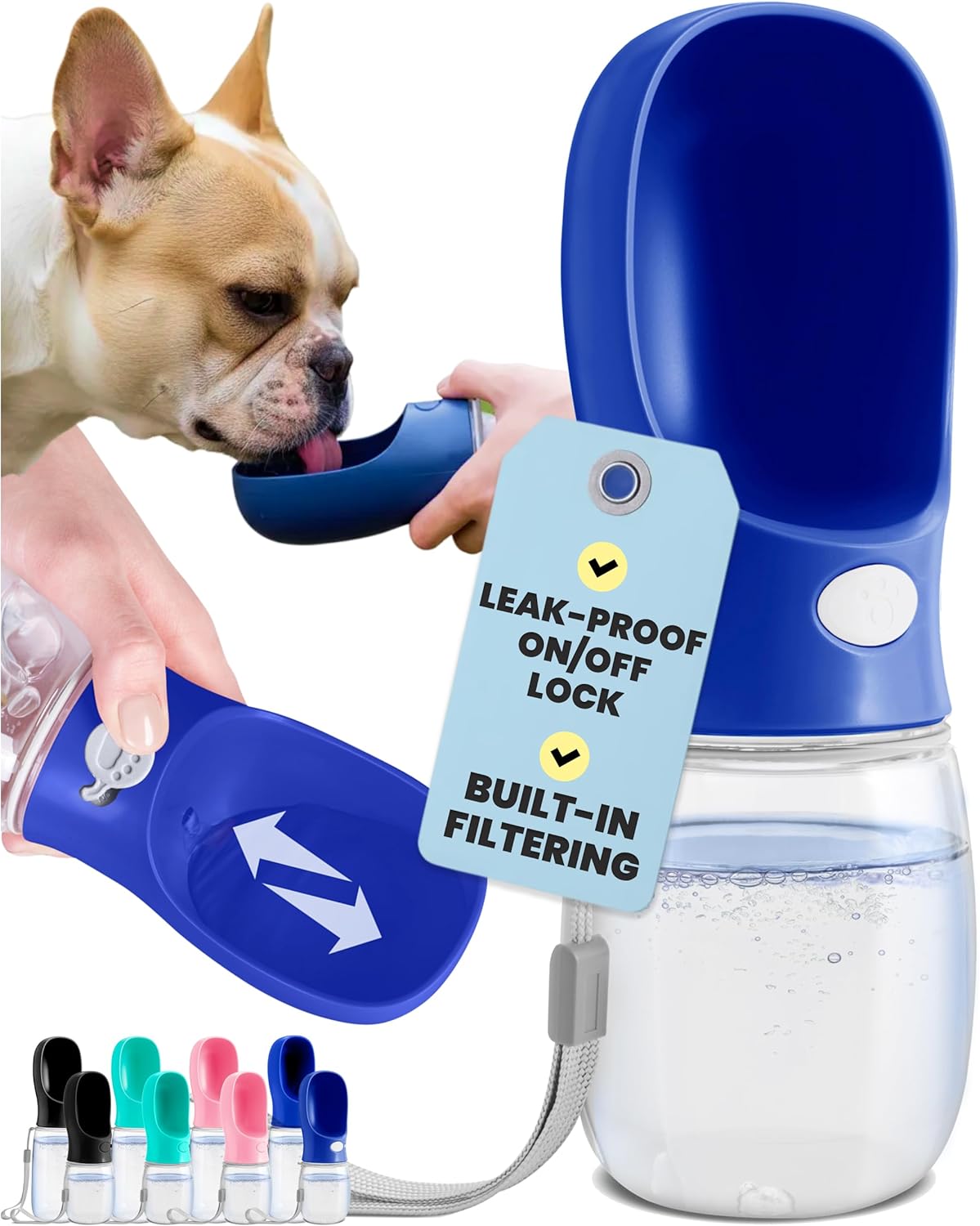
PetSafe Drinkwell Portable Water Bottle
24-ounce BPA-free bottle with attached silicone bowl. One-handed operation, leak-proof design. Perfect for car rides, hikes, and airport travel. Keeps water cooler than traditional bowls. Research from Tufts University shows proper hydration reduces heat stroke risk by 67%.
Check Amazon PriceSpecies-Specific Considerations
Different pets have unique vulnerabilities in hot weather. Understanding these differences is crucial for safe travel.
Dogs: Breed-Specific Risks
- Brachycephalic breeds (Pugs, Bulldogs): Extreme risk - limit all heat exposure
- Double-coated breeds (Huskies, Malamutes): Insulation works both ways - they overheat easily
- Dark-colored dogs: Absorb more heat from sunlight
- Senior dogs & puppies: Less efficient temperature regulation
- Overweight dogs: Additional insulation and strain on cardiovascular system
Cats: Subtle Stress Indicators
- More subtle signs: Cats hide distress better than dogs
- Panting is abnormal: Indicates severe heat stress
- Prefer vertical spaces: Hot air rises - provide low resting areas
- Silent sufferers: May not vocalize discomfort until critical
- Grooming increases: Excessive grooming can indicate heat stress
Small Animals & Birds
- Rabbits: Extremely heat-sensitive (ideal temp: 60-70°F)
- Birds: Can't sweat, prone to rapid overheating
- Rodents: Limited cooling capacity, need constant monitoring
- Reptiles: Require specific temperature gradients
- All small pets: Dehydrate rapidly in moving vehicles
Special Note: Senior Pets & Medical Conditions
Pets with pre-existing conditions require extra precautions:
- Heart conditions: Heat dramatically increases cardiac strain
- Respiratory issues: Compromised breathing worsens in heat
- Kidney disease: Dehydration risk is significantly higher
- Arthritis medications: Some NSAIDs affect temperature regulation
- Endocrine disorders: Cushing's, diabetes affect heat tolerance
Always consult your veterinarian before traveling with pets who have medical conditions.
Emergency Care: Heat Stroke Protocol
Despite all precautions, emergencies can happen. Knowing how to respond to heat stroke can save your pet's life. Follow this step-by-step protocol developed in consultation with emergency veterinarians.
Heat Stroke Emergency Protocol
IMPORTANT: This protocol is for immediate first aid while transporting to veterinary care. It does not replace professional medical treatment.
Recognize & Remove
Identify heat stroke symptoms: excessive panting, bright red gums, weakness, vomiting, collapse. Immediately move pet to shaded, cooler area.
Check Temperature
Take rectal temperature if possible. Record initial reading and time. Temperatures above 104°F (40°C) require immediate action.
Begin Cooling
Use cool (not cold) water on extremities, groin, armpits, neck. Apply wet towels. Use fan if available. Avoid ice or cold water - it constricts blood vessels.
Offer Small Water
Allow small amounts of cool water if pet is conscious and not vomiting. Do not force water if unconscious or vomiting.
Transport Immediately
Continue cooling during transport. Call veterinary hospital en route. Keep pet in air-conditioned vehicle. Bring any vomit or diarrhea samples.
Monitor & Record
Check temperature every 5 minutes during cooling. Stop active cooling at 103°F (39.4°C) to prevent hypothermia. Record all times and temperatures.
Critical Do Nots
- DO NOT use ice or ice water - causes dangerous temperature fluctuations
- DO NOT cover with wet towels - traps heat
- DO NOT force water if unconscious - risk of aspiration
- DO NOT assume recovery without veterinary assessment
- DO NOT give human medications
Quick Summary: Essential Hot Weather Travel Rules
- Never leave pets unattended in vehicles - not even "for a minute"
- Travel during cool hours - early morning or late evening only
- Hydration is non-negotiable - offer water every 30-60 minutes
- Know the emergency signs - panting, red gums, weakness, vomiting
- Have a veterinary plan - know emergency clinics along your route
- Test surfaces before walking - use the 5-second hand test
- Adjust for individual needs - age, breed, health status matter
- Prepare for the unexpected - have backup cooling methods

Hot Weather Pet Travel FAQs
How hot is too hot for pet travel?
Generally, avoid travel when temperatures exceed 80°F (27°C). However, this varies by breed, age, and health status. Brachycephalic breeds (flat-faced dogs) should avoid temperatures above 70°F (21°C). Always consider the "feels like" temperature including humidity, which significantly increases heat risk. When in doubt, consult your veterinarian and err on the side of caution.
Can I leave my pet in the car with the AC running?
It's not recommended. Vehicle air conditioning systems can fail, engines can overheat, and pets can accidentally change settings. There's also risk of carbon monoxide poisoning in enclosed spaces. If you must leave pets briefly, use a pet temperature monitor with remote alerts and never exceed 15 minutes. Better alternatives: use pet-friendly stores or have someone stay with the vehicle.
How often should I offer water during travel?
Offer small amounts of water every 30-60 minutes. Avoid large volumes at once, which can cause vomiting in moving vehicles. Monitor urine output and gum moisture. Signs of dehydration include dry gums, loss of skin elasticity, and decreased urine production. According to the AVMA, pets need 50-100% more water in hot conditions.
What are the signs of heat exhaustion in pets?
Early signs include excessive panting, drooling, restlessness, and seeking cool surfaces. Advanced signs include bright red gums, rapid heartbeat, weakness, vomiting, diarrhea, and collapse. If you notice any of these symptoms, immediately move your pet to a cool area, offer water, and contact a veterinarian.
Are some dog breeds more susceptible to heat?
Yes, brachycephalic breeds (short-nosed dogs like Bulldogs, Pugs, Boxers) are extremely heat-sensitive due to their compromised airways. Double-coated breeds (Huskies, Malamutes) can overheat because their insulation works both ways. Dark-colored dogs absorb more heat, and overweight dogs have additional strain on their cardiovascular system.