As a veterinary nutritionist with over 12 years of experience specializing in alternative canine diets, I've guided hundreds of pet parents through the transition to vegetarian and vegan dog food. This comprehensive 2026 guide combines scientific research with practical experience to help you make informed decisions about plant-based nutrition for dogs. Learn about essential nutrients, balanced recipes, necessary supplements, and monitoring strategies for dogs thriving on vegetarian diets.
In my practice, I've seen dogs flourish on well-planned vegetarian diets when their nutritional needs are met through careful formulation. This guide covers everything from protein alternatives for dogs to essential supplements and monitoring parameters. For dogs with specific meat allergies or ethical considerations, a properly balanced vegetarian diet can be a healthy alternative. Remember to always consult with your veterinarian before making dietary changes.
Table of Contents

Can Dogs Thrive on Vegetarian Diets?
Unlike cats, which are obligate carnivores, dogs are facultative carnivores – they can survive on plant-based diets when properly formulated. However, vegetarian dog nutrition requires careful planning to avoid deficiencies. Based on current research from AVMA and my clinical experience, here are key considerations:
Veterinary Perspective
In my practice, I recommend vegetarian diets primarily for dogs with specific meat allergies, ethical considerations, or certain health conditions. Healthy dogs can thrive on well-balanced vegetarian diets, but they require closer monitoring and proper supplementation. Always work with a veterinary nutritionist to ensure nutritional adequacy.
Good Candidates
- Adult dogs with meat allergies
- Dogs with certain kidney conditions
- Ethical/religious considerations
- Adults (not puppies or pregnant/lactating)
Poor Candidates
- Growing puppies
- Pregnant/lactating females
- Dogs with high energy needs
- Certain medical conditions
- Picky eaters
Scientific Research Summary
According to studies published in PubMed and veterinary journals, well-formulated vegetarian diets can meet canine nutritional requirements. Key findings include:
- Protein digestibility: Plant proteins are 70-90% digestible vs 90-95% for animal proteins
- Amino acid profiles: Must combine complementary plant proteins
- Vitamin B12: Essential supplement for vegetarian dogs
- Long-term studies: Limited but growing evidence of safety
- Individual variation: Some dogs adapt better than others
Complete Lentil & Vegetable Stew
Nutritionally Complete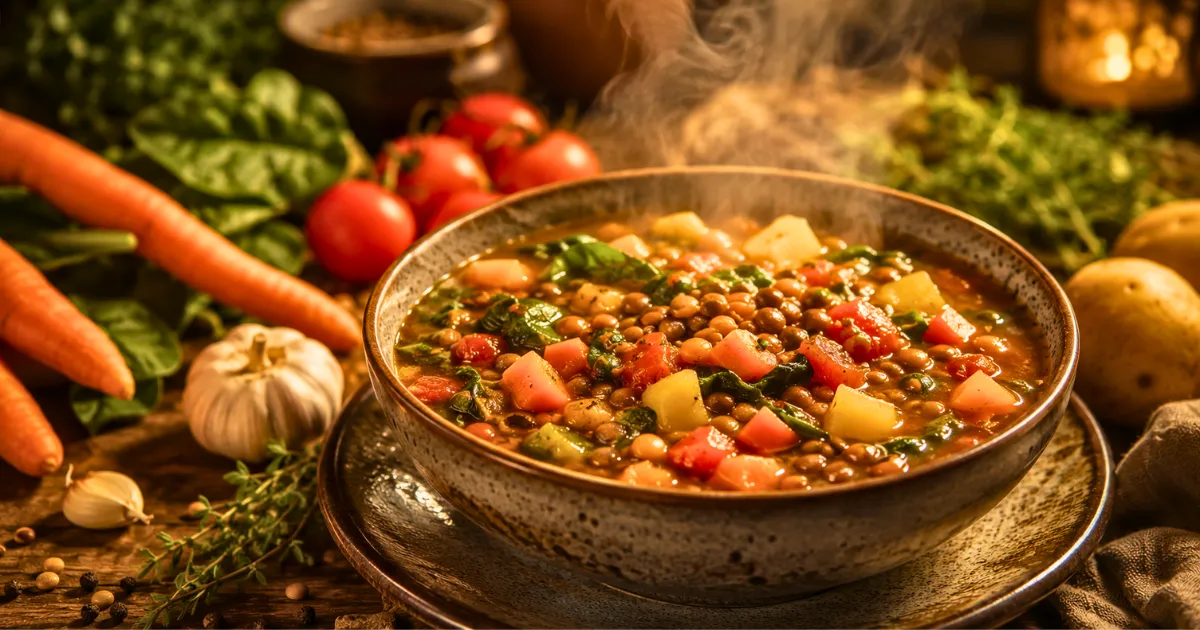
Complete Protein Lentil & Vegetable Stew
Nutritionally complete vegetarian recipe providing all essential amino acids through complementary plant proteins. Perfect for dogs transitioning to vegetarian diets.
Ingredients
- Brown lentils 1 cup
- Quinoa ½ cup
- Sweet potatoes, diced 2 cups
- Carrots, chopped 1 cup
- Green peas 1 cup
- Spinach, chopped 2 cups
- Nutritional yeast 2 tbsp
- Flaxseed oil 1 tbsp
- Vegetable broth (low sodium) 4 cups
Instructions
- Rinse lentils and quinoa thoroughly under cold water.
- In a large pot, combine lentils, quinoa, and vegetable broth. Bring to a boil.
- Reduce heat to simmer, add sweet potatoes and carrots. Cook for 20 minutes.
- Add green peas and spinach, continue cooking for 10 minutes.
- Remove from heat and stir in nutritional yeast and flaxseed oil.
- Allow to cool completely before serving. Store in refrigerator for up to 5 days.
Nutritional Information (per 1 cup serving)
Essential Nutrients for Vegetarian Dogs
Vegetarian dogs require special attention to these critical nutrients that are abundant in meat but limited in plants:
Vitamin B12
Essential supplement: Not found in plant foods. Required for nerve function and red blood cell production. Daily supplementation is mandatory for vegetarian dogs.
Complete Proteins
Complementary proteins: Combine grains (rice, quinoa) with legumes (lentils, beans) to provide all essential amino acids dogs cannot synthesize.
Calcium & Phosphorus
Bone health minerals: Plant sources have poor bioavailability. Supplement with calcium carbonate or other absorbable forms in proper 1.2:1 ratio.
Omega-3 Fatty Acids
Anti-inflammatory fats: ALA from flaxseed must be converted to EPA/DHA. Consider algal oil supplements for direct DHA/EPA source.
Critical Supplement Checklist
Based on my clinical experience, every vegetarian dog diet MUST include:
- Vitamin B12: 25-100 mcg daily depending on dog size
- Calcium: 100 mg per 100 kcal of food (balanced with phosphorus)
- Taurine: 500-1000 mg daily (synthetic or from algae)
- L-carnitine: 250-500 mg daily for heart health
- Complete amino acid supplement or properly combined proteins
- Vitamin D3: From lichen or synthetic sources
Always consult with your veterinarian for specific dosage recommendations based on your dog's needs.
Plant-Based Protein Sources for Dogs
Understanding plant protein quality and digestibility is crucial for vegetarian dog nutrition. Here are the best options based on research and clinical experience:
| Protein Source | Protein % | Digestibility | Best Combined With | Notes |
|---|---|---|---|---|
| Lentils | 25% | 85% | Rice, quinoa | Excellent fiber source, low cost |
| Quinoa | 14% | 90% | Beans, lentils | Complete protein, contains all essential amino acids |
| Chickpeas | 19% | 80% | Rice, wheat | Good mineral content, may cause gas |
| Soy Protein | 90% | 95% | Any grain | Most complete plant protein, controversial |
| Nutritional Yeast | 50% | 85% | Any meal | Adds B vitamins, palatability enhancer |
Quinoa & Black Bean Power Bowl
High Protein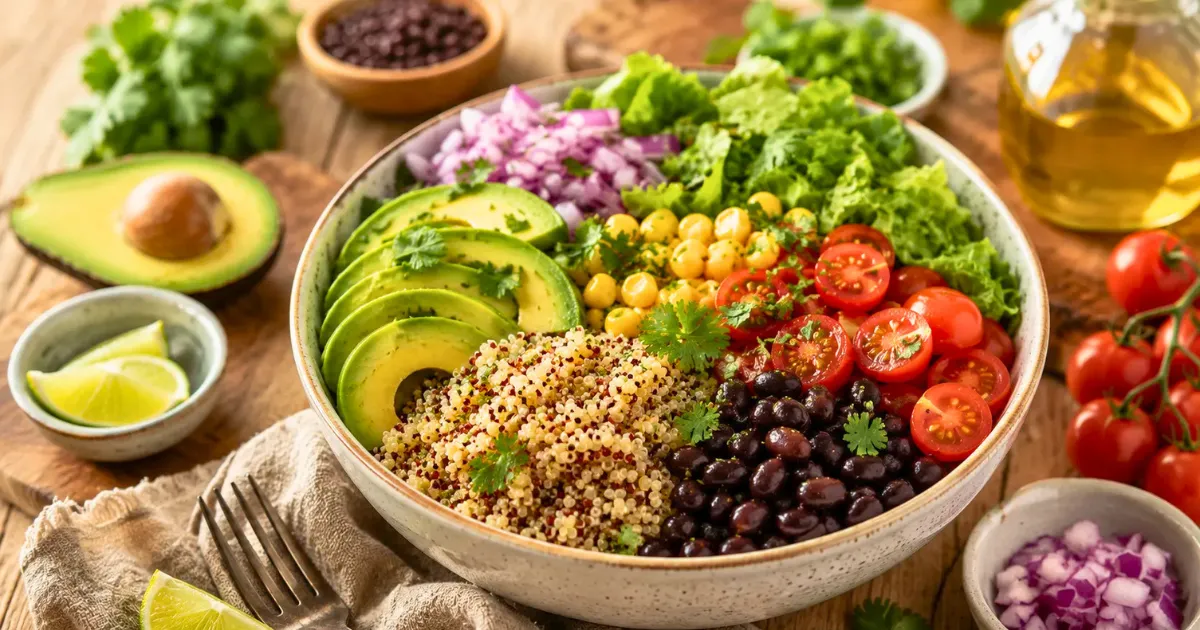
Quinoa & Black Bean Complete Protein Bowl
Complete protein combination providing all essential amino acids. Rich in fiber and antioxidants for optimal digestive health.
Ingredients
- Quinoa 1 cup
- Black beans (cooked) 2 cups
- Sweet potato, mashed 1 cup
- Carrots, grated 1 cup
- Zucchini, grated 1 cup
- Nutritional yeast 3 tbsp
- Flaxseed meal 2 tbsp
- Algal oil 1 tsp
- Vegetable broth 3 cups
Instructions
- Rinse quinoa thoroughly. Combine with vegetable broth in a pot.
- Bring to a boil, then reduce heat and simmer for 15 minutes.
- Add mashed sweet potato, grated carrots and zucchini. Cook 10 more minutes.
- Stir in cooked black beans, nutritional yeast, and flaxseed meal.
- Remove from heat and mix in algal oil once cooled slightly.
- Cool completely before serving. Portion based on dog's weight.
Nutritional Information (per 1 cup serving)
Essential Supplements for Vegetarian Dogs
Even with perfectly balanced recipes, supplementation is non-negotiable for vegetarian dogs. Here are the critical supplements based on veterinary nutrition guidelines:
Vitamin B12 (Cobalamin)
Dosage: 25-100 mcg daily. Form: Methylcobalamin preferred. Importance: Critical for neurological function and red blood cell formation. Not found in plant foods.
Calcium & Phosphorus
Ratio: 1.2:1 calcium:phosphorus. Sources: Calcium carbonate, dicalcium phosphate. Importance: Bone health, nerve function, blood clotting.
Taurine & L-Carnitine
Taurine: 500-1000 mg daily. L-Carnitine: 250-500 mg daily. Importance: Heart health, vision, fat metabolism. Limited in plant foods.
Omega-3 (DHA/EPA)
Source: Algal oil. Dosage: 100-300 mg combined DHA/EPA daily. Importance: Brain function, anti-inflammatory, skin/coat health.
Supplement Safety Warning
Never guess supplement dosages! Over-supplementation can be as harmful as deficiencies. Key safety points:
- Consult a veterinary nutritionist for personalized supplement plan
- Use veterinary-grade supplements with guaranteed purity
- Monitor bloodwork regularly (every 6-12 months)
- Avoid human supplements with inappropriate additives
- Watch for interactions with medications or health conditions
Resources from ACVN provide guidelines for working with veterinary nutritionists.
Commercial Vegetarian Dog Food Options
For pet parents who prefer commercial options, several brands offer nutritionally complete vegetarian and vegan formulas. Here's my 2026 analysis of top options:
| Brand | Type | Protein Source | AAFCO Statement | Price (per lb) | Rating |
|---|---|---|---|---|---|
| V-Dog | Vegan Kibble | Pea Protein, Lentils | Complete & Balanced | $4.50 | |
| Natural Balance | Vegetarian Formula | Brown Rice, Oatmeal | Complete & Balanced | $3.75 | |
| Halo Vegan | Plant-Based Kibble | Chickpeas, Peas | Complete & Balanced | $4.25 | |
| Wild Earth | Clean Protein | Yeast Protein | Complete & Balanced | $5.00 | |
| Evolution Diet | Vegetarian | Soy Protein, Grains | Complete & Balanced | $3.50 |
Choosing Commercial Vegetarian Food
When selecting commercial vegetarian dog food, look for these indicators of quality:
- AAFCO Statement: Must say "complete and balanced for [life stage]"
- Veterinary Nutritionist Formulated: Preferably board-certified (DACVN)
- Third-Party Testing: Independent analysis for nutritional adequacy
- Appropriate Life Stage: Puppy, adult, or senior formulas
- Transparent Ingredient Sourcing: Clear protein sources and origins
- Company Reputation: History of quality and safety
Remember that even "complete" commercial foods may require additional taurine or B12 supplements for individual dogs.
Vegetarian Dog Food FAQs
Is vegetarian dog food safe for all dogs?
Vegetarian diets are not appropriate for all dogs. Based on current veterinary guidelines from WSAVA, vegetarian diets may be suitable for:
- Healthy adult dogs with careful monitoring
- Dogs with specific meat allergies confirmed by testing
- Ethical/religious considerations with veterinary supervision
NOT recommended for: Growing puppies, pregnant/lactating females, dogs with certain medical conditions (like DCM history), or working/athletic dogs with high energy needs. Always consult with a veterinary nutritionist before starting any vegetarian diet.
What are the most common deficiencies in vegetarian dogs?
In my clinical experience, the most common deficiencies in vegetarian dogs (without proper supplementation) are:
- Vitamin B12: Leads to anemia, neurological issues
- Taurine: Associated with dilated cardiomyopathy (DCM)
- L-Carnitine: Affects heart function and energy metabolism
- Complete Protein/Amino Acids: Especially methionine, lysine, tryptophan
- Calcium/Phosphorus imbalance: Affects bone health
- Vitamin D3: Plant sources (D2) are less effective than animal D3
- Iron (heme iron): Plant iron has lower bioavailability
Regular bloodwork (every 6-12 months) can detect deficiencies early. Resources from Tufts University provide excellent monitoring guidelines.
How much does homemade vegetarian dog food cost compared to meat-based?
Based on my cost analysis for clients, homemade vegetarian dog food typically costs 20-40% less than quality meat-based homemade diets, but supplements add significant cost. Monthly estimates for a 30lb dog:
- Basic ingredients: $40-60/month (lentils, grains, vegetables)
- Required supplements: $30-50/month (quality B12, taurine, etc.)
- Total vegetarian homemade: $70-110/month
- Meat-based homemade: $90-140/month
- Commercial vegetarian: $50-80/month
- Commercial meat-based: $60-100/month
The true cost includes veterinary consultations and regular bloodwork, which are essential for vegetarian dogs. Budget for 2-4 vet visits annually for monitoring.
Can puppies be raised on vegetarian diets?
Most veterinary nutritionists strongly advise against vegetarian diets for puppies. Growing puppies have specific nutritional requirements that are difficult to meet with plant-based diets:
- Higher protein requirements: 22-32% vs 18% for adults
- Critical calcium:phosphorus ratio: Essential for bone development
- Rapid growth phase: Little margin for error in nutrition
- Developmental needs: Brain, vision, immune system development
- Limited research: Almost no studies on vegetarian puppy diets
The AVMA and other veterinary organizations generally recommend against vegetarian diets for puppies. If ethically necessary, work with a board-certified veterinary nutritionist and plan for very close monitoring including frequent growth measurements and bloodwork.
How do I transition my dog to a vegetarian diet safely?
Based on my transition protocols, follow this 4-week gradual transition plan:
25% New, 75% Old
Mix 1 part vegetarian food with 3 parts current food. Monitor stool quality and appetite closely. Begin basic supplements (B12).
50% New, 50% Old
Equal parts old and new food. Add digestive enzymes or probiotics if needed. Monitor energy levels.
75% New, 25% Old
Three parts vegetarian to one part old. Begin full supplement regimen as directed by your veterinarian.
100% Vegetarian
Complete transition. Schedule baseline bloodwork with your veterinarian. Continue all supplements.
Stop transition immediately if: Diarrhea/vomiting persists more than 2 days, appetite decreases significantly, or energy levels drop noticeably. Consult your veterinarian.
What health monitoring is required for vegetarian dogs?
Regular veterinary monitoring is essential for vegetarian dogs. My recommended monitoring schedule:
- Monthly: Weight checks, body condition scoring, appetite/energy monitoring
- Every 3 months: Complete physical exam, urinalysis
-
Every 6 months: Full blood panel
including:
- CBC (complete blood count)
- Chemistry panel (liver/kidney function)
- Total protein/albumin
- Vitamin B12 levels
- Taurine levels (if available)
- Annually: Complete cardiac evaluation (especially for large breeds), possibly echocardiogram
- As needed: Fecal tests, additional nutrient panels based on symptoms
Keep a health journal tracking appetite, energy, stool quality, and any changes. Share this with your veterinarian at each visit. Resources from ACVN provide detailed monitoring protocols.
Health Monitoring for Vegetarian Dogs
Essential Health Parameters to Monitor
When feeding a vegetarian diet, monitor these parameters closely:
- Body Condition Score: Maintain ideal 4-5/9 score
- Coat Quality: Should be shiny, not dry or flaky
- Energy Levels: Consistent, appropriate for age/breed
- Stool Quality: Firm, well-formed, regular
- Appetite: Consistent, enthusiastic eating
- Water Consumption: Normal for diet and activity level
- Urine pH: Plant-based diets may alter urine pH
Red flags requiring veterinary attention: Weight loss, lethargy, poor coat quality, decreased appetite, vomiting/diarrhea, weakness, or changes in behavior.