Starting an aquarium doesn't have to drain your wallet. With the right planning and smart choices, you can create a stunning underwater ecosystem for less than you might think. This comprehensive 2026 budget guide will show you exactly how to set up a beautiful, healthy aquarium without breaking the bank.
Many beginners make the mistake of overspending on unnecessary equipment or buying cheap, low-quality items that need replacing within months. Our guide focuses on value-driven decisions that balance cost with quality, ensuring your aquarium thrives while keeping expenses manageable. Whether you're interested in a small desktop nano tank or a larger community aquarium, these budget principles apply.
Table of Contents
- Budget Aquarium Myth Busting
- Complete Budget Breakdown
- Tank Size vs. Cost Analysis
- Essential Equipment Guide
- 27 Money-Saving Tips
- Affordable Equipment Recommendations
- Monthly Maintenance Costs
- Budget-Friendly Plants & Fish
- DIY & Alternative Solutions
- 3-Month Budget Timeline
- Interactive Budget Calculator
- Frequently Asked Questions

Budget Aquarium Myth Busting
Before we dive into the numbers, let's address common misconceptions about budget aquariums:
Common Budget Myths Debunked
- Myth: Smaller tanks are cheaper to maintain
- Reality: Nano tanks require more stability, often costing more in equipment
- Myth: Used equipment always saves money
- Reality: Old filters/heaters may be inefficient, raising electricity costs
- Myth: The bigger the tank, the higher the cost
- Reality: Larger volumes are more stable, reducing fish loss and chemical costs
The key to successful budget aquarium keeping is understanding that initial cost doesn't equal long-term expense. Investing in quality essentials upfront saves money on replacements, medication, and fish loss. According to the Aquarium Co-Op's beginner guide, proper setup prevents 80% of common aquarium problems.
Recommended Budget Aquarium Kit
Best Value
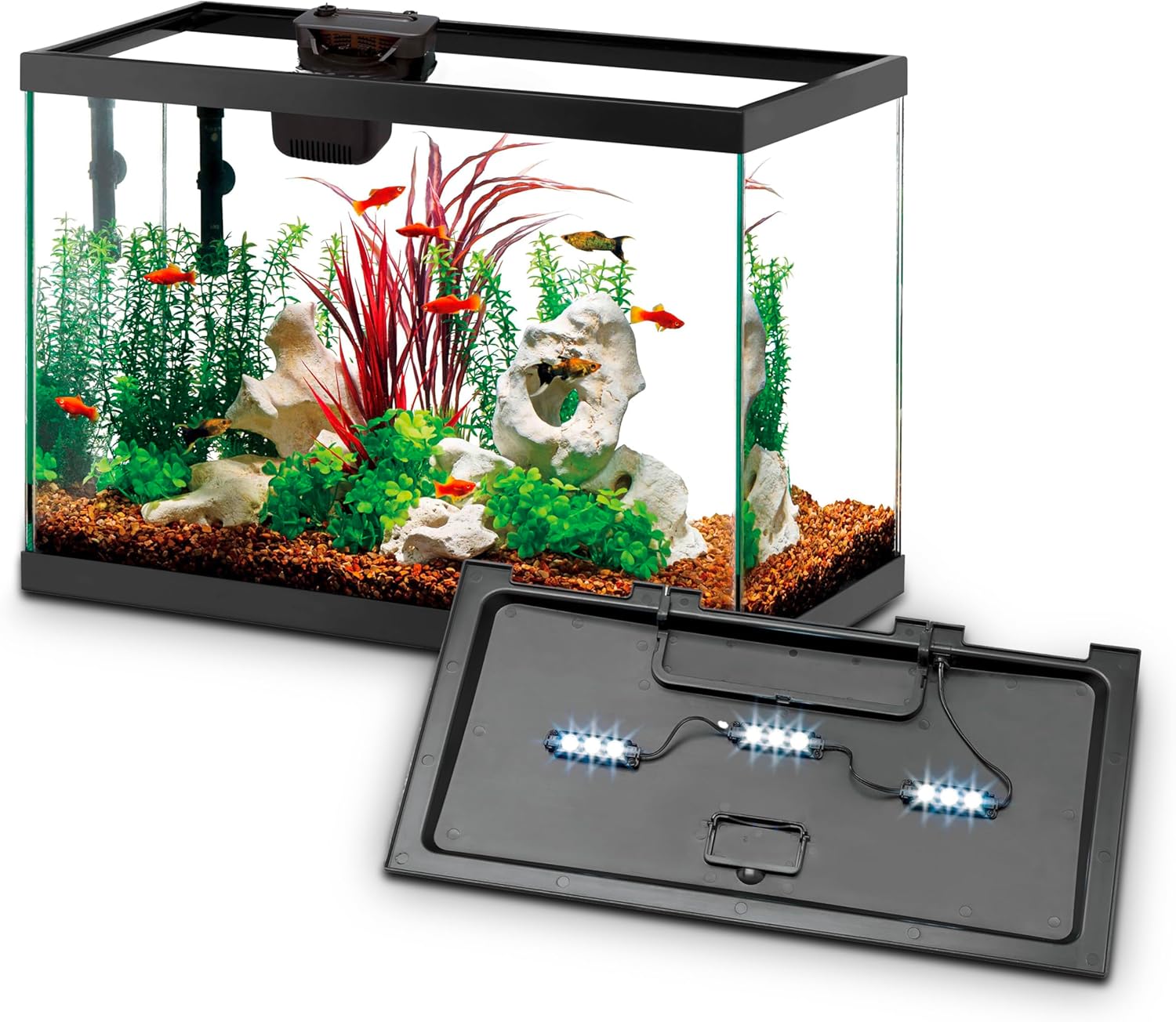
Aqueon 10 Gallon LED Aquarium Starter Kit
Complete 10-gallon setup includes LED hood, QuietFlow filter, heater, fish food, water conditioner, and net. Perfect for beginners looking for an all-in-one solution. For larger setups, see our 20-gallon community tank guide.
Check Amazon PriceComplete Budget Breakdown: Where Your Money Goes
Let's break down exactly what you need and how much each component costs. This 2026 pricing reflects current market rates for quality budget equipment:
Tank & Stand
Most important investment. Don't skimp here. A sturdy tank prevents leaks and disasters. Look for standard sizes (10g, 20g, 29g) for best prices.
Tip: Used tanks often need resealing ($20-40 extra)
Filtration System
Essential for water quality. Hang-on-back (HOB) filters offer best value. Aim for filter rated 20-30% above tank volume for optimal performance.
Monthly filter media: $5-10
Heater & Thermometer
Required for tropical fish. 3-5 watts per gallon. Adjustable heaters worth extra cost. Digital thermometer more accurate than stick-on.
Annual electricity: $15-30
Lighting
Basic LED sufficient for most setups. Planted tanks need stronger lighting. Timer saves electricity and regulates algae growth.
LED lifespan: 5+ years
ZimuShop 2026 Budget Analysis
We compared startup costs across different tank sizes to find the sweet spot for budget-conscious aquarists:
| Tank Size | Total Startup Cost | Monthly Cost* | Best For | Value Score |
|---|---|---|---|---|
| 5 Gallon (Nano) | $120-180 | $15-25 | Betta/Shrimp | 6/10 |
| 10 Gallon | $150-220 | $18-28 | Beginner Community | 9/10 |
| 20 Gallon Long | $200-300 | $22-35 | Small Community | 8/10 |
| 29 Gallon | $250-350 | $25-40 | Medium Community | 7/10 |
| 55 Gallon | $400-600 | $40-60 | Large Community/Cichlids | 6/10 |
*Monthly costs include electricity, water conditioner, food, filter media, and 10% for incidentals.
27 Money-Saving Tips for Aquarium Hobbyists
These practical tips can save you hundreds of dollars over your aquarium's lifetime:
Smart Shopping
- Buy during Petco's dollar-per-gallon sales
- Use price tracking tools like CamelCamelCamel
- Subscribe & Save on Amazon for recurring items
- Check local aquarium society auctions
Equipment Savings
- Clean filter media instead of replacing
- Use sponge filters for breeding tanks
- DIY LED lighting with waterproof strips
- Make your own aquarium stand from plywood
Plant & Fish Economics
- Start with fast-growing stem plants
- Trade trimmings with local hobbyists
- Buy juvenile fish; they're cheaper
- Quarantine to avoid disease treatment costs
Energy Efficiency
- Use timers for lights (8-10 hours daily)
- Insulate tank backs in winter
- Keep room temperature stable
- Choose LED over fluorescent lighting
Don't Skimp on These!
While saving money is important, these areas require quality investments:
- Water Conditioner: Cheap brands may not remove chloramines
- Test Kits: Liquid test kits are more accurate than strips
- Heaters: Non-adjustable heaters can cook your fish
- Quarantine Tank: $20 setup saves hundreds in treatments

Essential Equipment Guide: What You Really Need
Filtration Systems on a Budget
Filtration is your aquarium's life support system. Here's how to choose economically:
| Filter Type | Cost Range | Best For | Maintenance Cost/Month | Energy Use |
|---|---|---|---|---|
| Sponge Filter | $8-25 | Breeding tanks, shrimp | $0.50 | Very Low |
| Hang-on-Back (HOB) | $25-60 | Most community tanks | $2-5 | Low |
| Internal Filter | $15-40 | Small tanks, hospital tanks | $1-3 | Low |
| Canister Filter | $80-200 | Heavily stocked/planted tanks | $5-10 | Medium |
Filter Media Hack
Instead of buying expensive filter cartridges, use these budget alternatives:
- Mechanical: Filter floss ($5 for 5-year supply)
- Biological: Aquarium sponge cut to size
- Chemical: Bulk activated carbon ($10/lb lasts years)
Rinse media in tank water during water changes, never replace all at once. This maintains beneficial bacteria while saving money.
Top Budget Filter
Editor's Choice
AquaClear 20 Power Filter
High performance HOB filter with customizable media baskets. Adjustable flow, quiet operation, and uses standard media instead of proprietary cartridges. Saves money long-term.
Check Amazon PriceLighting: Balancing Cost and Performance
Lighting needs vary dramatically based on your goals:
Low Light Plants
Anubias, Java Fern, Mosses
Basic LED strip sufficient
0.5-1.5 watts per gallon
Cost: $15-40
Medium Light Plants
Swords, Crypts, Stem Plants
Standard planted tank LED
1.5-3 watts per gallon
Cost: $40-100
High Light Plants
Carpets, Red Plants, Dwarf Baby Tears
High-output LED or T5HO
3+ watts per gallon
Cost: $80-200+
Budget Tip: Start with low-light plants and basic lighting. Upgrade later if you want more challenging species. A $30 Nicrew LED grows most beginner plants perfectly.
Monthly Maintenance Costs: What to Expect
Many beginners underestimate ongoing costs. Here's a realistic monthly breakdown for a 20-gallon community tank:
Water Changes & Testing
Cost: $3-5 weekly
• Water conditioner: $0.50
• Test strips: $0.75 (¼ of $3 strip)
• Electricity for pump: $0.25
• Time: 30 minutes
Filter Maintenance & Supplies
Cost: $10-15 monthly
• Filter media replacement: $3-5
• Fish food: $5-8 (quality flakes)
• Algae scraper pad: $0.50
• Water change equipment wear: $1
Equipment & Health Checks
Cost: $20-30 quarterly
• New filter impeller: $5-10
• Medications (preventative): $5
• Replacement bulbs/LEDs: $10-15
• Water test kit refills: $5
Major Replacements
Cost: $50-100 annually
• Heater replacement: $25-40
• Air pump replacement: $15-25
• Full test kit renewal: $20-35
• Net/tool replacements: $10
Annual Cost Summary
20-Gallon Community Tank
Weekly: $4 × 52 = $208
Monthly: $12 × 12 = $144
Quarterly: $25 × 4 = $100
Annual: $75 × 1 = $75
Total: $527/year or $44/month
This aligns with the PetMD annual fish care estimate of $500-600 for a medium aquarium.
Interactive Aquarium Budget Calculator
Estimate your startup and ongoing costs based on your planned setup:

Budget-Friendly Plants & Fish Recommendations
Choosing the right livestock keeps costs down through hardiness and easy care:
Top 5 Budget Fish
- Zebra Danios: $2-3 each, extremely hardy
- White Cloud Minnows: $2-4, cold water tolerant
- Corydoras Catfish: $3-6, excellent cleaners
- Platy/Molly: $3-5, livebearers (free babies!)
- Neon Tetras: $2-4, colorful schooling fish
Top 5 Budget Plants
- Java Fern: $5-10, grows anywhere
- Anubias: $8-15, low light champion
- Hornwort: $4-8, grows 1" per day
- Water Wisteria: $5-10, fast growing stem
- Java Moss: $5-10, carpet/shrimp haven
Avoid These as Beginners
- Discus: $40-100+, require perfect water
- African Cichlids: Aggressive, need special setup
- Saltwater Fish: 5-10x freshwater costs
- Freshwater Stingrays: $200+, need huge tanks
- Arowana: $100+, outgrow most homes
Beginner Plant Bundle
Low Light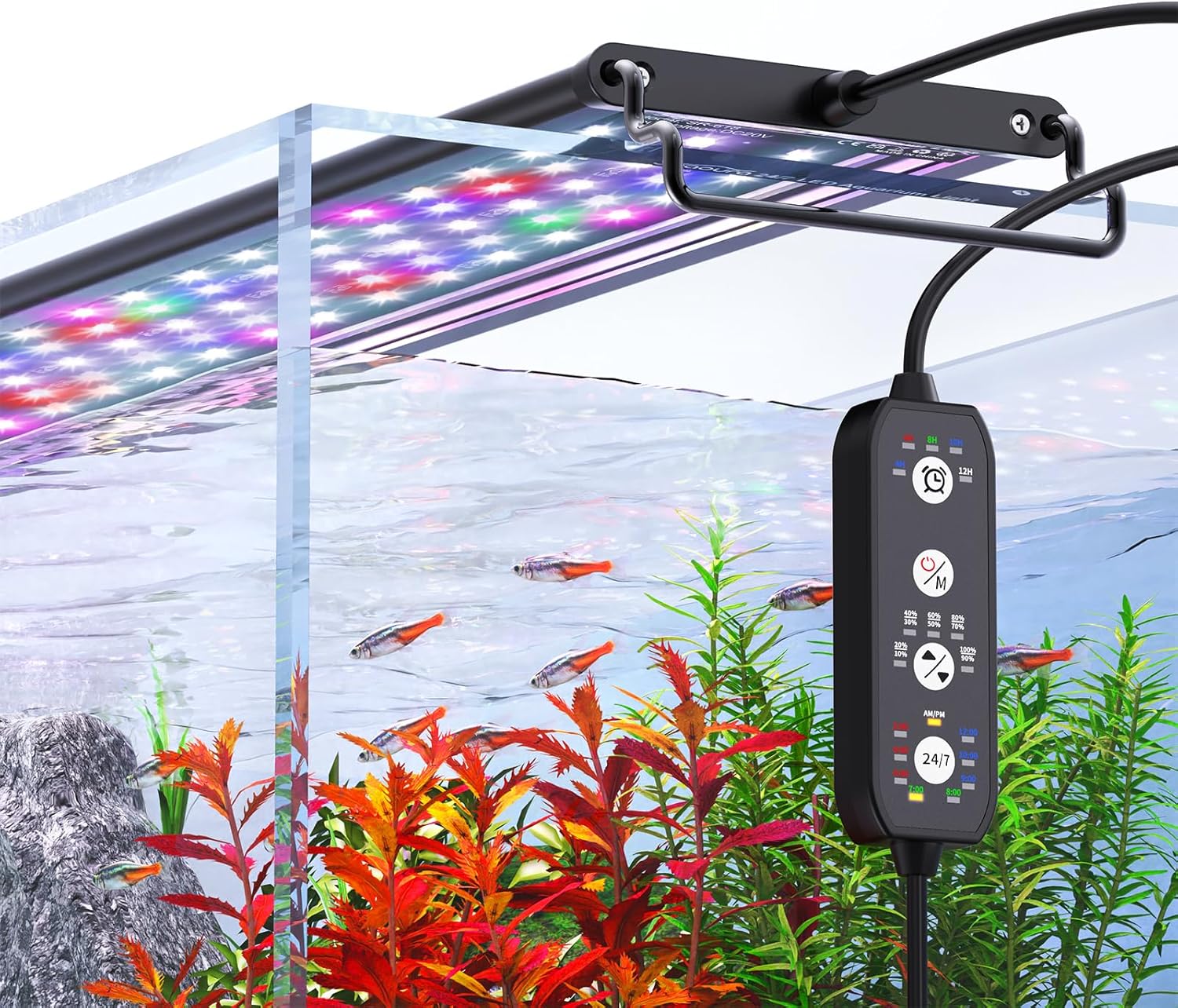
Low Light Aquarium Plant Bundle
Includes Java Fern, Anubias Nana, Java Moss, and Marimo Moss Ball. Perfect for beginners - no CO2 or high light needed. Grows in most water conditions. Research from the Tropica aquarium plant database shows these species survive in 95% of beginner setups.
Check Amazon PriceDIY & Alternative Solutions
With some creativity, you can save significantly on aquarium supplies:
- Cost: $40-60 vs $100-300
- Materials: 2×4 lumber, plywood, paint
- Time: 4-6 hours
- Weight capacity: Check aquarium weight charts
- PVC pipe hides: $5 vs $15-30
- Terracotta pot caves: $2 vs $10-20
- Driftwood: Collected free vs $20-50
- Rocks: Local quarry vs $2-5/lb
- Pool filter sand: $10/50lb vs $30
- Black diamond blasting sand: $8/50lb
- Organic potting soil cap: $5 vs $20+
- Rinse thoroughly before use
- Python-style DIY: $25 vs $60+
- Garden hose adapters: $10
- 5-gallon buckets: Reuse free
- Siphon: $8 vs $20-40 electric
DIY Safety Warnings
Some DIY projects pose risks:
- Never use household cleaners on aquarium equipment
- Avoid painted items unless aquarium-safe
- Test rock composition with vinegar (fizz = bad)
- Boil/soak collected wood for 2+ weeks
- Reinforce DIY stands for 2× tank weight
The Spruce Pets DIY aquarium guide offers safe project tutorials.
3-Month Budget Timeline: Phasing Your Expenses
Smart Spending Timeline
- Tank, stand, substrate: $100-150
- Filter, heater, thermometer: $50-75
- Water conditioner, test kit: $25-35
- Basic LED light: $15-30
- Total: $190-290
- Ammonia source (pure): $5
- Beginner plant bundle: $30-50
- Fertilizer (optional): $10-20
- Timer for lights: $8-15
- Total: $53-90
- First fish (6-8 small): $15-25
- Fish food (quality): $8-12
- Algae scraper: $5-10
- Net, tweezers: $8-15
- Total: $36-62
- Month 4: Additional plants/decor
- Month 5: Better lighting (if needed)
- Month 6: More fish/cleanup crew
- Always: Save for emergencies
The Emergency Fund
Every aquarist needs a $50-100 emergency fund for:
- Heater failure replacement (most common)
- Medication for disease outbreaks
- Extra water conditioner during tap issues
- Temporary housing if tank leaks
This prevents "I can't afford to fix it" situations that lead to fish loss and wasted investment.
Additional Resources
Final Budgeting Wisdom
Successful budget aquarium keeping comes down to three principles:
- Invest in reliability where failure means disaster (heater, filter, tank)
- Save on consumables through bulk buying and DIY alternatives
- Plan for the long term with an emergency fund and phased upgrades
Remember that the most expensive aquarium is the one that fails. A properly planned $300 setup outperforms a poorly planned $600 setup every time. Start simple, learn gradually, and let your aquarium evolve with your experience and budget.
Your journey into aquarium keeping should bring joy, not financial stress. With these budget strategies, you can enjoy this rewarding hobby regardless of your financial situation.