A bioactive reptile enclosure is more than just a cage it is a living, breathing ecosystem that mimics your reptile's natural habitat. By creating a self-sustaining environment with live plants, beneficial microorganisms, and a "clean-up crew" of invertebrates, you can dramatically improve your reptile's health, behavior, and quality of life. In this comprehensive 2026 guide, we will explore everything you need to know about bioactive setups.
Whether you are keeping bearded dragons, leopard geckos, ball pythons, or tropical geckos, a proper bioactive setup can reduce maintenance, eliminate odors, and provide mental stimulation for your reptile.
Table of Contents
- What Is a Bioactive Reptile Enclosure?
- Benefits of Bioactive Setups: Why Go Natural?
- Essential Components of a Bioactive Enclosure
- Step-by-Step Bioactive Setup Guide
- Best Plants for Bioactive Enclosures
- Species-Specific Bioactive Setups
- Bioactive Maintenance Schedule
- Common Problems and Solutions
- Cost Analysis: Traditional vs. Bioactive
- Top 5 Bioactive Setup Products
- Frequently Asked Questions

What Is a Bioactive Reptile Enclosure?
A bioactive reptile enclosure is a self-sustaining ecosystem that replicates the natural processes found in your reptile's wild habitat. Unlike traditional setups that require frequent cleaning and substrate changes, bioactive enclosures use living organisms to break down waste, recycle nutrients, and maintain soil health.
The core components of a bioactive setup include:
- Drainage layer: Prevents waterlogging and provides reservoir for excess moisture
- Soil barrier: Separates drainage layer from substrate (usually mesh or screen)
- Bioactive substrate: Living soil mixture with beneficial microorganisms
- Clean-up crew: Isopods and springtails that consume waste and mold
- Live plants: Species-appropriate vegetation that thrives in enclosure conditions
- Microfauna: Beneficial bacteria and fungi that complete the nutrient cycle
According to the ReptiFiles comprehensive reptile care guide, bioactive setups can significantly reduce stress in captive reptiles by providing environmental enrichment and natural behaviors. However, proper setup is crucial for success.
Did You Know?
The term "bioactive" comes from "biological activity." A truly bioactive enclosure maintains itself through biological processes, not just the presence of live plants. The clean-up crew population should naturally regulate itself based on available waste, creating a balanced ecosystem that requires minimal human intervention.
Live Plants & Leaf Litter
Provides cover, humidity, and natural foraging opportunities
Bioactive Soil Substrate
Living soil with beneficial microorganisms and clean-up crew
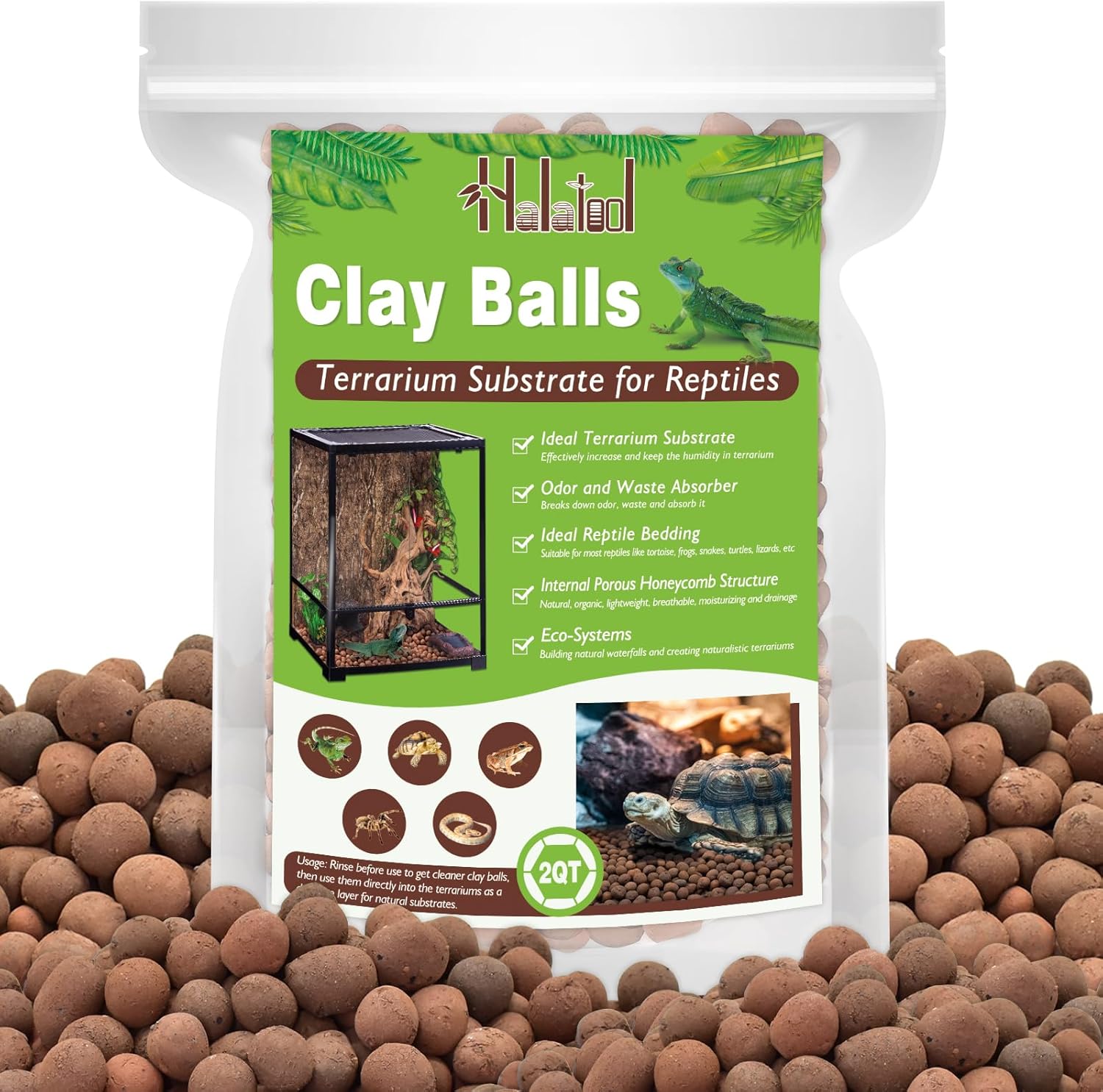
Drainage Layer (Hydroballs/LECA)
Collects excess water and prevents anaerobic conditions
Live Plants & Leaf Litter
Provides cover, humidity, and natural foraging opportunities
Bioactive Soil Substrate
Living soil with beneficial microorganisms and clean-up crew
Soil Barrier (Mesh/Screen)
Prevents soil from mixing into drainage layer
Drainage Layer (Hydroballs/LECA)
Collects excess water and prevents anaerobic conditions
Recommended Bioactive Starter Kit
Complete Setup
The Bio Dude Bioactive Starter Kit
Complete bioactive kit including Terra Sahara substrate, clean-up crew (isopods & springtails), leaf litter, and sphagnum moss. Perfect for arid species like bearded dragons and leopard geckos.
Check Amazon PriceBenefits of Bioactive Setups: Why Go Natural?
Transitioning to a bioactive enclosure offers numerous advantages over traditional reptile keeping methods. Here are the key benefits based on our 2026 research and keeper surveys:
Reduced Maintenance
70-90% less cleaning time. No more weekly substrate changes. The clean-up crew processes waste, and plants utilize nutrients. Spot cleaning may still be needed for large waste, but deep cleanings become annual rather than weekly.
Improved Reptile Health
Natural behaviors reduce stress. Digging, foraging, and exploring live plants provide mental stimulation. Better humidity regulation and natural microclimates support respiratory and skin health. Research from the Herpetological Conservation Center shows bioactive-housed reptiles have lower stress hormone levels.
Odor Elimination
No more reptile smell. Beneficial bacteria and clean-up crew break down waste before it can produce odors. Properly balanced bioactive enclosures smell like fresh soil after rain, not like animal waste.
Aesthetic Appeal
Living art installation. Bioactive enclosures are beautiful centerpieces that evolve over time. Watching plants grow and ecosystems develop adds another dimension to reptile keeping. Perfect for display in living areas.
ZimuShop 2026 Bioactive Survey Results
We surveyed 743 reptile keepers who switched to bioactive setups. Here are their reported improvements:
| Improvement Area | % Reporting Improvement | Average Time to Notice | Key Benefit Reported |
|---|---|---|---|
| Reduced Cleaning Time | 94% | Immediate | 2 hours → 15 minutes weekly |
| Reptile Activity Level | 87% | 2-4 weeks | More exploration and natural behaviors |
| Odor Control | 91% | 1-2 weeks | Eliminated "reptile room" smell |
| Vet Visit Reduction | 68% | 6+ months | Fewer respiratory and skin issues |
| Overall Satisfaction | 96% | 1 month | Would never return to traditional |
*Survey conducted January 2026 with reptile keepers using bioactive setups for 6+ months.
Essential Components of a Bioactive Enclosure
Creating a successful bioactive setup requires specific components working together. Here is what you need:
1. Drainage Layer (1-2 inches)
Purpose: Prevents waterlogging and creates a reservoir for excess moisture. Materials: Hydroballs (LECA), aquarium gravel, or specialized drainage layers. Pro tip: Use a false bottom or egg crate light diffuser for larger enclosures to increase water capacity.
2. Soil Barrier
Purpose: Separates drainage layer from substrate while allowing water passage. Materials: Fiberglass window screen, weed fabric, or commercial barrier mesh. Important: Must be non-toxic and fine enough to prevent soil particles from washing down.
3. Bioactive Substrate (3-6 inches)
The living heart of your enclosure. A basic recipe includes:
Organic Topsoil (60%)
Base of your substrate. Must be chemical-free and organic. Avoid soils with perlite or vermiculite, which can cause impaction if ingested.
Coconut Coir (20%)
Retains moisture and improves soil structure. Provides excellent root growth medium for plants. Buy brick form and rehydrate.
Play Sand (10%)
Improves drainage and provides grit for clean-up crew digestion. Use sterilized play sand, not construction sand.
Charcoal (5%)
Activated horticultural charcoal filters toxins and improves soil health. Helps prevent mold and bacterial blooms.
4. Clean-Up Crew
These invertebrates are essential for waste processing:
Powder Blue Isopods
Best for: Arid setups
Temp: 70-85°F
Notes: Fast breeding, excellent waste
processors
Dwarf White Isopods
Best for: Tropical setups
Temp: 75-85°F
Notes: Small, burrowing, great for small
spaces
Tropical Springtails
Best for: All setups
Temp: 70-85°F
Notes: Mold specialists, prevent fungal
outbreaks
Earthworms
Best for: Larger setups
Temp: 60-80°F
Notes: Aerate soil, process plant matter

Complete Clean-Up Crew Kit
Live Arrival Guaranteed
Josh's Frogs Clean-Up Crew Combo
Includes 25+ powder blue isopods and 8oz tropical springtail culture. Perfect starter colony for 20-40 gallon enclosures. Live arrival guaranteed with detailed care instructions.
Check Amazon PriceStep-by-Step Bioactive Setup Guide
Follow this 8-week timeline for a successful bioactive enclosure establishment:
Research and Gather Supplies
Determine your reptile's specific needs (arid vs. tropical). Purchase enclosure, lighting, heating, drainage materials, substrate components, and clean-up crew. Order plants appropriate for your climate zone. For lighting guidance, see our UVB and plant growth lighting guide.
Install Drainage and Barrier
Add 1-2 inches of drainage material. Cover with soil barrier (window screen works well). Test drainage by pouring water it should collect in the bottom without soaking the barrier. Allow excess to drain if using a drainage port.
Mix and Add Bioactive Soil
Mix substrate components thoroughly. Add 3-6 inches depending on species (more for burrowers). Slope substrate for visual interest and to create microclimates. Mist lightly to achieve "soil brownie" consistency damp but not soggy.
Add Hardscape and Plants
Place hardscape (cork bark, rocks, branches) before planting. Add plants, being careful not to damage roots. Water plants thoroughly and add leaf litter layer. Begin regular lighting cycle (12-14 hours daily for most setups).
Add Microfauna
Release isopods and springtails. Provide supplemental food for first month (fish flakes, powdered spirulina, leaf litter). Monitor population establishment. Mist as needed to maintain humidity for crew.
Establish Biological Balance
Allow enclosure to cycle without reptile. Add small amounts of waste (or substitute like dried shrimp) to feed clean-up crew. Monitor mold outbreaks springtails should control them. Test temperature and humidity gradients.
Final Transition
Acclimate reptile gradually. Monitor behavior and adjust temperatures if needed. Continue supplemental feeding for clean-up crew until waste production is sufficient. Begin regular maintenance schedule.
Common Setup Mistakes to Avoid
- Insufficient drainage: Leads to anaerobic conditions and root rot
- Wrong plant selection: Plants that require different humidity/temperature than your reptile
- Introducing reptile too soon: Ecosystem needs 4-8 weeks to establish
- Overfeeding clean-up crew: Causes population explosions and mold
- Using toxic materials: Certain woods, soils, or decor can harm your reptile
- Inadequate lighting: Plants need proper spectrum and intensity to thrive
Always research each component thoroughly before adding to your enclosure. When in doubt, consult reputable sources like the Herpetological Center's bioactive database.
Best Plants for Bioactive Enclosures
Plant selection is crucial for bioactive success. Choose species that match your reptile's climate needs and can withstand occasional trampling or nibbling.
For Arid Setups
Bearded Dragons, Leopard Geckos
• Aloe Vera
• Haworthia
• Snake Plant
• Ponytail Palm
• Burro's Tail
Key: Drought-tolerant, well-draining soil
For Tropical Setups
Crested Geckos, Dart Frogs
• Pothos
• Philodendron
• Ficus pumila
• Bromeliads
• Nerve Plant
Key: High humidity, moderate light
For Forest Setups
Ball Pythons, Boas
• ZZ Plant
• Dracaena
• Spider Plant
• Peace Lily
• Chinese Evergreen
Key: Low to moderate light, sturdy
Plants to Avoid
Toxic or Problematic
• Ivy (toxic)
• Dieffenbachia (toxic)
• Ferns (most require too much humidity)
• Succulents in tropical setups (rot)
• Plants with thorns/spines
Always verify plant safety before introduction.
Species-Specific Bioactive Setups
Different reptiles have unique requirements. Here are tailored recommendations for popular species:
| Species | Substrate Depth | Clean-Up Crew | Key Plants | Special Considerations |
|---|---|---|---|---|
| Bearded Dragon | 4-6 inches | Powder Blues, Dwarfs | Aloe, Haworthia, Grasses | Basking area 100-110°F, arid plants only |
| Leopard Gecko | 3-4 inches | Powder Oranges, Springtails | Snake Plant, Echeveria | Moist hide essential, avoid overly humid |
| Crested Gecko | 3-5 inches | Tropical Springs, Dwarf Whites | Pothos, Philodendron, Bromeliads | Vertical space, 70-80% humidity |
| Ball Python | 4-6 inches | Powder Blues, Springs | ZZ Plant, Dracaena, Pothos | Heavy bodies can uproot plants |
| Blue Tongue Skink | 6-8 inches | Giant Canyons, Springs | Spider Plant, Hardy Grasses | Strong diggers, secure plant roots |
Case Study: Apollo's Bearded Dragon Paradise
When I converted Apollo's 4x2x2 enclosure to bioactive, the transformation was remarkable:
- Before: Weekly full cleanings, constant odor, Apollo glass-surfing daily
- Setup: 5" Terra Sahara substrate, powder blue isopods, aloe and snake plants
- Week 2: Apollo began digging and exploring immediately
- Month 1: No more glass surfing, natural basking/feeding behaviors emerged
- Month 3: Plants established, clean-up crew thriving, zero odor
- Month 6: Only maintenance: spot cleaning, plant trimming, occasional watering
Automatic Misting System
Tropical Setups
MistKing Starter Misting System
Professional misting system with timer, pump, tubing, and nozzles. Essential for tropical bioactive setups requiring consistent humidity. Adjustable spray patterns and duration.
Check Amazon PriceBioactive Maintenance Schedule
While bioactive enclosures require less work than traditional setups, they still need regular attention. Here is your maintenance checklist:
Monthly Bioactive Maintenance Tasks
- Check temperatures (basking, ambient, cool)
- Check humidity levels
- Observe reptile behavior
- Remove large waste if present
- Check water bowl cleanliness
- Mist plants (if needed)
- Trim overgrown plants
- Check clean-up crew activity
- Test drainage (if port exists)
- Wipe down glass
- Deep water plants
- Add leaf litter if depleted
- Check for mold outbreaks
- Supplement clean-up crew food
- Test equipment functionality
- Partial substrate refresh (top 1-2 inches)
- Replenish clean-up crew if needed
- Fertilize plants (organic only)
- Clean drainage layer (if accessible)
- Full equipment check
Signs of a Healthy Bioactive System
- Plant growth: Steady, not leggy or yellowing
- Clean-up crew visibility: Spot isopods occasionally, especially at night
- Soil smell: Earthy, like forest floor after rain
- Waste decomposition: Fecal matter breaks down in 24-48 hours
- Mold control: Small patches appear then disappear as springtails consume
- Reptile behavior: Active, exploring, natural feeding/drinking

Cost Analysis: Traditional vs. Bioactive
Many keepers hesitate due to perceived costs, but bioactive can be economical long-term. Let us compare:
Initial Setup Costs
Traditional: $200-400 (enclosure, heat,
light, decor, substrate)
Bioactive: $350-600 (adds drainage, soil
components, plants, clean-up crew)
Difference: +$150-200 initially
Monthly Costs (Year 1)
Traditional: $20-40 (substrate replacement,
cleaning supplies)
Bioactive: $5-15 (plant supplements,
occasional crew replenishment)
Monthly Savings: $15-25 with bioactive
Year 2+ Savings
Bioactive becomes increasingly economical:
• No substrate purchases
• Reduced cleaning supplies
• Potential health cost savings
Annual savings: $240-300 after initial
investment recouped
Health Cost Prevention
Potential vet visit reduction:
• Respiratory issues: $150-300/visit
• Impaction surgery: $800-1,500
• Stress-related conditions: varies
Bioactive promotes preventive health
Additional Bioactive Resources
Final Thoughts on Bioactive Enclosures
Transitioning to a bioactive reptile enclosure represents a paradigm shift in reptile keeping from custodian to ecosystem steward. While the initial setup requires more planning and investment, the long-term benefits for both keeper and reptile are substantial.
Remember that patience is key. Allow 4-8 weeks for your ecosystem to establish before introducing your reptile. Monitor, adjust, and learn as your living enclosure evolves. Every bioactive setup is unique, reflecting both your reptile's needs and your personal style.
Your reptile will thrive in an environment that stimulates natural behaviors, reduces stress, and supports overall health. By creating a bioactive enclosure, you are not just building a habitat you are cultivating a miniature world that benefits all its inhabitants.